


Dog with heart murmur coughs and retches. Is sedation safe for X-rays?
Updated On September 23rd, 2025
Pet's info: Dog | Chihuahua | Female | spayed | 9 years and 5 months old | 6 lbs
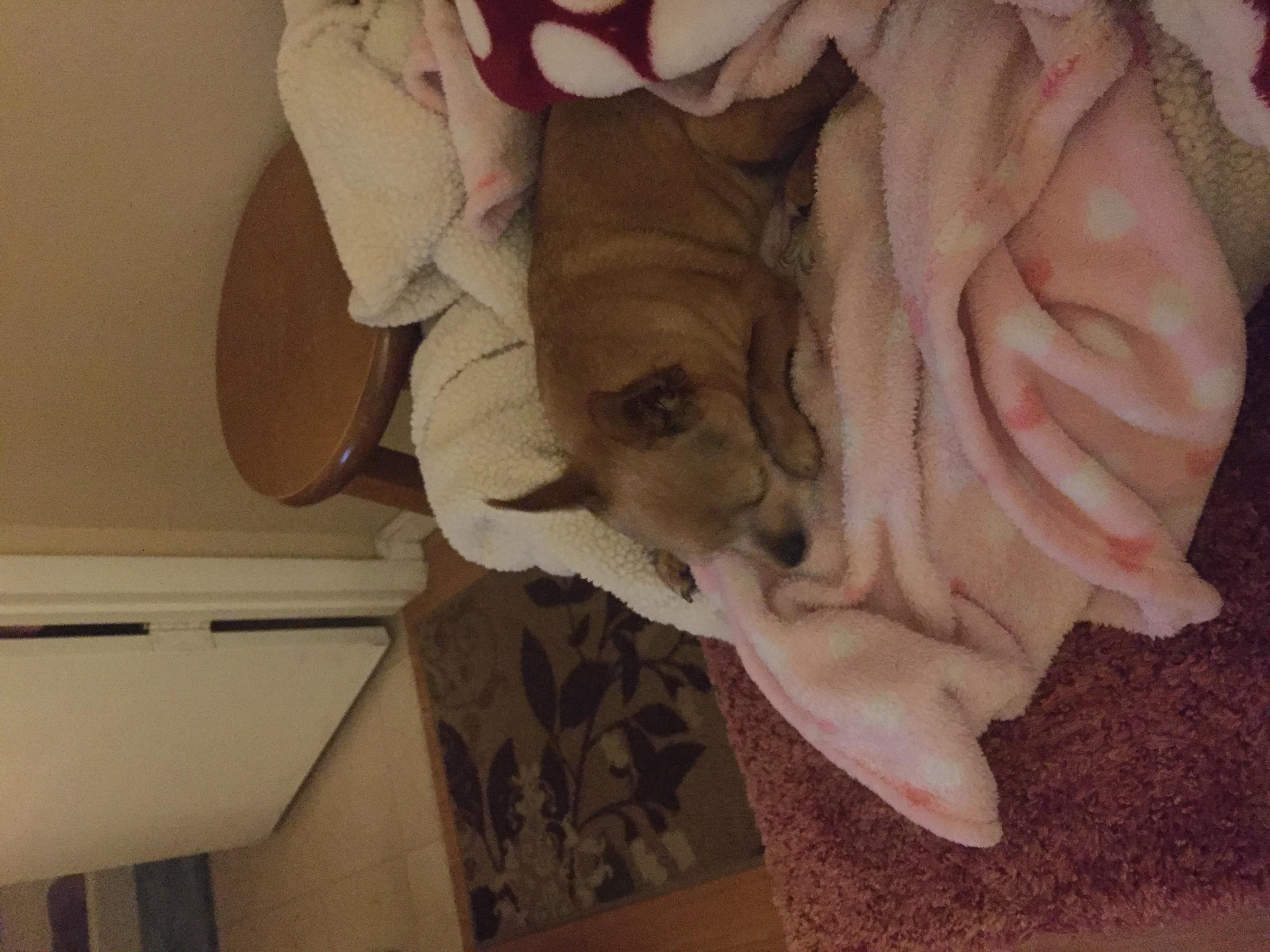
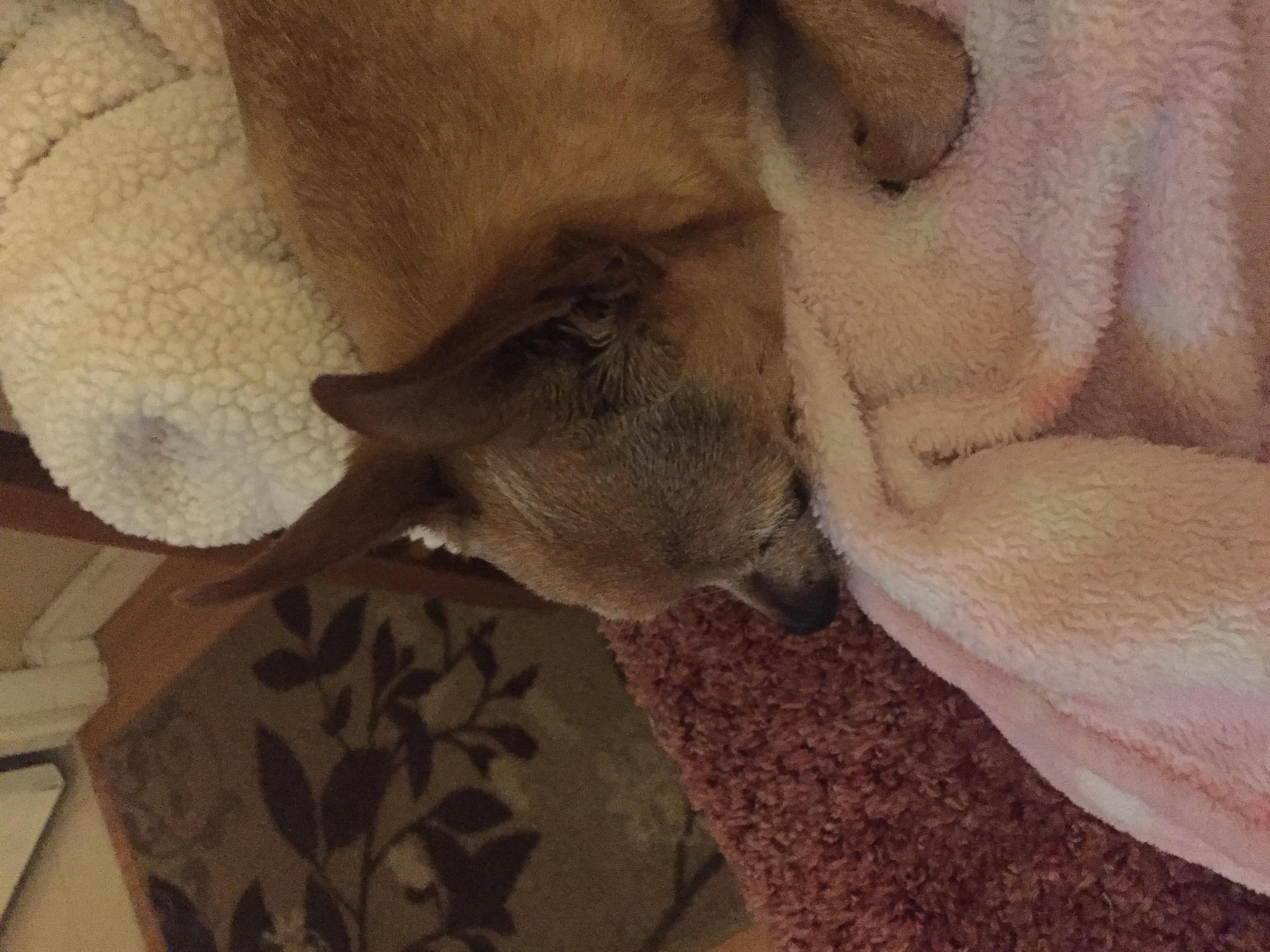
What can I do for Bambi she coughs and wants to vomit but can’t. Pet smart could not do any thing for her due to she has a heart murmur. They couldn’t take exray of her due to the fact they couldn’t handle her, so they said the only way they could take X-ray if they sedate her, but in the past they said they couldn’t sedate her to get her teeth clean and now they can sedate her for $105 . I don’t understand that. Please advise what I can do for my Bambi. Thank you. Mapu



1 Answer
Most Helpful Answer

Published on March 20th, 2018
It seems that poor Bambi may have a heart condition. Not all murmurs are bad, but the cough can indicate signs of heart failure and an x-ray would tell a lot of information that would be helpful for getting the right diagnosis. It's always difficult to speculate without fully knowing Bambi's medical history, but I'm guessing that they did not want to anesthetize Bambi for the teeth cleaning because they were afraid that she had severe heart disease. For dental cleanings they need to fully anesthetize the dog and this can be risky with heart disease. Often there is a risk versus benefit decision that needs to be made. The doctor may have decided that the risk of anesthesia was not worth the benefit of a dental cleaning. For the x-ray, the sedation would not be as worrisome as the full anesthesia that is required for the dental. We have sedation drugs that are very safe for heart conditions and it's often less risky to sedate a heart patient for an x-ray rather than struggling with them to get them in the right position. Struggling too much can cause a heart attack in some patients with bad heat disease. I hope that helps to answer your question. I'm sure your vet could give you more information and I'm sure they would be happy to discuss this with you the next time you speak with them.

1Pet Parents found this answer helpful

My dog has a heart murmur and needs a operation to remove rotten teeth, what other options do I have other than operation where my dog might die in operation?
my dog was diagnosed with a heart murmur grade is 3/6, this has not changed since december. I want to have his teeth cleaned but the doctor is insisting that i do the echo. what are your thoughts?
My dog is having heart issues.can she b given sedatives for dental cleaning n extraction?can sedation b harmful to her?which sedatives would be safe for her?plz tell names of those sedative drugs.she is 9 yes old.

I have already discussed this with my Vet but I would like your opinion on this subject. Dolly has an enlarged heart . Should she get teeth cleaned?
Hi my 16 year old Staffordshire crossbreed has stage 4 heart murmur but no fluid in her lungs, no other symptoms. Liver and kidney tests are clear. She is on Tramadol for joint pain. She hasn't seen a cardiologist. Her teeth are in really bad shape a
did I cause my dog's heart murmur because i didn't get his teeth cleaned sooner. because i was scared to put him under.
Why did not our vet want to take a biopsy of Dahlia’s blood blister. I asked her too. No answer. Waiting for her blood work. She has a 2nd degree heart murmur. Can she be safely sedated with Lidocaine to remove this blood blister?
Rudy will be 10 years in October, he has been coughing a lot over the last couple of weeks, a dry cough, 6 or 7 hacks, then he'll try to throw up, but there's nothing there - just dry coughs. This sometimes happens when he gets excited or just simpl

My dog is 9 yes old n is having heart issues.her last tooth lower jaw extreme last is loose.having dental cleaning done under anesthesia can lead to what risks?how to completely remove those risks?what r do's n don'ts to b followed before anesthesia
I have a 10 yr old Papillon 3 yrs ago a heart murmur was detected and it was determined that he has degenerative mitral valve disease His yearly heart checkup indicates LA mod dilated and mitral valve mod thickened Systolic function of LV normal. Mod

Book an appointment with the pros – our expert vets are here to help.
