


What to do if I find a baby turtle? Can I keep it? What do they eat?
Updated On September 23rd, 2025
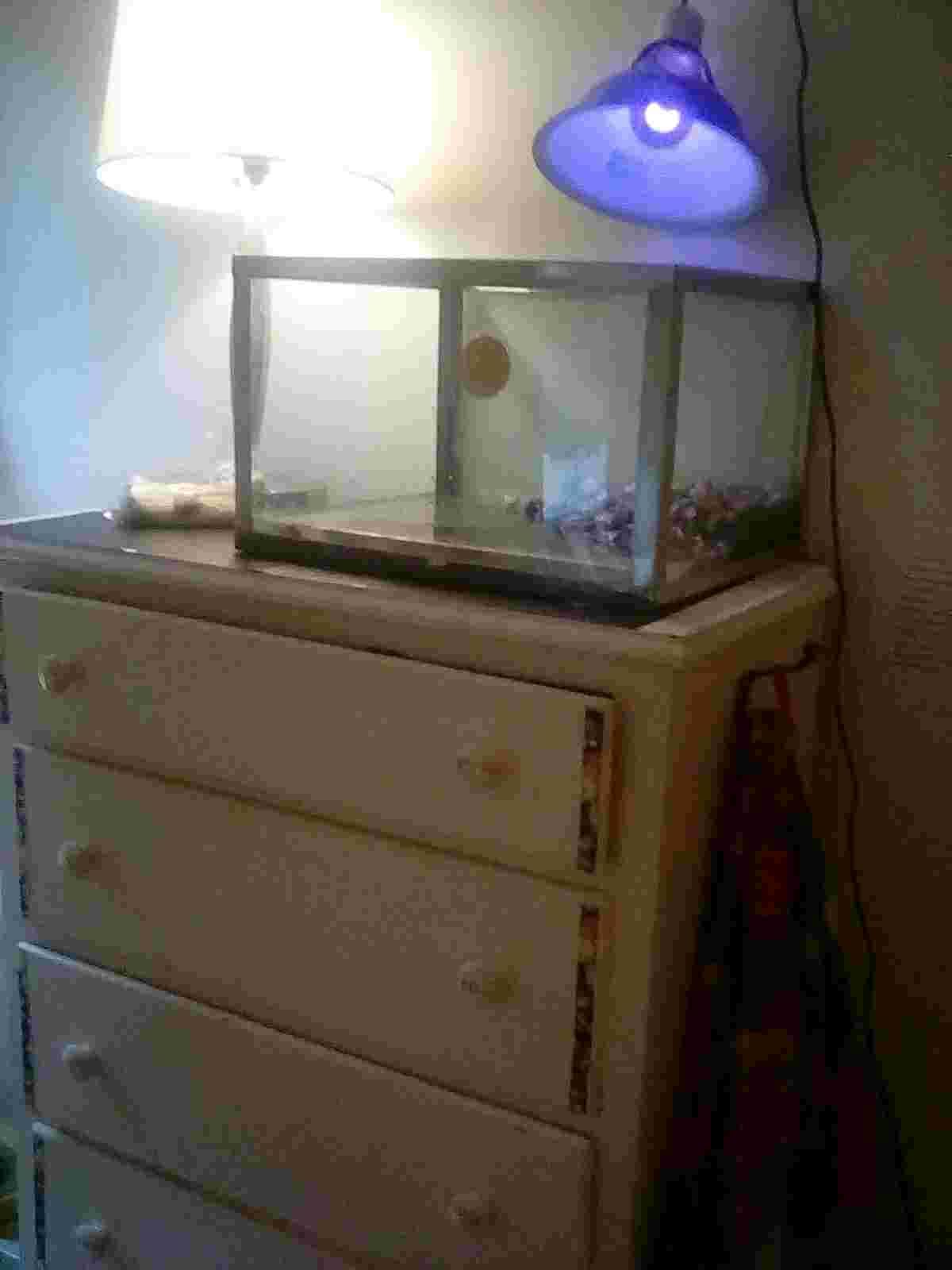
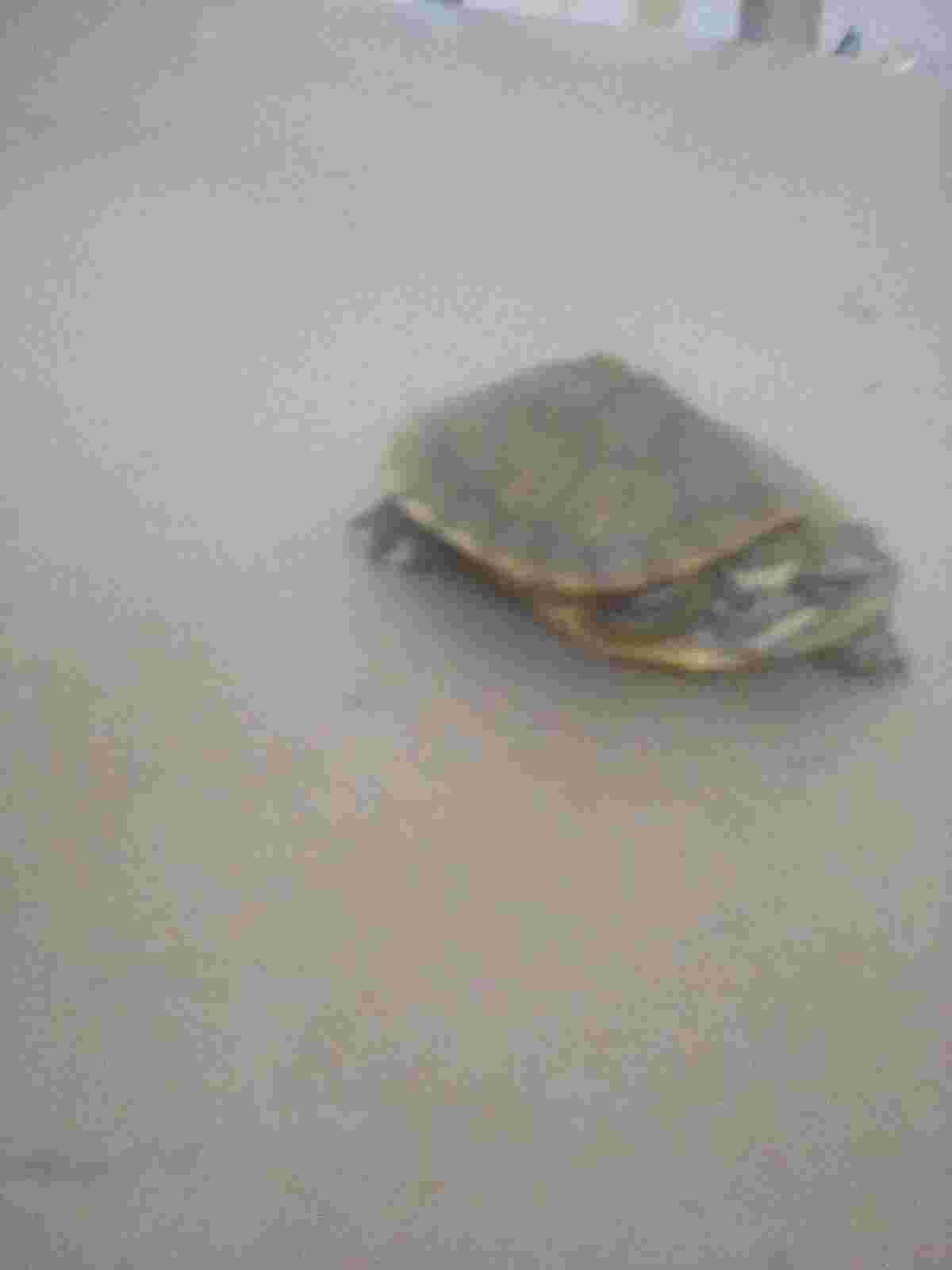
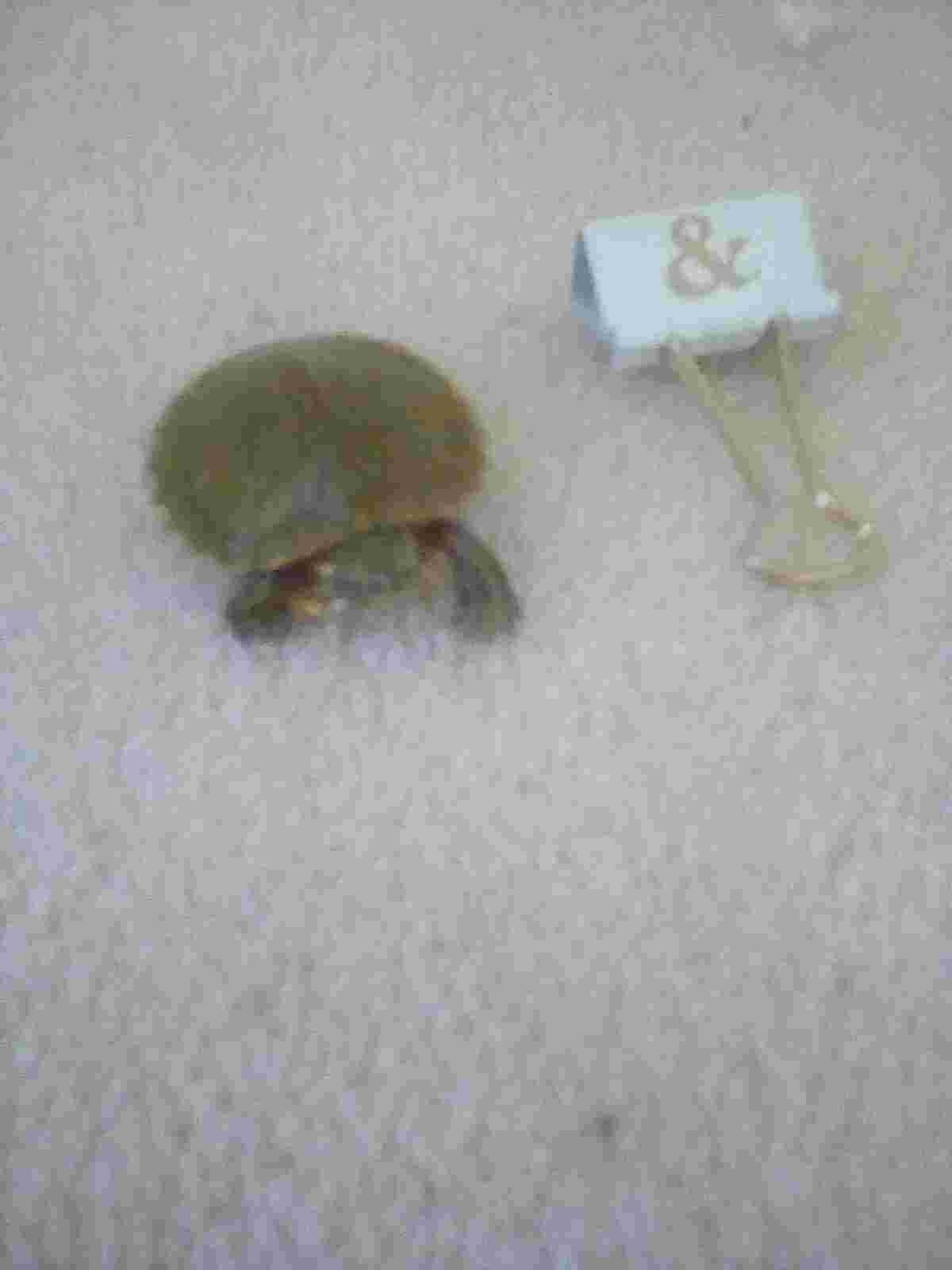
I found a baby turtle upside-down in a puddle about the size of a plate. He was barely moving, and there was no creek within a few miles. I took him in and got a 10 gallon tank. I went to a creek and got some water from that, and some little rocks and made a habitat. I got a best lamp as well. What should I do? Should I keep him and care for him? Also, what should I feed him? I sent some pics to tell size and type.


3 Answers
Most Helpful Answer

Published on March 19th, 2018
It looks like a juvenile slider. Ideally, a wild turtle should be returned to the area where found. They don't transition well to captivity Since it is a juvenile , you may have a better chance though. You can read about slider care here: http://www.anapsid.org/reslider.html You can feed a commercial pellet or stick diet supplemented with fresh greens and some protein in the form of crickets, feeder fish or nightcrawlers. The water should be no deeper than twice the length of the shell and should be heated and filtered. Provide a heat lamp and UVB lighting.

1Pet Parents found this answer helpful
Related Answers from Veterinarians
-
Published on March 19th, 2018
Ideally, it should be returned to the location where it was found. It isn't harmful or dangerous to keep a wild slider but it may not transition well to captivity. If you plan on keeping it, use the article at the link below as a template for proper care and feeding. http://www.anapsid.org/reslider.html
1Pet Parents found this answer helpful
-
Published on June 7th, 2019
What you have is a species of slider. It could be a Yellow Bellied Slider. First, be sure it is legal in your state/county to keep a wild caught slider. You will need a tank large enough to provide swimming and basking areas. The general guideline is 10 gallons per inch of turtle. Choose a strong filter to help maintain water quality. It should be rated for at least twice the volume of the tank. You will likely need to perform partial water changes every few weeks though. Other necessary items include: a heat lamp over a basking area, a basking area easily accessible from the water, UVB lighting and a submersible water heater. Feed a balanced diet of animal protein (feeder fish, nightcrawlers, etc.), fresh greens and vegetables and commercial pellets. A multivitamin and a calcium supplement will also be needed. Consider having the turtle examined by your veterinarian or a vet experienced in treating reptiles to confirm good health or to diagnose and treat any pre-existing conditions. Submit a stool sample to diagnose intestinal parasites. You can review slider care at the link below. Yes, the information is for red eared sliders, but the care is the same for yellow bellied sliders. http://www.anapsid.org/reslider.html
2Pet Parents found this answer helpful


my brother found a turtle and wants me to keep it as a pet and take care of it for him. what do i need in order to care for a turtle, like what kind of cage does it need and what food do i give it. also what kind of turtle is it? it is small and the
Hi, can you help me identify my turtle? I live in United States, North Carolina and found two baby turtle in my aunts yard.
Hi, i had a turtle bought yesterday. Since im saving money, i bought a tupperware as his temporary shelter... And i have a lot of questions like what do i need to do for him to eat because he never eats anything i gave him to eat like veggies. I've
I won my little turtle off a carnival game. She's still about the size of a thumb. The guys running the game gave her to us and a bag of food (ReptoMin) and said to feed her half a pellet in the morning and half a pellet at night. They didn't seem to
Can u help me identify this turtle species. Im not sure if it is a yellow bellied slider. Help me by giving me tips on how to keep it
I have 3 red slider turtles. I been having them for over 6 months now and they are starting to become picky eaters. 2 of them are wild and 1 is from the per store. I tried three different brands and kinds of food and they only eat the dried shrimp. I
So. My grandparents found a tiny tiny turtle 6 days ago at Lowes one of his eyes is bulging & the other is completely closed never to be open. Also, we think his leg is broken. We are not sure I need help. I would like to keep him, just to help him g

I just found this little tortoise 2 days ago in the woods, tried looking around for his/hers mom didn't find anything, so I volunteered to take her as a pet, the problems I am facing are: I don't know if she's eating or drinking and I don't know if s
hello i just got 2 pet turtles they're pretty small. My friend gave them to me and I honestly don't know what they need and I dont know what's their sex. I just need to know everything overall, tank, food everything. thank you!
My little brother found this tiny little turtle in the grass of our apartment complex. I want to know what kind of turtle it is and if it will need to be in water and I just really need to know it's necessities. When he found it it was completely cov
Book an appointment with the pros – our expert vets are here to help.
