


My dog has a slow-growing lump. Vet says skin tag, should I worry?
Updated On September 23rd, 2025
Pet's info: Dog | Mixed Breed Medium (23 - 60lb) | Male | neutered | 5 years and 3 months old | 53.5 lbs
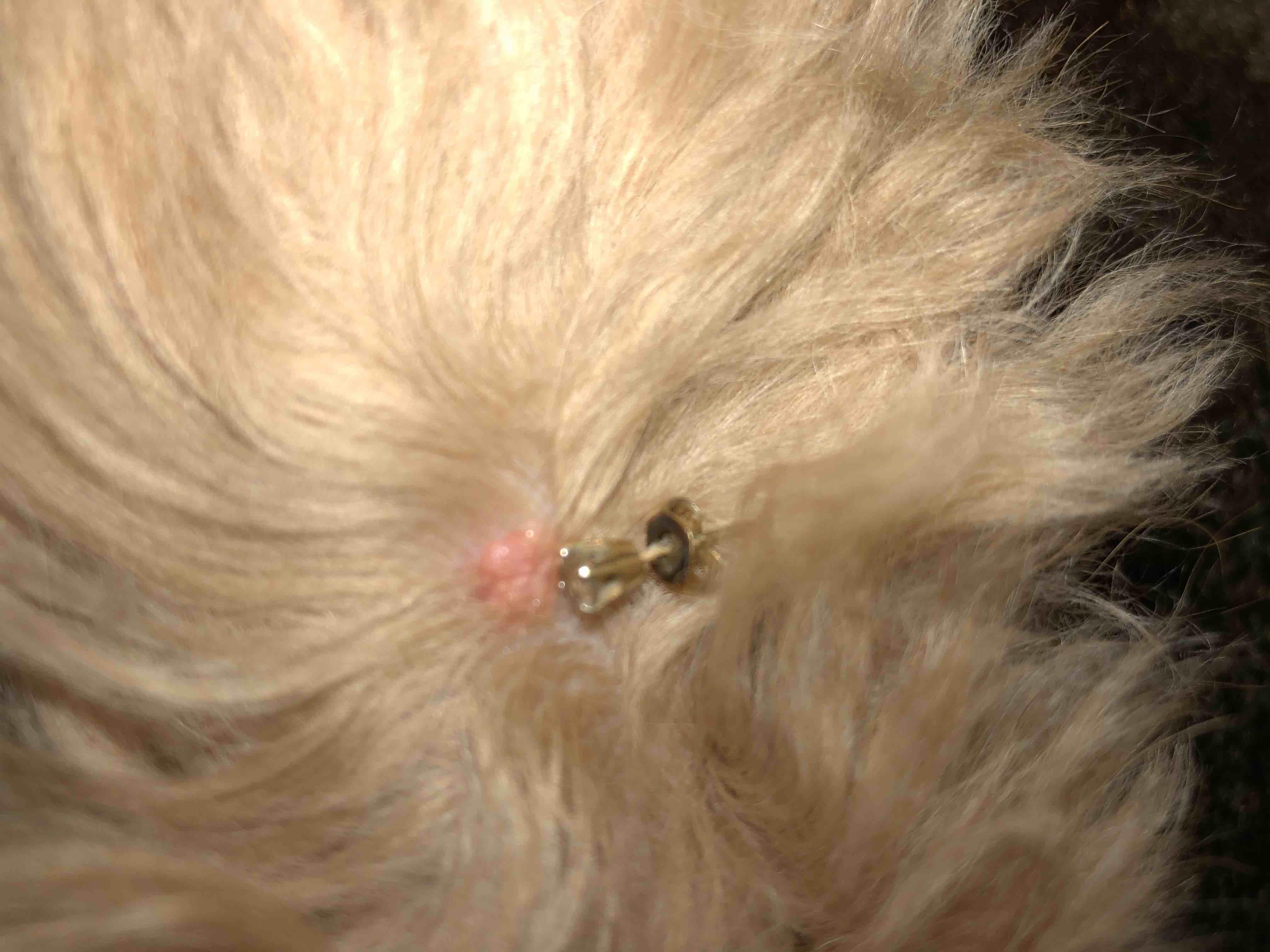
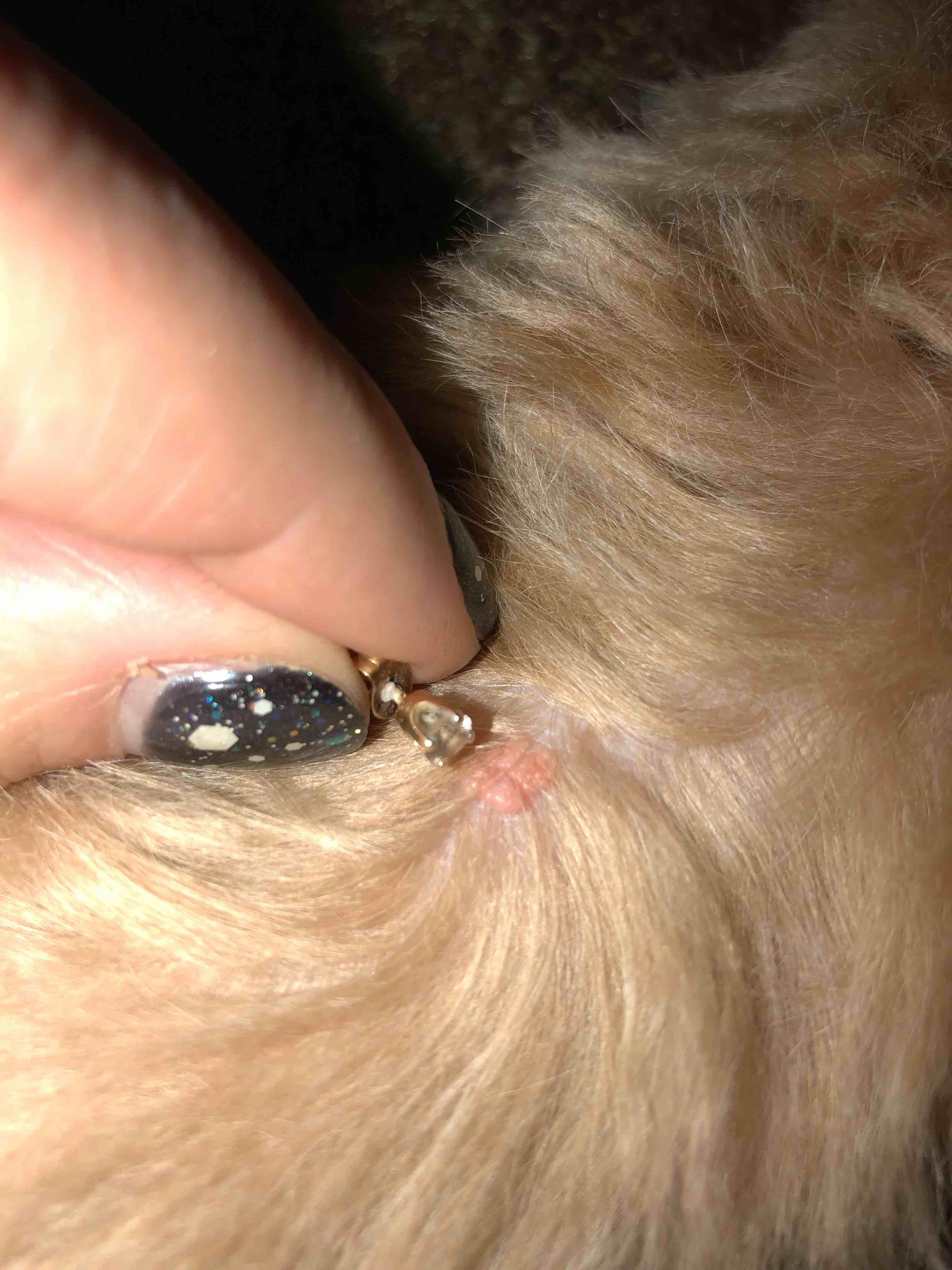
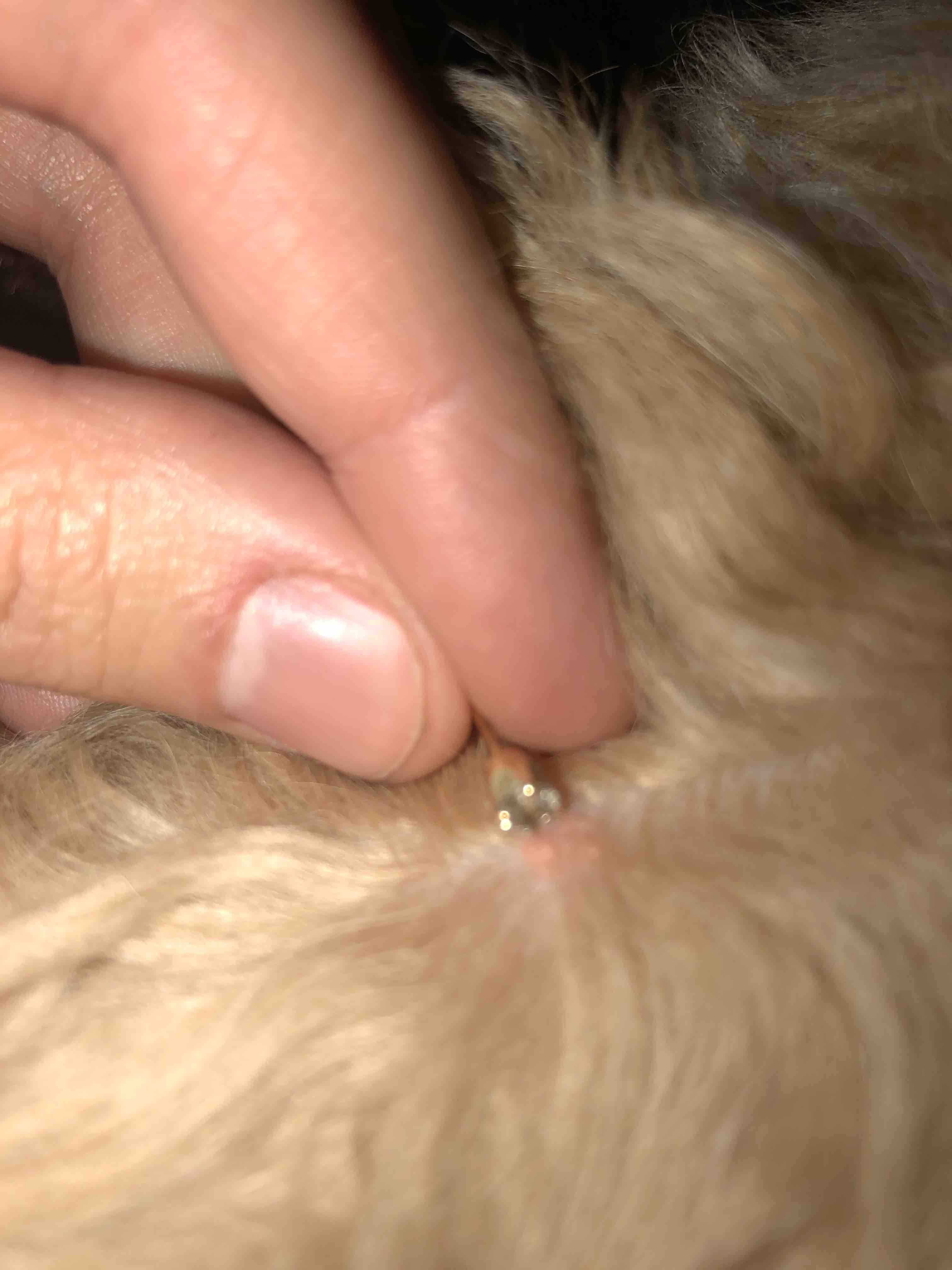
Last January I noticed a small blemish on my dog’s arm. Our vet has examined numerous times at check ups and does not seem worried about it (refers to it as a skin tag/wart). It has grown imperceptibly slowly since last year and while it is slightly bigger than a year ago, it’s not much (still about .5cm). So just looking at other opinions as well. 3 pics attached: 2 within last 4 months 1 from about 8 months ago, dog doesn’t bother it, superficial, skin colored to pink


2 Answers
Most Helpful Answer
Published on February 1st, 2018
Hello, and thank you for your question. I agree with your family vet that the lump looks like a skin tag. I would only consider further workup if the lump grows significantly in a short period of time, if it changes shape or texture, or if Timmy starts bothering at it (scratching, licking). At that point, a fine needle aspirate can be done to confirm the nature of the lump, and decide whether surgery is necessary to remove it. I hope this helps, and that Timmy is happy and healthy!

1Pet Parents found this answer helpful
Related Answers from Veterinarians
-
Published on May 10th, 2018
Hi and thanks for posting on Petco Pet Education Center, formerly Petcoach! If your vet has diagnosed Timmy with warts or skin tags, these are typically not a cause for alarm. These are typically growths that are relatively small and are slow growing. Rapidly growing is growing larger than 1 cm in 1 month. Any mass or lump that has been present for one month and is larger than 1 cm should be evaluated by a veterinarian and have a fine needle aspirate sample of the mass taken to determine what it is and if it needs to be removed. I hope this helps!
1Pet Parents found this answer helpful


(now added photos) I’m unsure what this lump is on my dog, he is 10 years old. He has had it for a while it may have grown a little but maybe not I can’t he sure. It’s about half an inch big. The skin on it is rough. He seems fine otherwise. Think it
My dog has growth that started as a skin tag so vet said but grown huge last few weeks is this a tumour
My dog had a small skin tag on her shoulder blade but over the past few days I've noticed that it has gotten a lot bigger also it looks like it's got a few hairs coming out of it

I have a 14 year old chihuahua mini pin- He's got this on his tummy- it's growing- feels like a sack of skin- skin tag or something I should worry about?

My 8 year old Rotti has a skin tag on the hind leg, I tried to put a rubber band around it to have no blood supply go to it, but I took it off because I read it could get infected if not taken off correctly. I shaved around it and this is what it loo

We noticed this growth on my dog front leg. Is it a wart or something else?

Hi I own a 2 year old Pomeranian chihuahua mix. For over a year now she has had a bump on her back that vets have just been watching. It has been getting larger and recently I've noticed it's been changing color and getting flakey skin on and around

My dog seems to have developed something that looks like a skin tag but I am afraid it might be something more serious. It doesn’t affect him, he is not bothered by it and it has not gotten larger. He’s had it for about two weeks now. It has been the

Hello, I have attached photos of my dogs leg he’s had this wart looking thing for over a year now, and has recently got bigger. Is this normal for a dog ? He’s a Sprollie and he’s 7.
Hello, my dog destro is 10 years old. He's very hyper, eats and drinks well, and exercises daily. He is starting to get skin tags and bumps over his body but he shows no signs of pain, lets us touch them, and does not guard the area. Attached is one

Book an appointment with the pros – our expert vets are here to help.
