


African Grey losing feathers when shaking, not plucking. What's wrong?
Updated On September 23rd, 2025
Pet's info: Bird | Unknown - Bird | Female | unspayed | 440 lbs
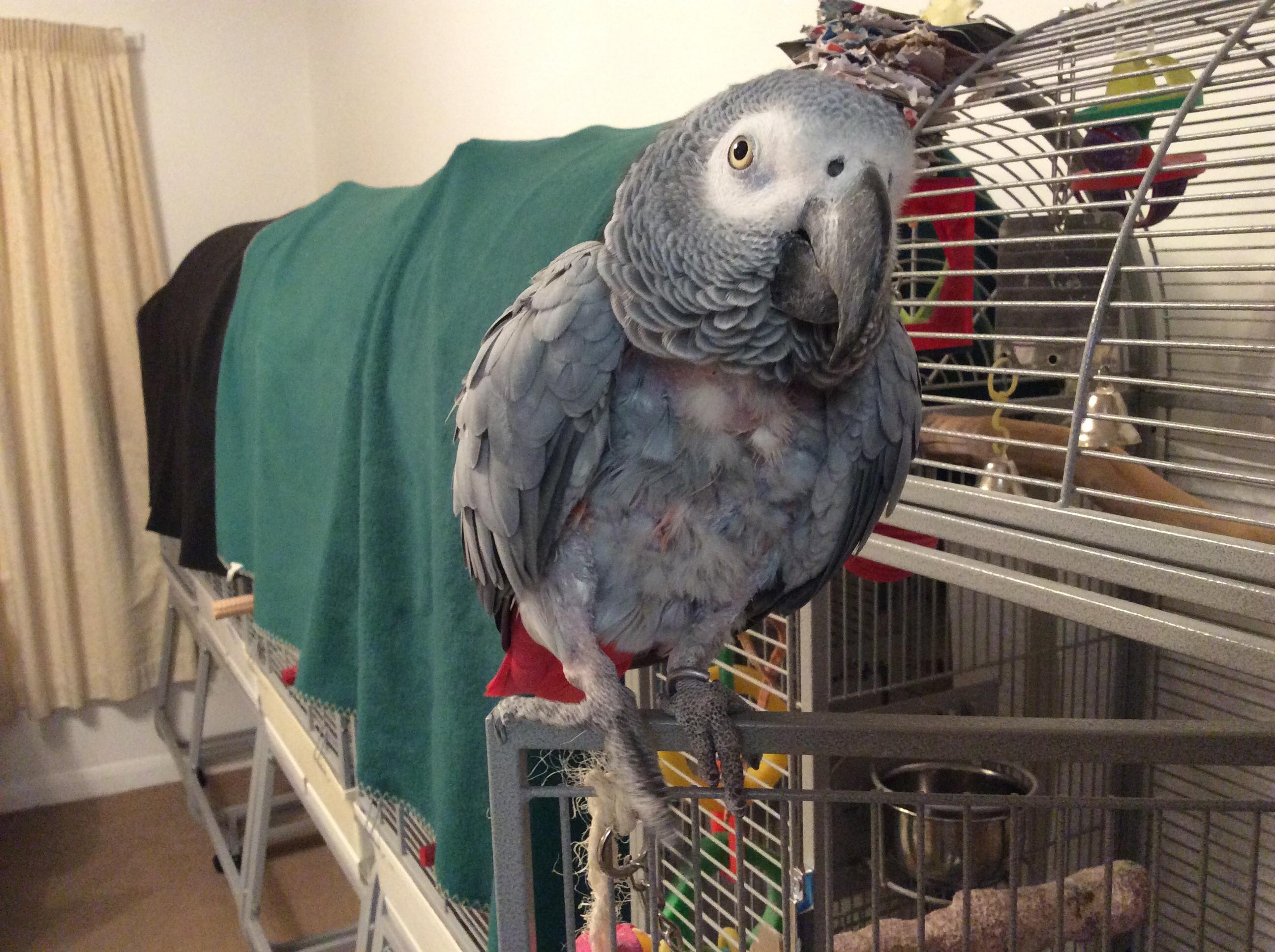
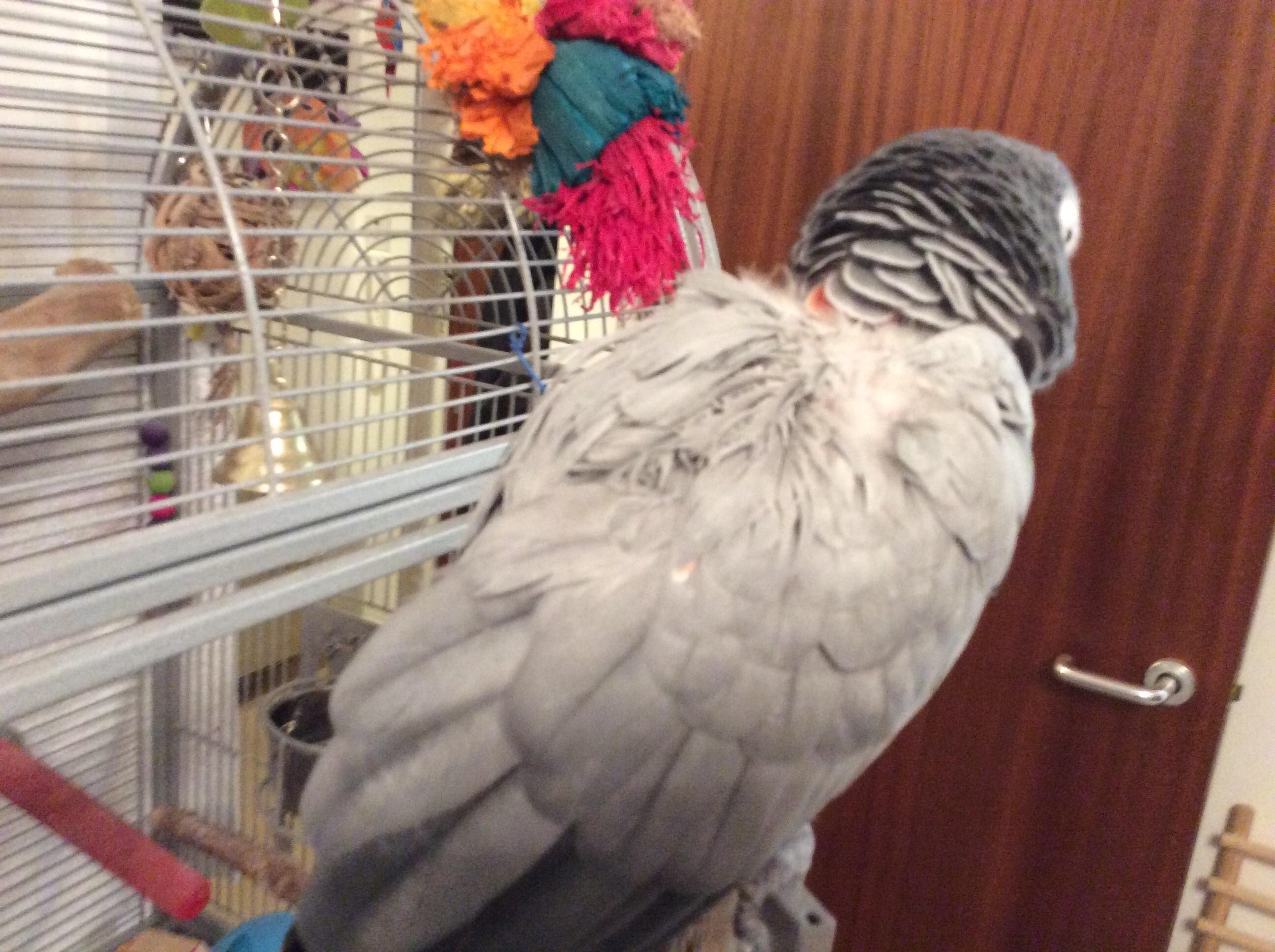
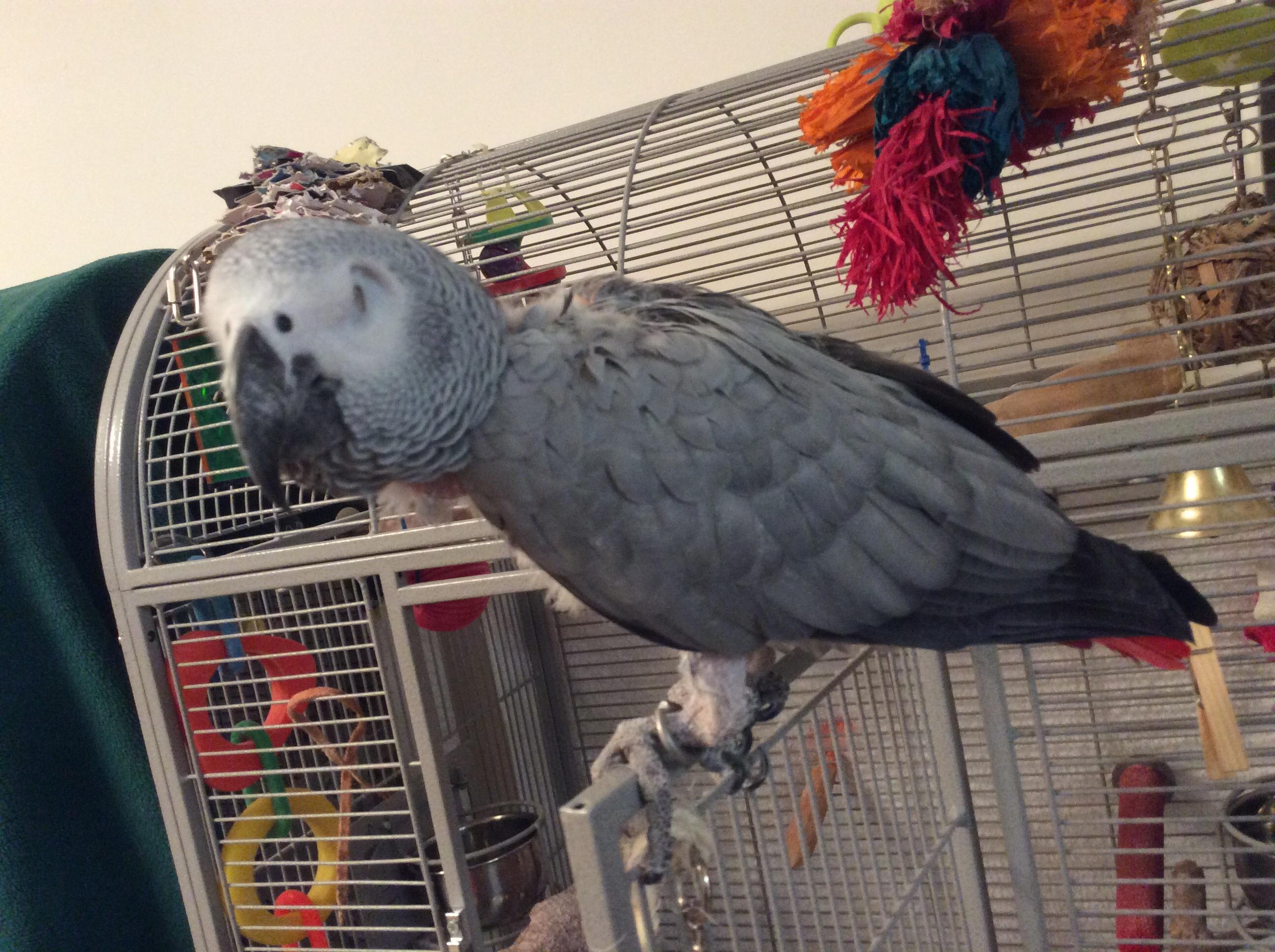
I have an African Grey who is a rescue approx age 60 years old, she is a plucker. Had her 20 months. She has a handful of Harrison’s high potency course during the day and a small amount of seed through the night. Not both together. Can’t get he4 to eat much in the way of fruit and veg but does like oranges pears apples. When she shakes she is losing her feathers, not from pplucking or moulting this totally different. Feathers all sizes coming out. Please help if possible. Thank you in advance.


1 Answer
Most Helpful Answer

Published on November 30th, 2017
If you are sure she is not actually pulling them out then here are some reasons why the feathers could just be falling out. 1. Dermatitis: skin infections a. bacterial, fungal or viral b. chemical (e.g., nicotine absorbed from the caretaker's fingers) c. allergic (unproven at this time). 2. Folliculitis: inflammation of the feather follicles 3. Malnutrition: nutritional imbalances are a common cause of illness in our pet birds. Seeds should compose less than 20% of the diet. A balanced pelleted diet like the Harrison's you are feeding should be fed as well. Hard boiled egg yolk, pancakes and cornbread, the tops of fresh greens, dairy products such as yogurt and cheese, fresh fruits such as apples, pears, melon, kiwi, and berries, vegetables such as broccoli, carrots, beets, asparagus, cabbage, sweet potato, and squash, and even tiny pieces of meat should be offered. 4. Environmental conditions: extremes of humidity, aerosol contamination and cigarette smoke. 5. Underlying medical problem: liver pathology, osteomyelitis (bone infection), pancreatic disease, renal disease, neoplasia (cancer), underlying abscesses 6. Reproductive activity/inactivity 7. Parasites: mites and lice 8. Stress I strongly recommend you get her to an avian veterinarian for an exam and some testing. At her age I would be worried about an underlying health issue (#5 above). You vet will need a thorough history which should focus heavily on the bird's interaction with its environment and the people and other animals around it. My guess is that some diagnostics will be needed in the form of blood and urine tests and whole body X-rays. Skin biopsy may also be recommended. Be sure to use a vet that is well-versed in treating birds. Hope this helps. Best wishes.

1Pet Parents found this answer helpful
My six year old African grey is dropping full size, undamaged grey feathers. She is not plucking, they just fall out as she flies about or potters around. The tops of both wings are going bald. Her behaviour is unchanged, still very chatty and active

My african grey is very restless, plucking his feathers and shaking his head. This is the first time he’s doing this. What will I do? Please help.
My bird (parrot) was suffering with loss of feathers severely. Due this she feeling cold. Consulted a local government doctor about this they had given a powder by searching in Google ask us to feed her by mixing in the food. A week was over but no i
hello Dr, im having alexandrine parrot which is 7 months old. that is suffered by heavy feather loss
MY ringneck parrot is losing her feathers and has lost almost all feathers at the top of her head. How to I save her?
Why is he plucking his feathers
i have an african grey, she plugging her feathers a lot in and out season, i gave her a bath today and saw a gap at her neck, i am histerical at this stage cause it doesnt seem normal, we dont have a avarian vet close to us, is this normal should i s
Chica has been suffering through an extreme molto for 3 months. I've tried calcium drops in her water and Bird Bath spray. She quivers and shakes. She is about 25 years old.
My bird is losing a lot of feather. She is still eating and very active. I didn’t know if she was just molting or has a disease
Coco is my friend's parrot. They got him 1 year ago when his owners traveled away. Ever since coco is plucking off his feather and he almost has no feather now. At first they thought it was because he missed his owners but its been a year now. Im enc
Book an appointment with the pros – our expert vets are here to help.
