


My dog won't stop licking, scratching, and biting his itchy skin.
Updated On September 23rd, 2025
Pet's info: Dog | Mixed Breed Small (up to 22lb) | Male | neutered | 12 years and 5 months old | 20 lbs
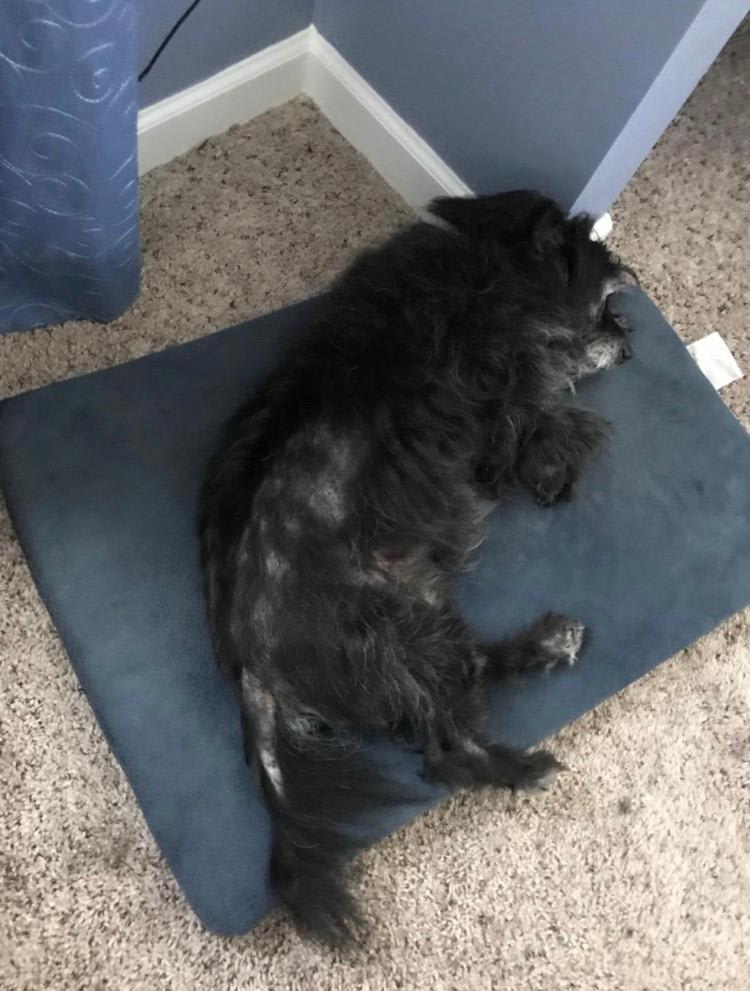
My dog won't stop biting, licking, and scratching his tail, lower back, and inner thighs. He's chewed hair off of the areas that have been bothering him and sometimes to the point of making a sore. He has a history of allergies and dry skin (vet prescribed some oil for his food) he has other OCD-type habits. He's only outside for walks and wears a flea collar. We can't watch him 24/7 because everyone either works or is in school. It just gets worse and we can't afford to take him to a vet. Help!


3 Answers
Most Helpful Answer

Published on July 31st, 2017
Itching and scratching can be so frustrating! Many times even with lots of veterinary visits have some patients that are just difficult to get comfortable. The first steps are making sure there are no parasites. Sometimes a topical flea treatment can be more effective than the collar. Also, we often do skin scrapings to make sure there are no mites contributing to the itchiness, but I understand you have some financial concerns. If we have ruled out parasites then we are left with either food allergies or environmental allergies. There are some newer medications out there than are wonderful to controlling highly allergic dogs. They have been life changing for many of my patients. Unfortunately, these medications are only by prescription, which makes this trickier. Some pet stores sell shampoos for itchy dogs. If this is a food allergy, you can try a limited ingredient diet - find a food with no grain or chicken. You may need to read the label closely. Many pet stores sell these options now. If you try to rule out a food allergy, you can't give any other treats or table scraps. If there is no improvement after 4-6 weeks, it may not be related to a food allergy. Hopefully you can find a way to make Blackie more comfortable!

1Pet Parents found this answer helpful
Other Answers
-
Published on
Poor, Blackie. That sounds miserable! Unfortunately there are many potential causes for his skin issues that would benefit from a visit with a veterinarian. The most common cause of itching in these areas is from fleas. In dogs that are allergic to flea saliva, it only takes one bite to make them itchy all over. There are several different flea collars, and in my opinion many of them do not work in flea allergic dogs. Other causes for his skin itching could be food allergies, environmental allergies, mites, skin infection, or endocrine/hormone dysfunction, such as Cushing's Disease or hypothyroidism. You can try a soothing oatmeal bath twice weekly, using the previously prescribed oils, a different flea treatment, and an anti-itch spray or cream from the pet store. If those don't relieve Blackie's discomfort in a few days, it would be wise to start saving for a checkup with your vet.
1Pet Parents found this answer helpful
-
Published on October 14th, 2017
Poor Paisley! Itching in dogs can be such a tricky and annoying condition. In a lot of dogs it is caused by allergies. But first we rule out other sources. The big one is parasites, you say she is treated for fleas, but it is still possible she could have mites under the skin. Puppy demodex mites are surprisingly common. Usually the skin will be damaged when they have mites, so it would be worth having a vet do a skin scrape to check. Mites can be treated with spot one and medicated baths. On the subject of damaged skin bacteria and yeast infections will cause itching. Again the skin will be obviously damaged, usually smelly and often there will be spots. The vet can test the skin for infection and treat accordingly. I always recommend checking an itchy dog's anal glands as these can secrete chemicals that cause itching. If the above points are all clear then you are left with the situation that Paisley has allergic skin. The body overacts to normal things, it can be anything from grass to dust to chicken. Anything and everything can cause allergy. There are a few options to try and diagnose the exact allergens, blood tests, skin tests and diet trials. They each have pros and cons but all need to be carried out under veterinary care. Personally I don't get too hung up on diagnosis of allergens as usually there are many. Treatment involves modulating the immune system to not over react, drugs such as atopica or apoquel can be prescribed by your vet. Steroids will stop the immune response but I prefer not to use them due to other side effects. Allergic skin is not good at defending itself, so it is always at risk of getting infected. So quite often it is necessary to treat for concurrent infections. I advise that any dog with skin issues eats a really good diet, gets an omega oil skin supplement and has regular flea treatment.
1Pet Parents found this answer helpful





Book an appointment with the pros – our expert vets are here to help.
