


My cat's losing hair, weight, vomiting, and won't eat. What's next?
Updated On September 23rd, 2025
Pet's info: Cat | Domestic Longhair | Male | neutered | 4 years and 2 months old | 10 lbs
I have a 4 year old male neutered cat. He has been losing a lot of hair we noticed it 2 weeks ago and he went to the vet once and they gave him a steroid shot. This was last week now he has more hair loss and weight loss. He threw up yesterday and today. Now I'm noticing he won't eat. Please help I can't afford a 200.00 vet bill I've paid over a grand in the last few months on my other cat for a surgery. First photo is him before...2nd pic a week ago third pic now!


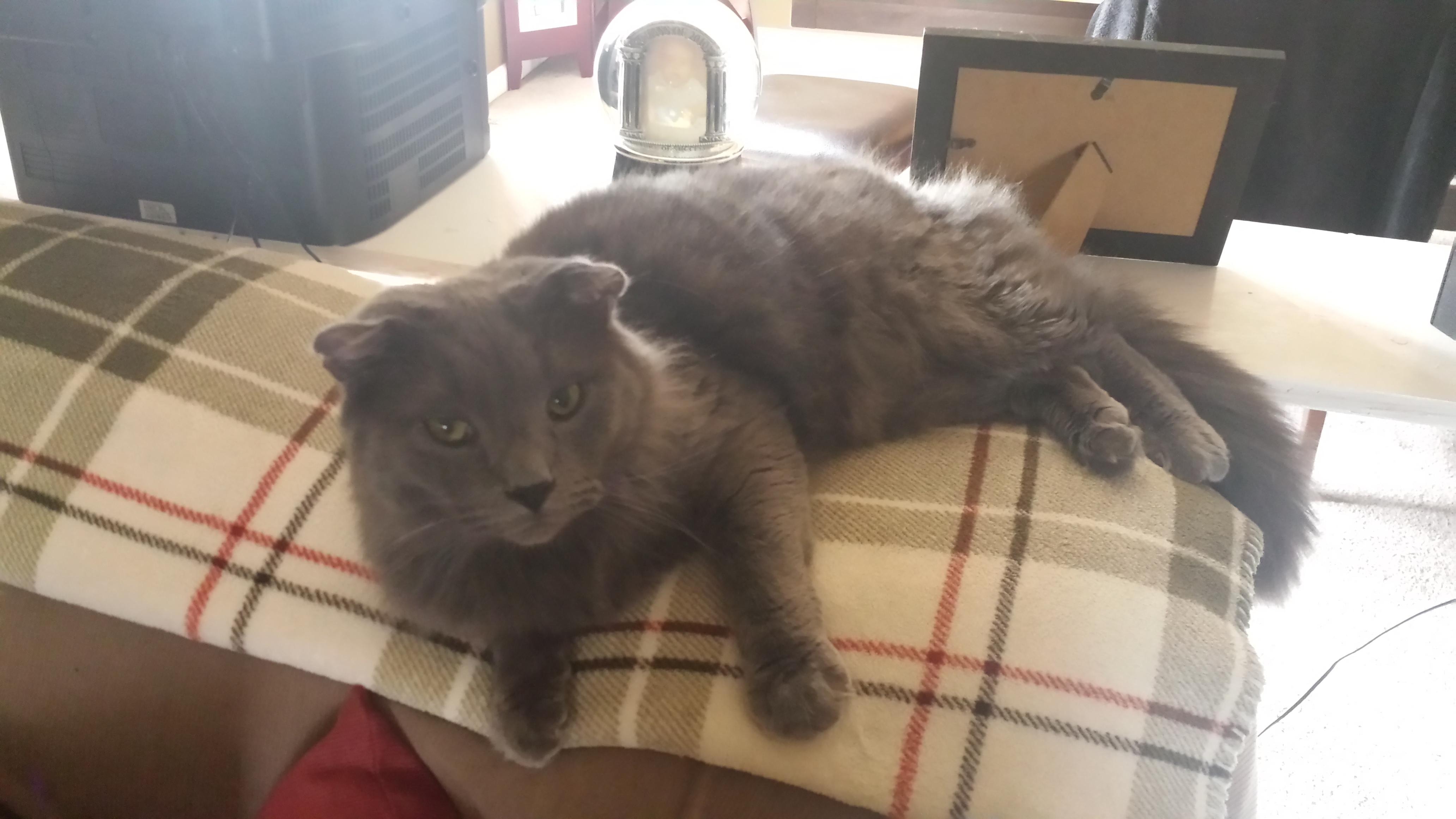
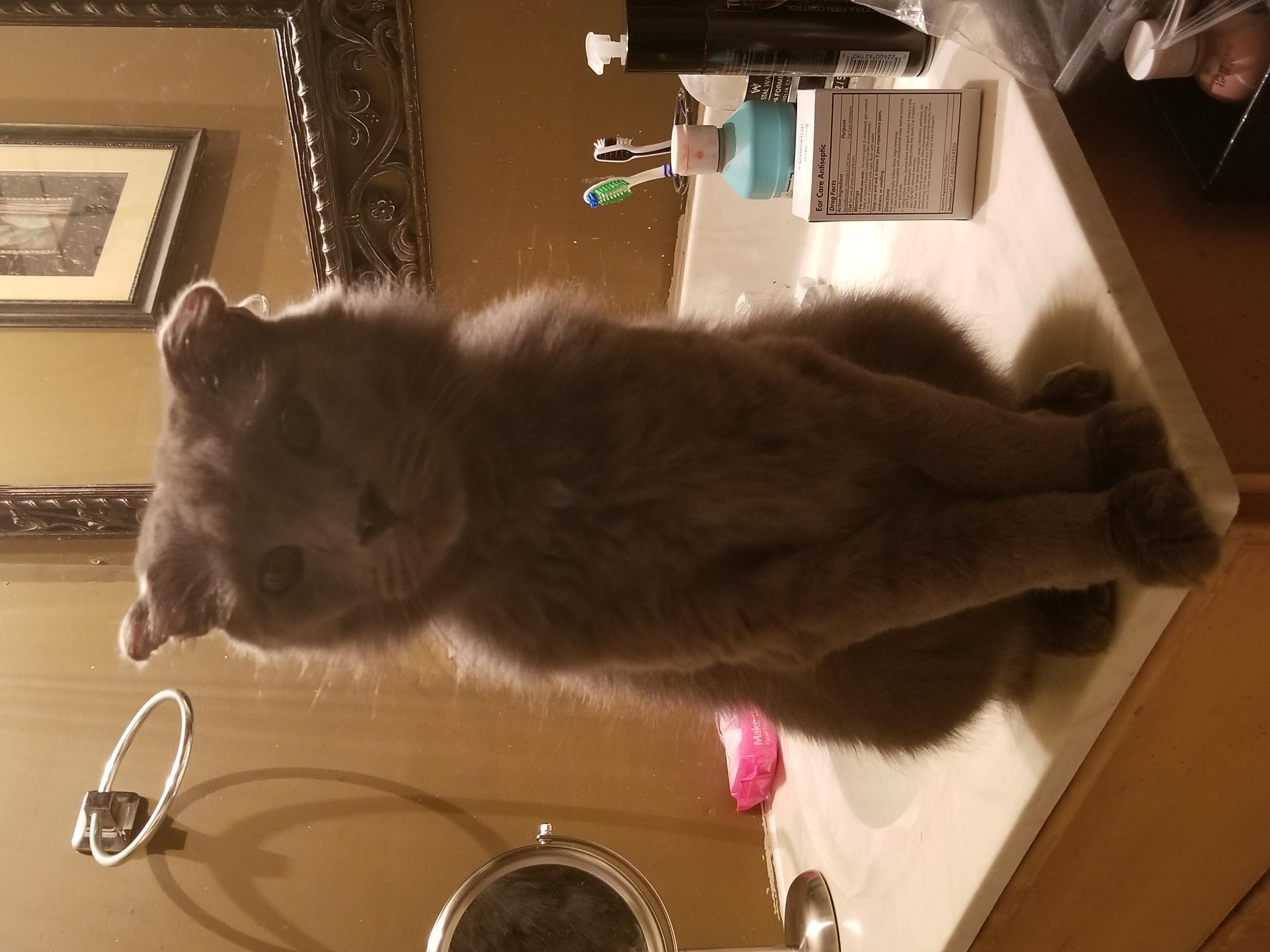
1 Answer
Most Helpful Answer
Published on July 13th, 2017
Depending on whether or not there is any itchiness to accompany the hair loss says a lot about the possible cause of the problem. If there is itchiness, there is likely a primary dermatologic condition being caused by either allergies, parasites, or an immune mediated process. If there is no itchiness, the cause is most likely nutritional or of an endocrine origin. Given the fact that the vet you saw gave a steroid shot, I imagine that he was under the impression that itchiness was a major component. If your kitty was unresponsive to steroids, there may be other alternative drugs and therapies available but all of which will require you to visit with the veterinarian. If there is not any itchiness, I encourage you to seek out some blood work to check for various endocrine diseases including thyroid disease and Cushing's disease. If you haven't already done this, you should also consider obtaining a skin scraping and a cytology of the areas that are affected on the body. I realize that the financial aspect of this can be tough, but its better to resolve things now before they become worse and potentially even more costly. Hope this helps.

1Pet Parents found this answer helpful



Book an appointment with the pros – our expert vets are here to help.
