


My dog is warm, sluggish, not eating. Is it sickness or heat stroke?
Updated On September 23rd, 2025
Pet's info: Dog | Chihuahua | Female | spayed | 9 years and 5 months old
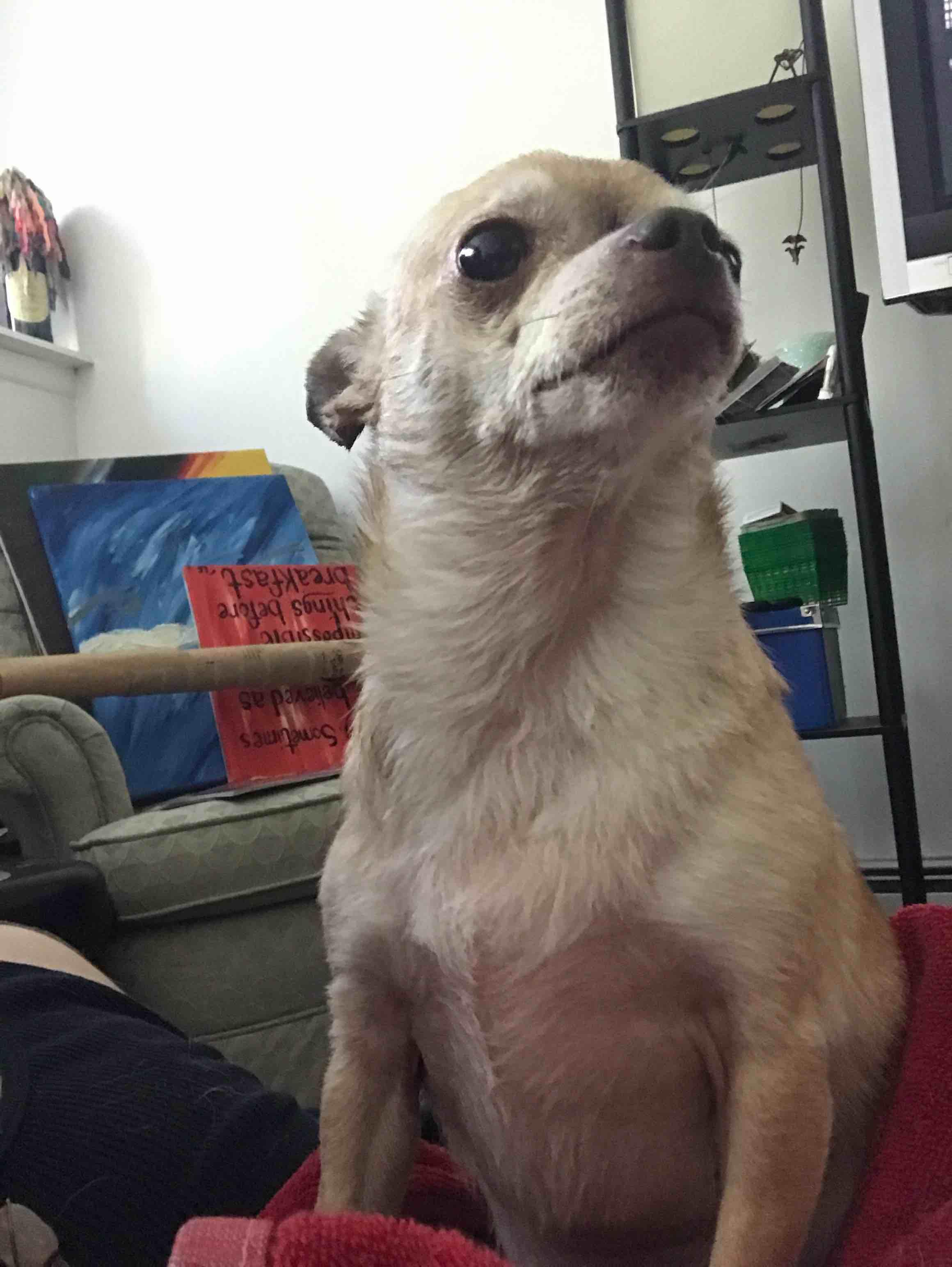
My dog is very sluggish and very very warm. She's not eating or drinking much. Her nose is dry. I gave her a cool bath and a few syringes of water. What else can I do to cool her down or is she maybe sick? It's very hot here right now, no AC at the moment but she's laying in front of a fan. We are also in the middle of moving which seems to be concerning to her.


4 Answers
Most Helpful Answer

Published on June 13th, 2017
If you have a thermometer you can take her temperature to check if she is overheated. You can lubricate the thermometer with vaseline/ky jelly/ or similar lubricant and insert about an inch into the rectum. If her temperature is over 102.5 then it is high. If she is acting lethargic and not eating or drinking well then these symptoms are concerning and should be investigated by a vet. There are many possibilities for these symptoms because they are so general. The vet may be able to narrow down causes with an exam, or they may need to do bloodwork on your dog for a better idea of the cause. If her temperature is high then she could have a fever or if it is very warm in your house could be suffering from heat stroke. You have done the right thing bathing her in cool water and providing a fan but she still needs to see a vet because there can be long term consequences such as severe GI irritation and infection if a dog has suffered heat stroke.

2Pet Parents found this answer helpful
Related Answers from Veterinarians
-
Published on
Use a rectal thermometer and sterile lube to take her temperature. If it is 103 F or above, take her to your veterinarian for an exam. You can moisten her paws and ear flaps with cool water. It is best to cool her down gradually if she is too hot. Offer small amounts of unflavored PediaLyte to replace electrolytes as long as she is not vomiting.
1Pet Parents found this answer helpful
-
Published on
Poor Regina. She certainly could be hot from the conditions. You can put alcohol on her pads and dampen her fur and allow the far to run over her. Since she isn't eating and drinking then I would be concerned she could also be sick or TOO warm and needs medical attention. If she is really lethargic and not movhaving NG around like normal, then I would recommend to take her to your vet for an exam to ensure she doesn't need immediate attention like fluids to help cool her off. If you have a thermometer, you could take her temperature. If it is between 99.5-102.5 then this is normal. If it is higher than that, then I would recommend seeing a vet. If it is greater than 104 then this is an emergency and needs to be seen asap.
2Pet Parents found this answer helpful
-
Published on September 5th, 2018
I am sorry to hear about Mya. IF she seems lethargic along with not eating and drinking I would recommend bringing her in for an examination at her veterinarian's office. You can attempt to take her temperature if she feels warm to you by using a thermometer rectally. Lubricate the thermometer (any thermometer can be used, just be sure to designate it as a dog thermometer after use!) with vaseline or ky jelly or other lubricant and insert 1 to 2 inches into the rectum. Normal dog temperature is 100 to 102.5 degrees. If she has a temperature above 102.5 this is another reason to bring her in for an exam. Her symptoms unfortunately are not very specific for a certain disorder and your vet's examination may provide more clues, and your vet may reocmmend additional testing such as bloodwork or x-rays depending on her examination. You can continue to offer water via a syringe, or offer some chicken broth or soaked kibble or canned food if she has any interest until she is seen.
1Pet Parents found this answer helpful



Did my dog have a heat stroke or does she just not do well in the heat?
Took dog to park today for 3 hours in 88 degree weather. She was leashed entire time so did not play hard and rested often. I brought water but she didn’t drink much but was very thirsty when we got home. Tonight she has not been able to sleep and h
We own an English Bulldog. He was outside in the 85 degree heat, and when we brought him in, he wasn't doing so well. He was puking, not moving without assistance, not eating or drinking. Is this from the heat or is there something else wrong with h

Hey, I used a thermometer and my digs temperature was 104.1 then I checked a few hours later and now it's 100.1. Does my dog have a fever and if so what can I do besides take him to the vet? His nose was dry and now it's a bit wetter. I'm worried he
My dog had diarrhoea two days ago and was vomiting. He isn't being sick anymore or having diarrhoea but he isn't eating or drinking any water right now. It's very warm right now (22 degrees celsius) and I was wondering If it's just because of the hea
My Bichon Frise (almost 5 years old) is warm and subdued. Won't take a treat or drink water. It is now 1:15 p.m. and at 9:30 a.m. I took her for a walk and she did pee and have a bowel movement. No diarrhea. She just wants to lay around - even a
how can i tell if my dog has a fever without a thermomenter? what do i do if i think he has one? would like to wait til morning to see a vet and not go to dog hospital but would. dog is lethargic, taking the hair off his tail, staring into space, not
My dog is suffering from a heat stroke and we have no vets available! We've got him cooled down, but he is unresponsive. He's breathing back to normal and his heart beat slowed back down a good bit! He is still unresponsive and he just threw up a lot

Loco isn't drinking water or eating he just wants to cling on to me .... he's been like this he does not want to do much of anything today and he just looks scared and I'm scared could it be the heat? He's an inside dog but loves to sit on the porch

hey i would like to ask about my dog's health. he is behaving really quiet opposite to whatvhe usually is. he also has a warm and dry nose with slightly red under his nose. he didnt eat as much yesterday as well. but he did not vomit or anything just
Book an appointment with the pros – our expert vets are here to help.
