Working Group
Dogs of the Working Group were bred to perform such jobs as guarding property, pulling sleds and performing water rescues.
Originally bred as all-purpose farm dogs, Standard Schnauzers are very intelligent, enthusiastic, and love to entertain. They particularly excel in tight-knit families who challenge their pet, keep it involved, and make it truly feel like one of the family.
Origin: Germany Other Names: Mittelschnauzer, Schnauzer, Wire Haired Pinscher
Dogs of the Working Group were bred to perform such jobs as guarding property, pulling sleds and performing water rescues.
Working Group dogs have been invaluable assets to man throughout the ages. The Doberman Pinscher, Siberian Husky and Great Dane are included in this Group, to name just a few. Quick to learn, these intelligent, capable animals make solid companions. Their considerable dimensions and strength alone, however, make many working dogs unsuitable as pets for average families. And again, by virtue of their size alone, these dogs must be properly trained.
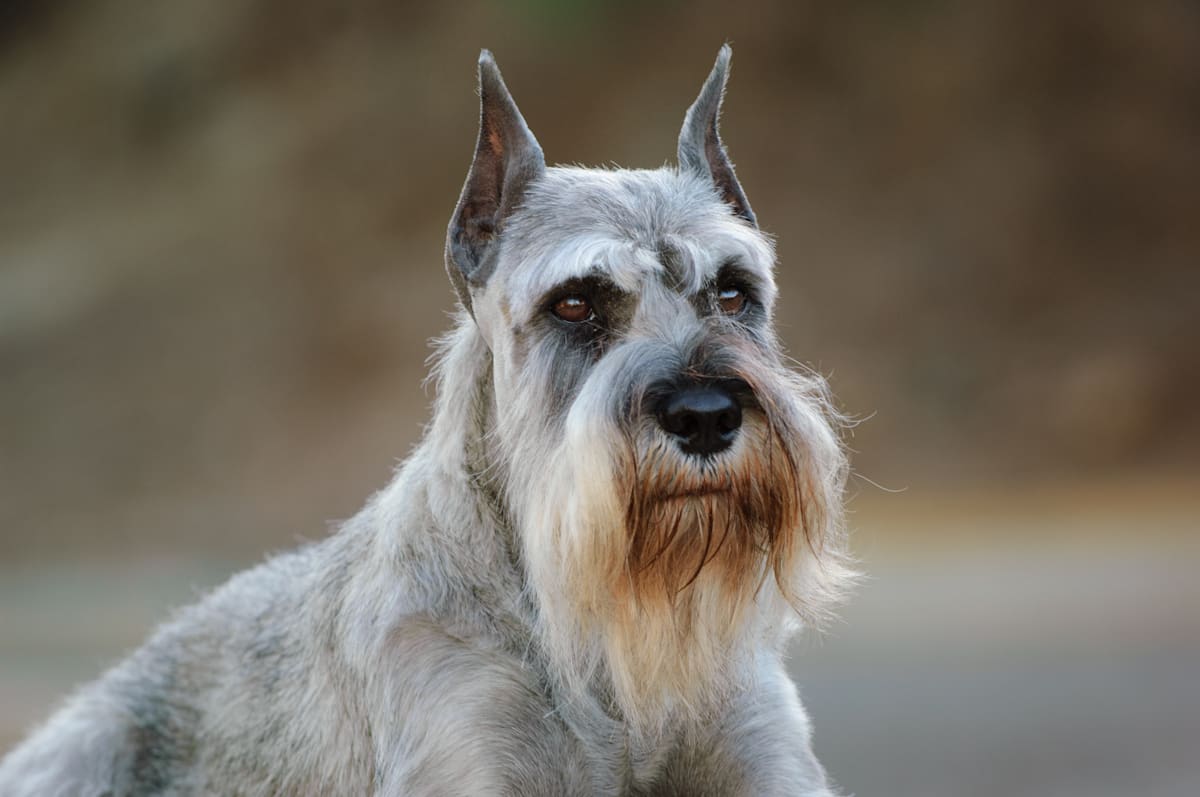
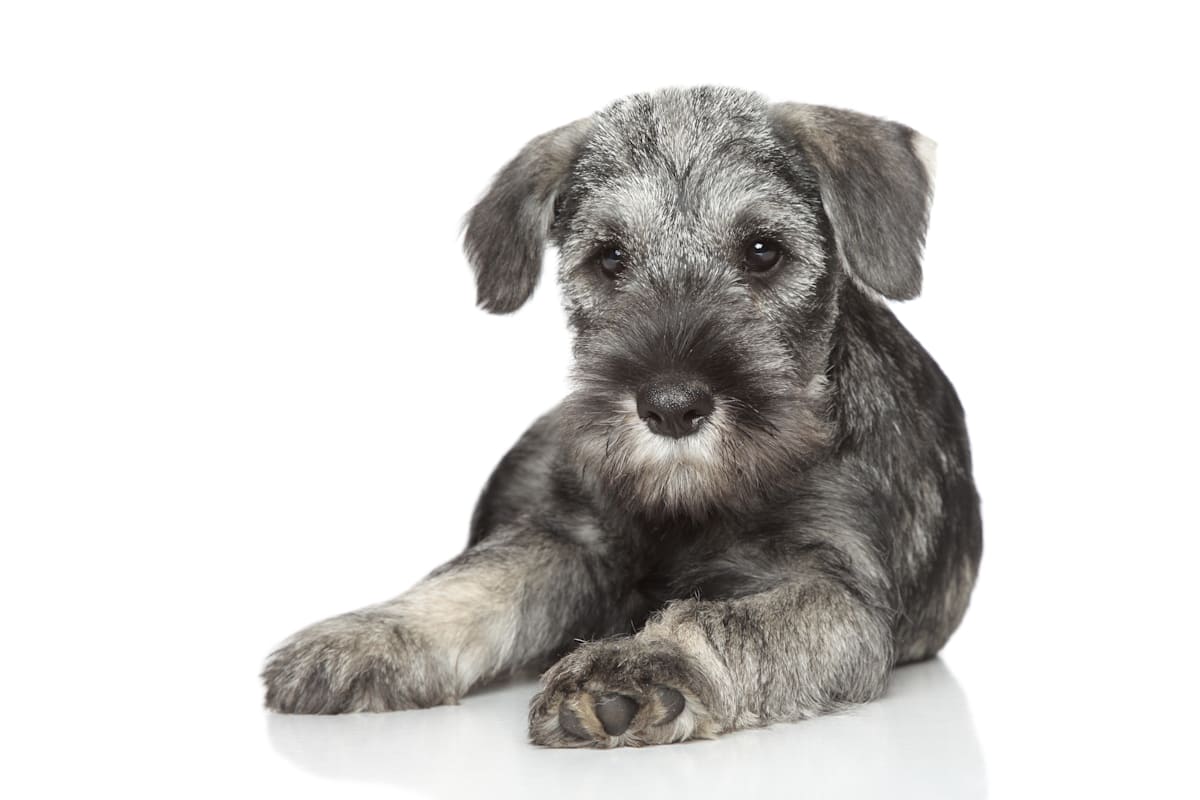
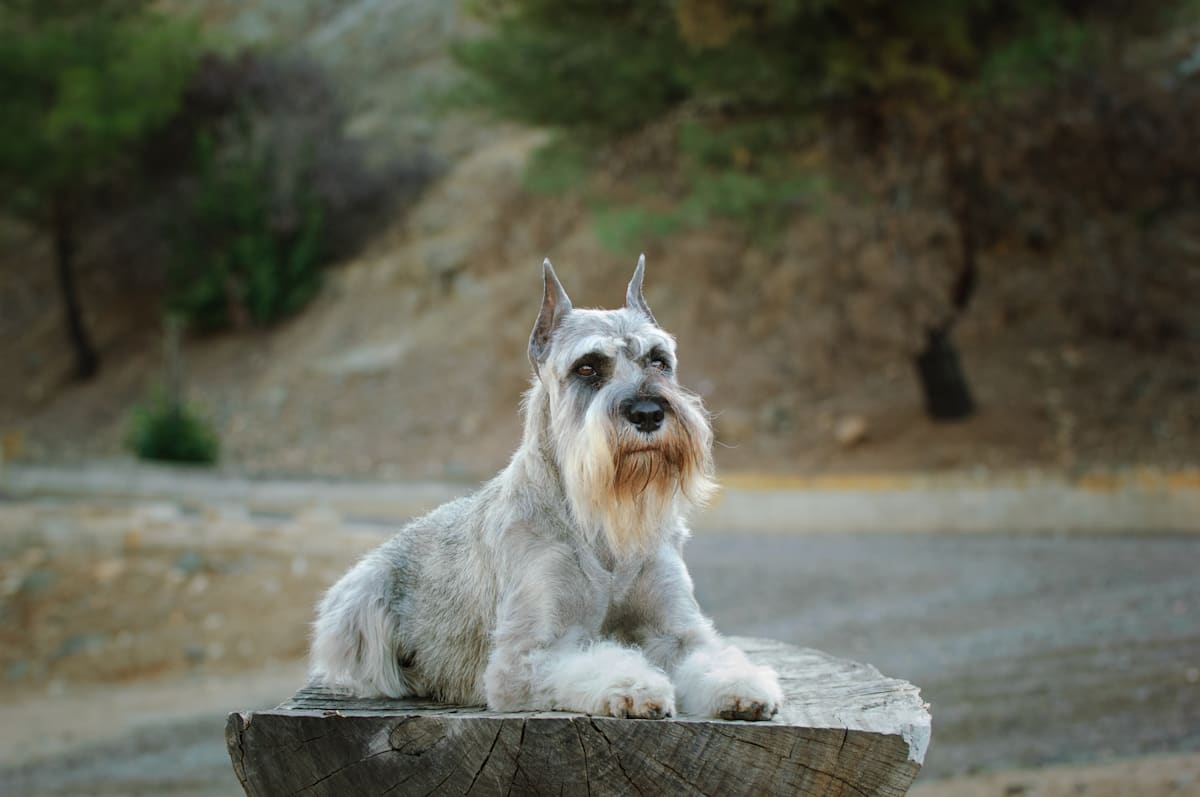
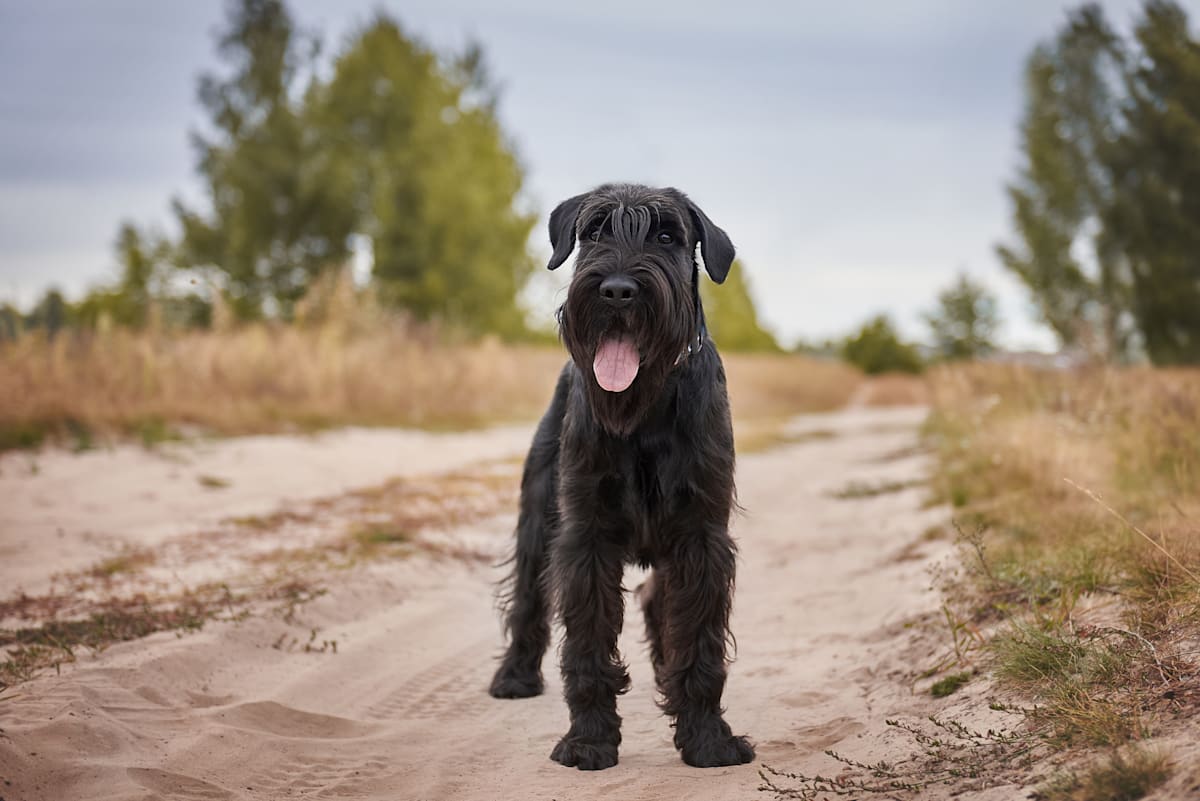
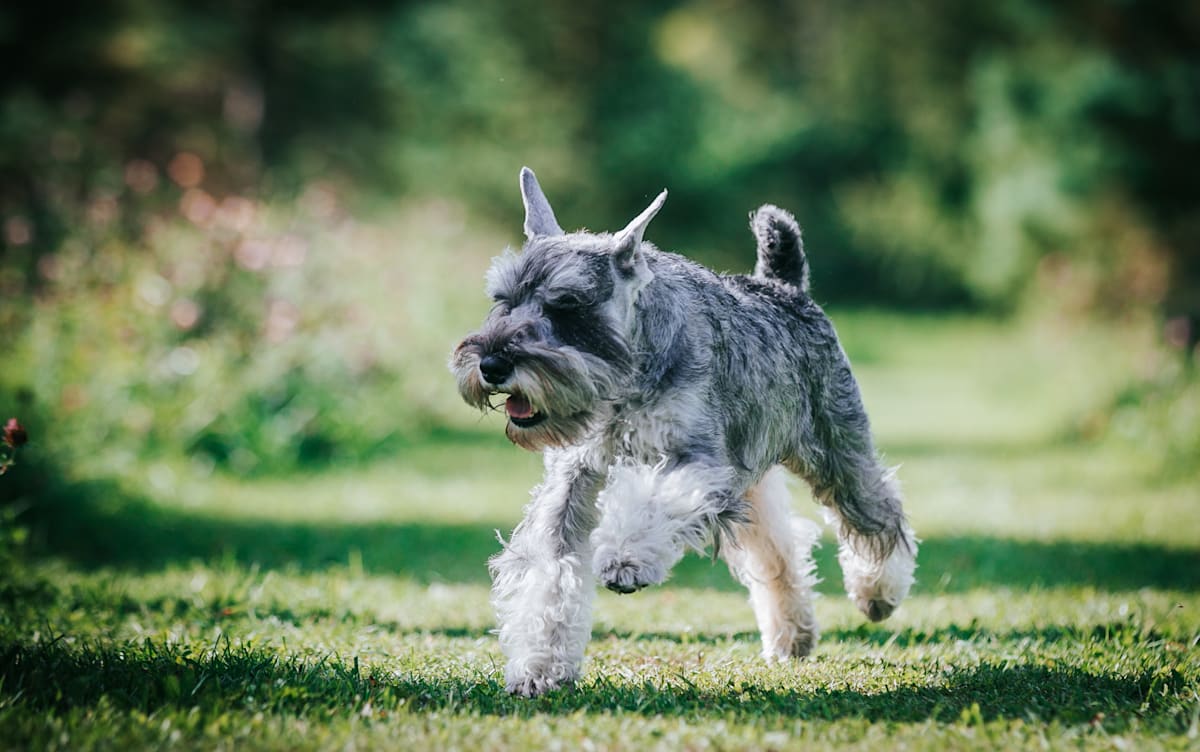
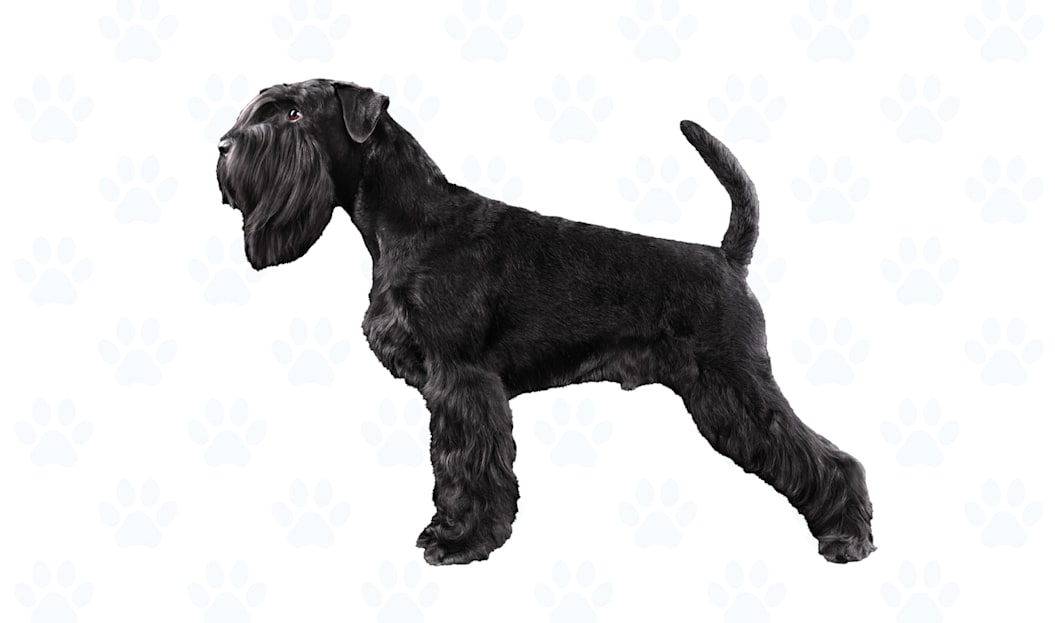
The Standard Schnauzer is a sturdy, hearty, medium-sized dog known for its characteristic beard and tight-fitting, wiry coat. The Standard Schnauzer has two namesakes: Schnauzer means “Whiskered Snout”, and the “Standard” differentiates this Schnauzer from its progeny, the Miniature and Giant Schnauzers. Depending on how the owner cares for the coat, whether it be hand-stripped (the preferred method) or clipped, its coat will either be thick and wiry or soft to the touch. Its body length to height ratio gives it a square build. Accepted colors include pure black or salt and pepper.
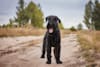
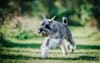
This breed can be found in a variety of colors. You can check them out below.
Standard Schnauzers are the medium-sized ancestors of both the Miniature and Giant Schnauzers. With such close kin, height and weight are key characteristics of Standard Schnauzers. Males measure between 18.5 and 19.5 inches at the shoulders and weigh between 35 to 50 pounds, while females measure between 17.5 and 18.5 inches tall and weigh from 30 to 45 pounds.
| Full Grown | |
|---|---|
| Female | 17 in. / 45 lbs. |
| Male | 18 in. / 50 lbs. |
Height is measured up to the shoulders.
Standard Schnauzers are the medium-sized ancestors of both the Miniature and Giant Schnauzers. Males measure between 18.5 and 19.5 inches at the shoulders, while females measure between 17.5 and 18.5 inches tall
Male Standard Schnauzers weigh between 35 to 50 pounds, while females measure weighing from 30 to 45 pounds.
Although Schnauzers first debuted as working dogs in the German countryside, they can comfortably settle into any home. As Schnauzers are high-energy dogs, it is essential to have an outlet for their excess energy. Trading open pastures for a backyard or time at the park is a welcome compromise for this breed.
The Standard Schnauzer is an energetic dog with incredible endurance, who must be given opportunities to release its energy. This energy, paired with the dog’s keen intelligence, makes it a perfect candidate for agility training. In fact, it’s for this reason that Schnauzers make fantastic show dogs.
If properly trained and socialized, Schnauzers are known to be excellent companions to their immediate family. They are also quite welcoming and open to meeting new people when introduced by their owner. Due to a sense of pride and dignity, a Standard Schnauzer does not mix well with everyone, particularly children who might tease it. A working dog by design, the Schnauzer tirelessly performs tasks with diligence.
Although medium in size, the Standard Schnauzer is an excellent home guardian. Schnauzers love to be a part of and guardian of a small family, but owners can increase this circle to include close friends if properly socialized. Strangers and door-to-door salespeople, however, will receive a barking welcome.

Being socialized early will ensure a bond between the Standard Schnauzer and the children of the immediate family. This sociability, however, is not often extended to all children. They are indeed friendly dogs, but their high sense of self-worth isn’t compatible with children unaccustomed to interacting with dogs. As such, supervision is recommended.
Bred and revered for their intelligence, Schnauzers learn quickly and rarely forget a lesson. Due to its intelligence and commanding personality, a Standard Schnauzer will bend the rules as much and as often as it is allowed. As such, it’s recommended that owners assert their dominance with a firm but gentle hand, and challenge their dog intellectually.
The Schnauzer requires basic maintenance like all dogs, but special attention can and should be paid to its coat. The Schnauzer has a double coat, meaning that the undercoat is soft, while the outer coat is wiry and coarse. If the outer coat is clipped, it loses dirt and water resistance, while increasing shedding volume. If the outer coat is hand-stripped twice a year and brushing 2 to 3 times weekly, it will shed less, and retain the typical wiry appearance
The Standard Schnauzer is robust and well-suited for life outdoors in temperate climates. Despite their double coat, the Standard Schnauzer should not spend too much time outside in below freezing temperatures. Outdoor dogs with well-kept, hand-stripped coats will fare much better in the cold, but clipped, indoor dogs could have a difficult time. Owners should pay special attention to their Standard Schnauzers’ paws in chilly conditions and may consider buying a winter coat.
Boasting a commanding bark, intruders or unwelcome visitors will hear the Standard Schnauzer boom. It rarely barks without cause, however, so owners need not fear a noisy dog.
Faithful, intelligent, enthusiastic, and at times a comedian, a Standard Schnauzer is an excellent companion and family pet. One of the best parts of this breed is that they insist on being a part of the family as much as possible. If the owner is going for a hike, their Standard Schnauzer is sure to follow suit. As they were bred for farm work, it is essential to provide a lot of exercises and mental stimulation to keep them in good spirits.
Although this breed has a surprisingly loud bark, they rarely do so without cause. Standard Schnauzers love to play the guardian and will alert their owner of something they deem suspicious. As with many dogs, proper training can easily prevent excessive barking.
Due to their incredible intelligence, teaching Schnauzers is no problem at all, but training them can be difficult for novice dog owners. While being trained, they often quickly grasp an activity or exercise with very few repetitions. In fact, a common problem is over-training. A proud breed, they have little patience for what they deem to be a waste of time, and instead of “learning” what they already know, they opt to stare blankly at their trainer until they’ve finished “training” the Schnauzer. A drawback of this intelligence is that owners must maintain a firm, gentle approach when training and dealing with their Schnauzer, or risk having their Schnauzer rule the home.

Bred for the fields and barn work, the Standard Schnauzer loves and needs a lot of exercise to stay healthy. An incredible work ethic paired with razor-sharp wits means that owners must stay on top of providing outlets for the Standard Schnauzer’s pent-up energy. Agility training is a popular choice among owners to continually challenge their pet, but as long as the Standard Schnauzer is kept active and involved, something as specialized as agility training isn’t necessary.
Frisky, energetic breed that is always ready for action
Schnauzers are an energetic breed, so if they do not receive sufficient exercise, or if they are overfed, they have a propensity to become overweight. Offer portion-controlled meals of a balanced diet and avoid offering table scraps or too many treats. Too many goodies will quickly pack on unnecessary pounds.
Average daily consumption for an adult Schnauzer is 1.5 - 2 cups
Although Miniature and Giant Schnauzers tend to develop a variety of heart, skin, or urinary conditions, the Standard Schnauzer is not predisposed to many of these conditions. Dilated cardiomyopathy (DCM), however, is a heart condition that is inherited in Standard Schnauzers. DNA testing is available for this conditions, and is often performed by responsible breeders prior to breeding in order to decrease the incidence of this condition within the breed.
Even if your Standard Schnauzer appears to be healthy at home, do not skip routine visits to the veterinarian. Your veterinarian has been extensively trained to detect subtle changes in your Schnauzer’s health before they become bigger (and potentially more expensive) problems.
Generally speaking, the Standard Schnauzer is a healthy dog. As with any breed, certain health conditions occur in Standard Schnauzers at an increased frequency, often as a result of inheritance. These may include, but are not limited to, the following conditions: Follicular dysplasia, Lipomas, Cataracts, Retinal dysplasia, Retinal degeneration, Distichiasis and Dilated cardiomyopathy (DCM).

On average, the Standard Schnauzer lives to be 13-16 years old.
The Standard Schnauzer is famous for its wiry, double-coat of either black or salt-and-pepper. To maintain the wiry coat and minimize shedding, having their coat hand-stripped 2 to 3 times a year and maintained with 2-3 brushings a week is the best approach. This is also best to maintain the water and dirt resistance of the Standard Schnauzer’s coat. A clipped coat will shed more, but it will also be much softer.
Short to medium
Frequent
There is sometimes a misconception that the Standard Schnauzer is hypoallergenic, but this is not true. Although they shed much less than some breeds, they still shed. Regular brushing helps to reduce shedding, but the best way to prevent moderate shedding is to have their coat hand-stripped. However, this requires time, patience, and diligence.
First bred in the middle-ages, the Schnauzer is Germany’s iteration of a Europe-wide quest at the time to breed the ideal, well-rounded farm-dog. Their tasks included herding, guarding, hunting, and scaring off rats. It wasn’t until the advent of European dog shows in the late 19th century that the Standard Schnauzer became coveted as something other than a farm dog. It was in fact due to their rigorous work ethic, and attention to detail honed and bred in the countryside, that this breed excelled in shows. After the Standard Schnauzer achieved mainstream popularity, breeders began working on what we now call the Miniature and Giant Schnauzer. Today, dedicated clubs and rescue organizations have ensured the health, popularity and integrity of the Standard Schnauzer and its progeny.