






About Breed
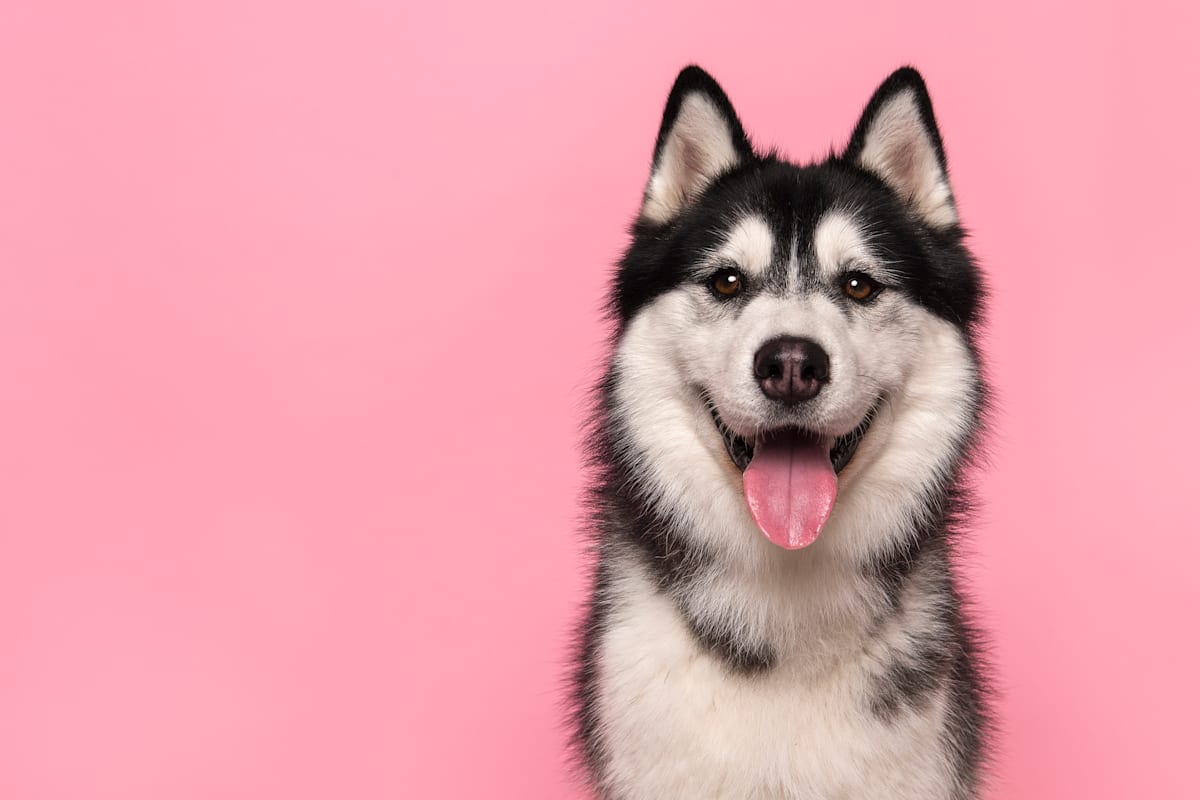
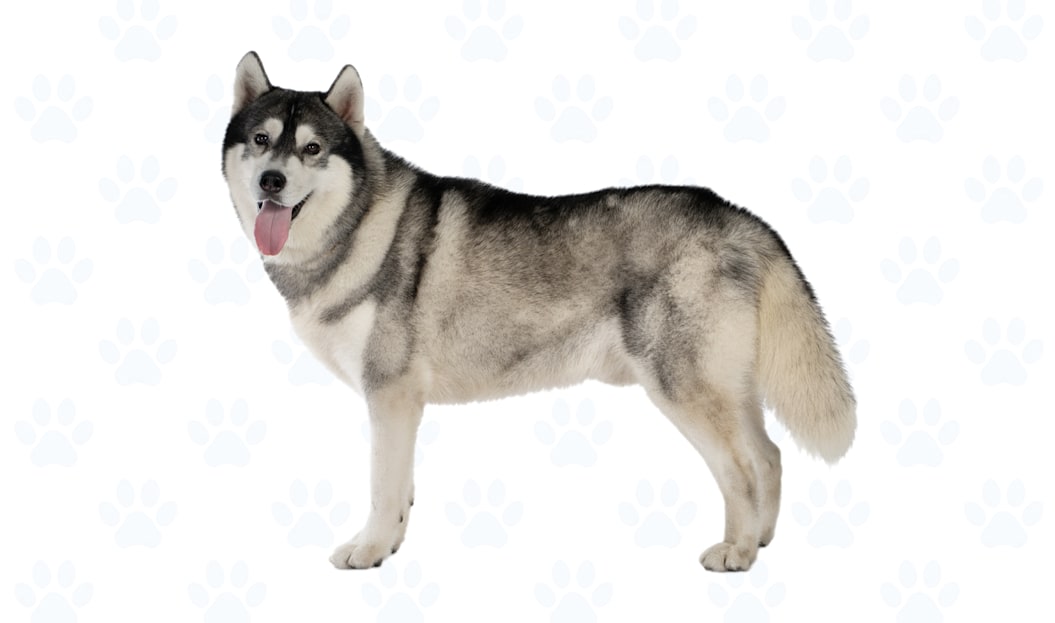
Siberian Huskies are medium-sized working dogs made famous by their sled-pulling exploits in Alaska and elsewhere around the world. They are a friendly, loyal breed that easily integrates into a loving human family. They are usually healthy and strong animals with some incidence of genetic disease. Siberian Huskies have almost boundless energy, so prospective owners should be able to commit to a vigorous exercise regimen.
Origin: Siberia
Other Names: Husky, Sibe
Working Group
Dogs of the AKC Working Group were bred to perform important jobs such as guarding property, pulling sleds, and conducting water rescues. Throughout history, these dogs have been invaluable partners to humans. Breeds like the Doberman Pinscher, Siberian Husky, and Great Dane are part of this group. Intelligent and quick to learn, they can be excellent companions, but their large size and strength require consistent training and may not be suitable for every household.
Breed Appearance
Size & Weight
Siberian Husky Characteristics
- Size & Coat
- Lifestyle
- Training & Behavior
Size
Tiny
Jumbo
Weight
Light
Heavy
Shedding
Minimal
Abundant
Coat Length
Short
Long
Grooming Frequency
Occasional
Frequent
Living Space
City apartment
Ranch
Exercise
Couch potato
Bring it on!
Climate
Warm
Cold
Personality
Antisocial
Outgoing
Protection
None
Bodyguard
Behavior with Kids
Always monitor
Babysitter
Training
Headstrong
Obedient
Barking
Mute
Loud
How to Care for a Siberian Husky
Coat & Grooming: Regular grooming is key to keep your Siberian Husky looking great. They shed a lot given their Arctic upbringing, so be sure to invest in a good brush and vacuum if you want to become a Siberian Husky owner. Their coat evolved to protect them from extremely cold weather, so it can grow to be very thick and dense.
Coat length: Medium
Grooming: Frequent
Shedding: As a cold-weather breed, Siberian Huskies have a thick warm undercoat to keep them warm in the cold northern winters. If you are lucky enough to live in Alaska, your Siberian Husky won’t shed much during the year. For the rest of us, expect to do a lot of vacuuming and brushing to keep the dog hair at bay. Siberian Huskies do well with professional grooming to help to keep their coat in good shape. They “blow out” their coat twice a year and shed heavily as the seasons change.
Training: Siberian Huskies are difficult to train without the proper patience and the right approach. They have a strong pack instinct and typically respond only to directions from“alphas.” If you don’t have a lot of experience training dogs or you’ve never owned one, don’t choose this breed to start. While they are stunningly beautiful, Siberian Huskies are a lot of work when it comes to training and exercise. Positive reinforcement works well with Siberian Huskies. They need obedience training early in life to promote good habits and learn the ropes of living with humans.
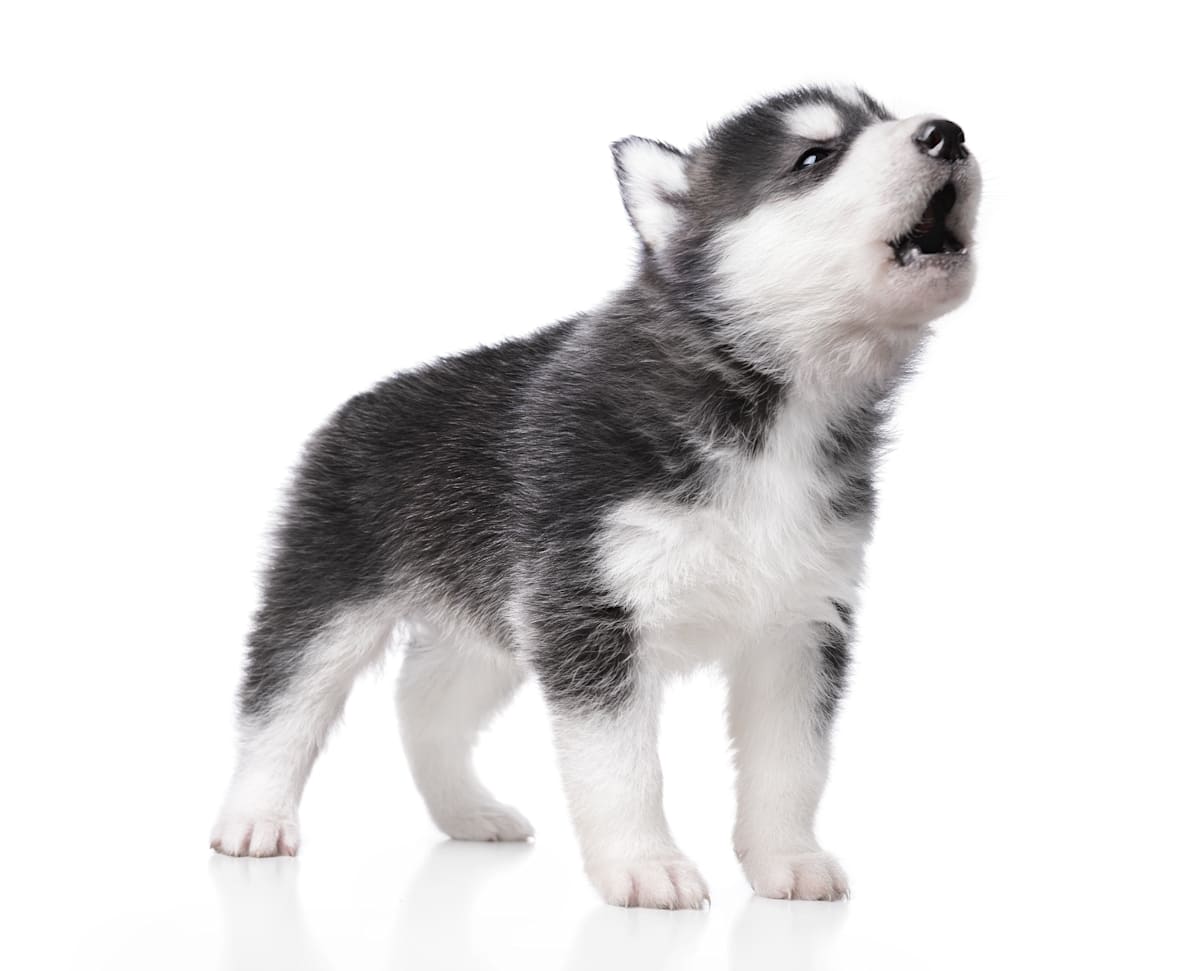
Barking: Siberian Huskies are howlers more than they are “barkers.” Many members of the breed will rarely or never bark at all. Many Siberian Huskies love to howl at passing distractions or to simply pass the time when they are bored. They can be melodramatic, especially during training and obedience lessons. Don’t expect “alarm” barks when a stranger comes onto your property. Proper training and giving your Siberian Husky enough attention should hopefully curb their tendency to howl the night away.
Personality: Siberian Huskies are a great family dog with the proper training. They are loyal, alert, and playful. You might even call them mischievous, since they are great at escaping and getting into trouble when left alone. Most Siberian Huskies retain their pack animal mentality from their ancestors, so you need to be assertive and confident when you speak to this breed. Without a strong personality to match, you might have a hard time training your Siberian Husky.
Temperament & Behavior: Siberian Huskies are friendly and gentle with an outgoing personality. They don’t like being left alone, indoors or outside, for too long. Many Siberian Huskies will perform a Houdini act on their enclosures, reportedly even jumping fences over 8 feet high. They will dig under or go through fences that they can’t just leap straight over. Siberian Huskies are highly social animals and need a lot of love and companionship to thrive. They are pack animals with a strong sense of hierarchy. Not overly suspicious, Siberian Huskies might make friends with intruders before they act like a regular guard dog.
Behavior with kids: The early ancestors of the Siberian Husky were fully-integrated into aboriginal life in cold climates. They can get a little rowdy and excited at times, so be sure to supervise with any small children around. Kids love Siberian Huskies, and this breed is happy to make fast friends with everyone they meet.
Protection: Siberian Huskies are very protective of their owners. In the days of long sled rides and rough winters, early Alaskan settlers loved this breed not only for transportation but also protection. They can be overly protective of their family, but they make for a great alarm system for your property. They have a strong prey drive and are always looking out for trouble on the ranch.
Life span: On average, Siberian Huskies live to be about 12-14 years old.
Inherited health issues: Siberian Huskies are hardy, mostly healthy dogs. But like all breeds, they can have some genetic problems, and problems that are not necessarily inherited but occur more frequently. If you’re looking for a Siberian Husky puppy, talk to the breeders you’re interested in working with to find out whether they routinely look for genetic issues in their breeding stock, and remove animals from their breeding program before they pass on issues to offspring. These conditions may include, but are not limited to, the following: Vogt-Koyanagi-Harada-like syndrome, Follicular dysplasia, Zinc-responsive dermatosis, Cancer, Epilepsy, Cataracts, Pannus, Progressive Retinal Atrophy, Glaucoma and Laryngeal paralysis.
Preventive care: Siberian Huskies don’t have the orthopedic problems that many medium- and large-breed dogs have, however they do have quite a few inherited eye problems. One of the best ways to prevent these problems is to stop them before they start. This means never breeding affected dogs. Reputable breeders should have their breeding dogs’ eyes screened by a qualified veterinary ophthalmologist, who can determine if there are any hereditary defects present.
Some eye diseases can be made worse by exposure to ultraviolet light – pannus, or chronic superficial keratitis, is one such disease. Many ophthalmologists believe that protecting the eyes while outside with special canine goggles (“doggles”) can prevent these diseases, or at least slow progression.
Because Huskies are extremely active dogs, they will benefit from a high quality diet that is nutrition-dense. Huskies may need more daily calories than other dogs their size, because they are athletes, so keep this in mind when figuring out portion size. Monitor your dog’s weight carefully, and get your veterinarian’s help in determining what is ideal.
Daily Consumption: Average daily consumption for an adult Malamute is 1.5 - 2 cups
Energy Level: Frisky, energetic breed that is always ready for action
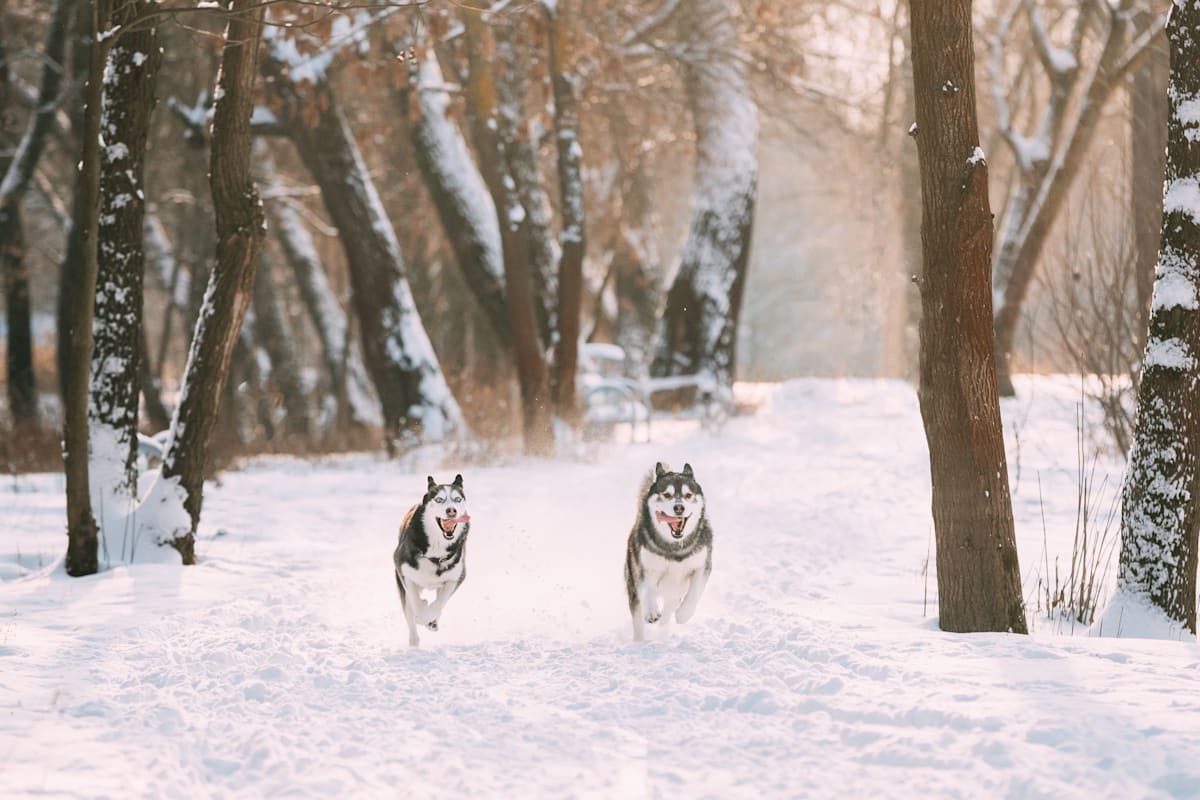
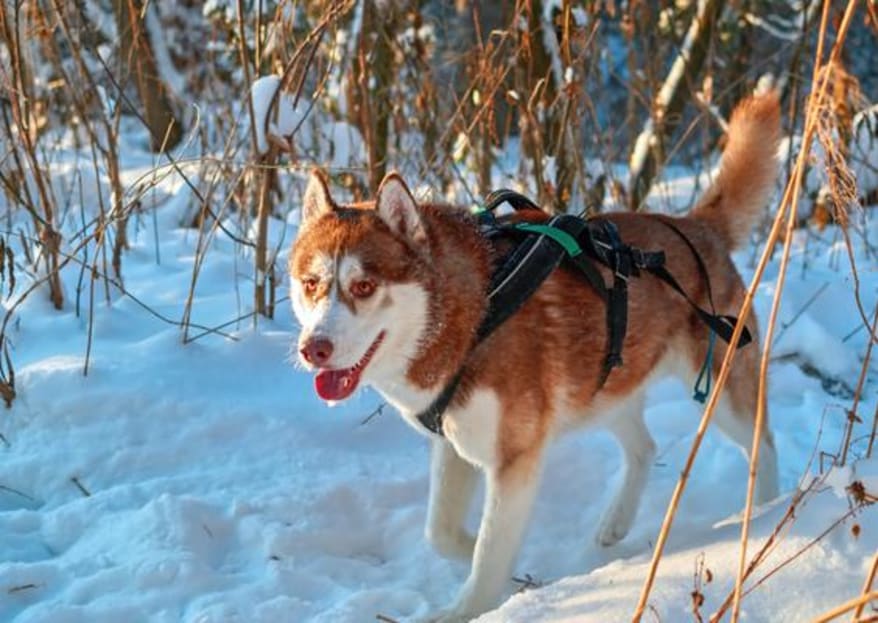
Exercise: Siberian Huskies are very active dogs meant for a life of outdoor thrills and long sled drives. They might seem to have boundless energy, but they will calm down with enough exercise. Consider a pull cart or weight harness to increase the workout intensity if you can’t take them out for hours of running each day. If you plan to keep your Siberian Husky outdoors, invest in a tall fence with good digging protection. Siberian Huskies are notorious for breaking out of enclosures and getting into trouble when left alone.
Overall, Siberian Huskies are very affectionate and loving dogs. They thrive in a pack or big family of loving companions. Always keep your Siberian Husky on a leash when outdoors, since they have a strong prey instinct and will chase just about anything.
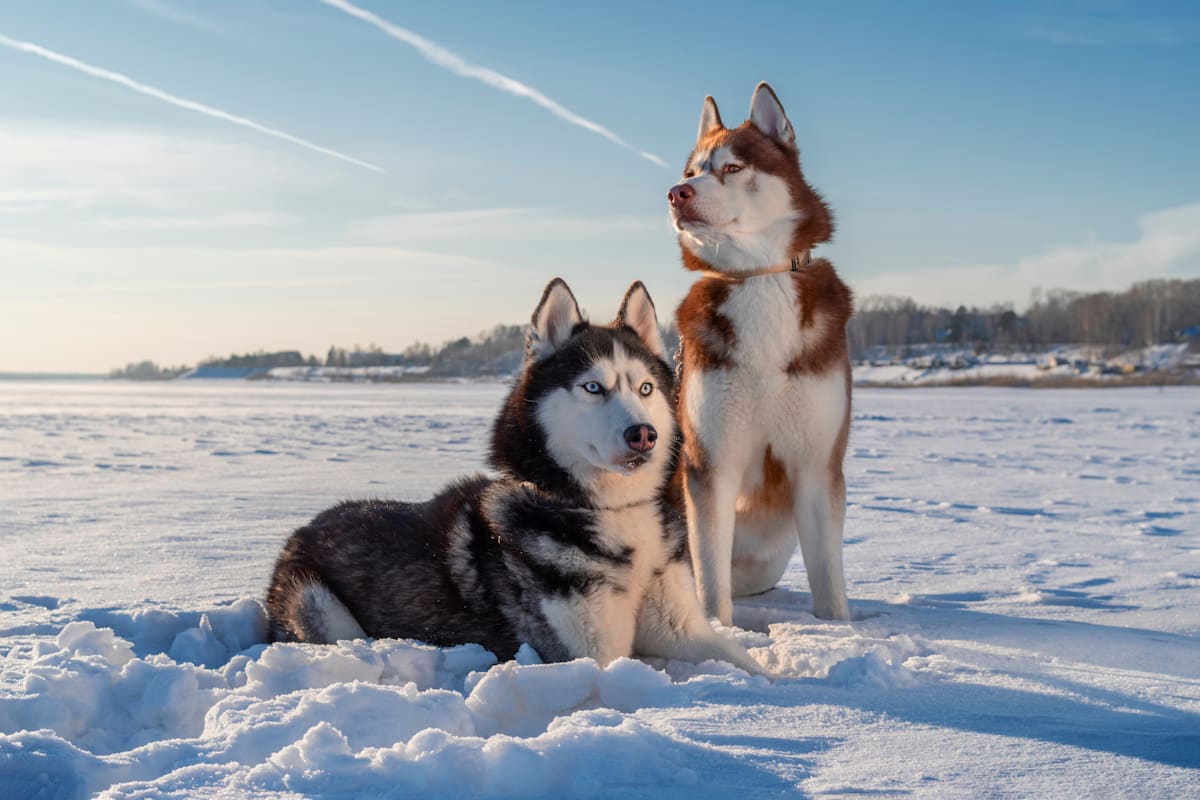
Climate: If the name didn’t give it away, you should know that this breed comes from a very cold climate. With a thick coat and a body that evolved to thrive on the frozen tundra, Siberian Huskies are built for cold weather. They are generally happy at warm temperatures too. Watch out for overheating in the summer sun.
Living space: Siberian Huskies need a lot of room to stay healthy and happy into their old age. These working dogs are used to pulling sleds across the tundra at a high speed, so they have a seemingly unlimited supply of energy. They are not good pets for people in small apartments or condominiums.
Cost of Owning
Unlock exclusive rewards with Vital Care, or enjoy up to 35% off essentials when you subscribe with Repeat Delivery.
Enjoy exclusive rewards every time you shop. Get member-only deals, points, and special offers designed to help you save more on what your pet needs.
Never run out of the essentials. Subscribe and get your pet’s favorites delivered on schedule—with up to 35% off plus the convenience of automatic refills.
Your love story starts here.
Find adoptable pets near you with a simple search.
Fun Facts
Siberian Huskies feature prominently in many Hollywood and TV projects. The most famous one is probably “Eight Below,” a story about a team of Huskies that save the day when they help an Antarctic scientist make it back to safety after a crippling accident.
Huskies are part of the Spitz family of dogs, who descended from wolves. Other Spitz cousins include the Malamute, Pomeranian, Chow Chow, Shar Pei, and many others.
Siberian Huskies save lives! In one famous case, a team of dogs braved a terrible winter storm to deliver medicine to a remote Alaskan town in the middle of a diphtheria outbreak in 1925. There is a bronze statue of one of these famous dogs called Balto on display in NYC’s Central Park to commemorate the event.
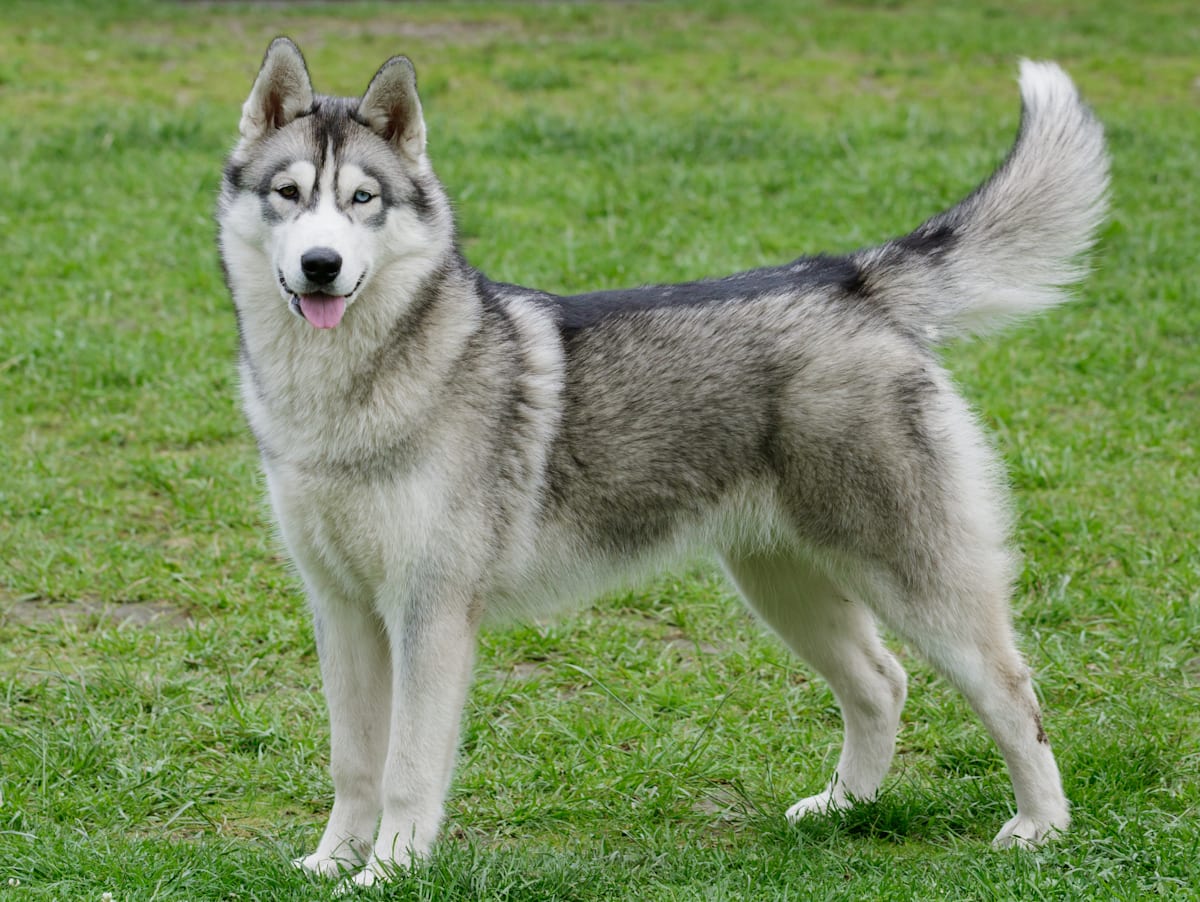
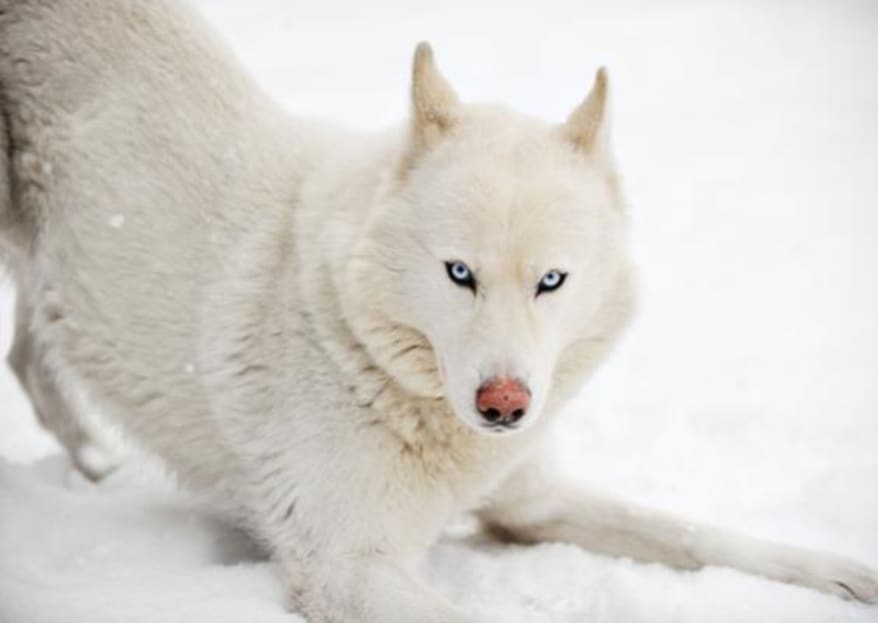
Do you know what heterochromia is? Siberian Huskies can often display this harmless condition where one eye is a totally different color than the other. Humans can have it, too! It’s often passed from one generation to another.