Petco Text Logo
Petco Pet Logo
Jump To Section

    About Breed

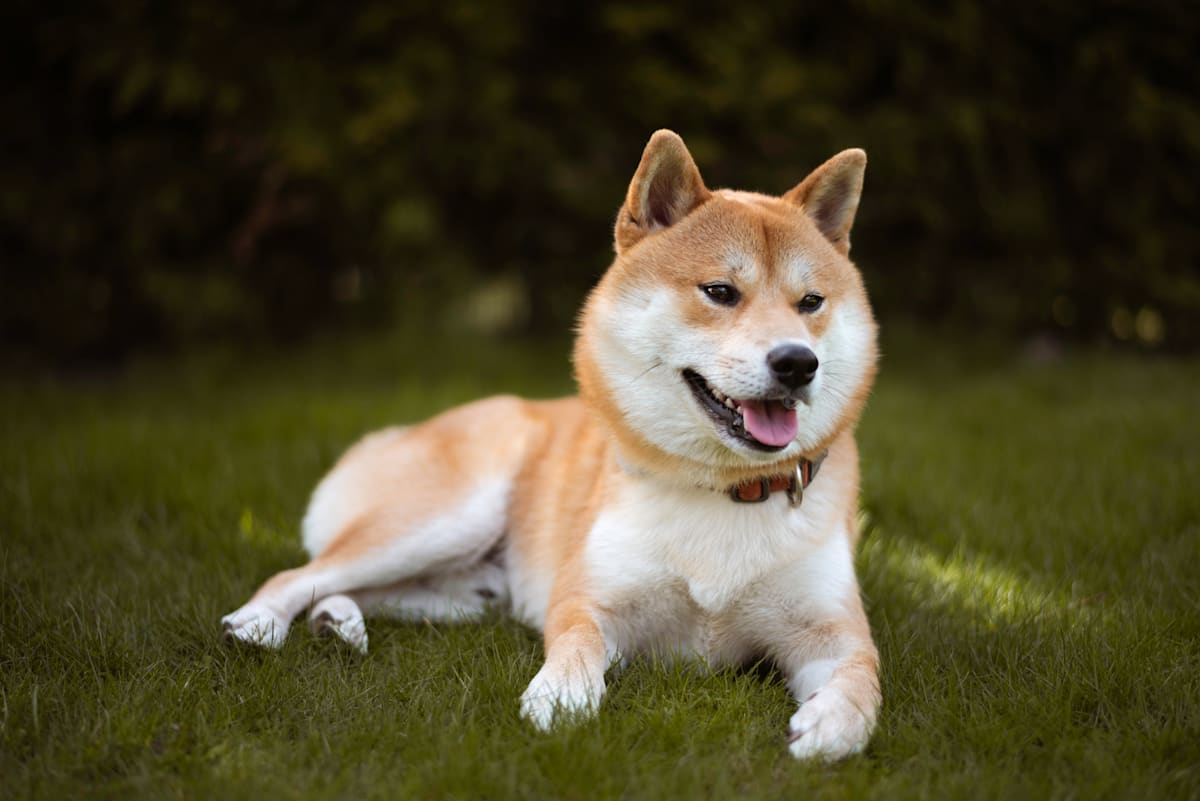
    This “internet-famous” breed is very popular in its home country of Japan, but it has a loyal following around the world. Small and agile, the Shiba Inu has a bold personality and lots of spirit. While they can be a bit reserved around strangers, they are very loyal to their family companions. With a storied history and a face that spawned a thousand memes, the Shiba Inu is a great breed if you are willing to put in the training time to temper an overactive prey drive and aggressiveness.

    Origin: Japan
    Other Names: Shiba, Doge, Japanese Shiba Inu, Little Brushwood Dog (translated)

    Non-Sporting Group

    Breeds in the AKC Non-Sporting Group are a varied collection in terms of size, coat, personality and overall appearance. Here are sturdy animals with as different personalities and appearances as the Chow Chow, Dalmatian, French Bulldog, and Keeshond. Some, like the Schipperke and Tibetan Spaniel are uncommon sights in the average neighborhood. Others, however, like the Poodle and Lhasa Apso, have quite a large following.

    Breed Appearance

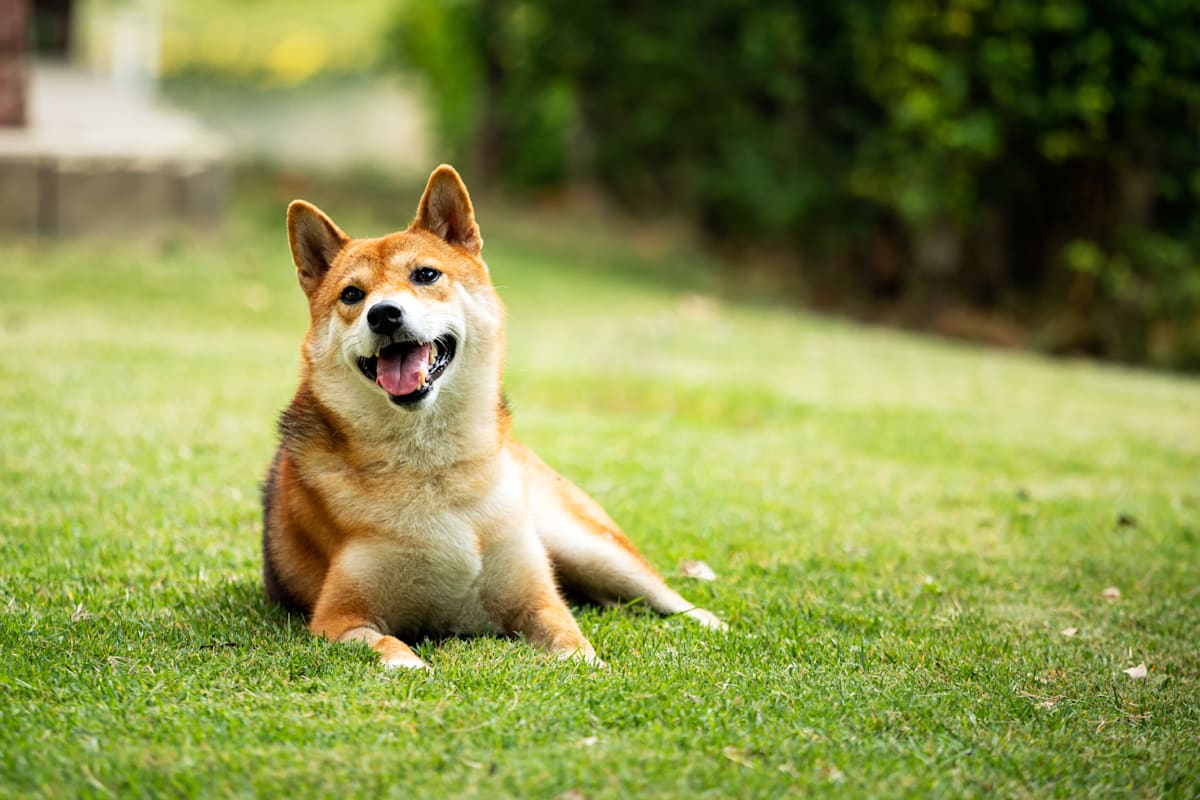
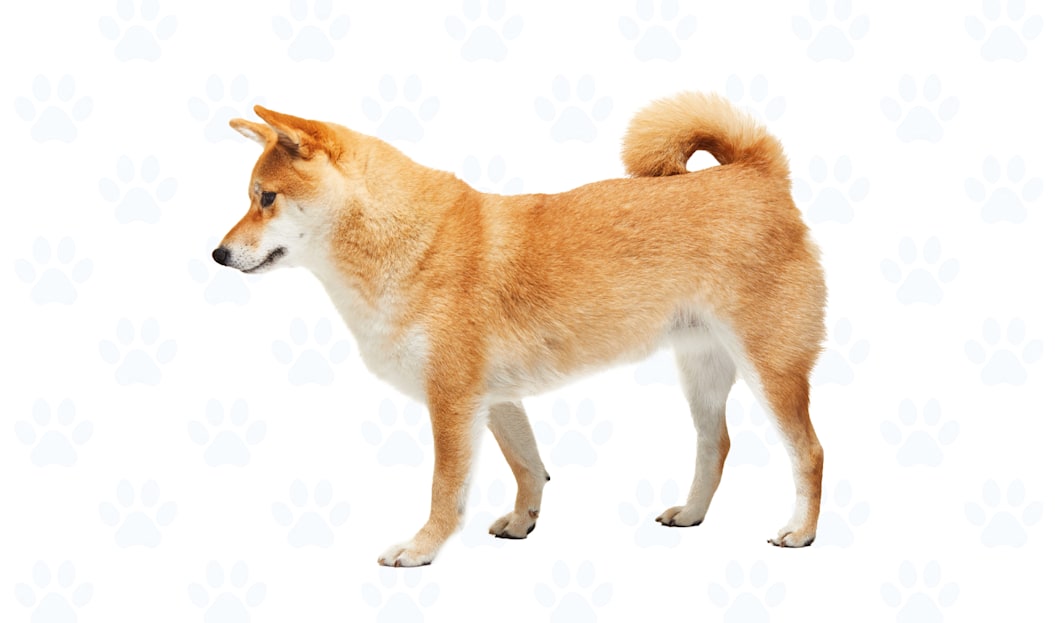
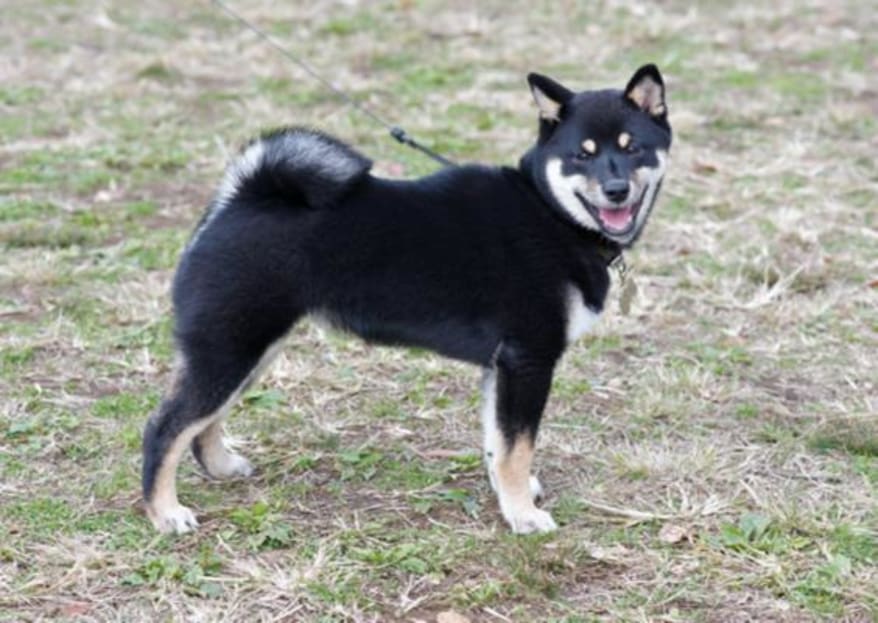
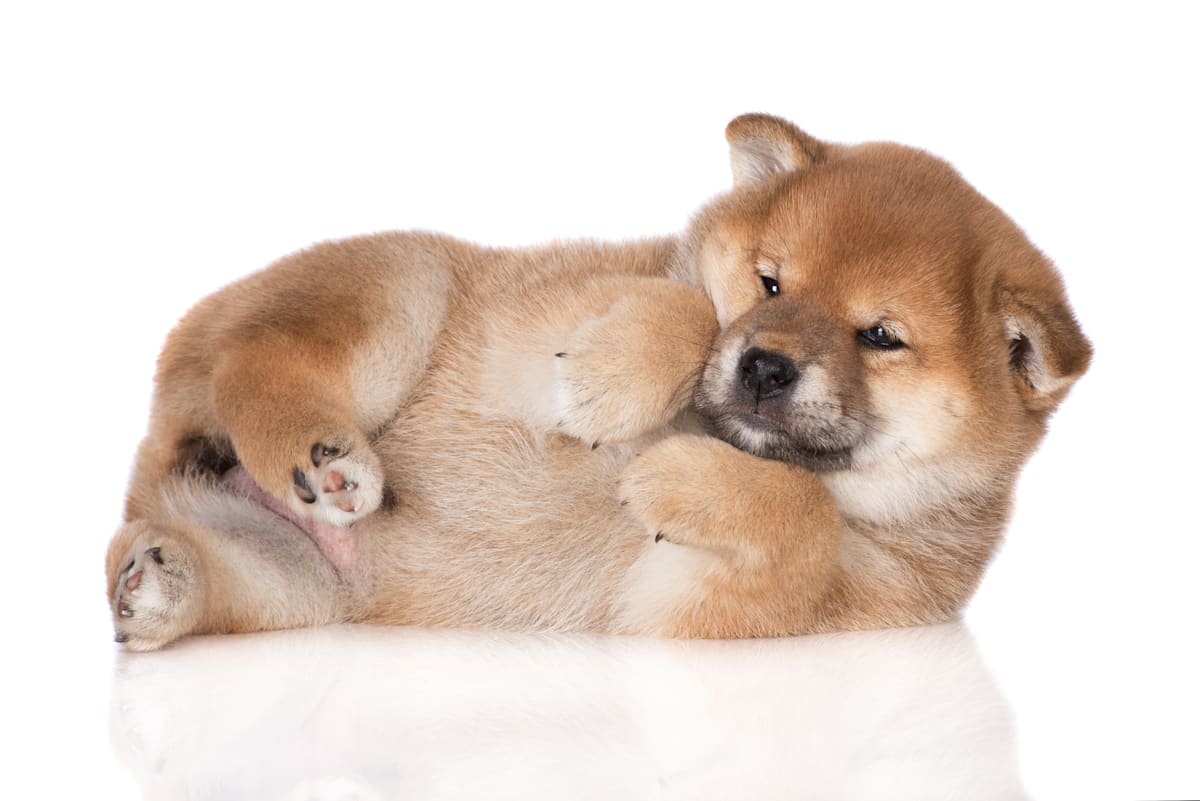
    The Shiba Inu has a muscular frame with a tight, compact build. They are extremely agile and quick on their feet. Some people say they are “catlike” in their movements. They have prick ears and small eyes set on their expressive faces. These Spitz dogs are often compared to foxes or stuffed animals in their appearance.

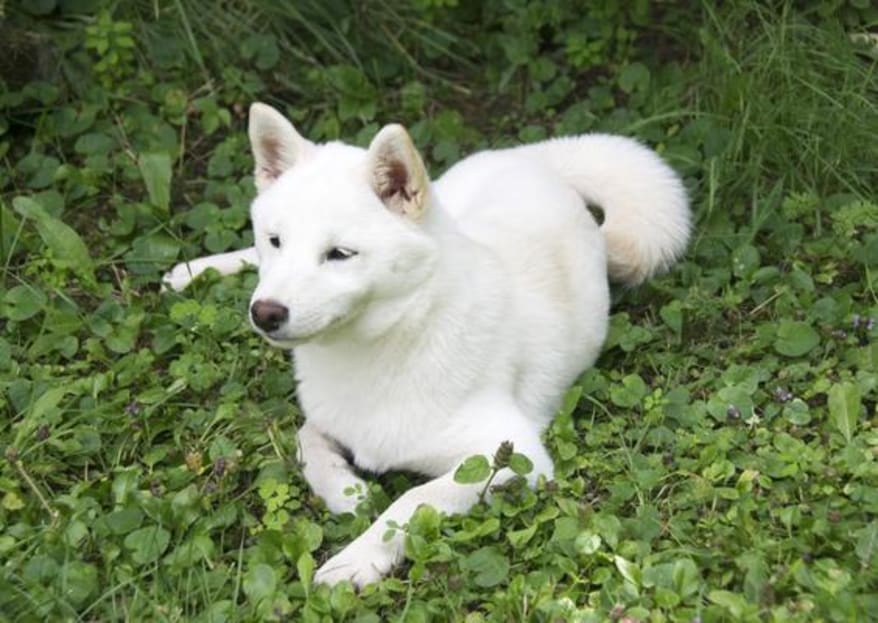
    The American Kennel Club (AKC) recognizes four coat colors in competition: black & tan, cream, red, and sesame. The standard markings are white fur on the muzzle, cheeks, inside ears, and under the jaw. You’ll often see Shibas with white markings on their throat, chest, and tail, too. In Japanese, these markings are called the “urajiro”.

    Size & Weight

    An adult male Shiba Inu can be described as a medium-sized dog. They typically stand about 13.5-16.5 inches tall at the shoulder. A well-fed Shiba Inu can weigh well over 25 pounds, but the healthy weight range is typically 17 to 23 pounds. Females are a bit smaller and lighter.
    Full Grown
    Female
    16 in. / 17 lbs.
    Male
    17 in. / 23 lbs.
    Height bar
    Female Pet
    Height Figure
    Male Pet
    Height is measured up to the shoulders.

    Shiba Inu Characteristics

    Size

    Tiny

    Jumbo

    Weight

    Light

    Heavy

    Shedding

    Minimal

    Abundant

    Coat Length

    Short

    Long

    Grooming Frequency

    Occasional

    Frequent

    Living Space

    City apartment

    Ranch

    Exercise

    Couch potato

    Bring it on!

    Climate

    Warm

    Cold

    Personality

    Antisocial

    Outgoing

    Protection

    None

    Bodyguard

    Behavior with Kids

    Always monitor

    Babysitter

    Training

    Headstrong

    Obedient

    Barking

    Mute

    Loud

    How to Care for a Shiba Inu

    Caring for a Shiba Inu means supporting their independent spirit while providing structure, activity, and consistency. With regular exercise, thoughtful training, balanced nutrition, and routine grooming and health care, these confident dogs can thrive as happy, well-adjusted companions.

    Coat & Grooming: The Shiba Inu is a very clean companion animal. They practice self-grooming and carry almost no unpleasant “dog odor” with them. When you perform your weekly grooming sessions, take a few extra moments to check their ears, eyes, nails, and teeth. If you start to see problems develop, you’ll want to intervene ASAP to keep your veterinary bills low and your dog happy and healthy.

    Coat length: Short to Medium
    Grooming: Frequent

    Shedding: Their thick double coat looks luxurious with proper care, but it tends to shed a lot seasonally. Make sure you brush them once per week during the low-shedding months and more often during peak “flying fur” times. Invest in good grooming tools and your job will be much easier. A proper grooming brush (or dog grooming glove) makes a big difference. Also, buy a good quality vacuum to clean up during the shedding season.

    Training: While many novice trainers find the breed a frustrating challenge, the Shiba Inu is very intelligent and quick-to-learn. The trick is maintaining their focus and attention on you. With such a strong independent mind and high self-importance, your Shiba is quick to ignore you if you lose their focus. Keep your training sessions short and to-the-point. It’s also good to introduce games to help them learn the proper way to play. Left alone, a Shiba Inu can become aggressive and focused on chasing prey about all else.

    Barking: Shibas aren’t overly loud or frantic barkers, but they are keen to express themselves to the world. As an emotional breed, they will often whine (or “Shiba scream”) when displeased or overstimulated. Proper socialization is key at an early age. It’s important to expose them to different people, animals, and environments to develop their confidence and resilience.

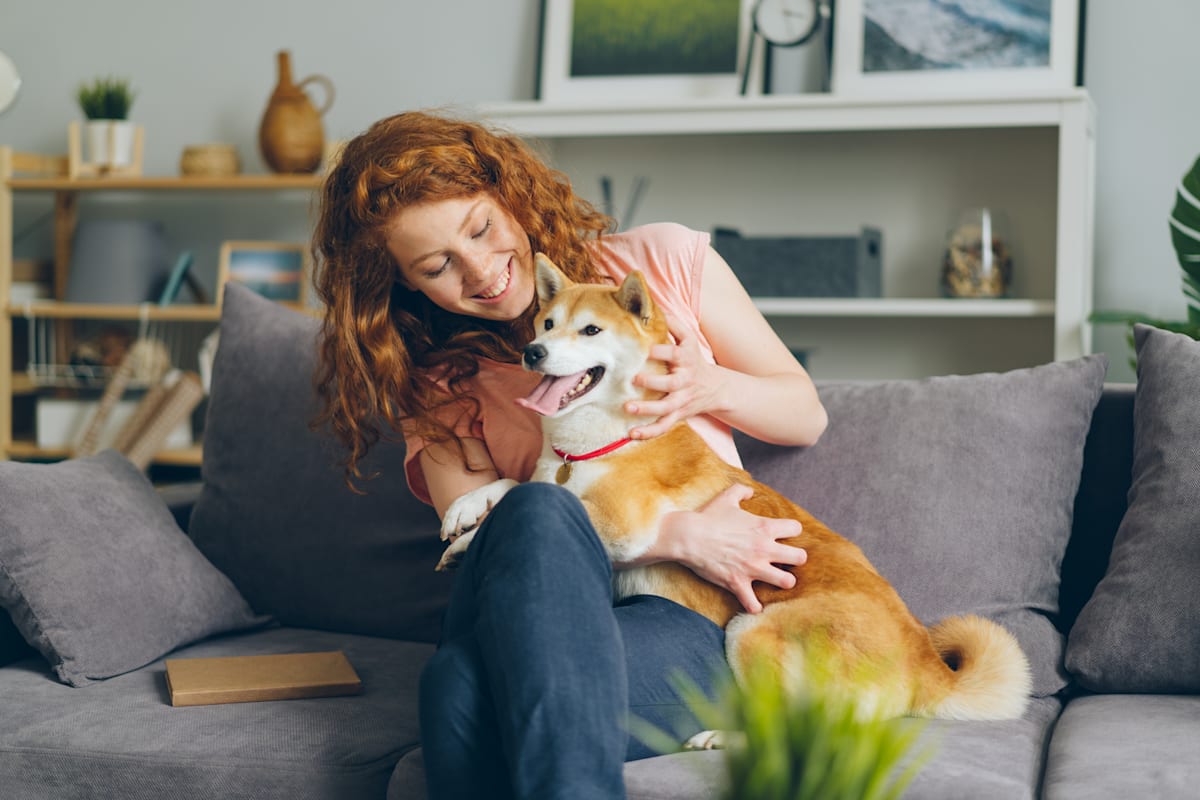
    Temperament & Behavior: With a strong personality and an independent streak, the Shiba Inu can be a force of nature. While they can show dog-aggression, your Shiba Inu will be a perfect companion animal, given the proper training and socialization. They are very possessive of their toys, and they tend to keep themselves clean. Some Shibas will exhibit strange grooming behavior, such as licking their paws like a cat. While they are reserved with strangers, they are affectionate and loyal when it comes to their friends and family. Shibas are very intelligent and emotional dogs –always give them the love (they feel like) they deserve.

    Behavior with kids: Very small children don’t make a good mix with your Shiba Inu since the breed can be a bit rambunctious when excited. After a good introduction, your Shiba Inu should warm up to older children. Always make sure you supervise your pets, and don’t be shy about instructing strangers about proper dog handling.

    Protection: When it comes to home protection, the Shiba Inu might not be the best choice. While they can be protective and possessive around the home, they are generally curious about strangers. Shibas aren’t guard dogs, but they might bark at nefarious-looking squirrels out the window. If you are hoping for a dog that will protect from intruders, you might consider a different breed.
    Life span: On average, Shibas live to be about 13-16 years old.

    Inherited health issues: As with any breed, certain health conditions can occur in the Shiba Inu at an increased frequency within the breed or can be inherited. Responsible breeders commonly perform genetic testing on their breeding dogs in an attempt to decrease the incidence of these conditions in future generations. These conditions may include, but are not limited to, the following: Glaucoma, Gangliosidosis, Heinz body anemia, Pseudohyperkalemia, Chylothorax and Atopy.

    Preventive care: The Shiba Inu is a generally healthy breed. Most of the health problems associated with Shibas in particular are relatively infrequent. Responsible breeders typically perform genetic screening tests on breeding dogs to decrease the frequency of these conditions in new puppies, but these tests are ineffective in preventing a condition in an individual dog.

    Routine preventative veterinary care is crucial to picking up on subtle changes before they become bigger problems. Regular use of flea and tick prevention, heartworm prevention, deworming medication, vaccinations, and wellness exams are all of the utmost importance in keeping your Shiba Inu in tip-top condition.

    Shibas are energetic little dogs and should be able to maintain a healthy body weight with proper feeding. Offering a high quality balanced diet fed in portion-controlled meals will help to keep your Shiba Inu in great condition. Avoid offering too many treats or table foods since this can quickly pack on the pounds.

    Daily Consumption: Average daily consumption for an adult Shiba Inu is 1/2 to 2/3 cups

    Energy Level: Frisky, energetic breed that is always ready for action

    Exercise: It’s very important to give your Shiba Inu ample opportunities to get out and play. They need a significant amount of exercise to stay healthy and happy. If you can’t devote enough time, don’t be afraid to rely on a dog walker to help out. While they are smart and learn quickly, they aren’t always interested in your commands. Obedience lessons and socialization are key to developing the right habits in your Shiba Inu. Don’t be surprised if your Shiba develops a possessive attitude towards their toys, bed, and their home in general. They don’t like to share!

    Climate: The Shiba Inu found its calling as a mountain climber and hunting dog in ancient Japan. They are built for working outside, so they typically stand up well to any climate. In extreme cold or hot weather, it’s important to keep a close eye on your dog. If you see extreme panting or shivering, it’s time for a break. If you live in a very cold climate, it’s never a bad idea to invest in some stylish outerwear for your Shiba Inu.

    Living Space: As long as you can provide a good daily exercise regime, your Shiba Inu can adapt to apartment living. While it’s better to have a house with a fenced in backyard, but it’s not impossible to keep a Shiba Inu happy in a smaller space. Just beware of long isolation periods and make sure you get your walks in.

    Cost of Owning

    On average, owning a middle-aged Shiba Inu costs around $1000 per year
    $300
    Vet Care
    $200
    Grooming & Boarding
    $300
    Food & Treats
    $200
    Other

    Unlock exclusive rewards with Vital Care, or enjoy up to 35% off essentials when you subscribe with Repeat Delivery.

    Enjoy exclusive rewards every time you shop. Get member-only deals, points, and special offers designed to help you save more on what your pet needs.

    Never run out of the essentials. Subscribe and get your pet’s favorites delivered on schedule—with up to 35% off plus the convenience of automatic refills.

    Your love story starts here.

    Find adoptable pets near you with a simple search.

    Fun Facts

    The Shiba ascended into internet history as one of the earliest picture-based “modern memes” from online message boards. The “doge meme” features a photographed Shiba Inu with nonsensical inner-monologue captions such as “wow”, “concern”, “much noble,”and “so respect.”

    The Shiba ascended into internet history as one of the earliest picture-based “modern memes” from online message boards. The “doge meme” features a photographed Shiba Inu with nonsensical inner-monologue captions such as “wow”, “concern”, “much noble,”and “so respect.”

    Shiba Inus are the most popular breed in Japan by a significant margin.

    Shiba Inus are the most popular breed in Japan by a significant margin.

    The Japanese have three words to describe the core essence of the Shiba Inu. “Kan-I”means alert and brave. “Ryosei” means loyal and pleasant. “Soboku” means effortless beauty. That sums them up pretty well!

    The Japanese have three words to describe the core essence of the Shiba Inu. “Kan-I”means alert and brave. “Ryosei” means loyal and pleasant. “Soboku” means effortless beauty. That sums them up pretty well!

    There are many “internet famous” Shibas in the world. Mari the Shiba has her own YouTube channel. Bodhi has a loyal following as “the Menswear Dog.” Japanese internet posters produce thousands of Shiba pictures and videos every year, especially around the time of Japanese National Dog Day.

    There are many “internet famous” Shibas in the world. Mari the Shiba has her own YouTube channel. Bodhi has a loyal following as “the Menswear Dog.” Japanese internet posters produce thousands of Shiba pictures and videos every year, especially around the time of Japanese National Dog Day.

    History

    The Shiba Inu hails from the island of Japan (along with the Akita and many other distinct breeds). The name comes from “brushwood” and “dog” in Japanese. Genetic researchers refer to the breed as a “basal breed” with deep genetic variation from other modern dogs. Shibas found work in ancient Japan as hunting dogs for small game such as fish, birds, and rabbits. During the Second World War, the breed faced extinction from both wartime food shortages and a virulent distemper (hardpad disease) outbreak.

    The Shiba came to America in the postwar period courtesy of American servicemen’s families in 1954. It wasn’t until 20 years later that American breeders recorded the first Shiba Inu litter in 1979. The AKC recognized the Shiba Inu in 1992, and the breed moved from the Miscellaneous Group to the Non-sporting Group a year later. It remains popular throughout the world with loyal fans throughout Japan, Europe, and North America.

    Read More

    Sponsored