Petco Text Logo
Petco Pet Logo
Jump To Section

    About Toy Poodles

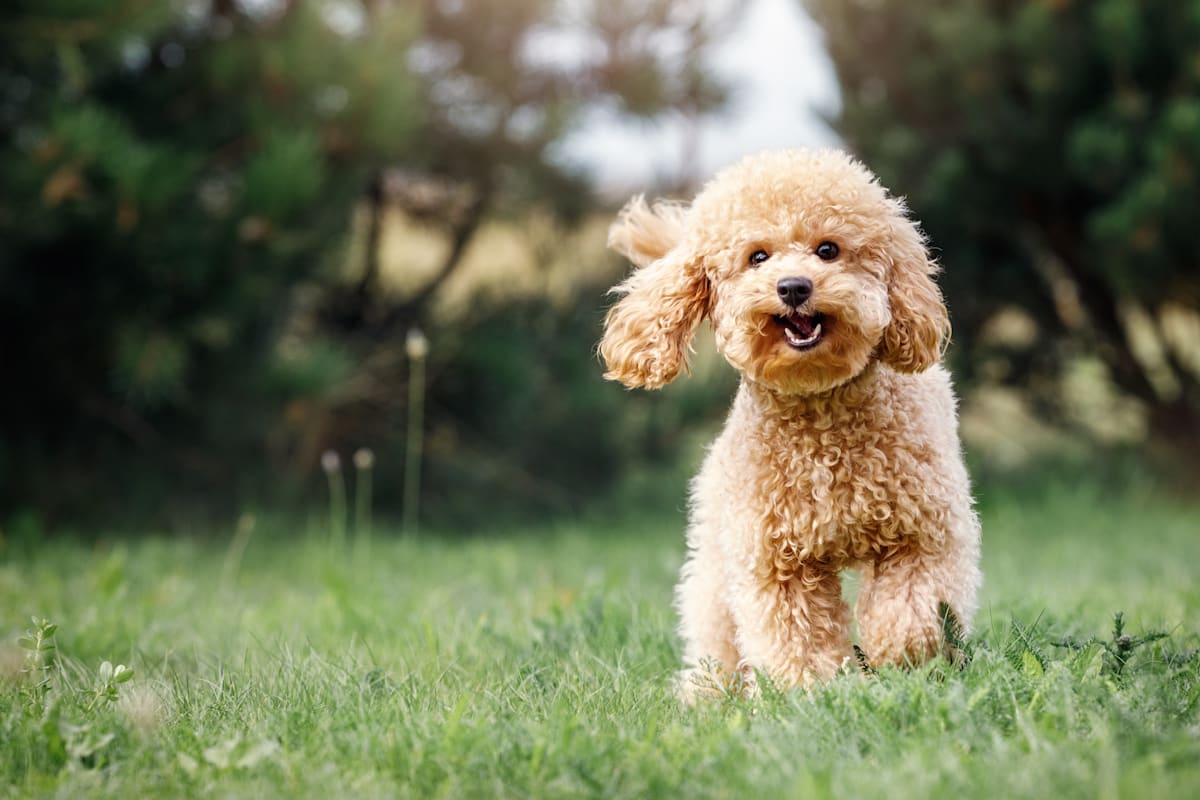
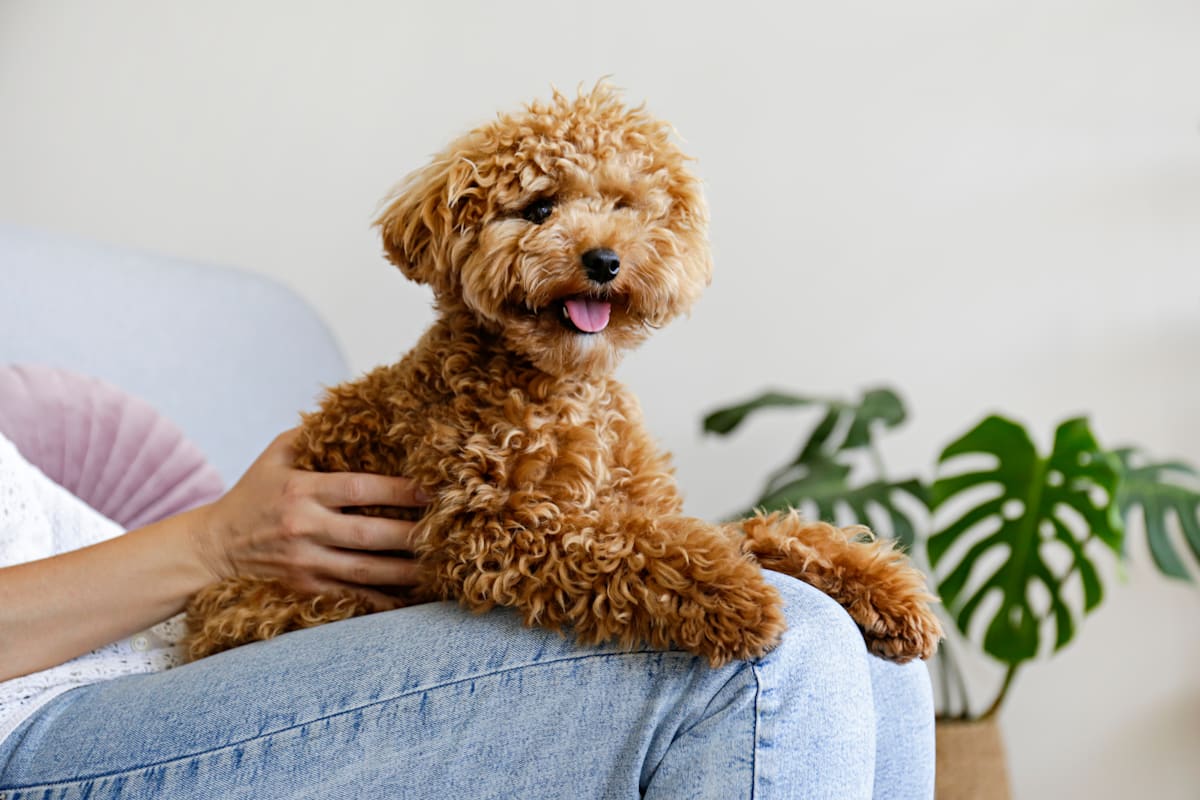
    Toy Poodles are tiny dogs with lots of personality. Poodles make great pets since they are intelligent, goofy, and hypoallergenic. They are easy to integrate into family life, and Toy Poodles are very cute and cuddly. With the right training and early socialization, they can be very well-behaved with good manners and a sunny disposition. If you have allergies or sensitivities to pet dander, consider how great life can be with a Toy Poodle to call your own.

    Other Names: Caniche, Barbone (en français)

    Toy Group

    The diminutive size and winsome expressions of Toy dogs illustrate the main function of this Group: to embody sheer delight. Don't let their tiny stature fool you, since many Toys are tough as nails! If you haven't yet experienced the barking of an angry Chihuahua, for example, well, just wait. Toy dogs will always be popular with city dwellers and people without much living space. They make ideal apartment dogs and terrific lap warmers on nippy nights.

    Toy Poodle Appearance

    The American Kennel Club (AKC) maintains the breed standard for all types of poodles. The main differentiation between Toy, Miniature, and Standard Poodles is the height. Poodles are active, squarely-framed, and elegant dogs. Poodles vary in size depending on the country and local standards, but the AKC recognizes Toy Poodles as 10 inches or shorter for show competition.

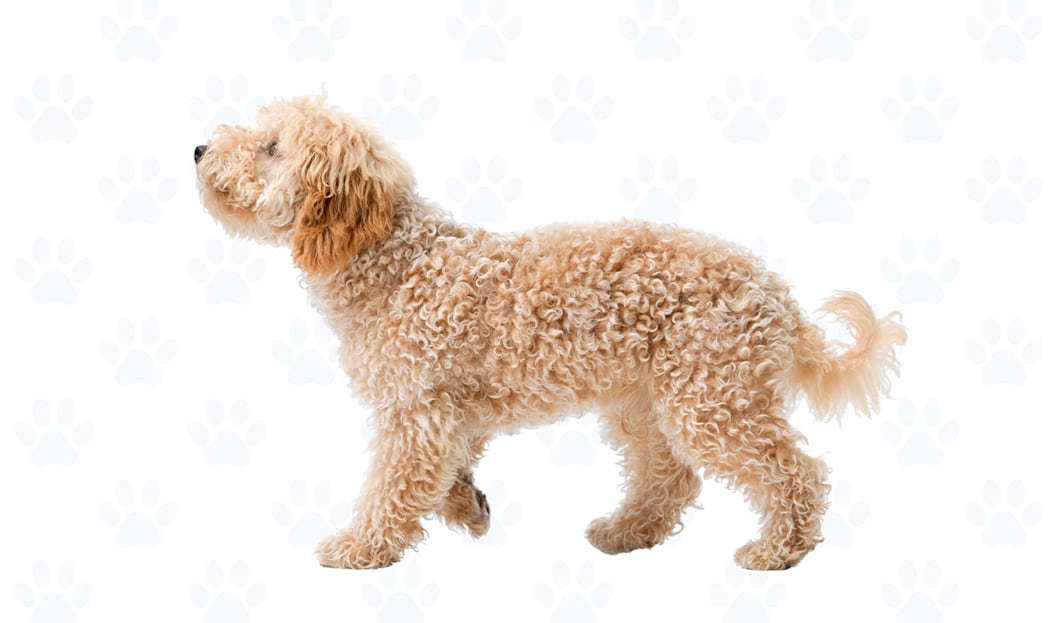
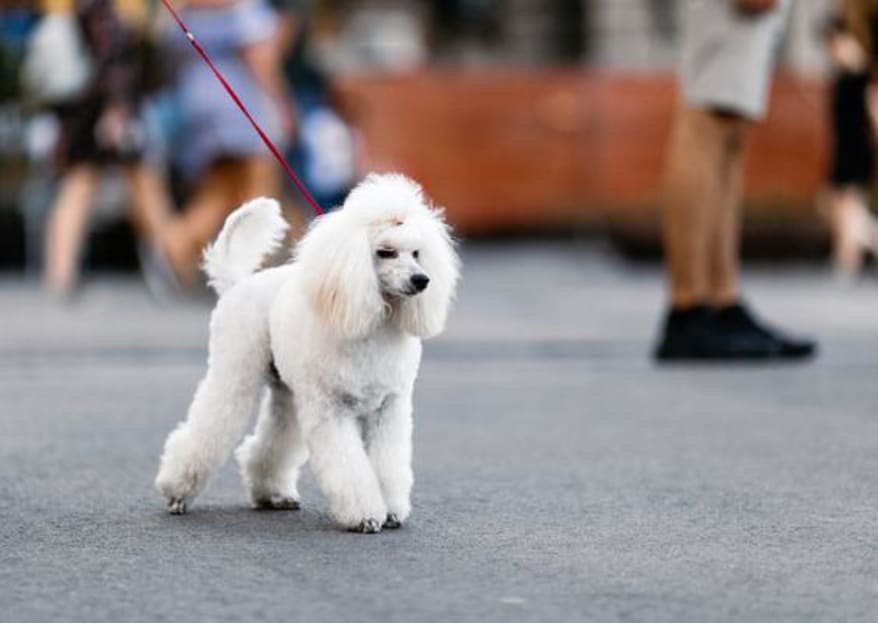
    The Poodle has a single coat of curly fur. They are often chosen as hypoallergenic companions since they barely shed at all. In competition and elsewhere, you’ll often see Poodles with highly-coiffed hairdos. The lion cut is the most popular with a short trim on the body and a full mane of curly hair around the head and neck.

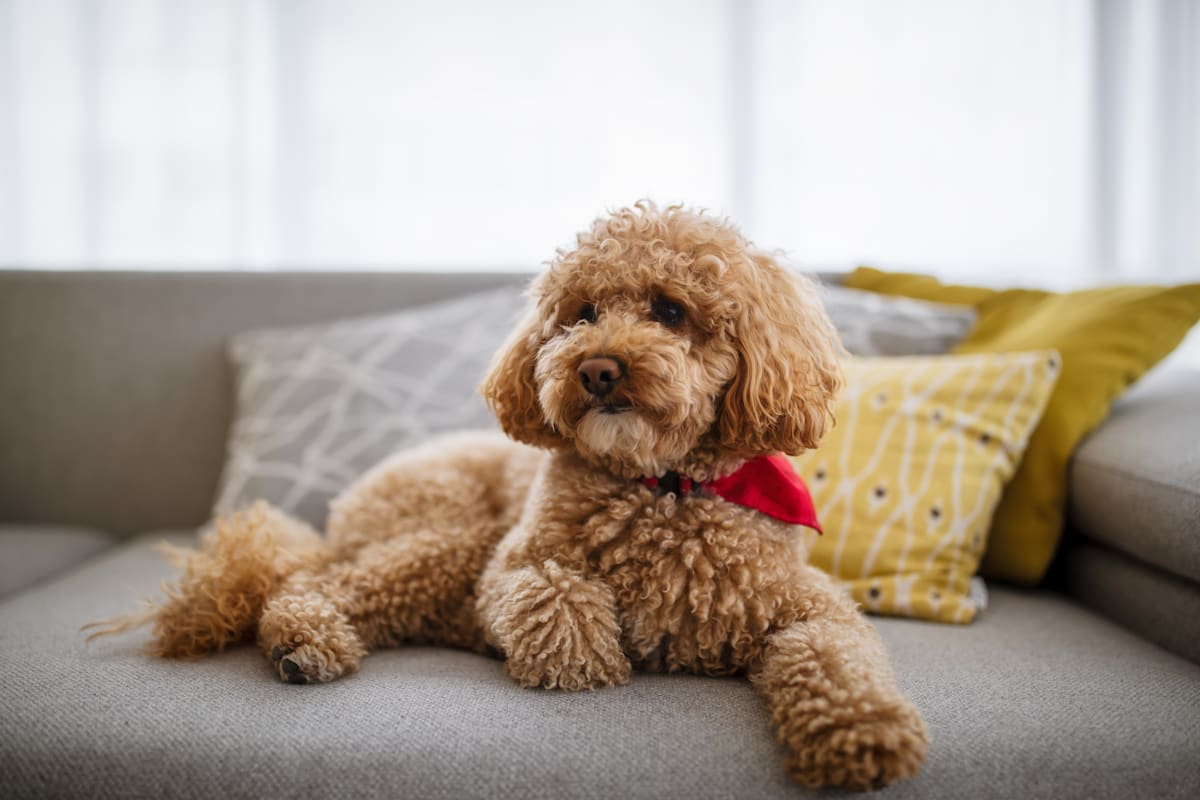
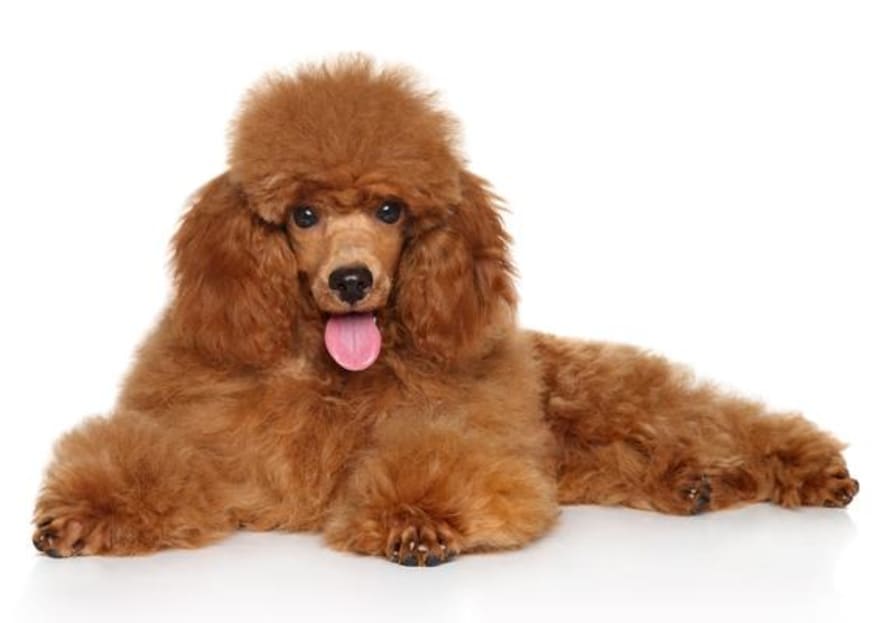
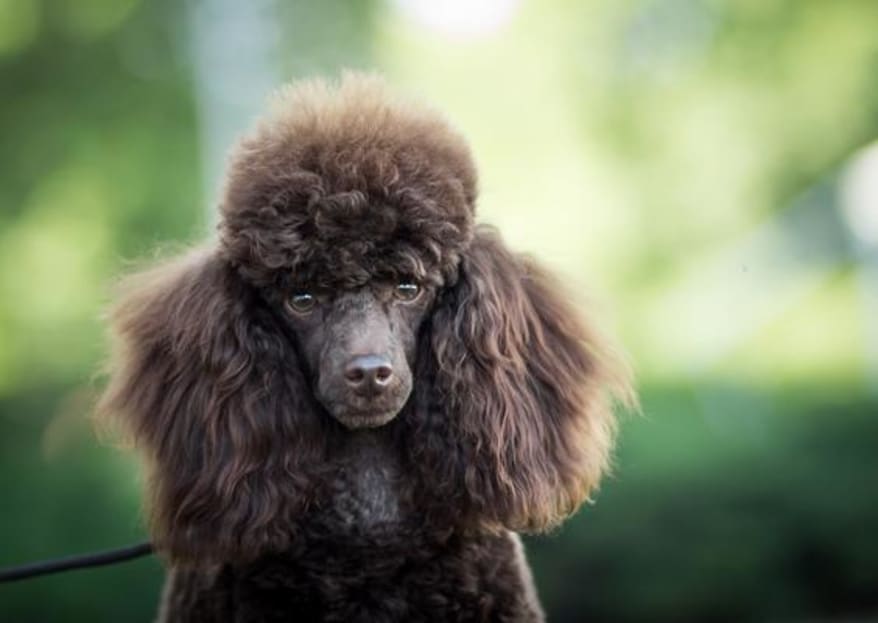
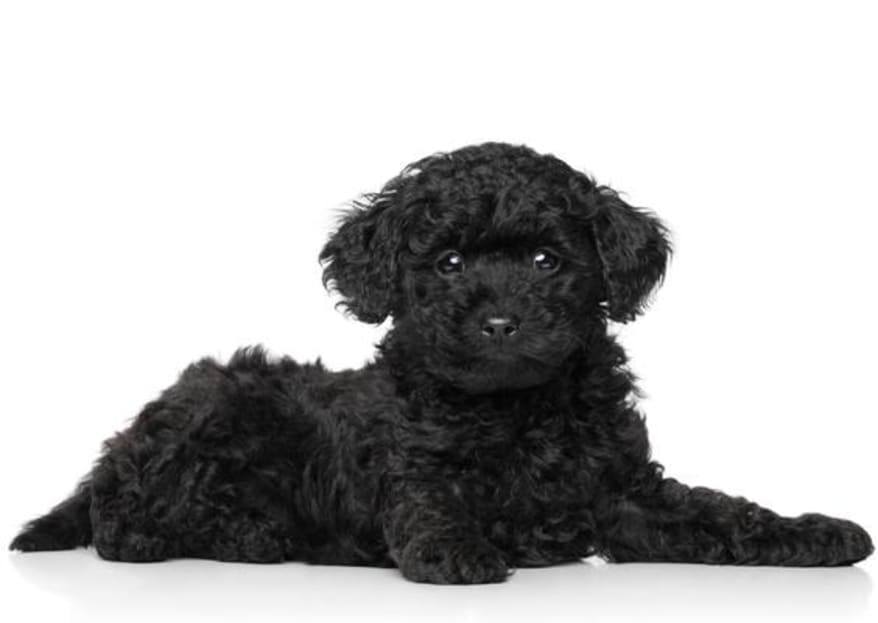
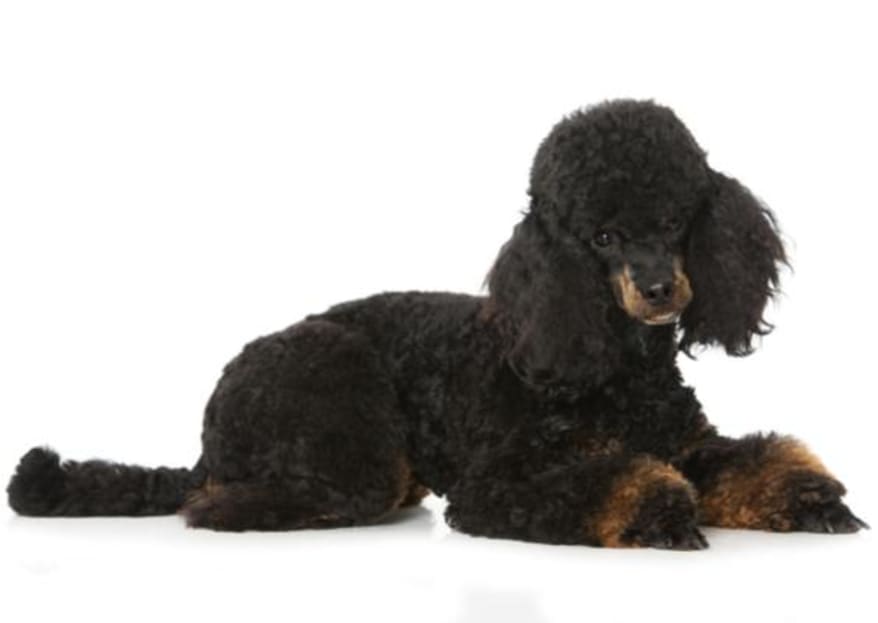
    Toy Poodles may be small dogs but they are proud animals. They have an elegant posture and lots of love to give. The AKC recognizes 11 coat colors in Poodles: apricot, black, blue, brown, cream, gray, red, silver, silver beige, café au lait, white, and combinations of these colors.

    Size & Weight

    Toy Poodles are very small dogs. The official AKC breed standard for the Toy Poodle says that they cannot exceed 10 inches tall. They typically weigh 6 to 10 pounds as adults.
    Full Grown
    Female
    10 in. / 4 lbs.
    Male
    10 in. / 6 lbs.
    Height bar
    Female Pet
    Height Figure
    Male Pet
    Height is measured up to the shoulders.

    Toy Poodle Toy Poodle Characteristics

    Size

    Tiny

    Jumbo

    Weight

    Light

    Heavy

    Shedding

    Minimal

    Abundant

    Coat Length

    Short

    Long

    Grooming Frequency

    Occasional

    Frequent

    Living Space

    City apartment

    Ranch

    Exercise

    Couch potato

    Bring it on!

    Climate

    Warm

    Cold

    Personality

    Antisocial

    Outgoing

    Protection

    None

    Bodyguard

    Behavior with Kids

    Always monitor

    Babysitter

    Training

    Headstrong

    Obedient

    Barking

    Mute

    Loud

    How to Care for a Toy Poodle

    Toy Poodles may be small in size, but they thrive on attentive care that keeps their bright minds and lively spirits satisfied. From coat upkeep to training, nutrition and daily activity, a thoughtful routine helps your Toy Poodle stay healthy, comfortable and joyfully connected to family life.

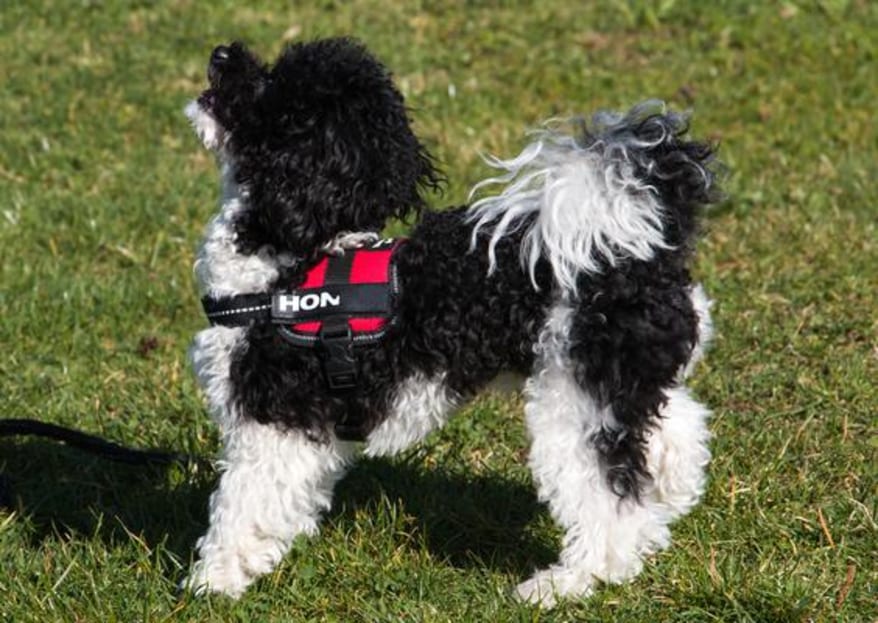
    Coat & Grooming: Toy Poodles come in a wide range of colors including mixed coats. The ancient Poodles of the last millennium were typically parti-colored with solid color patches over a white coat. Today the AKC recognizes many different base colors and combinations in competition. “Phantom”, bridle, and sable coats are excluded from shows under many countries’ breed standards.

    Toy Poodles are often highly-groomed and adorned with accessories. They require weekly grooming even with a modest cut. The AKC demands a “show clip” for Toy Poodles. Adults must be clipped in the “Continental” or “English Saddle” style. Poodles under a year old may be clipped in the “Puppy” style for competition.

    Like with all dogs, your Toy Poodle needs your help to maintain good health. Stay on top of cleaning their teeth and ears regularly. Their nails grow in very fast, so be sure to trim their nails often to avoid cracking and infections.

    Shedding: Since they lack a double coat, Toy Poodles don’t shed much at all. They are a preferred breed for people looking for hypoallergenic dogs. Don’t expect your Poodle to shed much, but if they do, you should consider a trip to the vet. Extreme hair loss is often a sign of health problems. Regular brushing and bathing will ensure that you won’t need to bust out the vacuum too often.

    Training: The Toy Poodle is a highly trainable breed that can excel with the right regimen. They love to play games and you’ll find them on the agility circuit as well as out in the fields with their hunting party. Toy Poodles are usually less confident and calm than the larger Standard Poodles, but this fact is up for debate among breeders. Even the smallest Poodles shouldn’t be too neurotic or skittish around other dogs and humans. Like with all dogs, the Toy Poodle benefits greatly from proper training and obedience school early in life.

    Barking: Poodles aren’t that talkative or loud, but they will bark to draw your attention to something. The Toy Poodle can often get scared and bark around larger pets or children when they are excited. A couple of warning barks are expected when a stranger calls, but excessive barking is usually a sign of a problem. Make sure you take your Toy Poodle to obedience classes and expose them to a variety of environments and people early in their life. Early socialization helps them feel comfortable and safe as they grow up.

    Your Toy Poodle is very smart, so don’t be surprised when they learn things quickly. Poodles have a great memory and will pick up new habits easily. You can use this to your advantage with proper training, or suffer the consequences when they learn bad habits! They are ranked as the second-most intelligent dog breed after the Border Collie.

    Personality: Toy Poodles are very friendly once they get to know you. A properly trained Poodle will be a bit reserved at first, but after they get to know a stranger, they should display love, warmth, and affection.

    Temperament & Behavior: Toy Poodles are generally patient and well-behaved given the proper training and early socialization. With gradual introductions and lots of love/support, your Poodle can be a gentle and personable companion. Poodles are very protective of the home and family.

    One of the most outstanding personality traits of the Toy Poodle is intelligence. Poodles are all very smart, often shockingly so. Through their cleverness and curiosity, they will astound you with their human-like minds. The smaller varieties of Poodles like the Toy Poodle can be a little skittish around small children and larger dogs. Poodles can be a little goofy and playful, despite their elegant and almost regal presence in a room.

    Behavior with Kids: Generally, Poodles are great family dogs. They are protective and loving when it comes to family. Toy Poodles are not the best Poodle for children, since they are small and fragile. Make sure to supervise any young children or anyone not familiar with dog handling. Those little Toy Poodle bones are prone to break during rough play.

    Protection: Poodles are generally calm and welcoming, but they are a bit suspicious of strangers who come to call. After a nice introduction and some time to get used to new people, your Poodle shouldn’t act like a bodyguard. Toy Poodles are not very imposing, but they don’t know that.

    Life span: On average, Toy Poodles live to be about 10-18 years old.

    Inherited Health Issues: Every breed carries risks of certain inherited diseases. In addition, some breeds seem more prone to develop conditions later in life. Although the risk of every disease in each dog can’t always be determined, make a point to discuss common genetic conditions with any breeder you are considering acquiring a Toy Poodle puppy from, since reputable breeders will do what they can to reduce the incidence of these problems in their breeding lines. Toy Poodles seem to be more prone to suffer from the conditions listed. This list is by no means all inclusive: Mitral valve degeneration, Patent ductus arteriosus, Cushing’s disease, Hypoparathyroidism, Hemorrhagic gastroenteritis, Immune-mediated hemolytic anemia, Immune-mediated thrombocytopenia, von Willebrand’s disease, Legg-Calve-Perthes disease, Atlantoaxial subluxation, Patellar luxation, Hydrocephalus, Cataracts, Distichiasis, Progressive retinal atrophy, Glaucoma, Optic nerve hypoplasia, Urinary stones, Cryptorchidism and Tracheal collapse.

    Preventive Care: Routine preventive care is paramount to maintaining the health and well being of your Toy Poodle. Puppies should be vaccinated against rabies, distemper, and parvovirus, and any other diseases that are a risk based on geographic location and exposure. Deworming should be started very early in life, preferably around 2 weeks of ago, and continued every 2 weeks until at least 8 weeks of age, at which time a fecal sample should be tested for parasites. They should also receive monthly heartworm preventive as well as flea and tick preventive.

    Regular veterinary visits are key to the early detection and prevention of problems. Careful physical examination can detect problems with the heart and eyes, both of which Toy Poodles are predisposed to developing.

    Your veterinarian can help you determine the ideal weight for your Toy Poodle, as well as the appropriate amount of food to feed. It’s a good idea to offer some canned food along with dry, as canned food helps to add important moisture to the diet. In breeds predisposed to the development of urinary stones, like Poodles, a diet that’s high in water can help to lessen those risks.

    Daily Consumption: Average daily consumption for an adult Toy Poodle is 1/4 - 1/3 cup

    Energy Level: Frisky, energetic breed that is always ready for action

    Exercise: Poodles need regular exercise and lots of human interaction. They thrive on love, and Poodles want to be included as part of the family. They much prefer to sleep indoors close to their friends and relatives.

    Since many of the ancestral Poodles were used as sporting and hunting dogs, the Toy Poodle retains a lot of behaviors more common to larger breeds. They can be territorial and will often practice marking (i.e. spreading their scent) around their home turf. Poodles are a fixture on the dog agility circuit. They are also used for hunting, flyball, dock diving, and many other competitive dog events. Poodles are good swimmers but they don’t all enjoy the water.

    Climate: Poodles are used outdoors in many different climates across the world. Toy Poodles, like many small dogs, can be prone to overheating and frosty paws in extreme weather. Keep an eye on your dog at all times to avoid overexertion and exposure. Consider a warm coat for those frigid winter walks if you live somewhere cold.

    Cost of Owning

    The average cost of owning a Toy Poodle is $900 per year
    $300
    Vet Care
    $200
    Grooming & Boarding
    $200
    Food & Treats
    $200
    Other

    Unlock exclusive rewards with Vital Care, or enjoy up to 35% off essentials when you subscribe with Repeat Delivery.

    Enjoy exclusive rewards every time you shop. Get member-only deals, points, and special offers designed to help you save more on what your pet needs.

    Never run out of the essentials. Subscribe and get your pet’s favorites delivered on schedule—with up to 35% off plus the convenience of automatic refills.

    Cross Breeds

    Select a Breed to Cross

    Choose a breed from the dropdown to see potential crosses.

    Cocker Spaniel
    Dropdown Icon

    Your love story starts here.

    Find adoptable pets near you with a simple search.

    Fun Facts

    In 1942, the US Army named the Poodle as one of 32 breeds suited for war work, with records showing Poodles in service dating back to the 1600s. Unfortunately, Toy Poodles didn’t make the cut.

    In 1942, the US Army named the Poodle as one of 32 breeds suited for war work, with records showing Poodles in service dating back to the 1600s. Unfortunately, Toy Poodles didn’t make the cut.

    A team of Poodles attempted Alaska’s Iditarod in 1988. They did so poorly and suffered so much in the cold that the race organizers banned all non-Northern dog breeds from further competition.

    A team of Poodles attempted Alaska’s Iditarod in 1988. They did so poorly and suffered so much in the cold that the race organizers banned all non-Northern dog breeds from further competition.

    Poodle fur never stops growing. Remember to clip your dog! Even those little Toy Poodles can grow their fur to be long and troublesome.

    Poodle fur never stops growing. Remember to clip your dog! Even those little Toy Poodles can grow their fur to be long and troublesome.

    Celebrities love Poodles! Famous actresses, royalty, and even the King himself (Elvis Presley) owned and loved Poodles. Winston Churchill had a beloved Poodle named Rufus that died in a car accident.

    Celebrities love Poodles! Famous actresses, royalty, and even the King himself (Elvis Presley) owned and loved Poodles. Winston Churchill had a beloved Poodle named Rufus that died in a car accident.

    History

    Origin: Germany, France

    The exact origin of the Poodle is still up for debate. The Poodle name is likely a derivative of the Low German word for splashing around –“pudel”. We still use this root word in English when we talk about rain puddles! The Poodle DNA likely came from a variety of European water dogs including the Hungarian Water Dog. France was the first country to standardize the Poodle with official breed registration in the mid-19th century. They were used primarily as hunting and sporting dogs, but it became a popular household pet in Europe as early as the 1700s.

    The Poodle is the national dog of France, and it has a popular following around the world. In the 1800s in Europe, you could often see poodles dyed and clipped into extreme looks for ladies in the aristocracy. The Poodle was one of the first breeds recognized by the UK Kennel Club (1874) and the AKC (1886). The Poodle Club of America formed in 1931.

    Read More

    Sponsored