Non-Sporting Group
The breeds in the Non-Sporting Group are a varied collection in terms of size, coat, personality and overall appearance.
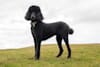
Standard Poodles are excellent companions for anyone looking for an intelligent and elegant dog. This breed has hypoallergenic fur which makes it an excellent selection if you or someone in your home has sensitivities or allergies. The Poodle is a famous breed with a long, storied history starting in Europe and winding its way around the world. If you decide to partner up with a Standard Poodle, you can expect a happy relationship with a great dog breed. Poodles have almost human-like intelligence with a goofy and fun personality.
Origin: Germany, France Other Names: Caniche, Barbone (en français)
The breeds in the Non-Sporting Group are a varied collection in terms of size, coat, personality and overall appearance.
Non-sporting dogs are a diverse group. Here are sturdy animals with as different personalities and appearances as the Chow Chow, Dalmatian, French Bulldog, and Keeshond. Talk about differences in size, coat, and visage! Some, like the Schipperke and Tibetan Spaniel are uncommon sights in the average neighborhood. Others, however, like the Poodle and Lhasa Apso, have quite a large following. The breeds in the Non-Sporting Group are a varied collection in terms of size, coat, personality and overall appearance.
The main differentiation between Toy, Miniature, and Standard Poodles is the height. The American Kennel Club (AKC) maintains the breed standard for the various sizes of Poodles. They are active and elegant dogs with a proud gait and athletic posture. Poodles standards vary in dimensions depending on the country and local standards, but the AKC in the US lists the Standard Poodle as 15 inches or taller for show competition.
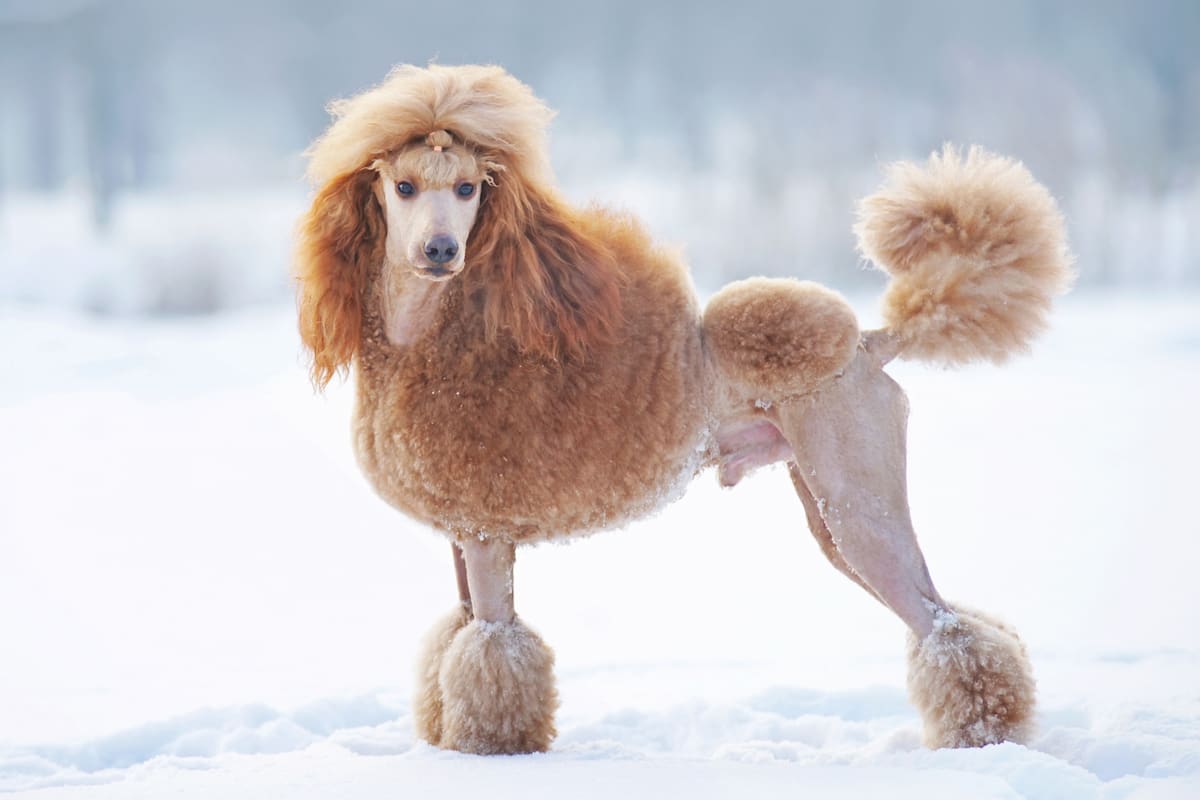
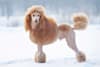
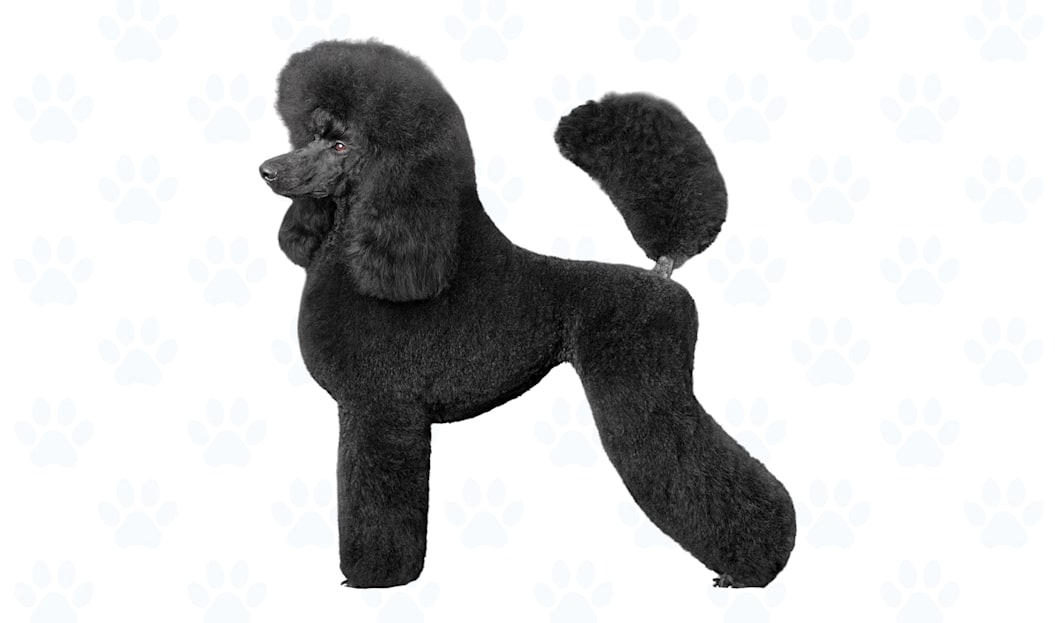
The Standard Poodle sports a single coat of curly fur. They are often prized as hypoallergenic pets since Poodles don’t shed much at all. In competition as well as at the beauty salon, you’ll often see Poodles with elaborate stylish hairdos. The lion cut is the most common, with a short trim on the body and a full mane of curly head and neck fur.
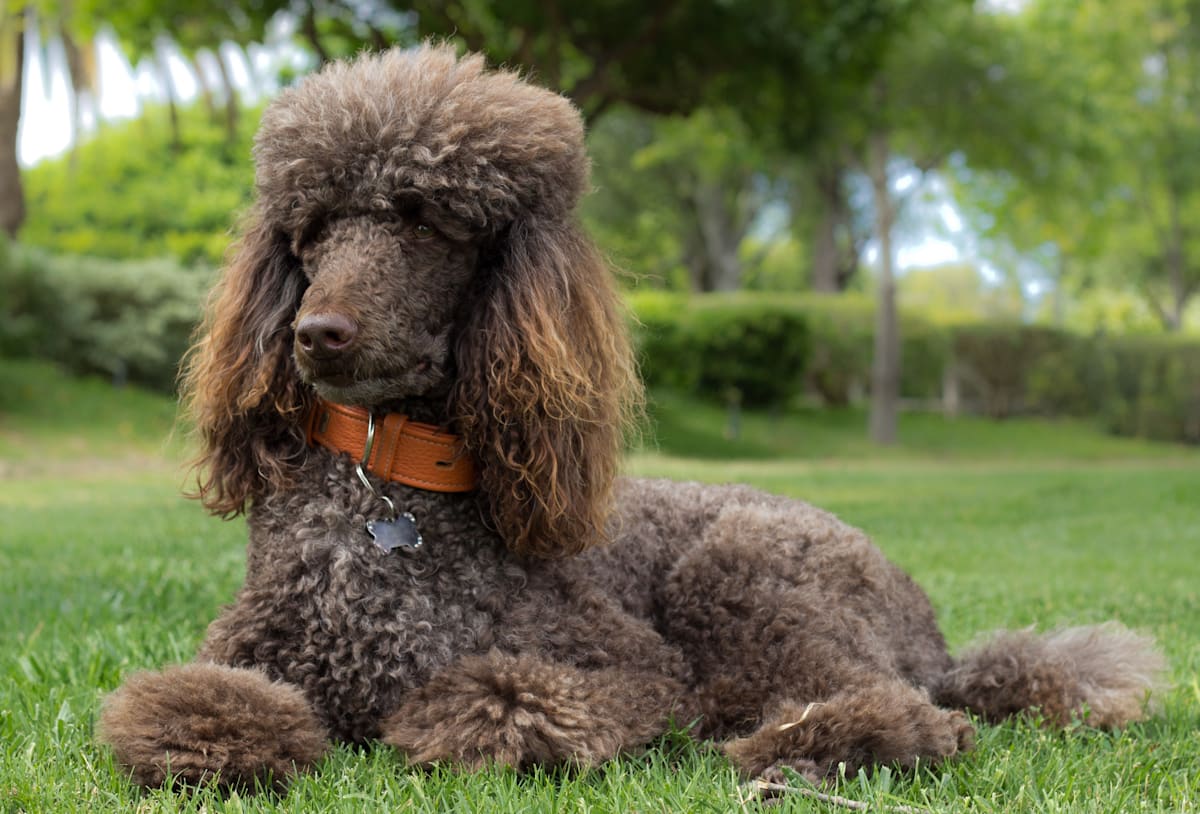
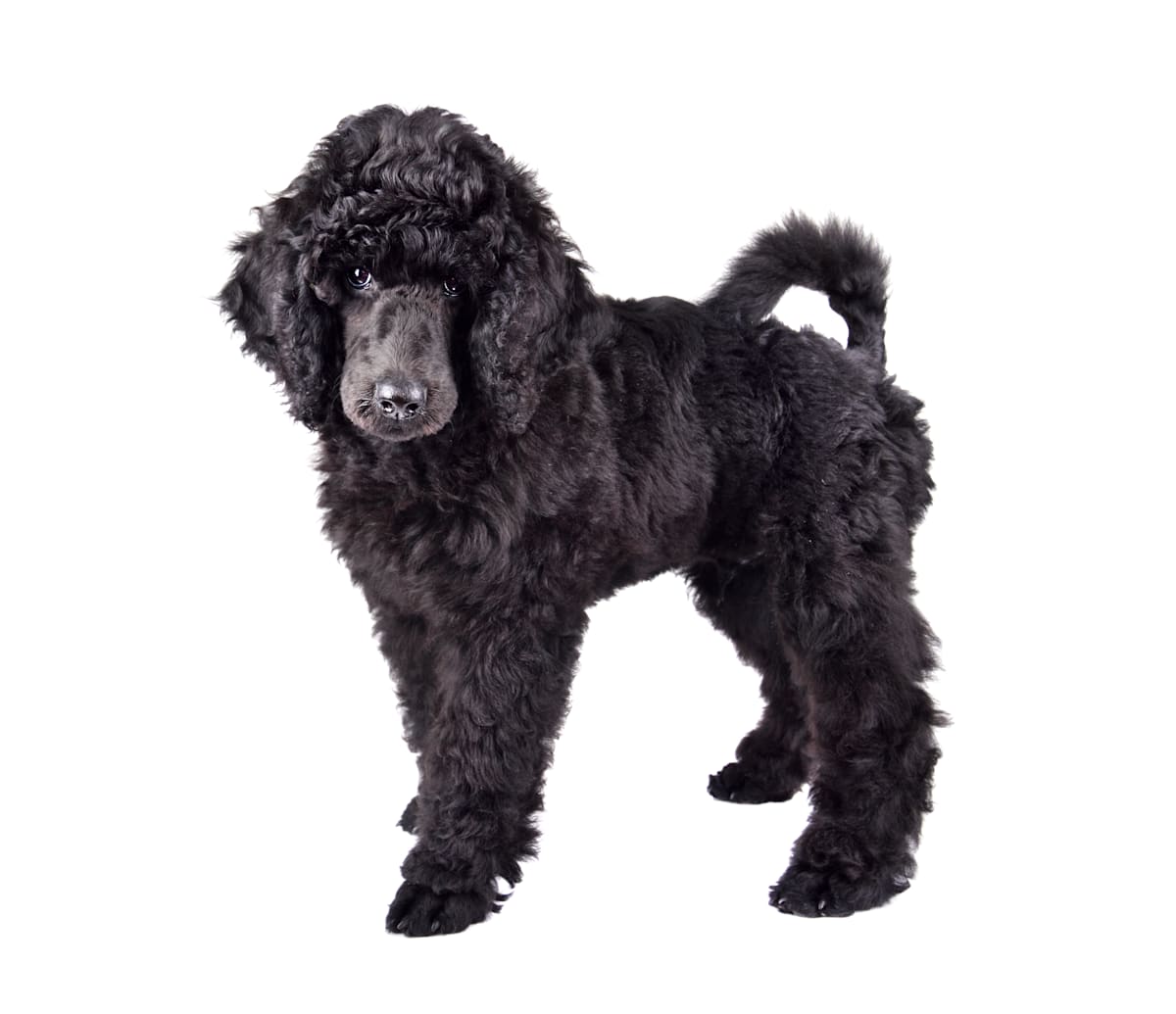
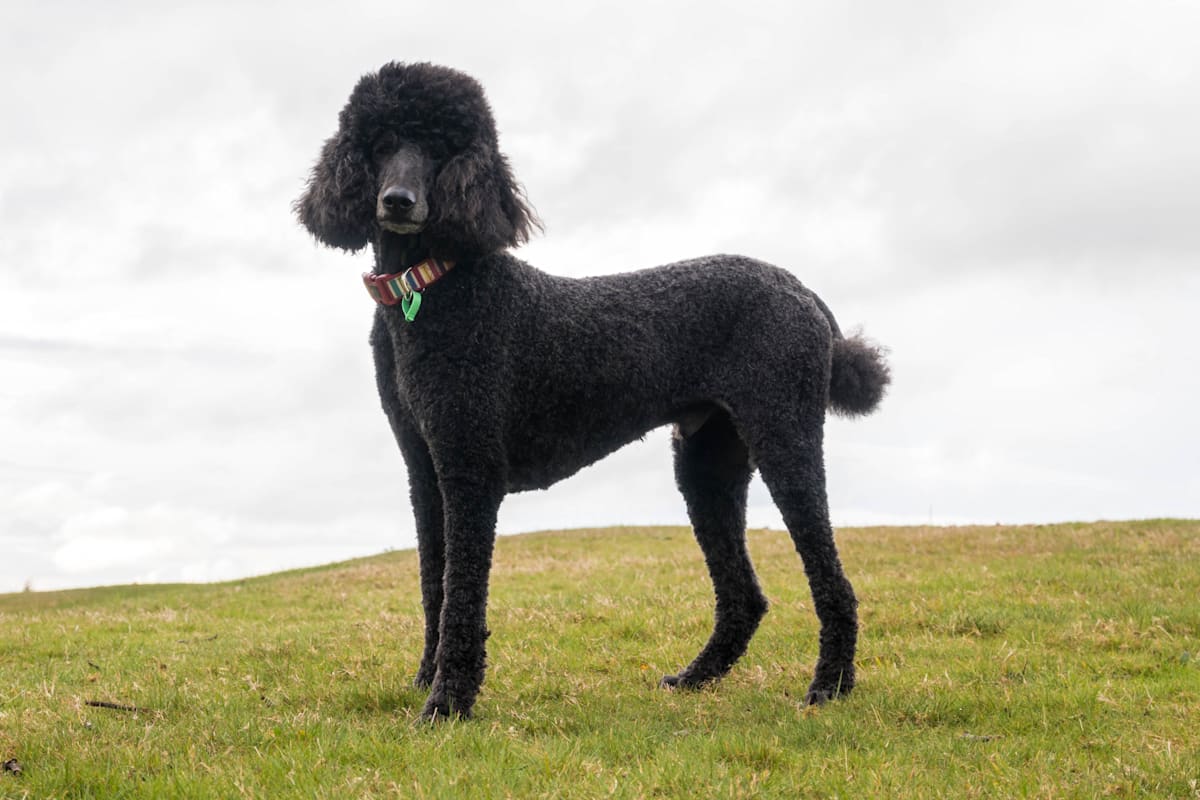
Standard Poodles are proud dogs with lots of personality. They have an elegant nature and tons of affection given a chance to warm up. The AKC recognizes ten coat colors in Standard Poodles: apricot, black, blue, brown, cream, gray, red, silver, silver beige and white. Although Poodles do come in other colors, those other than the 10 listed do not qualify to be shown in AKC events.
This breed can be found in a variety of colors. You can check them out below.
Standard Poodles are classified as medium to large sized dogs. The American Kennel Club breed standard lists the various dimensions to describe each breed. Standard Poodles must exceed 15 inches tall to qualify in the Standard Poodle class. These dogs weigh 45 to 70 pounds as fully-grown adults.
| Full Grown | |
|---|---|
| Female | 18 in. / 45 lbs. |
| Male | 24 in. / 70 lbs. |
Height is measured up to the shoulders.
Standard Poodles are classified as medium to large sized dogs. The American Kennel Club breed standard lists the various dimensions to describe each breed. Standard Poodles must exceed 15 inches tall to qualify in the Standard Poodle class.
Standard Poodles are classified as medium to large sized dogs. They weigh 45 to 70 pounds as fully-grown adults.
Standard Poodles are larger dogs, so you will need some room to accommodate the larger variety of Poodle. If you prefer a smaller dog, you can customize the size of your Poodle. Don’t forget about the Miniature Poodle or Toy Poodle if you can’t house a Standard.
Standard Poodles require regular exercise to maintain a healthy weight and stay fit. They have an abundance of energy that needs to be released. Early in the history of the breed, poodles were used as sporting animals, so they can suffer from an excess of energy without vigorous exercise. Play games with your Standard Poodle and remember offer a wide range of and activities to keep them healthy and happy.
Standard Poodles are usually quite friendly and personable after some time to warm up to you. A well-trained Standard Poodle might seem standoffish at first contact. Once they get to know you, they should display all the love and affection you could ever want. They are very intelligent and perceptive dogs.
Poodles are typically welcoming, but they can be wary of any strangers who show up on their turf. After a pleasant introduction and a little time to get acquainted, your Standard Poodle shouldn’t be overly-protective. Standard Poodles are typically not very aggressive or “scary”, but they are proud protectors of their family (to a point).

Generally, Poodles make excellent family dogs. They are often a little protective and very loving when it comes to their family. Standard Poodles are not really the best choice of Poodle for small children. This breed can be fragile with weak joints and delicate bones. Make sure to always keep an eye on any young children or strangers not familiar with dog handling safety.
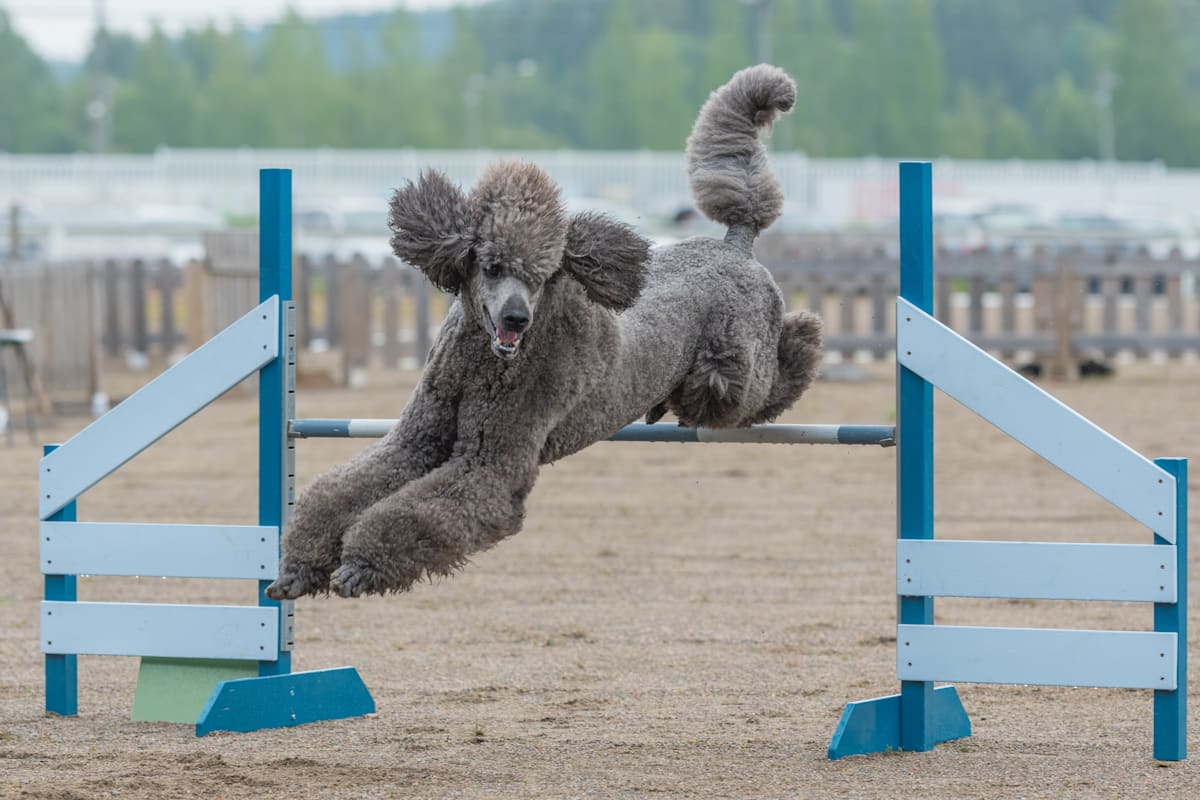
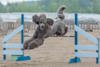
Standard Poodles are quite intelligent. The Standard Poodle is rarely used as a sporting or hunting dog today, but they kept the keen intelligence and alertness of their sporting dog forefathers. Standard Poodles usually take to training quite well. You can even see them compete in agility circuits in some countries.
All Poodles including the Standard Poodle are single-coated. They don’t really shed much at the change of seasons like many other breeds. Anyone with allergies should look into Poodles since they don’t shed much or irritate people’s breathing sensitivities or pet allergies.
Poodles are found playing and running outdoors in many different climates around the globe. Standard Poodles, like many dogs who pant to stay cool, can be prone to overheating when it’s hot or exposure in cold weather. Always keep an eye out for signs that you dog is distressed, especially after periods of activity. Buy a warm dog coat for those cold winter nights if you live somewhere with a harsh winter.
Standard Poodles are not especially talkative compared to most other dogs, but they will bark to announce arrivals and anything that raises their alarms. Deliverymen and natural wildlife will engage their alert system briefly, but your Poodle shouldn’t be barking all the time. If you notice your Standard Poodle is barking a lot, consider more obedience lessons, training classes, or a trip to the veterinarian.
Choose a breed from the dropdown to see potential crosses.
Standard Poodles are usually quite patient and obedient with correct training and the proper early socialization. With slow introductions along with love and support, your Standard Poodle will be a loving companion to you and your family. Poodles are often very protective of the home, but they aren’t overly aggressive or noisy as they go about their business.
One of the best personality traits of the Standard Poodle is their high level intelligence. Using cleverness and their natural curiosity, they will surprise you with their perceptive minds. The smaller versions of the Poodle like the Toy Poodle can be a bit nervous and skittish around children and other dogs, but the Standard Poodle usually holds its own in a confrontation. Poodles can goofy and playful, which comes as a surprise given their elegant and almost regal look.
Poodles aren’t that chatty or loud, but they will make a sound with a sharp bark to get your attention if necessary. The Standard Poodle might get excited and bark around larger pets or children. A couple of short barks isn’t unusual if a stranger calls, but excessive and aggressive barking are signs of a problem brewing. Check out your local dog organizations and bring your Standard Poodle to any obedience classes available. It help to expose them to a wide range of environments, experiences, and people to help them get settled into their new life. Take the opportunity to do early socialization to help them feel safe and secure as they grow up in the world.
Your Standard Poodle is quite smart and curious, so you shouldn’t be surprised if they seem to learn things quite fast. Poodles have great memories, and this can help you or hurt you depending on your training regimen. You can use this to your advantage with proper training, or suffer the consequences when they learn bad habits! Poodles are often cited as the second smartest dog breed after the Border Collie.
The Standard Poodle is a highly intelligent breed that can succeed at doing anything with the right training regime. Poodles enjoy games as well as being out in the fields with their hunting party. Like with all dogs, the Standard Poodle benefits greatly from proper training and obedience school early in life.
Poodles require regular exercise and plenty of human interaction. They want to be included as part of the family, being around the living space with you and yours. Poodles like to be close to their friends and family at home.
Since ancestral Poodles were often used as sporting and hunting dogs, the Standard Poodle kept some of the behaviors more common to traditional hunting dogs. They can be a bit territorial, spreading their scent around their territory. Standard Poodles are also used for hunting, agility, flyball, dock diving, and many other competitive dog events. Even though Poodles are good swimmers, they don’t really seem to enjoy the water much.
Frisky, energetic breed that is always ready for action
Your veterinarian can help you determine the ideal weight for your Standard Poodle, as well as the appropriate amount of food to feed. It is a good idea to offer some canned food along with dry, as canned food helps to add important moisture to the diet. In breeds predisposed to the development of urinary stones, like Poodles, a diet that is high in water can help to lessen those risks.
Average daily consumption for an adult Standard Poodle is 1.5-3 cups
Standard Poodles can be a bit delicate for large dogs, and it’s important to pay attention to subtle clues in their health status so that you and your veterinarian can intervene early before things get serious.
If you get a Standard Poodle puppy, talk with your veterinarian about performing a procedure called a prophylactic gastropexy. Because Standard Poodles are one of the highest-risk breeds for gastric dilatation and volvulus (GDV), this procedure should be seriously considered at the time of spaying or neutering. When GDV occurs, the stomach fills with air and then flips over, effectively cutting off the blood supply and resulting in death if not treated urgently. The gastropexy procedure prevents the stomach from flipping over, and prevents GDV from occurring.
All breeds have certain health conditions that can be either inherited from their parents, or are simply seen more commonly in that particular breed. Some diseases are recognized to be more common in Poodles in general (all sizes) and some are more prevalent in Standard Poodles specifically. These conditions may include, but are not limited to, the following: Sebaceous adenitis, Hypoadrenocorticism (Addison’s disease), Hypothyroidism, Cancer, Gastric dilatation and volvulus, Immune-mediated hemolytic anemia, Epilepsy, Cataracts and Glaucoma.
On average, Standard Poodles live to be about 14-16 years old.
Standard Poodles come in a wide variety of solid colors and mixed coats. The Poodles of Old Europe were usually parti-colored (color patches over a white coat). These days, the AKC lists many different base colors and combinations as acceptable in competition. “Phantom”, bridle, and sable coats are excluded from shows under many countries’ breed standards.

Standard Poodles stand out in the crowd with highly-groomed fur and beauty accessories. They need weekly grooming even if you go with a simple cut. For competition, the AKC requires a “show clip” for all Standard Poodles. Adult dogs must be clipped in the “Continental” or “English Saddle” style, while puppies under a year old can be clipped in the “Puppy” style for AKC competitions.
As it is with all dogs, your Standard Poodle really needs your help and attention to properly maintain their good health and happiness. Remember to stay on top of their teeth and ears with regular cleaning. Their nails can grow in quite quickly, so make sure to pay attention and trim their nails. Remember to do this grooming practice often to avoid cracking and infections.
Short to Medium
Frequent
Since they don’t have a double coat like most breeds do, Standard Poodles don’t really shed like most dogs do. If they do shed a lot, you should consider a precautionary visit to the clinic to make sure there isn’t a health problem. Extreme hair loss is often a sign of distress or serious medical issues in a Poodle. If you make sure to attend to their needs with regular brushing and bathing them often, you will enjoy a clean home without too much work.
The exact origin of the Poodle is contested, but most believe the breed comes from Western Europe around France and Germany. The Poodle name is likely a derivative of the Low German word for splashing around –“pudel”. We still see this root in English when you think of puddles! The Poodle DNA probably came from a few different European water dogs including the Hungarian Water Dog. France was the first country to officially standardize the Poodle with breed standards and registration in the mid-19th century. Standard Poodles were used primarily as hunting and sporting dogs up to that point, but they quickly became popular pets in Europe in the 1700s and beyond.
The Poodle is the national dog of France, and it has a loyal fan base around the world. In the 1800s in Europe, you would often notice poodles colored and dyed in unique shades. They would be clipped into extreme looks for wealthy and royal women. The mighty Poodle was one of original dog breeds to be recognized by the UK Kennel Club (1874) and the AKC (1886). The Poodle Club of America formed in 1931.