About Miniature Pinschers
Miniature Pinschers, the “King of the Toys”, require royal treatment by demanding an audience and respect for their exacting personalities. The Miniature Pinscher is lively, spunky, assertive and vocal. They have a tough-guy attitude, although the breed weighs in at just 10 lbs, on the heavy side. Size-wise, Miniature Pinschers are suitable for apartments, and need regular opportunities to vent all their energy. While not known for being compliant, Miniature Pinschers can—and must—learn basic obedience training to understand that they’re not the bosses. Their confidence and suspicion make them great guard dogs and their energy makes them well suited for families, provided that the family members are generous with cuddling and light with roughhousing.
Origin: Germany Other Names: Min Pin
Toy Group
The diminutive size and winsome expressions of Toy dogs illustrate the main function of this Group: to embody sheer delight.
Breed Appearance
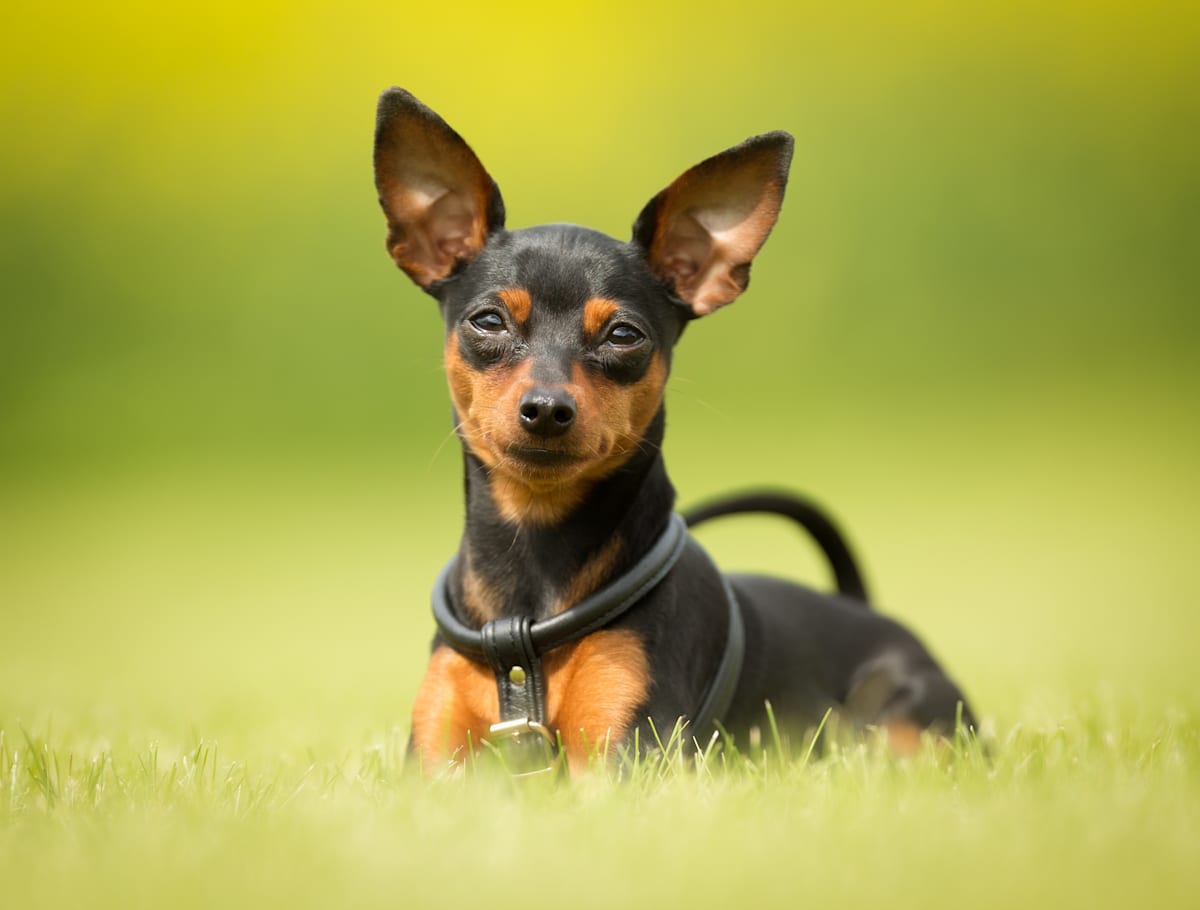
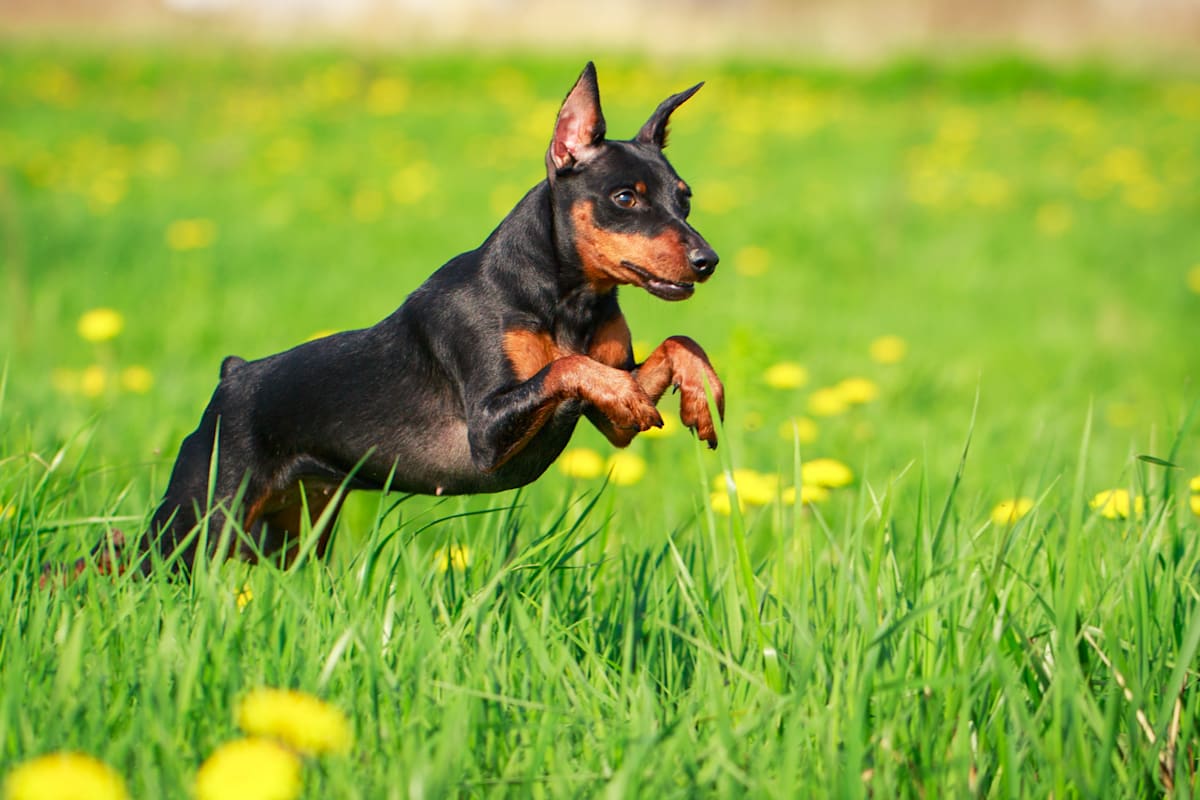
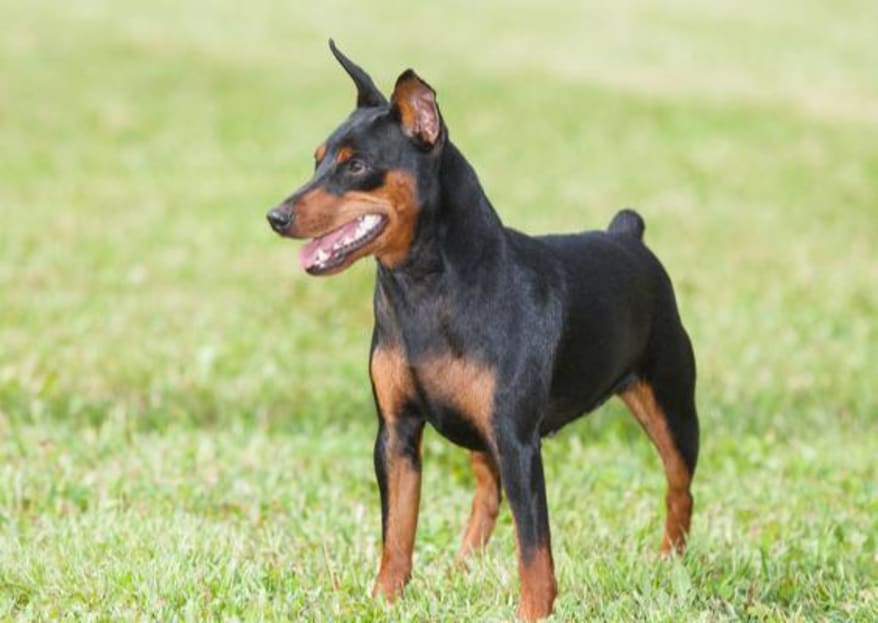
The Miniature Pinscher is known as the “King of the Toys”, for its diminutive size combined with a regal appearance and confident attitude. They are easily recognized as seemingly miniature versions of Doberman Pinschers, because one of their most common coat colors is Black and Tan.
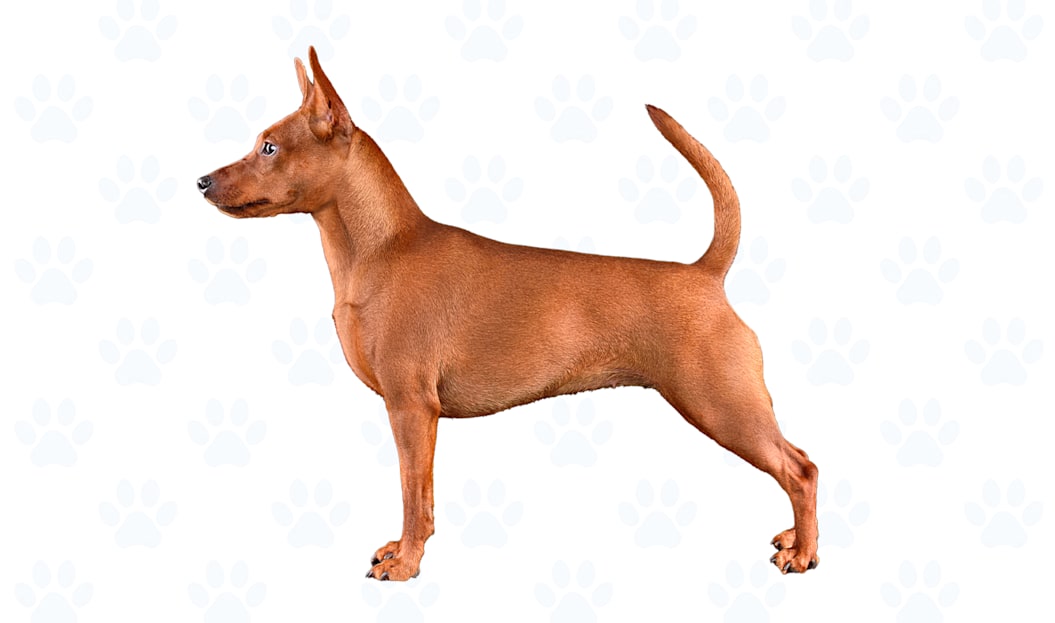
This toy breed has a compact, wedge-shaped body with long, graceful legs. They have a high-stepping prance, often likened to a Hackney pony. Their muzzle is slightly tapered, they have full, oval eyes, and high-set ears that stand erect whether cropped or natural. Their backs slope slightly toward the hindquarters and the tail is set high, usually docked in proportion with the dog.
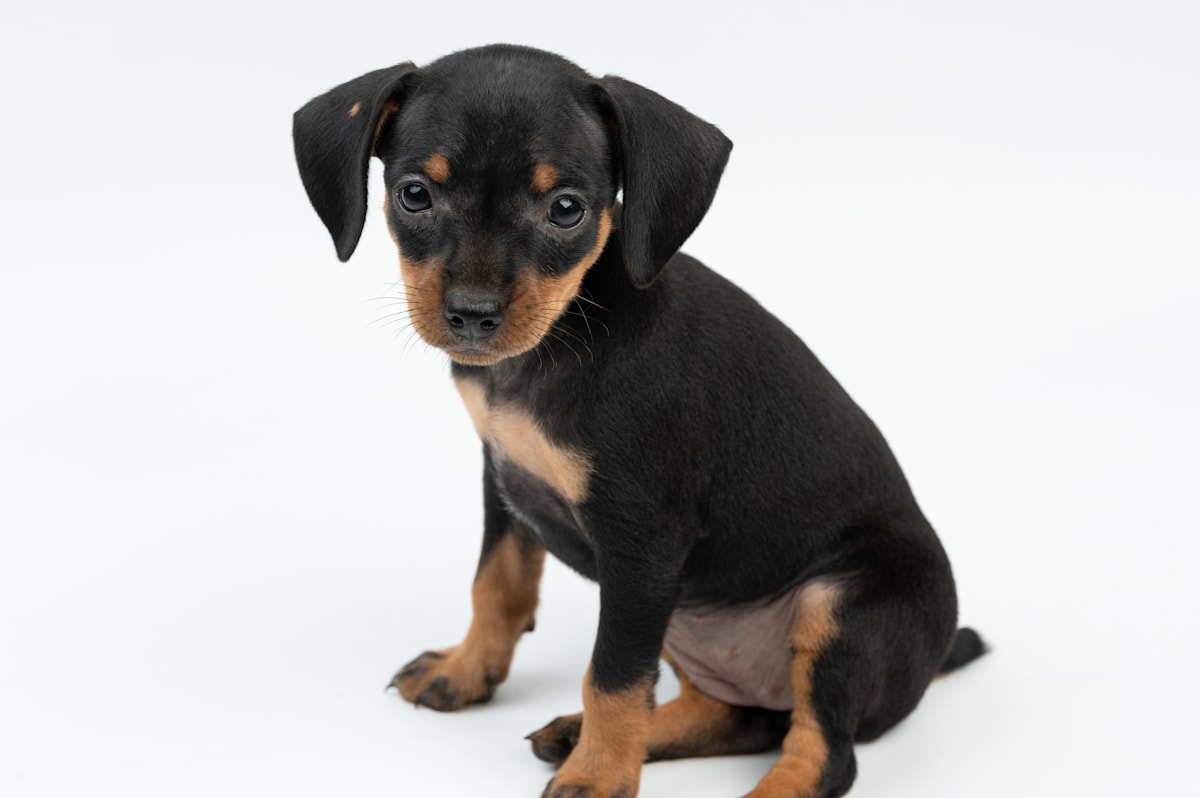
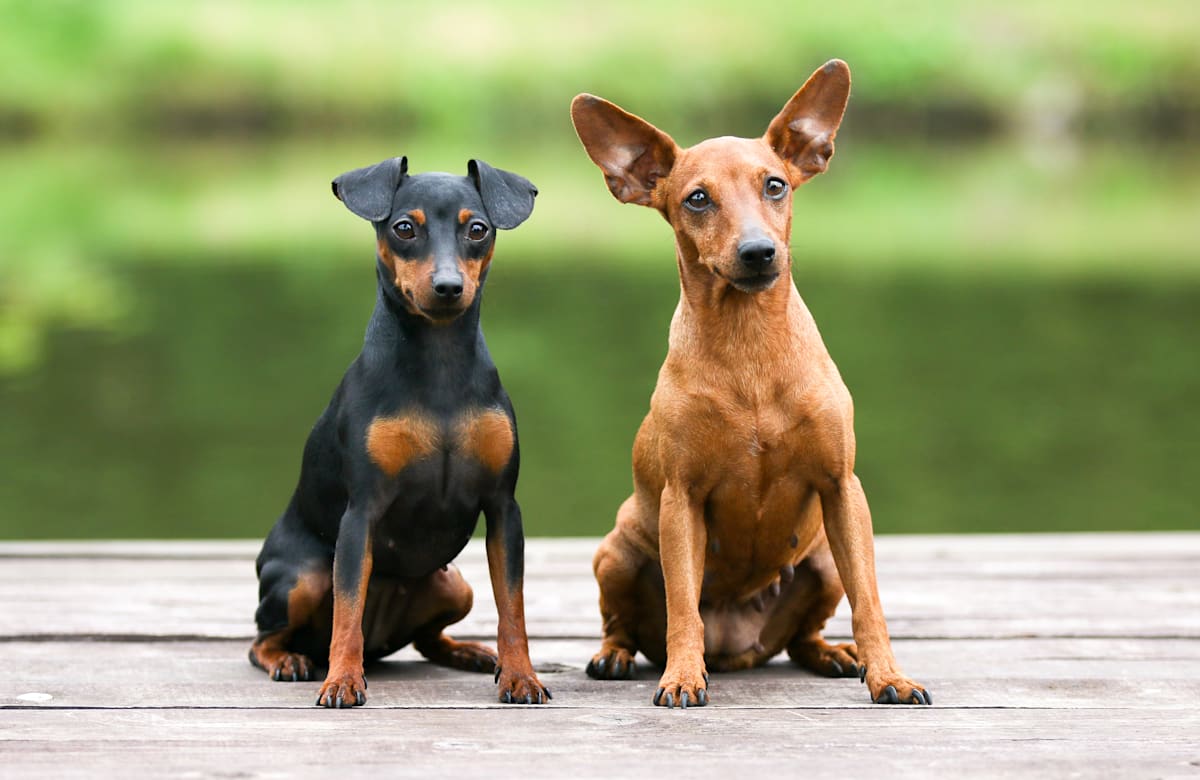
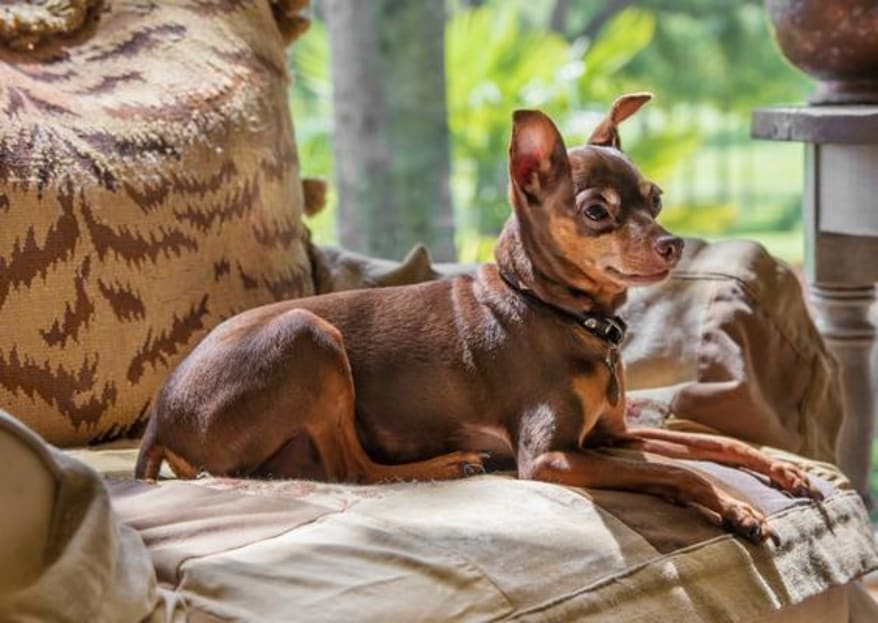
Miniature Pinschers have a hard, sleek coat that is uniformly short all over the body. Their coats can be seen in a combination of the colors Black, Chocolate, Blue, Fawn, Tan, Rust, and Red.
Size & Weight
Miniature Pinscher Characteristics
- Size & Coat
- Lifestyle
- Training & Behavior
Size
Tiny
Jumbo
Weight
Light
Heavy
Shedding
Minimal
Abundant
Coat Length
Short
Long
Grooming Frequency
Occasional
Frequent
Living Space
City apartment
Ranch
Exercise
Couch potato
Bring it on!
Climate
Warm
Cold
Personality
Antisocial
Outgoing
Protection
None
Bodyguard
Behavior with Kids
Always monitor
Babysitter
Training
Headstrong
Obedient
Barking
Mute
Loud
How to Care for a Min Pin
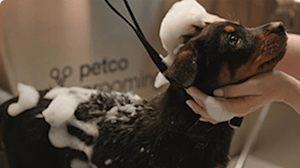
Coat & Grooming: Miniature Pinschers have a coarse, short coat and not much of it. Grooming the coat is a snap, and they should be brushed with a mitt or soft bristle brush every few days. Miniature Pinschers’ skin tends to dry out in the bath, so many owners prefer to wipe them down with a damp cloth instead of performing a full shampoo. If the Miniature Pinscher is primarily an inside pet, it’s important to watch out for the length of their nails. If they’re clicking around the house, the nails are too long. Begin with nail trimming and other grooming exercises in puppyhood, as they can be particularly sensitive about having their feet touched.
Coat length: Short
Grooming: Occasional
Shedding: Miniature Pinschers do shed an average amount, but the short, loose hairs don’t add up to much. Pay attention to their diet and overall skin condition to maintain a normal amount of shedding.
Training: Obedience training is advantageous for the owner of a Miniature Pinscher. Miniature Pinschers are intelligent dogs but not always fond of following directions. They are notoriously strong-willed, and sometimes downright stubborn. It’s important to address the size of their character, and not the size of the dog when training. Patience, firmness, and the ability to think one step ahead of them will be the keys to success.
Like other toy breeds, Miniature Pinschers are notoriously difficult to housebreak. They can relieve themselves somewhere out of sight because of their size, and young puppies with underdeveloped internal control can easily form a bad habit. One strategy is to keep them in a designated area during house training, and let them roam other areas once they are consistently housebroken.
Barking: Miniature Pinschers are eager to sound the alarm and love the sound of their own voice, regardless of whether or not anyone else does. Their bark is predictably shrill and sharp, and belted out with gusto. A Miniature Pinscher’s bark reflects their confidence and natural suspicions, but could indicate anxiety or stress-related behaviors. Since they are highly sensitive to separation anxiety, they shouldn’t be left alone if managing their barking is a high priority.
Temperament & Behavior: Miniature Pinschers can be a formidable fusion with both tiny and tenacious traits. In the AKC breed standard, they’re described as “proud” with “fearless animation”. This breed has a tendency to be demanding. Miniature Pinschers are typically hard on their toys, require leadership, demand attention and activity, and expect pampering. After these needs are met, Miniature Pinschers are prepared to share every ounce of enthusiasm and loyalty they possess.
Despite their zest, Miniature Pinschers can be challenging when it comes to socialization. Many are dominant or aggressive toward other dogs, and their general sense of alertness can escalate out of control. It’s especially important that they become familiar with strange dogs, animals, people and situations at an early age, to prevent fearfulness, insecurity, or possessiveness.
Behavior with Kids: The Miniature Pinscher is sturdy for its size, but too small to withstand any rough handling. They will resort to defending themselves against any, even if unintentional, mistreatment. Miniature Pinschers may not be the breed of choice for families with very young or rambunctious kids.
Protection: The Miniature Pinscher has no doubt about its protection abilities. They can be as stubborn and territorial as they are vocal, and need to have their pushy streaks kept in check by a responsible owner, lest they terrorize the neighborhood.

Life Span: On average, Miniature Pinschers live to be about 12-16 years old.
Inherited Health Issues: Some of the more common health conditions found in Miniature Pinschers are either inheritable or occur at a higher prevalence in this breed. These may include, but are not limited to, the following: color dilution alopecia, Immune-mediated hemolytic anemia, elbow luxation, Legg-Calve-Perthes disease, patellar luxation, cataracts, corneal dystrophy, optic nerve hypoplasia, progressive retinal atrophy, eclampsia and cystine urolithiasis.

Preventive Care: Miniature Pinschers fairly commonly develop patellar luxation, where the patella (kneecap) temporarily moves out of place. Surgery is available for more severe cases, but keeping your Miniature Pinscher at a healthy body weight will also avoid placing increased stress on these joints. Arthritis can develop secondarily to this condition and fish oil supplements can be beneficial for decreasing associated inflammation. Lifting your Miniature Pinscher on and off of furniture and out of the car will decrease the risk of accidental injuries on their lanky limbs or back.
Be sure that you are taking your dog for regular veterinary attention, even if your Miniature Pinscher seems outwardly healthy. Your veterinarian will be able to closely examine your dog for any health problems and has been trained to pick up on even subtle changes.
Since Miniature Pinschers are prone to develop several orthopedic conditions, keeping your little ball of energy at a healthy body weight is critical. Avoid offering treats or table scraps in excess and measure your dog’s meals closely to maintain a lean, healthy body weight.
Daily Consumption: An adult Min Pin eats 1/4 to 1/2 cup of dry food per day
Energy Level: Frisky, energetic breed that is always ready for action
Exercise: Miniature Pinschers are energetic, agile and love challenging games. They need regular outings to release their energy and a selection of toys and games that will keep their curiosity satisfied. A few brisk walks throughout the day should provide enough basic exercise. For fun, these little predators love to chase moving objects and some will eagerly fetch a small ball. Miniature Pinschers were originally bred for ratting, so they also won’t miss an opportunity to burrow. Permissible opportunities to dig outside would be recommended, and you can also count on discovering them hiding in makeshift forts made of pillows and blankets from time to time.
Don’t rely on letting them exercise alone in the yard, because Min Pins can be creative escape artists who are light enough to climb, energetic enough to dig, and small enough to squeeze between cracks in pursuit of adventure.
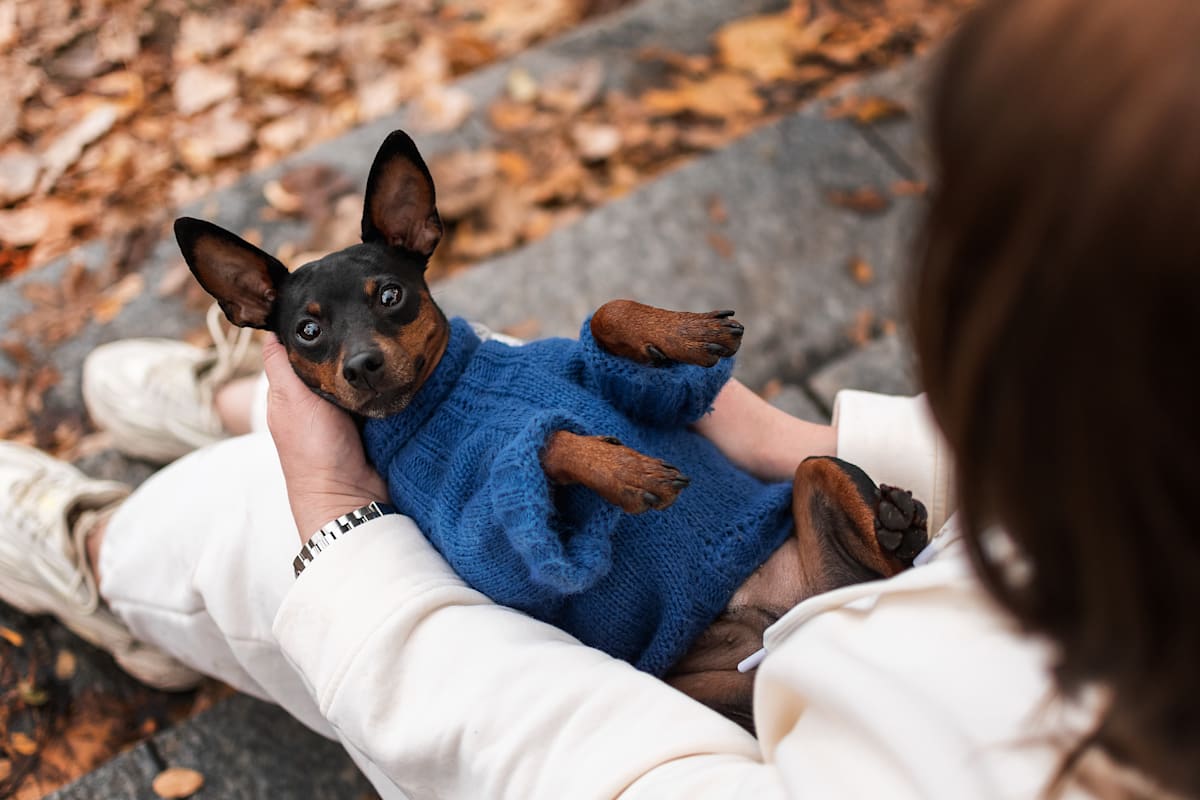
Climate: Miniature Pinschers adapt well to the heat but they’re very sensitive to the cold. These little royals will certainly require a winter jacket for outdoor activities.
Living space: Miniature Pinschers are the perfect size for apartments. They love to be spoiled with all creature comforts and will act as your doorbell in return.
Cost of Owning
Unlock exclusive rewards with Vital Care, or enjoy up to 35% off essentials when you subscribe with Repeat Delivery.
Enjoy exclusive rewards every time you shop. Get member-only deals, points, and special offers designed to help you save more on what your pet needs.
Never run out of the essentials. Subscribe and get your pet’s favorites delivered on schedule—with up to 35% off plus the convenience of automatic refills.
Your love story starts here.
Find adoptable pets near you with a simple search.
Fun Facts
Contrary to popular thought, the Miniature Pinscher is actually not a scaled-down version of the Doberman Pinscher. It’s a separate breed.
Their German name, “Dwarfs Pincher” literally translates to “Dwarf Biter”.
Despite winning the Toy Group at the Westminster Kennel Club dog show four times, a Miniature Pinscher has yet to become “Best in Show” at the competition.
Joey Fatone, from the 90’s boy-band NYSNC, owns a Miniature Pinscher.