Petco Text Logo
Petco Pet Logo

About Maltese

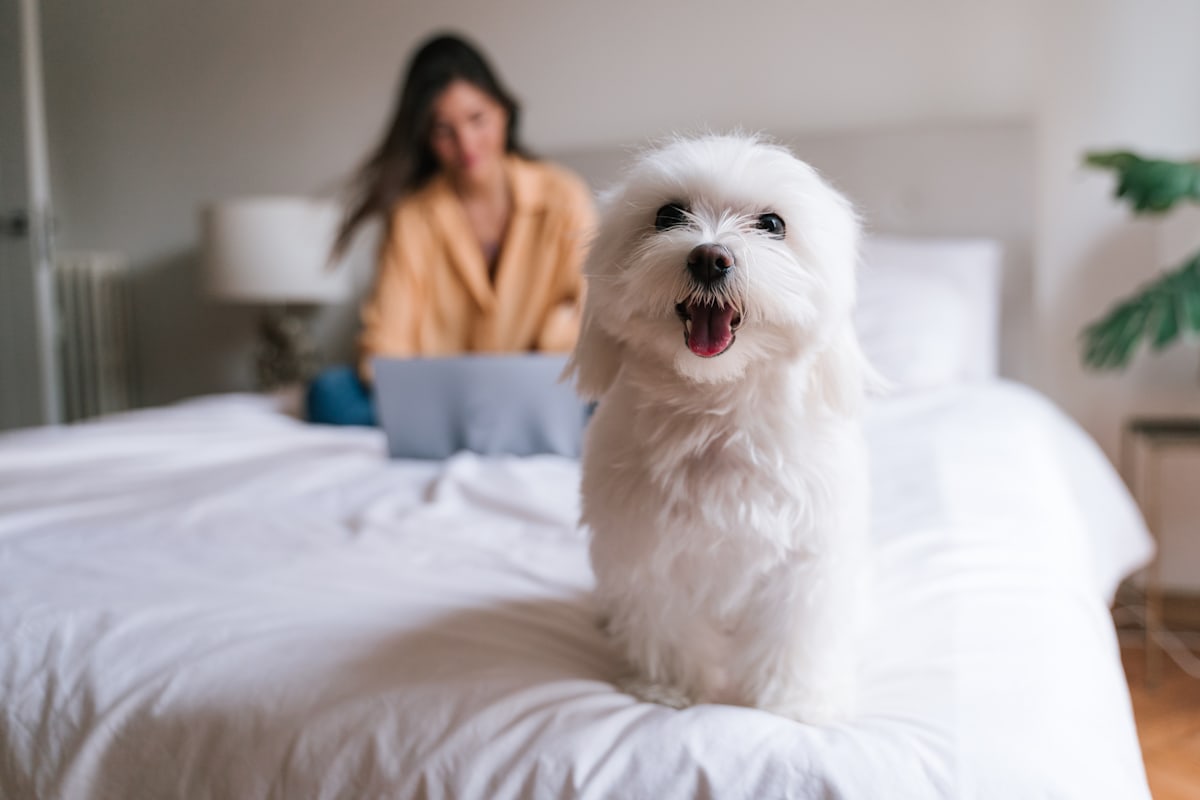
Maltese are the perfect companion if you want a small dog in your life. These fluffy white munchkins are cuddly and full of love. They always want to be beside you, and will follow you anywhere you go. Since they lack an undercoat, the breed is considered to be hypoallergenic. Maltese are gentle, and playful when they want to be. Even when they’re older, Maltese are full of energy throughout the day. Some people describe these cuddly dogs as stuffed animals come to life! The Maltese is a cute and charming dog with a loving personality.


Origin: Mediterranean Basin   Other Names: Maltese lion dog, Ancient Dog of Malta, Roman Ladies’ Dog, Melita

Toy Group

The diminutive size and winsome expressions of Toy dogs illustrate the main function of this Group: to embody sheer delight.

Don't let their tiny stature fool you, since many Toys are tough as nails! If you haven't yet experienced the barking of an angry Chihuahua, for example, well, just wait. Toy dogs will always be popular with city dwellers and people without much living space. They make ideal apartment dogs and terrific lap warmers on nippy nights.

Petco Pet Education Center

General appearance

The American Kennel Club (AKC) recognizes just one coat color in the Maltese: white. The breed has a black nose and brown eyes. The coat is silky and lacking an undercoat. Most Maltese have long coats and often sport a tied-up hairdo with one or two topknots.


Their body is fragile and delicate. They have dropped ears that can have a yellow or tan lining sometimes. The expressive Maltese face has a warm look and gentle complexion.

Size & Weight

Maltese are very small dogs. A fully-grown male weighs between 3-8 pounds with a height of 8-10 inches.

Full Grown
Female 8 in. / 5 lbs.
Male 10 in. / 8 lbs.

Height is measured up to the shoulders.

Female Size Chart
Height Figure
Male Size Chart
6 ft. 4 ft. 2 ft.

Cost of Owning

On average, owning a middle-aged Maltese costs around $800 per year
$250
Vet Care
$200
Grooming & Boarding
$150
Others
$200
Food & Treats

Characteristics

Size

Maltese are very small dogs. A fully-grown male measures just 8-10 inches. As one of the smallest breeds around, your Maltese needs protection from rough play and other dangers. Make sure to keep your Maltese leashed at all times when outside – he might look like a tasty snack to a bigger dog.

Tiny
Jumbo

Weight

Maltese are very small dogs. A fully-grown male weighs between 3-8 pounds.

Light
Heavy

Living space

Maltese are small dogs that can thrive in the smallest of spaces. They are happy to get their daily exercise by scuttling around your living room and kitchen. If you have a yard for your dog, make sure to invest in good fences and check them for gaps.

City apartment
Ranch

Exercise

Maltese don’t need much in the way of exercise. The odd walk and the constant running around the house is usually plenty to keep any Maltese looking healthy and fit. Playing games indoors like “fetch the toy” and letting your Maltese follow you around the house is enough activity for those tiny legs. Maltese are happy to sit on the couch when they aren’t pacing around your apartment.

Couch potato
Bring it on!

Personality

Maltese are generally happy and playful throughout their lives. They are lively and animated around the house, and they will often follow you from room to room, always wanting to be close. Maltese are very affectionate and seem to adore the company of their human companions.

Antisocial
Outgoing

Protection

Maltese are not guard dogs. Quite the opposite, since they generally love everyone around them. They aren’t really timid like some other small breeds – more like curious and playful. They love to cuddle and share their love with the whole family.

None
Bodyguard

Behavior with kids

Maltese are good for families with small children as long as the dog is well-socialized and any very small children are supervised at all times. The danger here is the fragile bones and tiny body of the Maltese. They don’t stand up to much abuse, but they are gentle and loving companions for families around the world.

Always monitor
Babysitter

Training

Maltese are only too happy to play games and improve their skills. They respond well to “respect” training. Be gentle with your Maltese and invest in obedience training early on to ensure a well-behaved manner for life. They aren’t the smartest breed in the world, but they love to play.

Headstrong
Obedient

Shedding

Since the Maltese breed has no undercoat, they don’t really shed much at all. Like their Poodle and Bichon Frise cousins, they are well-suited to life as companion dogs that won’t shed all over the couch and bed during cuddle sessions. They are a great choice for households that need hypoallergenic dogs to accommodate any severe sensitivities and allergies.

Minimal
Abundant

Climate

Malta is ranked as one of the best climates in the world, so the Maltese grew up on the sunny shores of the Mediterranean. Some owners report no issues with the cold in snowy northern winters, but you should consider a coat and boots if it’s a cold day where you live. Watch out for overheating, too. Their small bodies are susceptible to the elements in both directions on the thermometer.

Warm
Cold

Barking

Maltese can be a nuisance with excessive barking if they don’t get enough attention and exercise. Like with most breeds, the key is proper training at the right stage of life. Separation anxiety is a problem for some Maltese that bark too much when alone. Overall, they are a fairly talkative dog with a distinctive yip and yap.

Mute
Loud

Cross Breeds

Select a Breed to Cross

Choose a breed from the dropdown to see potential crosses.

Miniature Poodle
Dropdown Icon

Temperament & Behavior

Maltese are fearless, curious dogs that do not know their own size. They often put themselves in danger by taking on a much larger opponent. It’s up to you as their guardian to keep them out of harm’s way. They are lively and active around the house. While they love to cuddle and relax with you on the couch, your Maltese will also follow you around your house all day. They want to be close to their owners as often as possible, and can occasionally suffer from separation anxiety.

Barking: Understanding your dog

Maltese can be excessive barkers. The usual culprits are a lack of attention and proper exercise. You need to give your Maltese a lot of love and affection to maintain their happy spirit. They respond well to training, so make sure you take the time to work with your Maltese on good habits. Many Maltese owners report success with a “quiet” command along with the use of a dog clicker. Others say that the silent treatment works wonders if you just ignore the barking. Avoid all these problems with good obedience habits instilled early in the life of your Maltese. Keep to a strict walking regimen and don’t be shy with your love.

Training

Maltese really respond well to “respect” training. They are eager to please the people they love, but Maltese don’t like forceful lessons. Work with your Maltese to expose them to many different sights and sounds early on in their lives. Seeing different people and animals will help them learn about the world and how to behave. The Maltese is really easy to spoil – they are so darn cute! They really know how to get their own way, so remember to stay strong and stick to your training plan.

Habits and Exercise

Maltese really love to get outside and run around, but you need to make sure they do it safely. They can look like a delicious snack for larger dogs, so be wary of the dog pack unleashed. Their bones develop slowly, so make sure you go easy until they are nine months old. A fenced yard is a must for a safe playing around for your Maltese. You really need a tight fit on your fence to the ground since the Maltese will squeeze its tiny body underneath most fences without a problem. Inspect your yard regularly to make sure it’s safe for your little Maltese to run and play. If your Maltese companions don’t get enough exercise, all sorts of problems can occur. Bad health, poor behavior, separation anxiety, and excessive barking can all be prevented by regular walks and active daily play.


Energy Level

Not interested in exercise, would rather doze the day away

Energy Level

Nutrition

It’s a good idea to choose a high quality food that’s specially designed for the needs of small breed dogs for your Maltese. Small breed foods have smaller kibble size, which is easier for them to eat and digest.

Daily Consumption

Average daily consumption for an adult Maltese is 1/4 to 1/2 cup.

Daily Consumption

Preventive care

Proper nutrition is important in the life of any dog. Maltese do well on diets formulated for small dogs. It’s also worth considering a diet specially formulated to reduce tartar buildup, as Maltese tend to have trouble with plaque and tartar build-up.


Every dog deserves high quality, consistent preventive care to ensure that he lives a long and happy life. Click here to understand exactly what is recommended for keeping your dog healthy, from puppyhood to senior living!

Inherited health issues

The Maltese is relatively free of common genetic defects, but there are a few that they are prone to. Reputable breeders will remove dogs from their breeding programs if their offspring is diagnosed with any of these conditions, so be sure to discuss genetics with any breeder you are interested in working with. The following conditions are seen more frequently in the Maltese: portosystemic shunt, patellar luxation, progressive retinal atrophy and cryptorchidism.

Life Span

On average, Maltese live to be about 12-15 years old.

Life Span

Did you know?

  • Royalty love their Maltese dogs. You can find records of aristocratic Maltese owners from Greece, Rome, Egypt, and many other empires of the Mediterranean. Queen Elizabeth I and Mary Queen of Scots both had Maltese in their royal houses.
  • Maltese are prized today for their therapeutic qualities as companion animals. You can find them in nursing homes, rehabilitation facilities, disaster areas, and even in schools. Petting their soft fur and basking in their boundless love can help people recover from trauma and other medical issues.
  • Wealthy American real estate magnate Leona Helmsley died in 2007, leaving twelve million dollars to her treasured Maltese called “Trouble.” The government stepped in and reduced the amount by ten million dollars, but that was enough to keep Trouble living in style long after her owner’s untimely death.
  • Maltese noses can change color. This phenomenon is often called “winter nose” or “snow nose” and occurs when Maltese don’t get enough sunlight. The medical name is hypopigmentation and it’s usually harmless. The color change can become permanent in older dogs.

Coat and Grooming

The Maltese coat is long and luxurious. Since they lack an undercoat, you won’t have to deal with much shedding. That doesn’t mean you are off the hook completely when it comes tocaring for their coat. Maltese still need daily brushing and regular baths to look good. Matted hair can be a problem if you neglect to care for your Maltese. All the usual dog grooming procedures are important to follow: ears, teeth, and nails. Don’t lose track of your grooming schedule or your Maltese will develop health problems down the line.

Coat length

Long

Coat length

Grooming

Frequent

Grooming

Shedding

Maltese don’t have an undercoat, so they hardly shed at all. The Maltese is a great pet if you have allergies or sensitivities to dogs. Regular brushing and bathing should be plenty to keep both your dog and your house looking clean and beautiful.

History

The origin of the Maltese breed is contested in the academic community. While the island of Malta lends its name to the breed, it likely didn’t originate there. Some researchers believe the Maltese came from Spitz dogs around the lakes of modern-day Switzerland. Others think it’s related to the Tibetan terrier from Asia. No one knows for sure, but the oldest record of a Maltese comes from an ancient Greek amphora (clay jar) dating back to 500 BC. You can find references to the “Melita” dog all throughout Greek and Roman literature. Some Greeks even built elaborate tombs for some of their Maltese companions.


The breed wasn’t always so small, but it was usually prized as a great companion dog whenever it appears in historical records. Sometime around 1700 to 1800, Maltese breeders shrank the breed to dangerously small dimensions. The Maltese was almost lost to extinction, but a crossbreeding program with other small dogs helped bring the Maltese back. By the late 19th century, the Maltese was a fixture in dog competitions. The American Kennel Club recognized the breed in 1888.