Petco Text Logo
Petco Pet Logo
Jump To Section

    About Labradors

    Labradors are devoted to their owners and to every game of fetch. These fun-loving dogs require a moderate amount of exercise and minimal grooming. They are generally healthy and hardy, but they are genetically predisposed to a number of conditions, like many pure breeds. They enjoy going along on all types of family activities, and make great companions for single individuals. Labradors are excellent retrievers, and make great hunting dogs. They also perform well in agility and field trial competitions.

    Other Names: Lab, Labrador

    Sporting Group

    Naturally active and alert, Sporting dogs make likeable, well-rounded companions. Dog breeds in the Sporting group are usually remarkable for their instincts in water and woods, and many of these breeds actively continue to participate in hunting and other field activities. Potential owners of Sporting dogs need to realize that most require regular, invigorating exercise.

    Breed Appearance

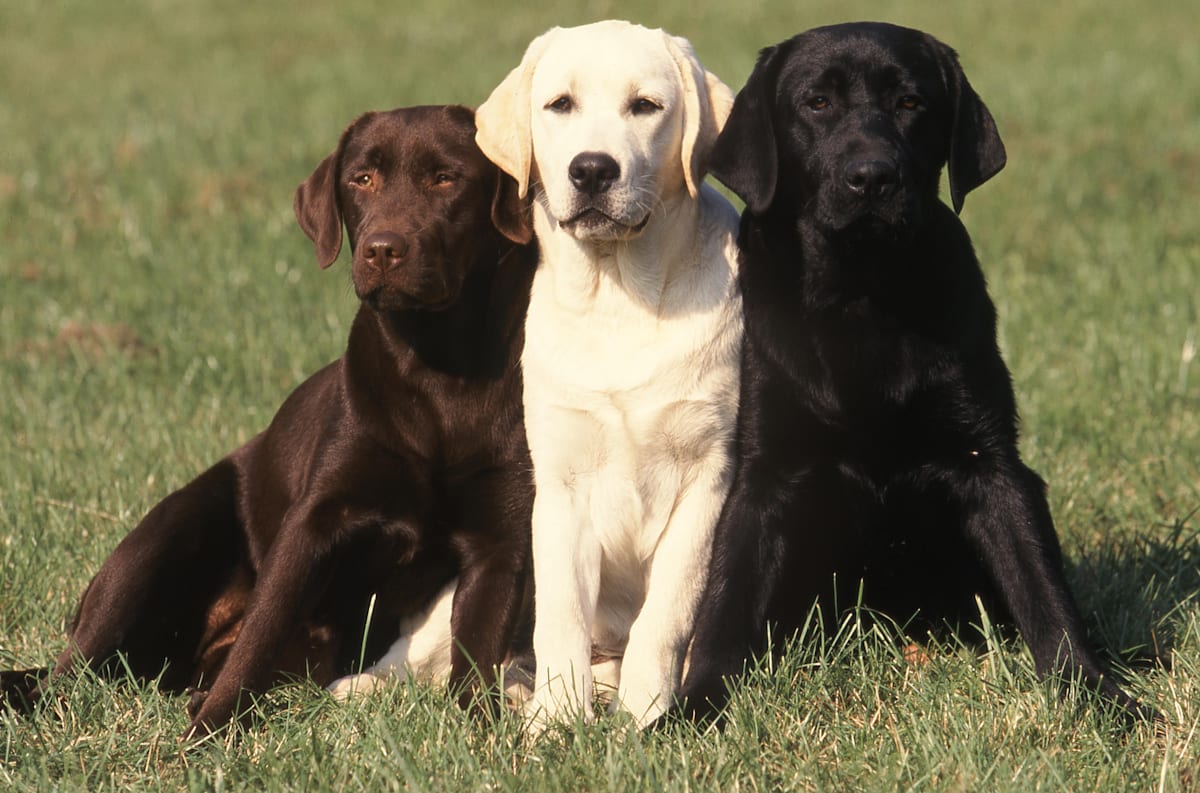
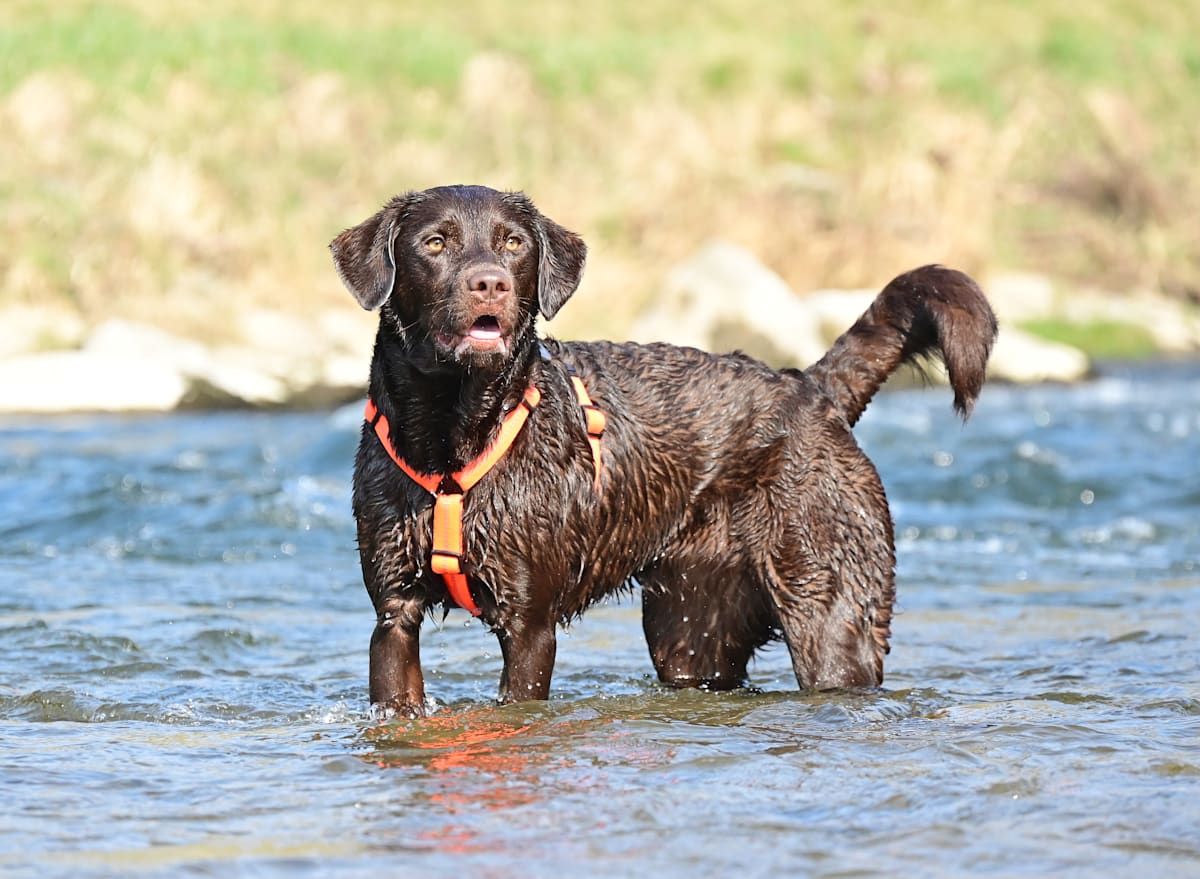
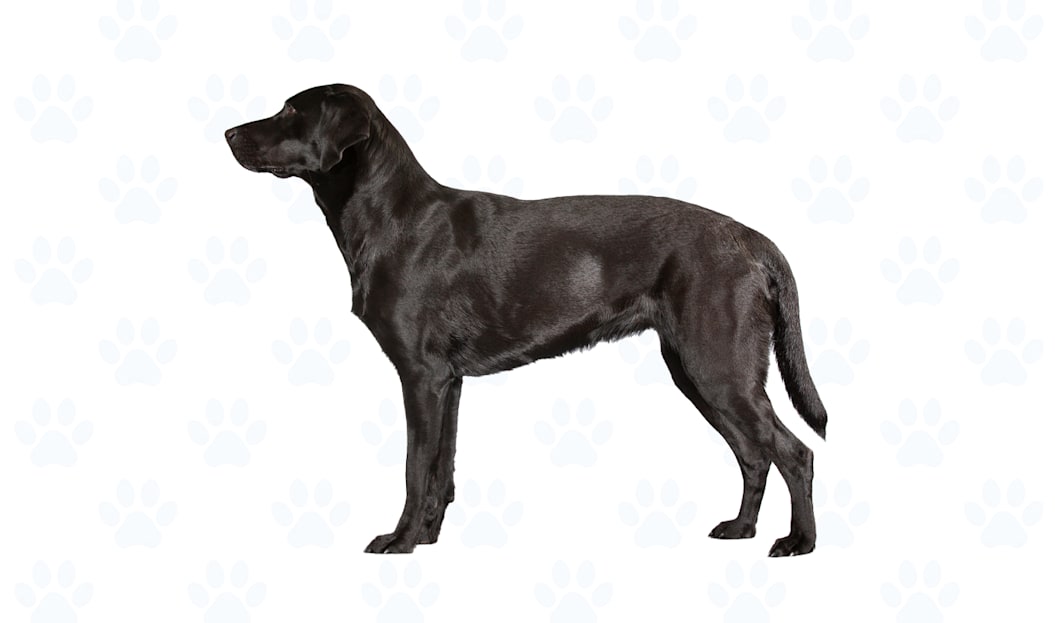
    The American Kennel Club (AKC) recognizes 3 coat colors in Labradors: black, yellow, and chocolate. Sometimes there is a small white marking on the chest. You may read about other coat variations, such as “silver,” but the AKC does not recognize this as “standard,” and silver Labradors cannot be shown at AKC-sanctioned events. In terms of popularity, black Labrador Retrievers are the most popular, followed closely by chocolate Labradors and then yellow. You might encounter people who have opinions regarding the ease of training or health of one color of Labrador versus another, but these beliefs are purely anecdotal in nature.The Labrador coat is short and glossy, and slightly oily, allowing them to dry fast after swimming. Labradors also have webbing between their toes, which contributes to their ability to be powerful swimmers. Labradors are stocky, with big heads. Their earflaps hang down, and they have a long, powerful tail, sometimes called an “otter tail,” which also aids them in the water.

    Size & Weight

    Labrador males typically stand 22.5 to 24.5 inches and weigh 65 to 80 pounds, while females typically stand 21.5 to 23.5 inches and weigh 55 to 70 pounds.
    Full Grown
    Female
    22 in. / 65 lbs.
    Male
    23 in. / 70 lbs.
    Height bar
    Female Pet
    Height Figure
    Male Pet
    Height is measured up to the shoulders.

    Labrador Retriever Characteristics

    Caring for a Labrador Retriever means supporting their active lifestyle, big appetite for learning, and strong bond with their people. With consistent exercise, balanced nutrition, routine health care, and simple grooming, Labs are easygoing companions that fit naturally into busy, loving homes.

    Size

    Tiny

    Jumbo

    Weight

    Light

    Heavy

    Shedding

    Minimal

    Abundant

    Coat Length

    Short

    Long

    Grooming Frequency

    Occasional

    Frequent

    Living Space

    City apartment

    Ranch

    Exercise

    Couch potato

    Bring it on!

    Climate

    Warm

    Cold

    Personality

    Antisocial

    Outgoing

    Protection

    None

    Bodyguard

    Behavior with Kids

    Always monitor

    Babysitter

    Training

    Headstrong

    Obedient

    Barking

    Mute

    Loud

    How to Care for a Lab

    Havanese do best when their affectionate nature and lively energy are supported with regular grooming, engaging training, and daily movement. Thoughtful nutrition, preventive care, and plenty of companionship help these social pups stay happy, healthy, and thriving at home.

    Coat & Grooming: Labradors have a slightly oily coat, and that contributes to its waterproof qualities. The coat should not be dull, and it should be thick and even with no focal areas of hair loss. Labradors never need to be clipped, and doing so can irreversibly change the look and feel of the coat.

    Be sure and monitor your Lab’s nails, and trim them when they extend more than ¼ inch past the pad. Longer nails can easily get caught in the space between boards on backyard decking, and cause painful tears. And don’t forget to brush your Lab’s teeth 2 - 3 times per week to maintain good dental and gum health, and use a toothpaste formulated for dogs.

    Shedding: Labradors shed twice yearly during spring and winter. They have a double coat to keep them waterproof and warm. Weekly brushing is recommended, as it loosens and removes hairs that are in the process of falling out and reduces the amount of vacuuming required.

    Training: Training a Labrador Retriever can be both fun and rewarding. Labradors are a highly intelligent breed and have the potential to be easy to train. But they’re also high-energy and continue to display puppy-like behavior well into their adult years. So it’s very important to begin training them as early as possible to make it an easy process. One way to do this is by rewarding them with treats, and making it into a game. As much as they want to make you happy, they also just want to play all the time.

    Labrador training takes patience, but that’s true of most breeds. They excel at competitive training, such as field trial competitions and dock diving, because they love to please. Investigate opportunities for joining groups in your area that teach these types of activities to owners and their dogs.

    Barking: Labradors have a deep, somewhat sharp bark that they tend to use when someone unfamiliar is spotted or a threat to their territory is perceived. Because Labradors are sociable animals who enjoy the company of humans and other animals, if they are left alone for long periods of time (especially regularly) they can develop anxiety and barking issues.

    Make sure you set aside time every day to be with your Lab, exercising, playing games, or just hanging out. Crate training can be very beneficial for puppies, as it keeps them safe and helps them to feel safe, decreasing the chance that they will develop an anxiety issue.

    Labradors rarely growl unless they feel there is a substantial threat to them or their “people.” They also do not tend to howl or whine excessively.

    Personality: The Labrador personality is one of the things that attracts many people to the breed. Labradors are some of the most social dogs out there. They typically love meeting and playing with other dogs, and tend to be well-mannered canine citizens that don’t start fights with other dogs.

    Temperament & Behavior: Labradors are cheerful, big, tail-wagging companions. There’s a reason they’re the most popular dog breed in America. They are great with family members of all ages and even friendly to strangers. Labradors are full of energy, and they’re the type of dog that will run to the door to greet you after a long day.

    Behavior with Kids: Labradors are possibly one of the best breeds for families with small children. They have a high level of tolerance and are incredibly gentle and sweet, despite their size advantage over small children.

    Protection: Generally, the friendliness inherent in a Lab’s disposition overrides any strong protective instinct. They are by no means timid, but typically warm up to strangers after perhaps a brief period of initial suspicion.

    Life span: On average, the life expectancy of a Labrador is 11-13 years.

    Inherited Health Issues: Certain diseases are common in Labrador Retrievers. Sometimes we understand the exact mechanism through which these diseases are inherited, and other times we simply understand that there are statistically larger numbers of a particular breed of dog diagnosed with the disease. For many diseases, genetic testing is available to ensure that a specific breeding dog does not have the condition. It is always wise to search for a breeder who performs that testing, as it gives you a larger degree of confidence that the puppy you end up with will be healthier.

    Common diseases among Labs include: tricuspid valve dysplasia, laryngeal paralysis, allergies, Cushing’s disease, portosystemic shunt, elbow dysplasia, osteochondritis dissecans, patellar luxation, cancer, exercise- induced collapse, idiopathic epilepsy, cataracts, progressive retinal atrophy, retinal dysplasia.

    Preventive Care: Because Labradors are often happy-go-lucky dogs that exhibit a high tolerance for pain, and continue to have an appetite despite the presence of serious disease, routine veterinary care is critical to ensuring that they stay healthy. As you can see from the list above, Labradors do have their share of health problems, so it’s important to keep up regular preventive care visits, even when it doesn’t appear that anything is amiss. Your veterinarian is trained to pick up on the subtle changes in your Labrador’s health status early, before they become big and potentially serious problems.

    Labradors are more likely to have to joint problems and allergies, so often supplementation with omega-3 fatty acids in the form of fish oil capsules may be beneficial, as research shows that these fatty acids play a role in decreasing inflammation in the body. Use a good quality product, preferably manufactured for the veterinary market.

    Also, remember that your Labrador is prone to gaining weight, especially after spaying or neutering. Remember that letting your Labrador become overweight will compound any pre-existing joint problems. Visiting the veterinarian for regular weigh-ins can help to keep you aware of unwanted weight gain.

    Every dog deserves high quality, consistent preventive care to ensure that he lives a long and happy life.

    All Labrador puppies should be fed a puppy food specifically formulated for large breeds until they are skeletally mature, at around one year of age. These foods have carefully restricted amounts of calcium and phosphorus, and are designed to encourage appropriate growth rates. Bone growth that is too rapid has been identified as a risk factor for the development of hip dysplasia in large breed dogs.

    Labrador retrievers are prone to obesity, so it’s critical to monitor their weight at regular vet checkups and feed conservatively. Labradors are especially food-motivated, and they will beg for food even when they have been fed sufficiently. As your puppy becomes a grown dog, it may become necessary to purchase a kitchen trash can with a heavy lid to discourage scavenging.

    These dogs love food, and they have a tendency to “scarf” their food, which leads to something called “aerophagia” - literally, ingesting air - and that can produce indigestion and gas, and make them more likely to suffer from the serious and life-threatening condition of gastric dilatation and volvulus (GDV). Many Labrador owners find that purchasing food bowls that are designed to slow food intake help their dogs eat at a more normal pace, decreasing aerophagia substantially.

    Just like any dog, access to fresh water is critical. Labradors tend to drink a lot, so ensure that they have 1-2 easily accessible sources of water that are refreshed daily - more during summer months.

    There are diets specifically formulated for dogs with osteoarthritis that contain high amounts of fatty acids, as they may reduce the production of the inflammatory compounds that contribute to the pain associated with the disease. Since Labradors are prone to a number of skeletal problems that contribute to the development of arthritis, feeding a diet high in omega-3 fatty acids, or supplementing with high quality veterinary fish oil capsules, is worth considering.

    Daily Consumption: Average daily consumption for an adult Lab is 3-4 cups.

    Energy Level: Frisky, energetic breed that is always ready for action

    Exercise: Labradors love to go on walks, runs, and swims. They do best in homes with yards, or with owners willing to give them plenty of time to exercise each day. If they stay inside all day, they have a tendency to display destructive behaviors. Labradors can thrive in an indoor environment, as long as they are given sufficient time outside everyday in order to “burn” some of that abundant energy.

    Labradors typically love toys! If you get a puppy, be sure to choose toys that are safe and don’t break or shred easily. Very hard chew toys, like deer antlers and the knuckle bones of cows, will break teeth and cause pain in the mouth. Toys made of very hard rubber that are resistant to being chewed up are a great idea. Beware of soft toys with squeakers inside; dogs will often extract and swallow the squeaker, and these can easily become lodged in the intestines. Tennis balls tend to be quite abrasive, and dogs that play with them routinely often sacrifice tooth enamel, so look for tennis balls specially designed for dogs at your local pet store.

    Make sure your Labrador has a comfortable place to sleep that can accommodate his large frame. Sleeping on hard surfaces, such as rock or concrete, can cause roughness and fluid buildup around pressure points like the elbows.

    Climate: Labradors do well in most all climates, however in extremely harsh winter environments they do best with a protective layer of clothing when outside. Their coats are oily by nature and water-resistant, so they wick away water and dry quickly when wet.

    Cost of Owning

    On average, owning a middle-aged Lab costs around $1,350 per year
    $300
    Vet Care
    $300
    Grooming & Boarding
    $500
    Food & Treats
    $250
    Other

    Unlock exclusive rewards with Vital Care, or enjoy up to 35% off essentials when you subscribe with Repeat Delivery.

    Enjoy exclusive rewards every time you shop. Get member-only deals, points, and special offers designed to help you save more on what your pet needs.

    Never run out of the essentials. Subscribe and get your pet’s favorites delivered on schedule—with up to 35% off plus the convenience of automatic refills.

    Cross Breeds

    Select a Breed to Cross

    Choose a breed from the dropdown to see potential crosses.

    Boxer
    Dropdown Icon

    Your love story starts here.

    Find adoptable pets near you with a simple search.

    Fun Facts

    Brian Griffin, the dog from the animated sitcom Family Guy, is a Labrador, although he drinks martinis and drives a Prius, which makes him a pretty unusual dog.

    A black Labrador owned by the Duke of Buccleuch named Avon is considered to be the “foundational” dog of all modern Labradors.

    The 7th-oldest living dog on record was a Lab. His name was Adjutant, and he lived to be over 27 years old.

    Jake, a black Labrador, became a national hero when he entered the smoldering ruins of the World Trade Centers on 9/11 to search for victims. At the time, he was one of less than 200 government search-and-rescue dogs.

    History

    Origin: Newfoundland

    Perhaps obviously, Labrador Retrievers originated on the island of Labrador, which is now part of Canada. It’s believed that settlers from England brought dogs with them when they landed on the island in the late 15th century. The climate in this area is brutal, and it’s likely that a good hunting dog that could swim and was impervious to the cold waters would be quite an asset in such a harsh environment.

    The dog we know today as the Labrador Retriever probably descended from these early dogs, as those assets we’ve already covered - webbed feet, short, waterproof coat, swimmer’s tale - became highly coveted, and the dogs that displayed the best of those traits were selected and bred. The Labrador was first recognized as a breed by the Kennel Club of England in 1903.

    Read More

    Sponsored