Petco Text Logo
Petco Pet Logo
Jump To Section

    About Havanese

    Havanese are related to the Bichon breed family and hold the title “National Dog of Cuba.”These sprite and curious little dogs are a favorite of families and anyone looking for a cuddly, lovable dog. They are faithful companions with a lot of spirit and personality. Living with a Havanese means giving out a lot of love – they don’t do well if left alone for long periods of isolation. These little dogs give out as much affection as they take in, so the Havanese makes an ideal companion dog.

    Other Names: Bichon Havanês, Havanezer, Bichon Habanero

    Toy Group

    The diminutive size and winsome expressions of Toy dogs illustrate the main function of this Group: to embody sheer delight. Don't let their tiny stature fool you, since many Toys are tough as nails! If you haven't yet experienced the barking of an angry Chihuahua, for example, well, just wait. Toy dogs will always be popular with city dwellers and people without much living space. They make ideal apartment dogs and terrific lap warmers on nippy nights.

    Breed Appearance

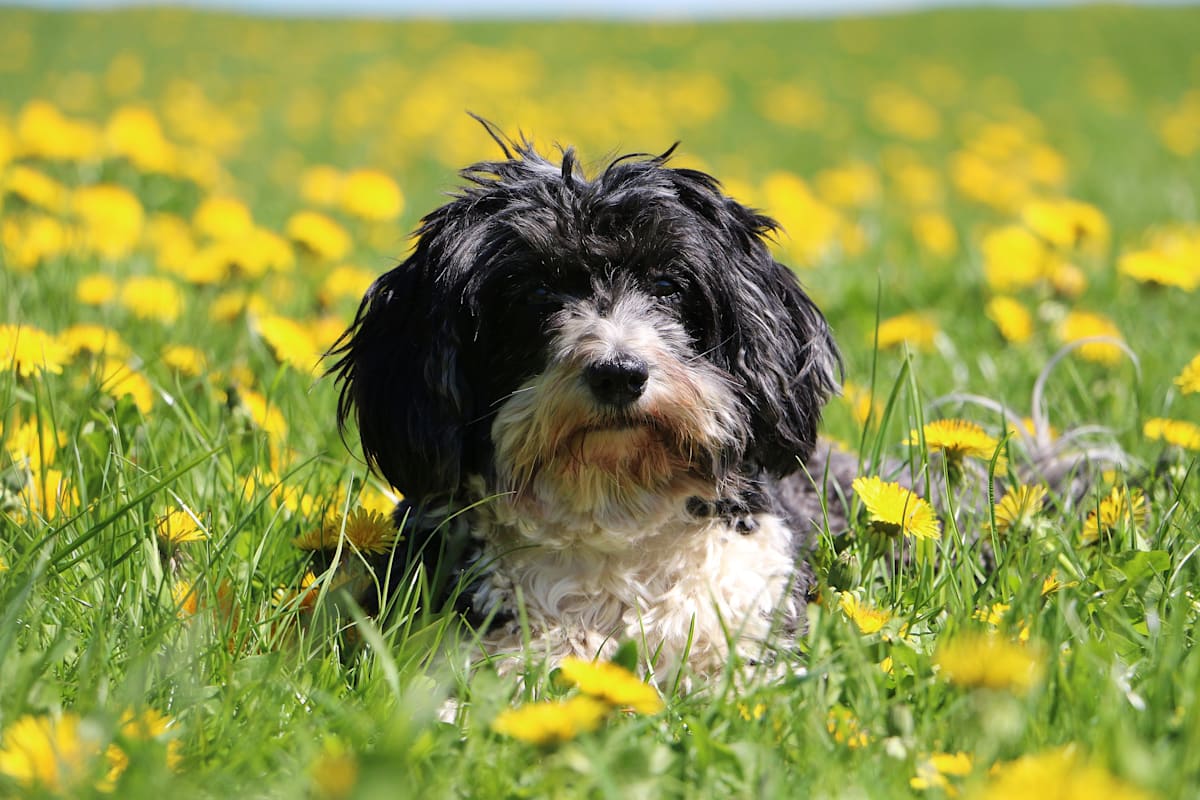
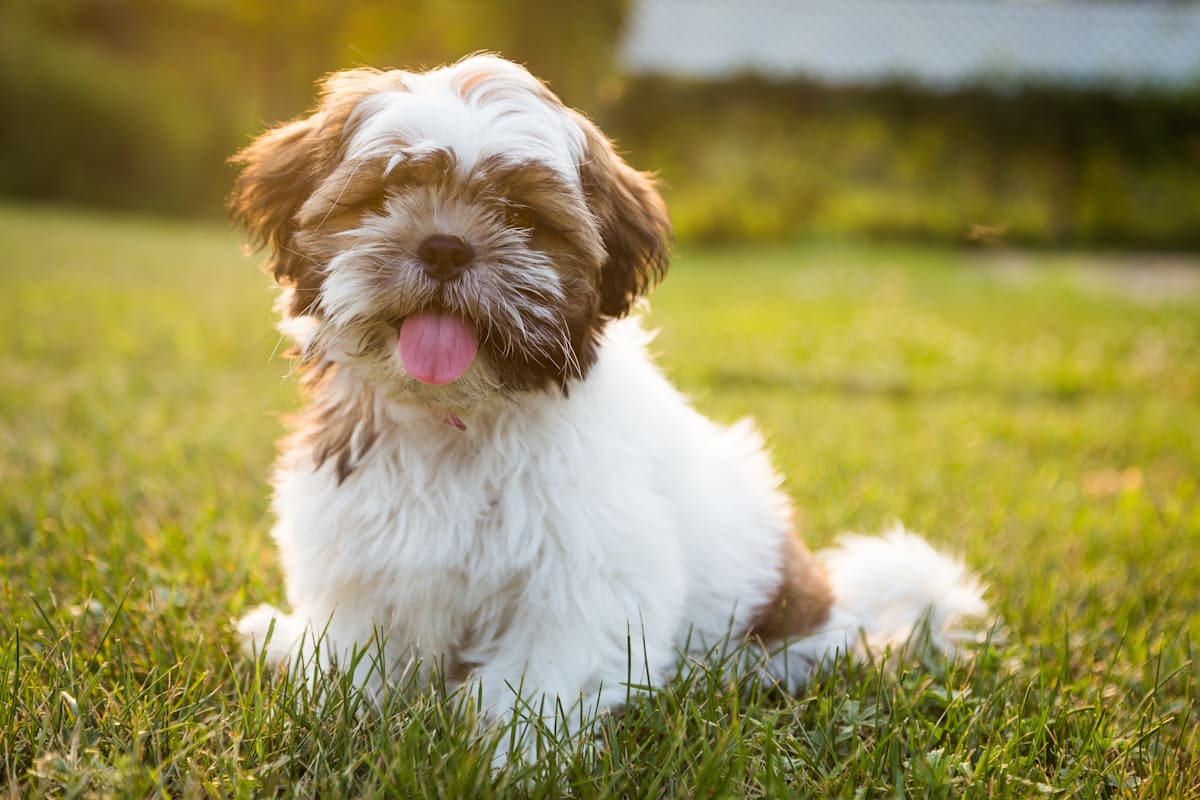
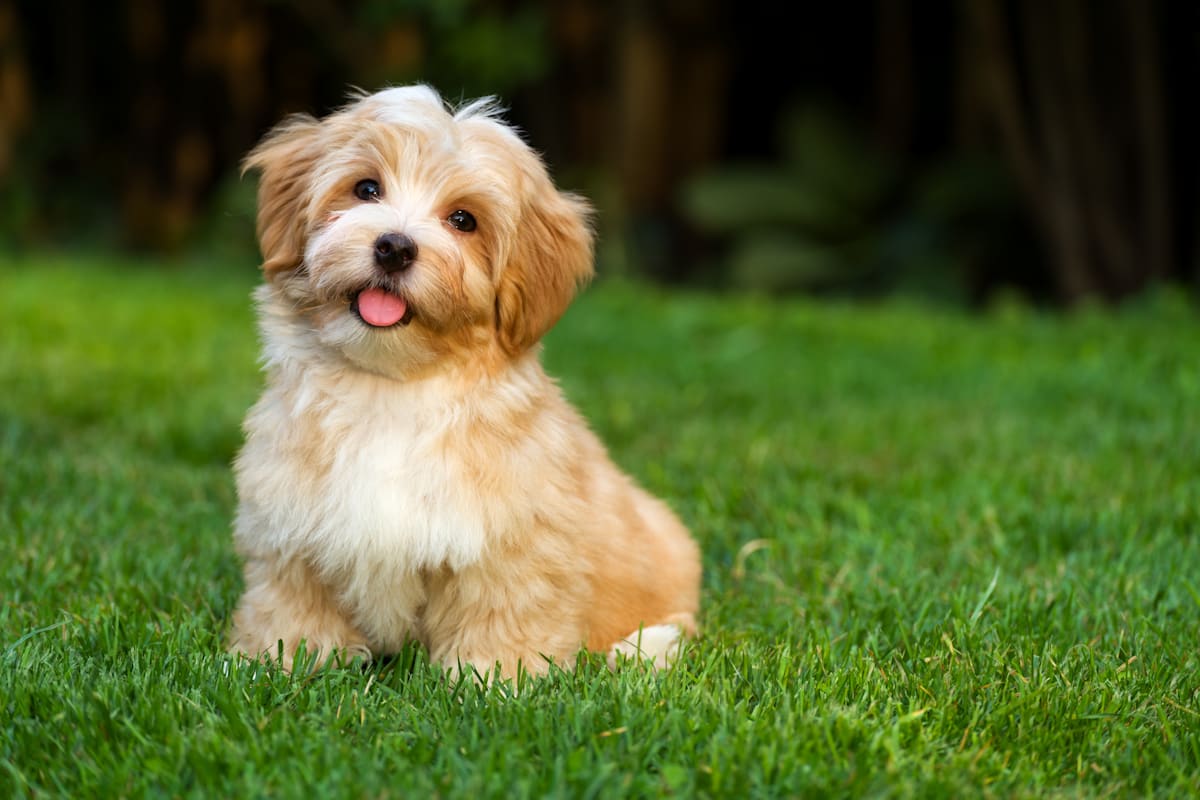
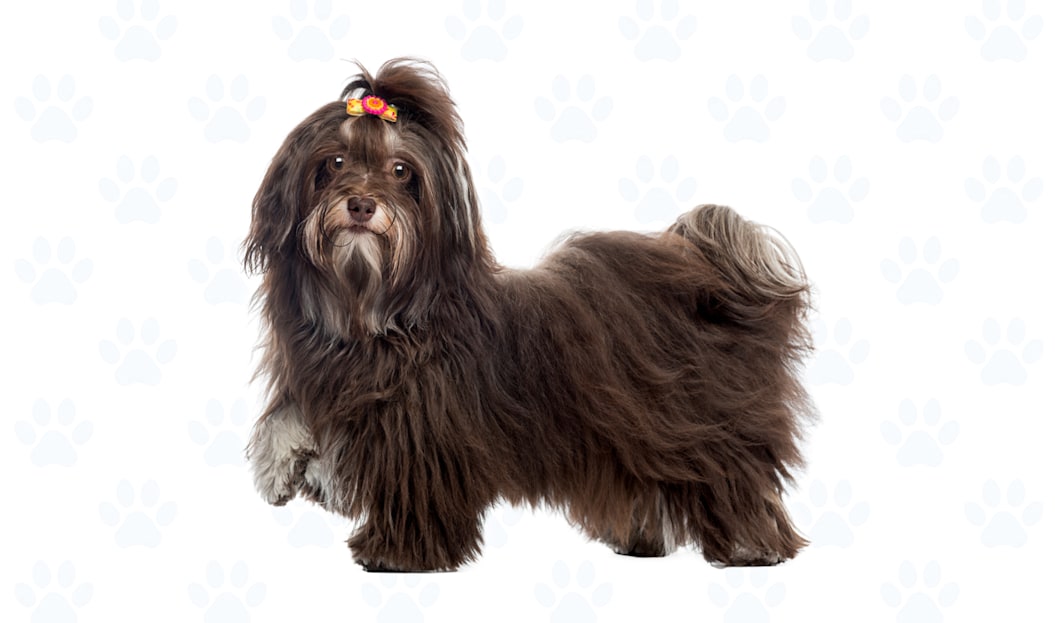
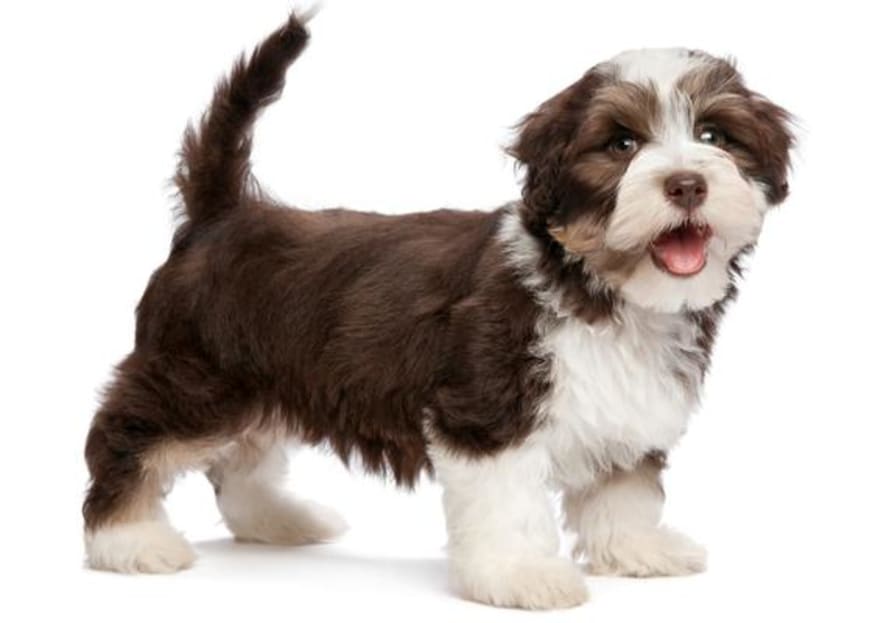
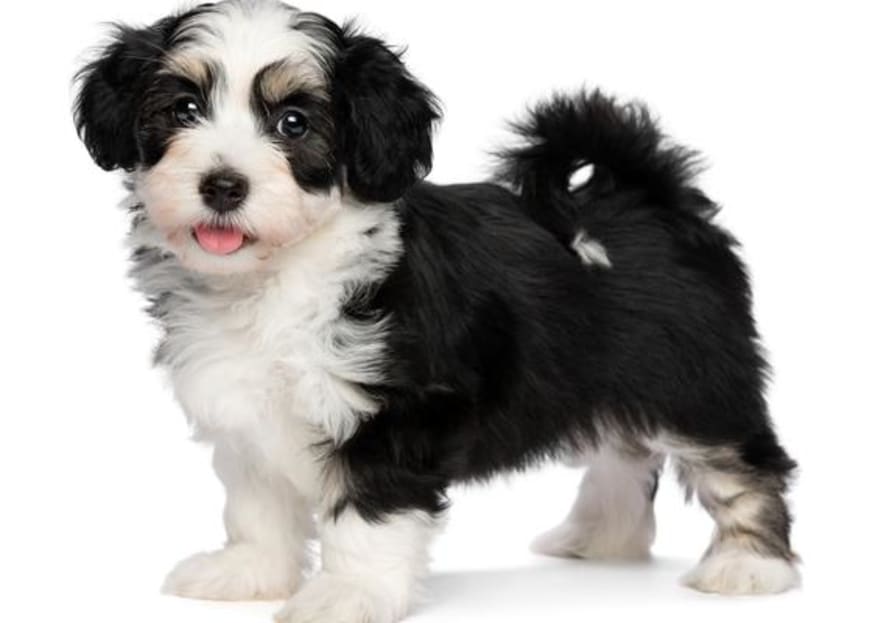
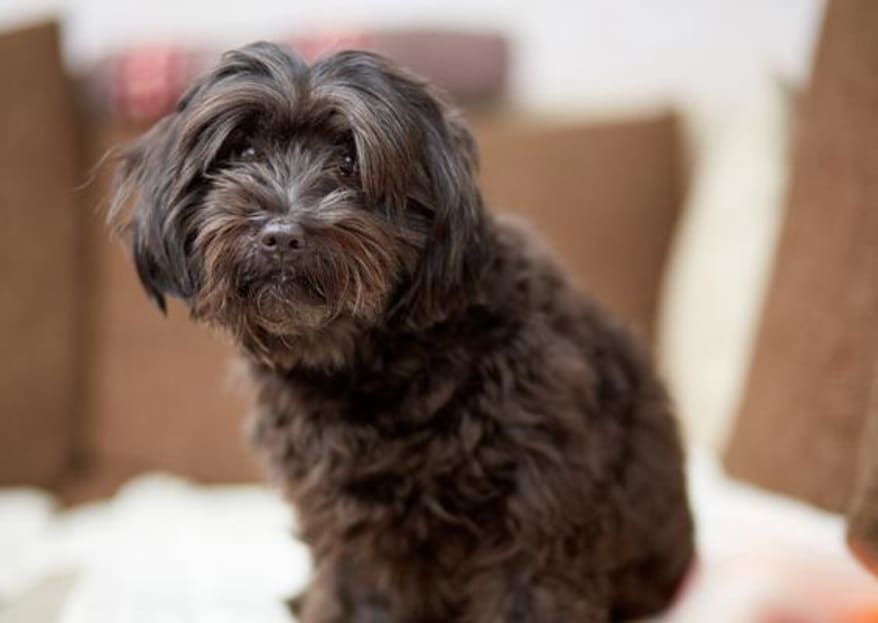
    The American Kennel Club (AKC) recognizes 16 different coat colors and combinations for competition. The AKC-recognized colors include white, black, black brindle, chocolate, cream, fawn, gold, gold brindle, gold sable, red, red sable, red brindle, silver, silver brindle, black & tan, and black & silver. The AKC states that all colors and markings are permissible for competition.

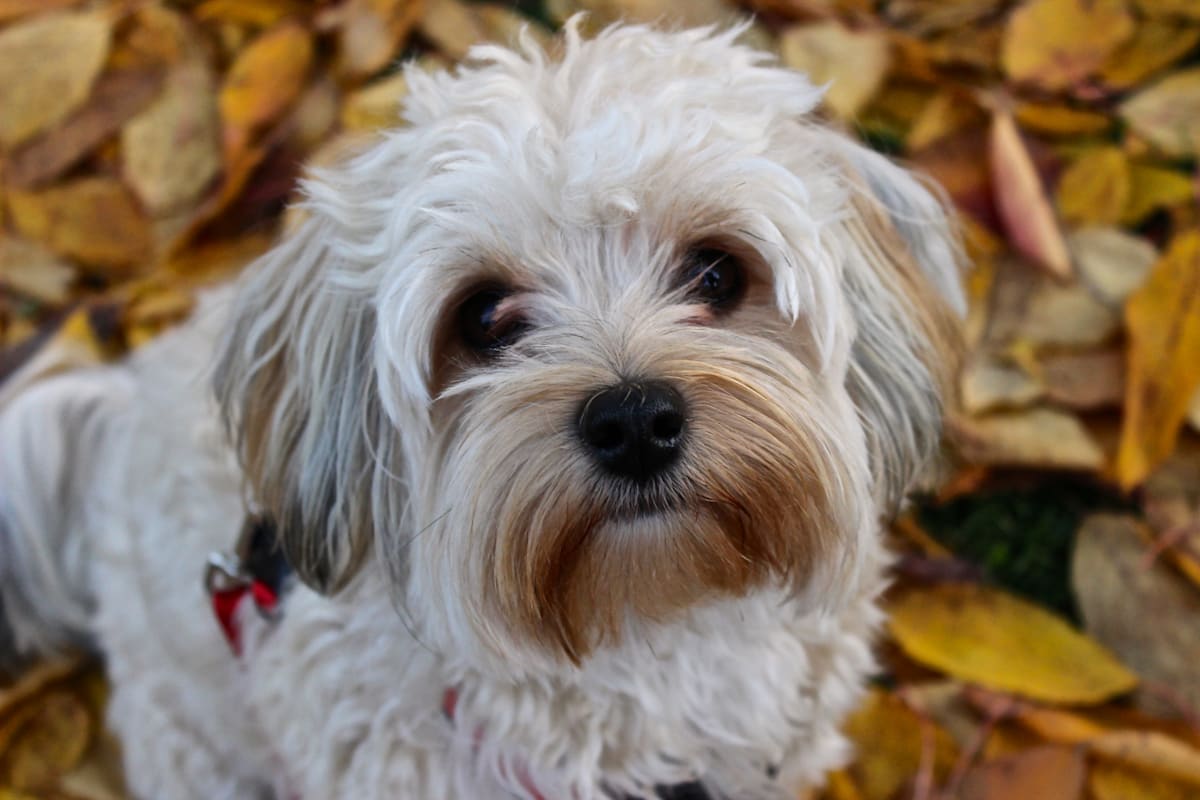
    The Havanese is a small yet solid dog with tons of charm and personality. They are very friendly and intelligent with a playful attitude. They are usually a bit longer than they are tall with short forelegs and a straight topline.

    Their coat is silky and long with softness and a lightweight feel. The undercoat is often minimal or absent altogether. It’s extremely important to brush their fur regularly since it’s prone to tangles and matting if left alone.

    Size & Weight

    Havanese are small dogs. An adult male is typically around 8 to 11 inches at the shoulder. In general, they vary between 7 and 13 pounds.
    Full Grown
    Female
    8 in. / 7 lbs.
    Male
    11 in. / 13 lbs.
    Height bar
    Female Pet
    Height Figure
    Male Pet
    Height is measured up to the shoulders.

    Havanese Characteristics

    Size

    Tiny

    Jumbo

    Weight

    Light

    Heavy

    Shedding

    Minimal

    Abundant

    Coat Length

    Short

    Long

    Grooming Frequency

    Occasional

    Frequent

    Living Space

    City apartment

    Ranch

    Exercise

    Couch potato

    Bring it on!

    Climate

    Warm

    Cold

    Personality

    Antisocial

    Outgoing

    Protection

    None

    Bodyguard

    Behavior with Kids

    Always monitor

    Babysitter

    Training

    Headstrong

    Obedient

    Barking

    Mute

    Loud

    How to Care for a Havanese

    Havanese do best when their affectionate nature and lively energy are supported with regular grooming, engaging training, and daily movement. Thoughtful nutrition, preventive care, and plenty of companionship help these social pups stay happy, healthy, and thriving at home.

    Coat & Grooming: Many Havanese owners will opt for a short cut to keep their hair at bay, but you will find longer haired versions as well. Professional grooming is important unless you plan to spend a lot of time dealing with your Havanese and that unruly coat. Keeping the hair out of the eyes is usually a good idea for cute looks and helping the dog’s vision.

    Watery eyes and tear-staining are very common to the breed. Keep the fur around the eyes clean with a dry cloth wipe. There are also whitening products and food additives that claim to help with stains from watery eyes. While you’re doing your regular grooming, make sure to also check their nails, ears, and teeth for signs of problems or irritation.

    Shedding: Havanese have a very minimal or nonexistent undercoat. They don’t shed much, but it helps to give them a regular brushing (at least twice per week) as well as a good bathing every so often. Consider investing in a good brush or a dog glove to make the process easier for you and more comfortable for your Havanese.

    Training: Training your Havanese is quite easy given their high intelligence and eagerness to please their owners. House training is usually a snap if you use your crate, and they love to play games and learn new tricks. From therapy clinics to the circus, many different businesses use the Havanese as a working breed because they are so easy to train. They respond well to positive reinforcement through praise and dog treats. As with any breed, early socialization and obedience training are crucial in the early stages of life. They need a moderate amount of exercise, so be sure to use every opportunity to play fetch and let them run around a safe place to play.

    Barking: Havanese don’t bark too much, but they will sound the alarm if startled or alarmed by something out the window or at the door. It’s important to develop good habits and expose them to a variety of environments and people early in the life of your pet

    They typically won’t bark at strangers if the owner seems at ease. Havanese love to play outside and run around a backyard enclosure. They don’t like to sleep outside and Havanese always prefer to be close to the center of action. Don’t leave them alone all day in your home because they can suffer greatly from separation anxiety.

    Personality: Havanese are very social animals. They love to be around people and generally offer love and affection to everyone in the room. The Havanese isn’t overly chatty with their bark, but they are very animated and happy to be around humans and other pets.

    Temperament & Behavior: The Havanese is a small yet energetic dog with a big heart. Early training and socialization are key to developing a smart and attentive dog later in life. Havanese have very high levels of attachment and loyalty to their owners. They don’t do well if left in isolation for long periods. Havanese are very quick to learn (especially as puppies) and take to house training very easily.

    Expect a lovable and affectionate dog with a big personality and an eagerness to be part of the family. The Havanese is a lovely dog that’s perfect for a family companion role in your household.

    Behavior with Kids: The Havanese is a super kid-friendly dog. They are sturdy despite their size, and their personality is gentle and loving. This breed is very popular with families with children.

    Protection: If you are looking for a watchdog or a protector, the Havanese isn’t necessarily the best choice. They are overly friendly and happy to make new friends with everyone they meet. Don’t be surprised to see them curled up at the feet of a burglar!

    Life span: On average, Havanese have a life span of 14-16 years.

    Inherited Health Issues: There have been several conditions identified in Havanese that are either inherited or occur at increased frequency in the breed. Most of the conditions listed below are suspected to be heritable. Congenital portosystemic shunt, cataracts, distichiasis, sebaceous adenitis, retinal atrophy and congenital deafness.

    Preventive Care: Routine veterinary attention is the most important aspect of keeping your Havanese healthy for the long haul. Your veterinarian has been extensively trained to pick up on subtle changes that may indicate larger health concerns before they become more problematic. Keeping your dog at a healthy body weight is another important way to prevent problems before they start. Obesity can exacerbate a host of medical conditions and is best avoided. Be sure to feed your Havanese a well-balanced diet with closely controlled portions to keep your dog lean and healthy.

    Since Havanese are prone to developing tear staining, be sure to carefully clean around your dog’s eyes with a damp soft cloth regularly. Regular brushing and grooming will prevent hair mats from developing. If left unattended, their skin can become quite irritated or even infected.

    Appropriately portion controlled meals of a well-balanced diet will help to keep your Havanese lean and healthy. Avoid offering treats or table scraps in excess, as this can lead to obesity.

    Daily Consumption: Average daily consumption for an adult Havanese is 1/4 to 1/2 cup.

    Energy Level: Frisky, energetic breed that is always ready for action

    Exercise: A little running around the backyard and a daily walk to the park should be plenty of exercise to keep your Havanese happy and healthy. Make sure to give your dog a lot of love to make sure they feel welcome and accepted by your family. One of the weird quirks of this breed is their fondness for “perching” or sitting somewhere up high to take in their environment with a watchful eye. They also love to shred and eat paper – consider investing in some dog-proof waste baskets for your home.

    Climate: The Havanese does well in most climates. If you live in a very hot or very cold place, just remember to keep a close eye on your pet for overheating or exposure. Excessive panting or shivering means you need a break from the extreme weather. Otherwise, the Havanese is equally happy in cool and warm weather.

    Cost of Owning

    On average, owning a middle-aged Havanese costs around $850 per year
    $250
    Vet Care
    $250
    Grooming & Boarding
    $150
    Food & Treats
    $150
    Other

    Unlock exclusive rewards with Vital Care, or enjoy up to 35% off essentials when you subscribe with Repeat Delivery.

    Enjoy exclusive rewards every time you shop. Get member-only deals, points, and special offers designed to help you save more on what your pet needs.

    Never run out of the essentials. Subscribe and get your pet’s favorites delivered on schedule—with up to 35% off plus the convenience of automatic refills.

    Cross Breeds

    Select a Breed to Cross

    Choose a breed from the dropdown to see potential crosses.

    Bichon Frise
    Dropdown Icon

    Your love story starts here.

    Find adoptable pets near you with a simple search.

    Fun Facts

    The Havanese is the only dog breed considered a native of the island of Cuba. They take their name from the capital city of Havana.

    Many famous celebrities and dignitaries are proud Havanese supporters. Ernest Hemingway, Barbara Walters, Queen Anne, and Venus Williams all had Havanese as pets.

    The breed faced extinction, but a group of Cuban families left Cuba for the US and started a breeding program to bring the Havanese back to healthy numbers.

    Some Havanese are able to sniff out termites and household mold to help with removal and renovations. That takes some serious sniffing power!
    History

    Origin: Cuba

    The Havanese started out as a variation of the Bichon breed. The first Havanese forefathers came to Cuba from Tenerife, Canary Islands. Some historians believe the breed came from Malta based on writings of Aristotle and other ancient writers. Spanish colonist and wealthy Cubans fell in love with the breed for its charm and gentle nature.

    After the Cuban revolution, the breed became associated with wealth and privilege. Many rich Cubans who fled Castro couldn’t bring their pets, so the breed fell into a period of unpopularity. Cuban-American breeders in the 1970s managed to save the Havanese through a selective breeding program in Florida. The AKC didn’t recognize the breed officially until 1999.

    Read More

    Sponsored