Petco Text Logo
Petco Pet Logo

About Dalmatian

Dalmatians are a devoted breed with a distinct appearance. They have abundant energy and love to run around with their owners. If you are a couch potato, this breed isn’t necessarily the best choice for you. Dalmatians are prone to genetic problems including urinary tract issues and deafness. It’s important to choose a reputable breeder to avoid common problems associated with the Dalmatian. People with active lifestyles and lots of time to exercise are a good fit for this famous breed.


Origin: Croatia   Other Names: Carriage Dog, Spotted Coach Dog, Leopard Carriage Dog, Firehouse Dog

Non-Sporting Group

The breeds in the Non-Sporting Group are a varied collection in terms of size, coat, personality and overall appearance.

Non-sporting dogs are a diverse group. Here are sturdy animals with as different personalities and appearances as the Chow Chow, Dalmatian, French Bulldog, and Keeshond. Talk about differences in size, coat, and visage! Some, like the Schipperke and Tibetan Spaniel are uncommon sights in the average neighborhood. Others, however, like the Poodle and Lhasa Apso, have quite a large following. The breeds in the Non-Sporting Group are a varied collection in terms of size, coat, personality and overall appearance.

Petco Pet Education Center

General appearance

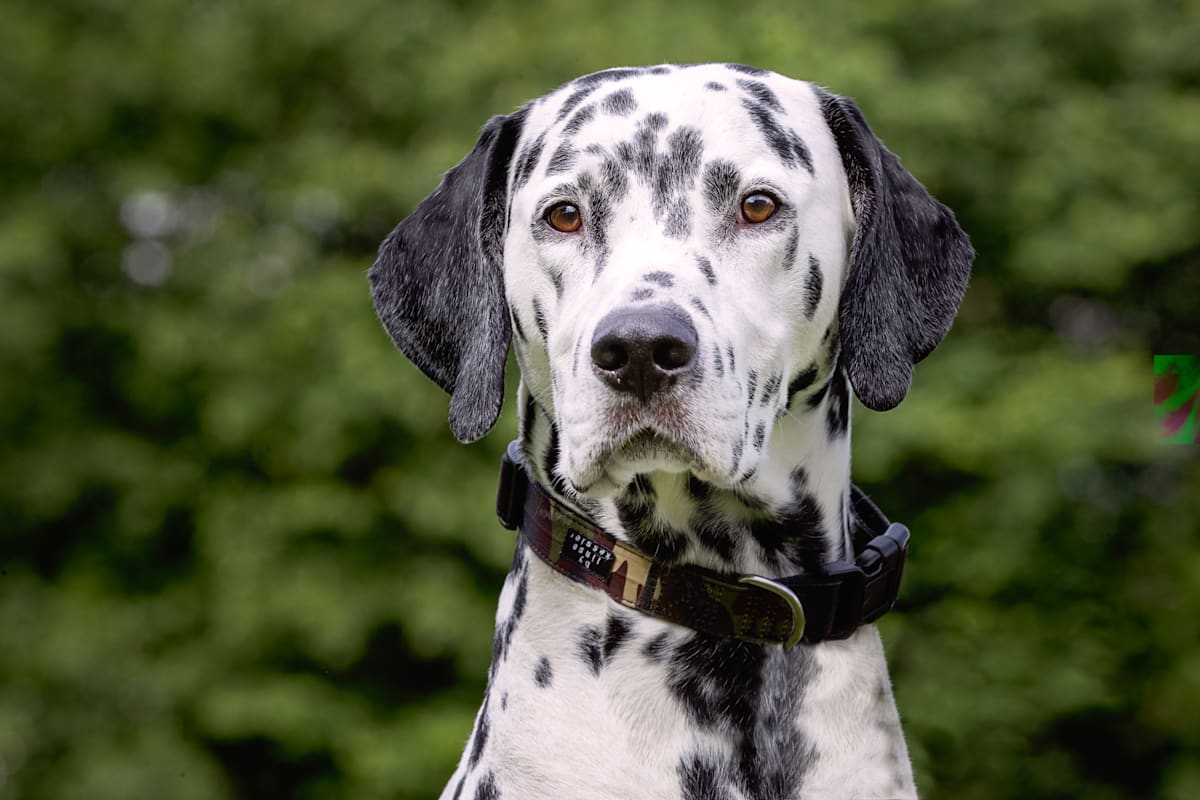
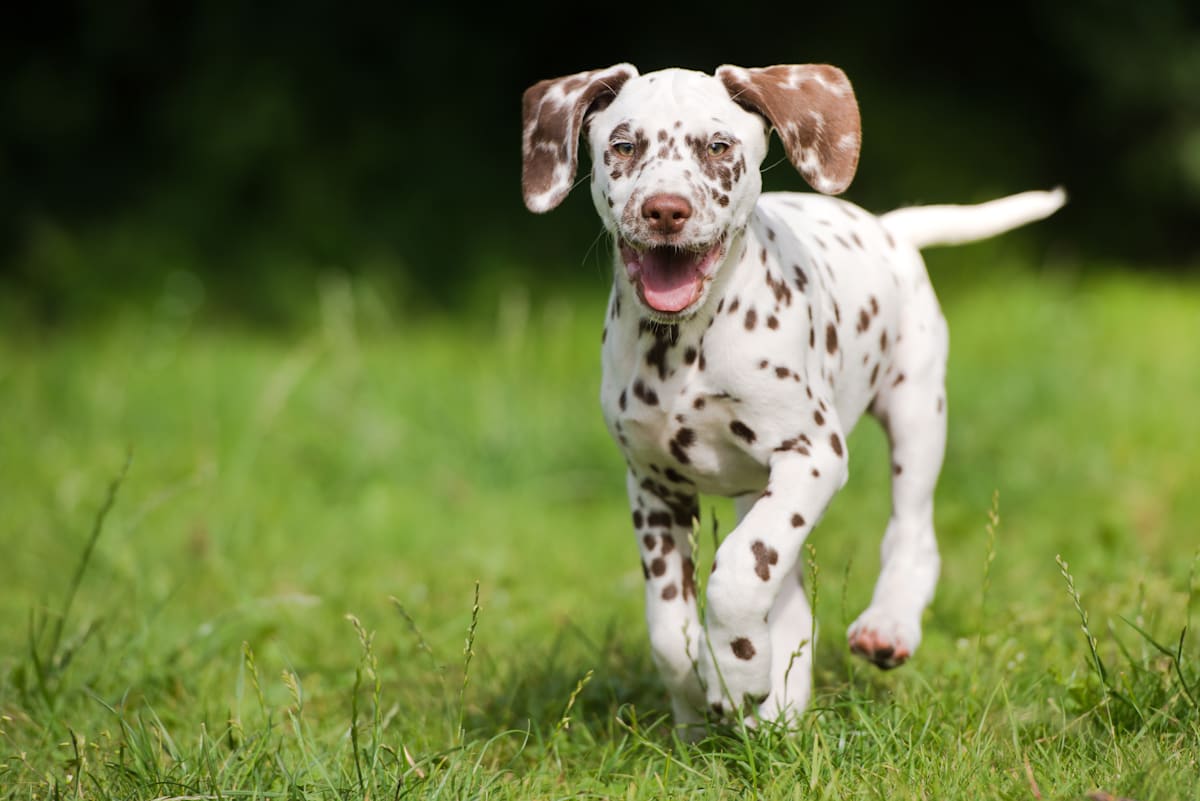
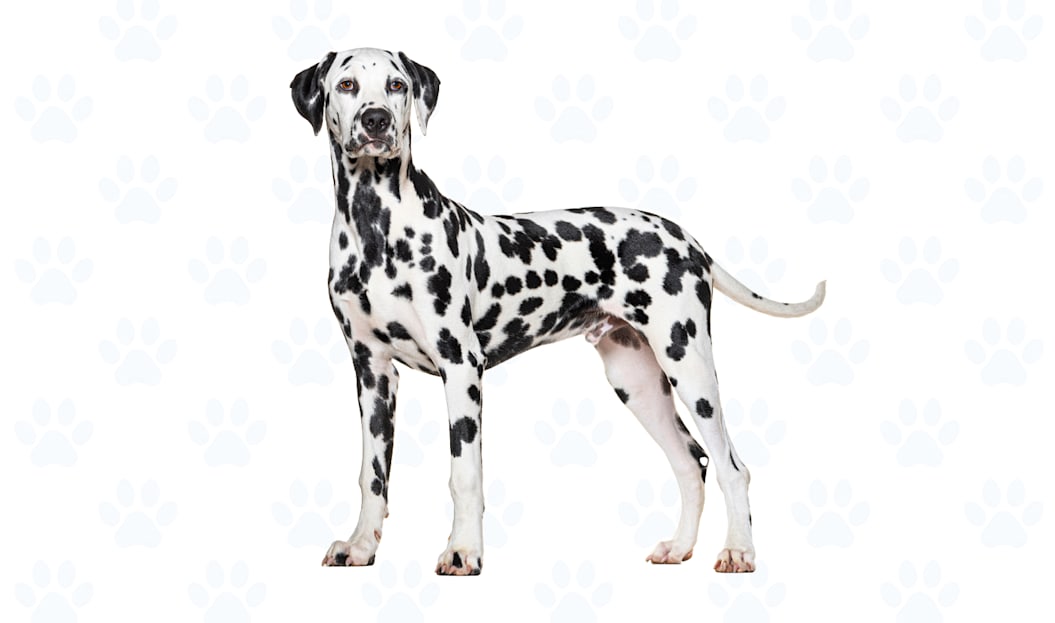
The American Kennel Club (AKC) doesn’t offer much guidance on acceptable coat colors – all members of the breed share the white body with black spots. Dalmatians are iconic for their spotted coats, but they are born with plain white coloring. The spots appear over the course of the first month and continue to appear at a decreasing rate. Spots are almost always black or brown, but other colors such as brindle, red, and yellow do appear in rare cases.


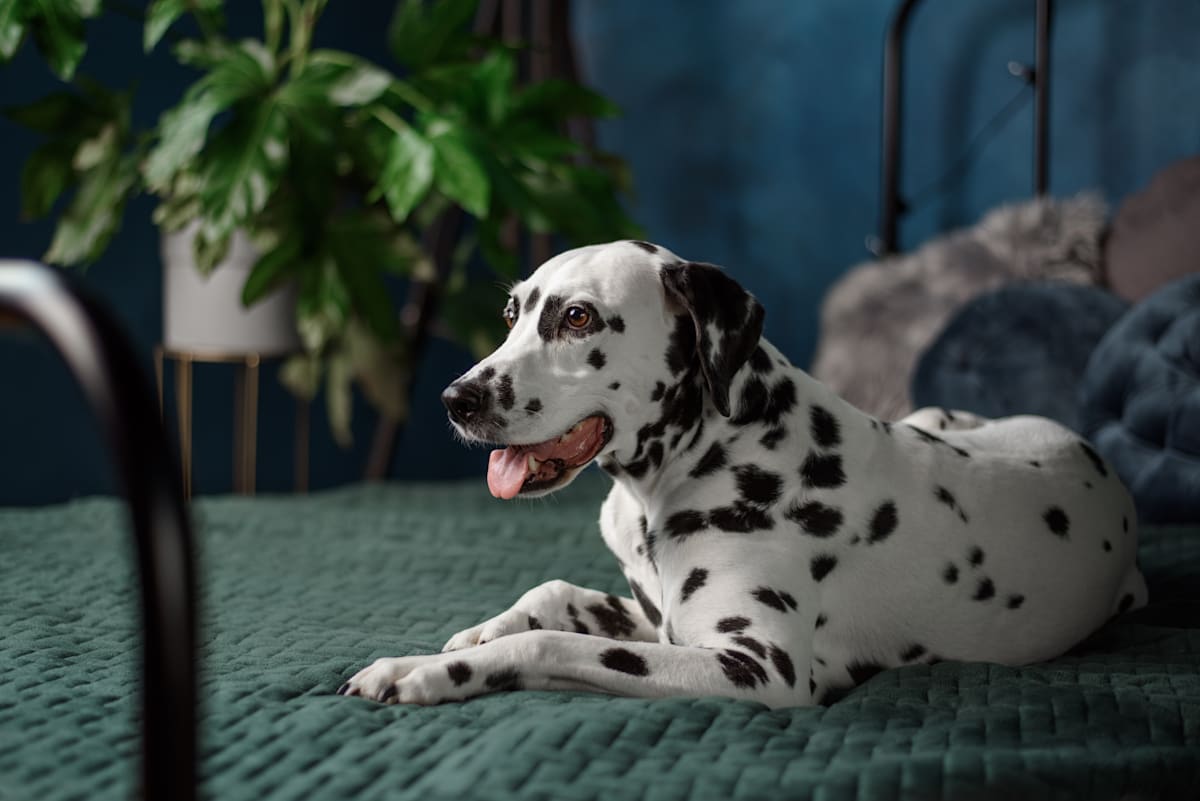
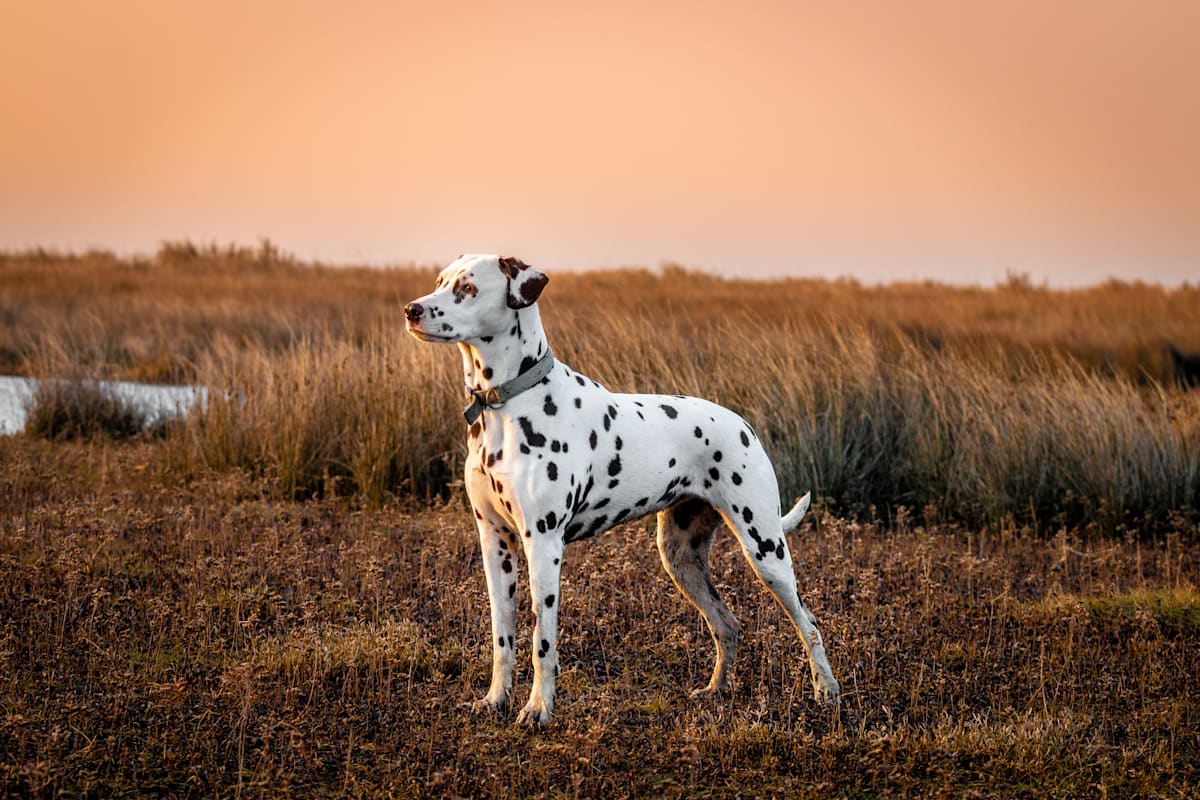
The Dalmatian coat is short, fine and dense. Since their coats aren’t very oily, they usually don’t produce much of a “dog smell”. Dalmatians have a strong and agile body, built for running long distances. Their ears are thin and tapered, and they sit high and close on the head.

Colors

This breed can be found in a variety of colors. You can check them out below.


Size & Weight

Dalmatian are medium-sized dogs with a slender frame. They typically weigh between 45 and 65 pounds. Adult dogs are usually around 19-24 inches tall at the withers (shoulders).

Full Grown
Female 19 in. / 45 lbs.
Male 24 in. / 65 lbs.

Height is measured up to the shoulders.

Female Size Chart
Height Figure
Male Size Chart
6 ft. 4 ft. 2 ft.

Cost of Owning

On average, owning a middle-aged Dalmatian costs around $1000 per year
$300
Vet Care
$200
Grooming & Boarding
$200
Others
$300
Food & Treats

Characteristics

Size

Adult Dalmatians are usually around 19-24 inches tall at the withers (shoulders).

Tiny
Jumbo

Weight

Dalmatian are medium-sized dogs with a slender frame. They typically weigh between 45 and 65 pounds.

Light
Heavy

Living space

Dalmatians are large dogs with abundant energy. They don’t make good apartment dogs, and it’s a bit cruel to leave them alone in a small space all day. If you live in a small apartment or condo unit, this probably isn’t the dog for you.

City apartment
Ranch

Exercise

Dalmatians are happiest when they have a regular exercise schedule with a healthy outlet for their big gas tank. They were bred to run alongside long carriage rides through the countryside, so they have endless energy to run and play outside. If you can’t devote a significant amount of time to exercise, your Dalmatian may develop health and behavioral problems down the line.

Couch potato
Bring it on!

Personality

Dalmatians are very social dogs with lots of charm and devotion to their family. They usually play well with other dogs, and properly socialized Dalmatians tend to be well-mannered and obedient. Early socialization is key to develop the proper habits and social confidence later in life.

Antisocial
Outgoing

Protection

Dalmatians were originally protection animals for long carriage rides, but they don’t make great guard dogs these days. The breed is typically friendly and docile, and they don’t bark much. If you’re looking for a home security system, a Dalmatian is a poor choice. They are great companions, but they aren’t very protective when it comes to strangers.

None
Bodyguard

Behavior with kids

Dalmatians are a great breed for families with children. They are very gentle and loving when it comes to children and members of their family. Since they are a sizeable breed, it’s important to supervise small children and people unfamiliar with dog handling. Generally, they are very friendly and tolerant dogs.

Always monitor
Babysitter

Training

Dalmatians like to learn and perform training activities. They learn quickly and easily in most cases. Dalmatians tend to wander, but they are generally obedient and make good students for agility and obedience trials.

Headstrong
Obedient

Shedding

Dalmatians shed a lot, and you’ll wonder how your dog manages to distribute so much dog hair around your home. It pays to invest in good grooming tools and stick to a regular schedule. If you don’t have a good vacuum, you might want to shop around for a powerful cleaning tool to help you manage all that flying fur.

Minimal
Abundant

Climate

Dalmatians can survive in most climates, but they don’t like to be in extremely hot or cold weather. If you live in a place with very hot summers or very cold winters, you need to make sure that your dog isn’t overexposed to the elements. Some time in the shade with the water bowl or a winter coat can help a Dalmatian manage in extreme conditions.

Warm
Cold

Barking

Dalmatians aren’t very loud, but you might hear the odd bark from time to time. They aren’t overly protective or aggressive. If you want a guard dog to scare off strangers, you probably don’t want a Dalmatian. Despite their size and athletic body, they are gentle and unimposing most of the time.

Mute
Loud

Temperament & Behavior

Dalmatians are calm and collected, and they make great family pets. Throughout history, the Dalmatian was prized for their unique looks and dignified presence. As carriage dogs, they helped to calm horses with their stoic bravery and endless working energy. Today, Dalmatians make good family pets, but they require a lot of exercise to stay healthy and happy. They have a loving and devoted attitude towards their family, and they aren’t overly aggressive with strangers. Dalmatians are very intelligent and without the proper training, they can develop a stubborn streak.

Barking: Understanding your dog

Dalmatians are not a terribly loud breed, but they do bark from time to time. Early socialization and obedience classes can help your Dalmatian develop a well-rounded personality. If your Dalmatian barks at every passing bird and car, it may be a sign of health or behavioral problems.

Training

Dalmatians are intelligent and perceptive dogs, and they like to learn given the right approach and learning environment. Without the right guidance and training early in life, they can develop a stubborn attitude and an independent mind. Despite their sturdy frame, Dalmatians can be sensitive. They don’t respond well to harsh training methods, so it’s important to use positive reinforcement and lots of praise to keep them engaged in your lessons.

Habits and Exercise

If you aren’t a fitness fanatic, it may be a struggle to get enough exercise for your Dalmatian. They have endless energy and abundant enthusiasm for running. Since they cut their teeth as working dogs, Dalmatians aren’t afraid of heavy labor and long days in the fields. If you can’t devote a lot of time to your Dalmatian, you might consider the services of a local dog walker to make sure your dog gets enough exercise. Without the right fitness regime, they quickly develop health and behavioral problems.

Energy Level

Frisky, energetic breed that is always ready for action

Energy Level

Nutrition

Dalmatians can become overweight if over-fed or under-exercised, so be sure to monitor your dog’s weight closely. Feed portion-controlled meals and avoid excessive quantities of treats or table scraps. If your Dalmatian is diagnosed with urate crystals in their urine, you may need to transition their diet to a prescription-based formula designed to decrease the formation of these crystals. If this diet change is needed, expect to feed this food for the duration of your Dalmatian’s life.

Daily Consumption

Average daily consumption for an adult Dalmatian is 1.5 - 2.5 cups

Daily Consumption

Preventive care

Routine veterinary care is critical for all dogs and your veterinarian is well trained to pick up on even subtle changes that can indicate larger health problems. Since congenital (inherited) deafness occurs relatively commonly in Dalmatians, all Dalmatian puppies should have a brainstem auditory evoked response (BAER) test performed at least 35 days after birth. Specialists in veterinary neurology most commonly perform this test for responsible breeders and provide certification for breeders to share with owners. Deaf dogs can become startled easily, which can lead to inadvertent aggressive behavior.

 

Prescription diets are available to manage the urate urinary crystals that Dalmatians are prone to developing. These diets have not been found to be necessary as a preventative measure in dogs that are currently unaffected by urate urinary crystals. With Dalmatians in particular, always monitor your dog for changes in urinary habits or water consumption and contact your veterinarian with any concerns.


Be sure to keep your Dalmatian at a lean and healthy body weight throughout life. The best way to manage this is to feed portion-controlled meals while avoiding excessive treats or table scraps.

Inherited health issues

Many conditions have been recognized in Dalmatians both at an increased frequency in the breed or through inheritance. The most commonly well-known of these conditions are congenital deafness and the propensity for forming urate crystals in the urine. Other conditions may include: truncal solar dermatitis, chronic hepatitis, cryptococcosis, caryngeal paralysis, polyneuropathy syndrome, cavitating leukodystrophy, ceroid lipofuscinosis, ocular dermoids, glaucoma, entropion and familial renal disease.

Life Span

On average, Dalmatians live to be about 13-15 years old.

Life Span

Did you know?

  • The breed had a massive jump in popularity after the 1956 novel 101 Dalmatians. Disney bought the rights to the film adaptation and released their animated version in 1961 and a live-action remake in 1996.
  • George Washington was an early booster of the breed, and he even dabbled in his own breeding line. His beloved carriage dog Madame Moose was a large Dalmatian that followed him everywhere.
  • Dalmatians are spotted, but did you know that their spots are everywhere? Even the inside of the mouth has piebald spotting. If you’re brave enough to look (and smell their breath), you can find those spots on the roof of their mouth!
  • The popularity of the breed in Hollywood didn’t do the Dalmatian any favors. Many families bought Dalmatians without doing their homework, and the breed quickly filled up shelters and foster homes. The popularity of the breed peaked in the 1990s and saw a decline in registrations of 90% between 2000 and 2010.


Coat and Grooming

Their coats are fine and short, but Dalmatians shed a lot. Regular brushing is critical – daily grooming sessions are a must. Since their coats have very little natural oil, the breed has almost no “dog smell”. The short, stiff hairs from a Dalmatian can be very difficult to remove from upholstery or carpeting. It pays to invest in a good vacuum and stick to a strict grooming schedule.


Aside from their heavy shedding, Dalmatians can suffer from ear and eye problems. When you do your daily grooming, take a moment to inspect their ears, eyes, teeth, and nails for signs of inflammation or irritation. Don’t let their nails get too long, and make sure their teeth get brushed on a regular basis to avoid common dental problems.

Coat length

Short

Coat length

Grooming

Frequent

Grooming

Shedding

Dalmatians are big shedders, and they do it year-round. If you prefer a pristine home without the obvious presence of pets, this breed isn’t a good choice for you. If you are up for the challenge of owning a Dalmatian and keeping a clean house, it’s worth spending money on proper dog grooming tools and a good vacuum. A high-quality dog brush and a daily grooming session are your best defense against the Dalmatian’s prolific shedding.

History

The Dalmatian comes from Croatia from the region formerly known as Dalmatia on the Mediterranean coastline. The first images of the dog appeared in Croatia painting and murals around the early 1600s. The breed had many roles including protecting carriages, war duties, and hunting. The breed saw most of its modern development and cultivation in England during the 1800s. Its unique coat and desirable qualities made it popular in the British Empire of the day. Since Dalmatians are very comfortable around horses, they were popular with fire brigades. Dalmatians would run ahead of the horse-drawn fire engines to lead the horses and clear a path through traffic. After the motorized fire engine replaced the horse carriage, the firefighters still kept Dalmatians around as their official mascot. The first breed standard came in 1890 with the formation of the Dalmatian Club of England. The AKC standard came slightly earlier in 1888.