Petco Text Logo
Petco Pet Logo
Jump To Section

    About Dachshund

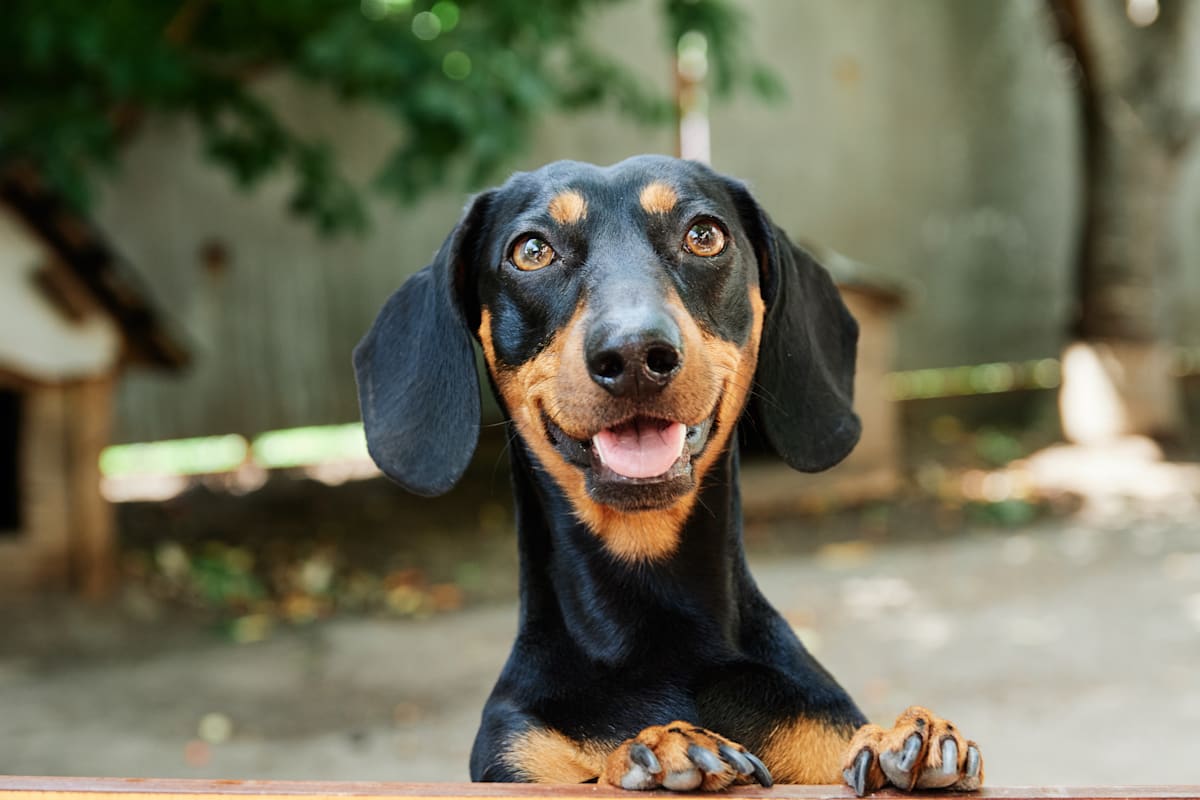
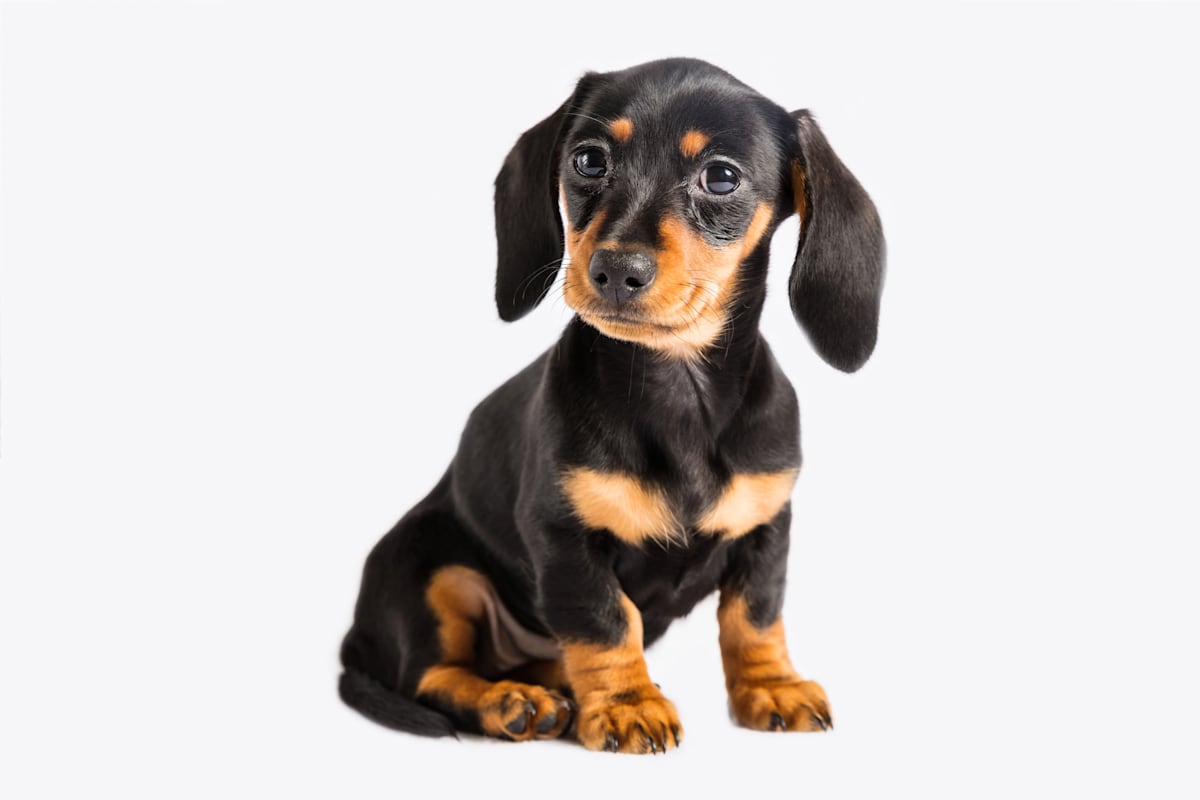
    Dachshunds are half a dog high, a dog and a half long, and possess two times the courage of dogs twice their size. This breed is the smallest of the hound group, and displays the typical characteristics, plus some. Originally bred in Germany, Dachshunds are independent, plucky, curious, and boisterous companion dogs with roots in the field, flushing underground game. The breed comes in many varieties, with two standard sizes, three coat types and a multitude of colors. They are hardy and athletic by nature but do suffer from spinal injuries. Apparently the perks outweigh the risks, because Dachshunds are the 13th most popular dog breed in America, thanks to their manageable size, charming personalities, and high spirits.

    Origin: Germany   Other Names: Dachsie, Doxie, Wiener Dog, Dackel or Tekel in German

    Hound Group

    Most hounds share the common ancestral trait of being used for hunting. Most hounds share hunting roots, using keen scenting ability or impressive stamina to track and pursue quarry. The group is highly diverse, spanning breeds like Beagles, Afghan Hounds, Pharaoh Hounds, and Norwegian Elkhounds. Many are also known for baying, a distinctive vocalization that’s worth experiencing before bringing a hound home.

    Breed Appearance

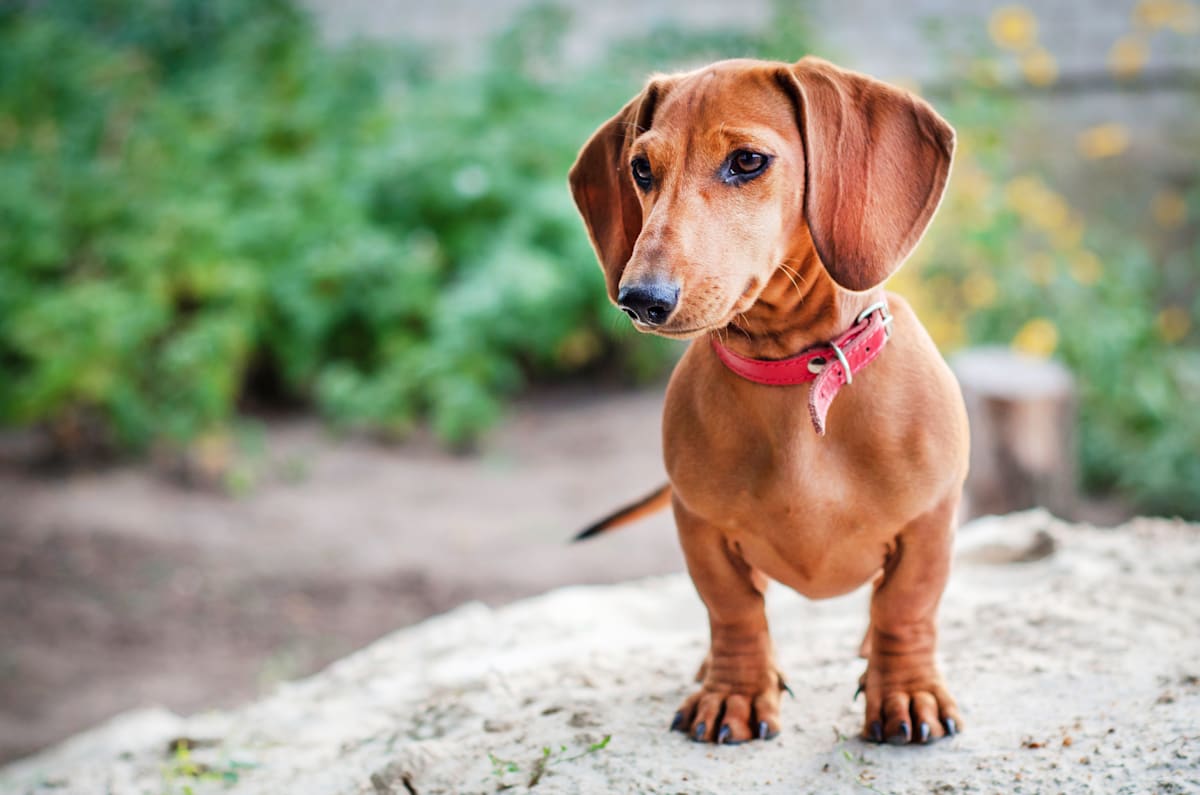
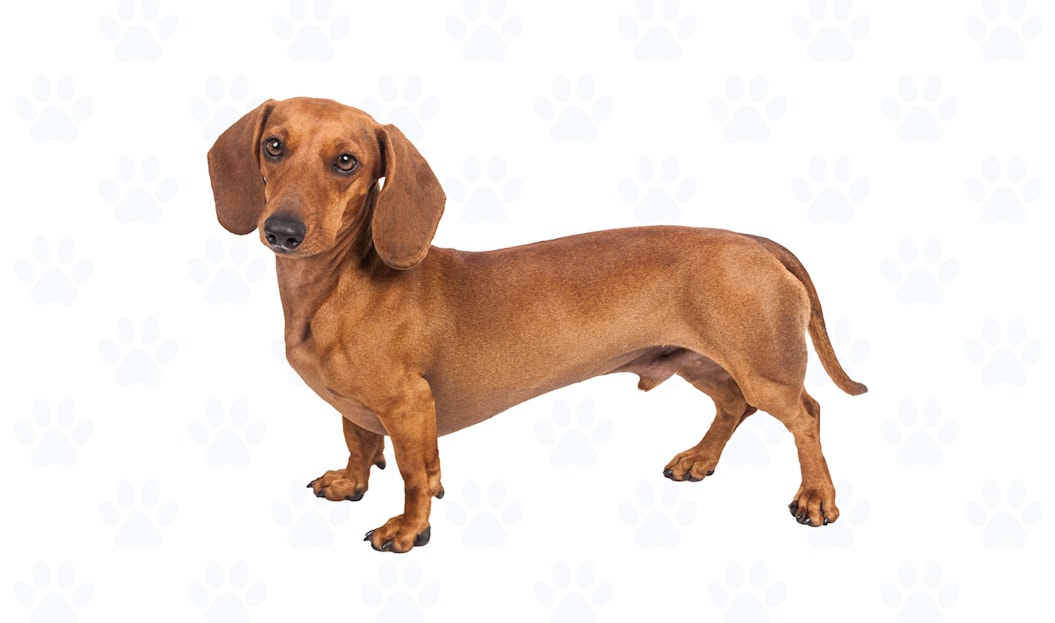
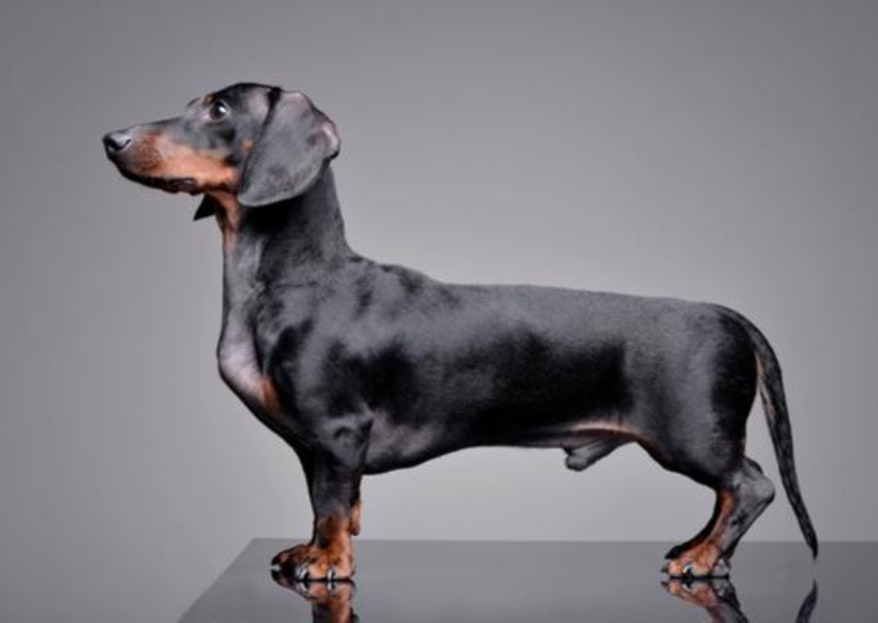
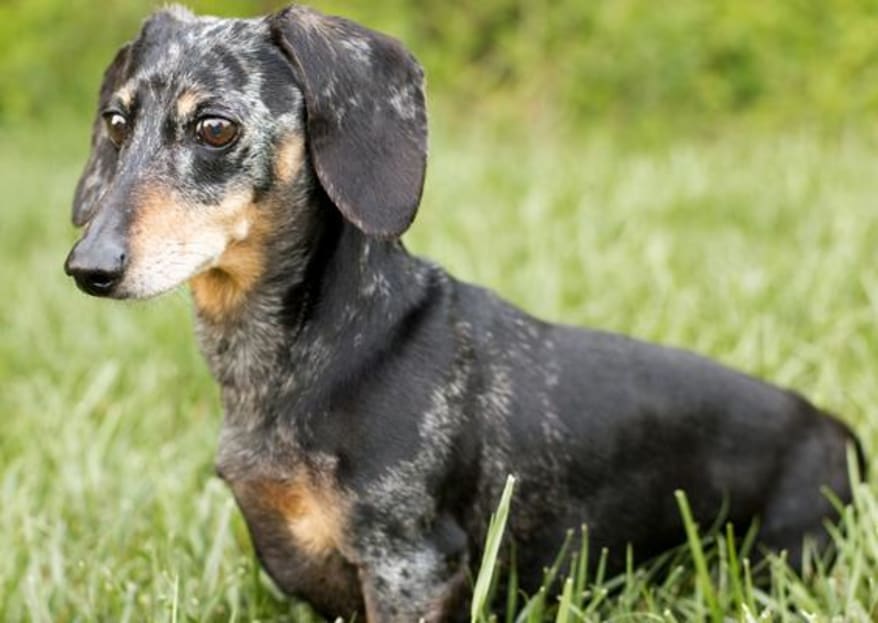
    Despite their primary reputation as household dogs, the Dachshund couldn’t be more specifically designed for hunting underground game. They have a long body that is low to the ground, allowing them to easily navigate into tight areas. Proportionately, Dachshunds have a large, prominent chest, which gives the dog plenty of digging power and lung capacity for underground jaunts. They have short, powerful legs with webbed paws that move heaps of dirt with efficiency. The hind legs should look like a series of right angles connected. Their heads taper evenly down a long, slightly arched muzzle. They have long, rounded ears, which gathered in scents and keep debris from entering the ear canal.

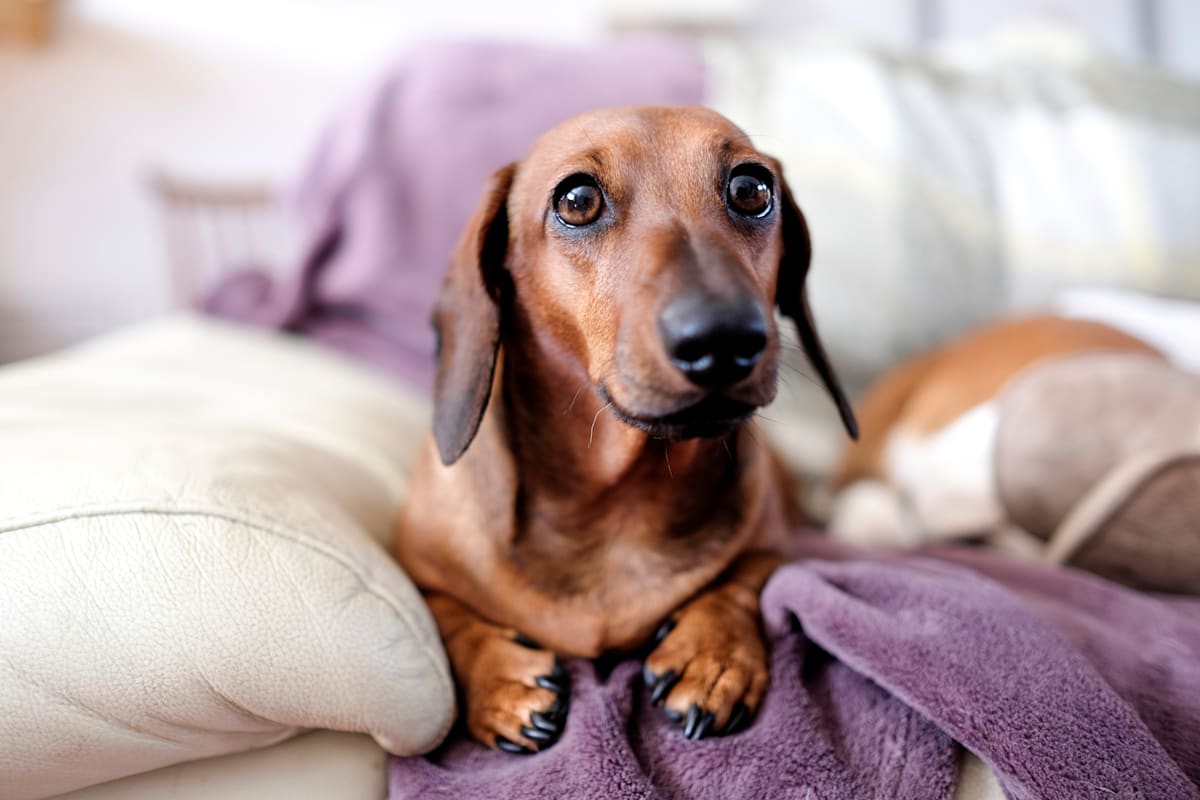
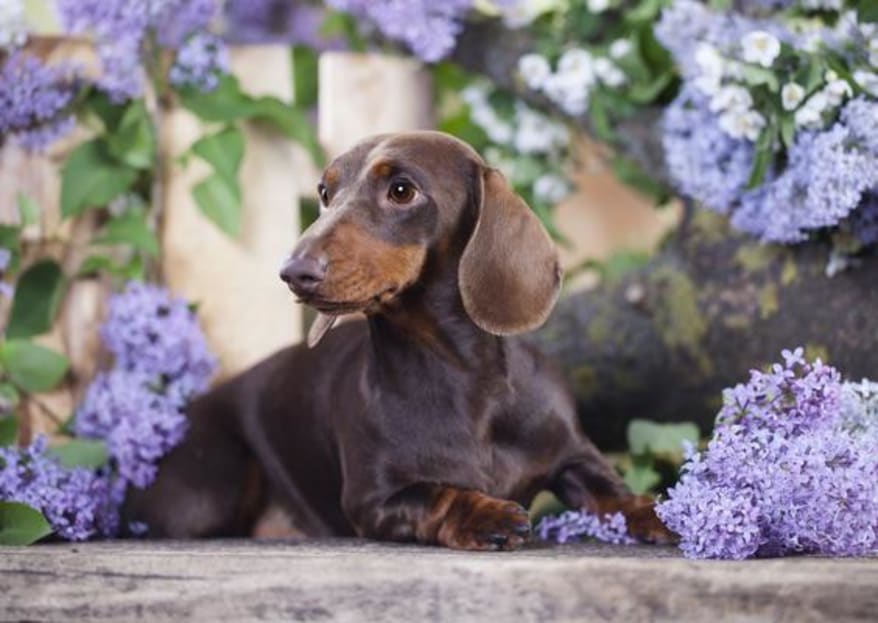
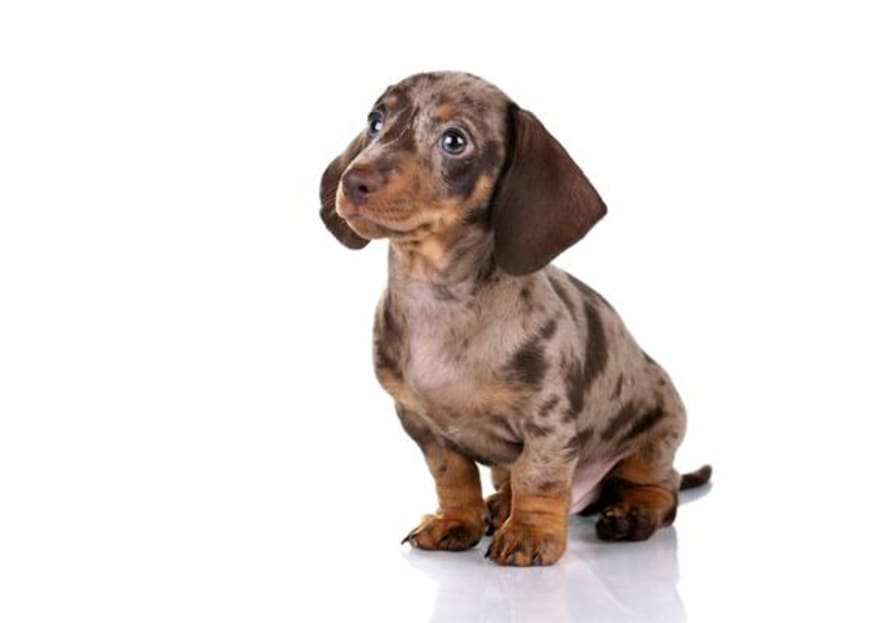
    Dachshunds come in a variety of coat colors and lengths. There are three coat varieties: smooth, wirehaired, and longhaired. The possible coat colors are numerous but most commonly seen in black, blue, tan, wheaten, fawn, red, and wild boar, which is a mix of black, grey, and brown.

    Size & Weight

    Dachshunds come in two recognized sizes, miniature and standard. Minis weigh between 8-11 pounds and stand 5-7 inches tall at the shoulder. Standards weigh 15-30 pounds and stand 8-9 inches.
    Full Grown
    Female
    8 in. / 15 lbs.
    Male
    9 in. / 30 lbs.
    Height bar
    Female Pet
    Height Figure
    Male Pet
    Height is measured up to the shoulders.

    Dachshund Characteristics

    Size

    Tiny

    Jumbo

    Weight

    Light

    Heavy

    Shedding

    Minimal

    Abundant

    Coat Length

    Short

    Long

    Grooming Frequency

    Occasional

    Frequent

    Living Space

    City apartment

    Ranch

    Exercise

    Couch potato

    Bring it on!

    Climate

    Warm

    Cold

    Personality

    Antisocial

    Outgoing

    Protection

    None

    Bodyguard

    Behavior with Kids

    Always monitor

    Babysitter

    Training

    Headstrong

    Obedient

    Barking

    Mute

    Loud

    How to Care for a Dachshund

    Caring for a Dachshund means supporting their energetic spirit while protecting their unique build. From balanced nutrition and safe exercise to consistent training and routine grooming, thoughtful care helps them stay happy, healthy, and thriving at every life stage.

    Coat & Grooming:

    Dachshund grooming is all about having the right tools for the type. Smooth Dachshunds can be brushed with a hound glove, and buffed with a chamois cloth to shine them up. Longhairs need to be combed frequently to keep mats from forming, especially behind the ears and under the belly, where their feathering can pick up debris. Other areas of long feathering, including the toes, also need to be maintained. Wirehairs need a bit more care. They have a fluffy undercoat that can be stripped by hand twice per year, and regularly brushed out with a bristle brush. It’s not advised to clip this dog’s coat, as this can do permanent damage. It’s also not is it advisable to bathe them more than a few times per year, so their skin can retain oils which keep their specific coat type healthy.

    There are two general Dachshund traits that need specific care: long ears and long back. Their ears need to be kept clean and checked regularly in case of infection. Also their backs need to be carefully handled and observed throughout their lives, as serious spinal problems afflict 1 out of 4 Dachshunds. Always pick up a Dachshund with two hands, one hand under the chest and the other under the rump, supervise their playtime around larger dogs, and carry them up and down stairs

    Shedding: The coat variety generally determines the amount a Dachshund will shed. Smooth and Longhairs can be expected to shed lightly and wirehairs typically shed the least, even with a double coat. Double check a Dachshund’s diet if regular bruising or combing isn’t enough to minimize excessive shedding.

    Training: Like many other hounds, Dachshunds are bred to be independent and follow their own judgment in high-stakes situations. In short—they’re stubborn. They are trainable though not usually immediately. Dachshunds understand what is being asked of them, and want to do it their own way, at their pace. It’s important to start early with training, and use firm guidance. Out of many small dog breeds, Dachshunds are ranked as the most aggressive and likely to bite strangers and other dogs. Although they are unlikely to cause serious injury, firm training and leadership are all the more important in maintaining a well-mannered and mentally sound Dachshund.

    Dachshunds are also notoriously difficult to housebreak. The crate training method, which involves taking your puppy immediately outside after napping in its crate, is recommended. Another method is paper training, which teaches your puppy to relieve itself in a specific area inside. Theoretically, after they are accustomed to the papers, you can then make the transition to having them urinate outside. If you’re going to housebreak a Dachshund puppy and don’t want to be replacing wet papers all the time, look into a Wee-Wee Patch.

    Barking: Dachshunds are barkers. They can be expected to bark, and bark loudly, at anything that gets their attention. In the field, these confident vocalizations were necessary to drive game out of their underground hiding places. Nowadays, it mostly drives neighbors up the wall. Like all dogs, Dachshunds need training to be taught not to bark, by rewarding their silences and teaching them when to “speak” and when to be “quiet”.

    Personality: Dachshunds are cuddly clowns with their owners but can be reserved around strangers. Proper socialization is extremely important for this breed can be nippy.

    Temperament & Behavior: Dachshunds are lively little dogs with some lovable contradictions. They are devoted to their owners but can be stubborn to work with, and scrappy with unfamiliar dogs that are much larger. They are energetic torpedoes but their favorite activity is cuddling and burrowing into just about any soft thing they can find. It’s hard not to enjoy their friendly, attentive expression, curious attitude, and pluckiness. All varieties are extremely companionable, growing very attached to their owners and enjoying the company of other pets in the household.

    It’s commonly believed that different coat types are more prone to have specific personalities. Long-haired Dachshunds are said to be the most sweet and relaxed, due to the Spaniel part of their heritage. Wire-haired Dachshunds are the clowns. They can be more mischievous and energetic. Short-haired Dachshunds are more suspicious and perhaps the most independent variety.

    Behavior with Kids: Dachshunds are usually good with kids in their families but don’t tolerate rough handling. Likewise, kids need to be educated about playing with these long, funny-looking dogs.

    Protection: Dachshunds may not be much of an attack dog, but they can raise hell and can produce the volume of a much bigger dog. They also tend to be suspicious and alert.

    Life span: On average, Dachshunds live to be about 12-15 years old.

    Inherited Health Issues: Dachshunds are the “poster dogs” for IVDD (Intervertebral Disc Disease) because of a weakness that’s inherent of the cartilage of many dogs with long backs and short legs. There are a number of other conditions that the breed is known for (see the list below). Always discuss genetic testing of the breeding pair with any prospective breeders when you are looking to purchase a Dachshund puppy. Mitral valve degeneration, Puppy Strangles, Color dilution alopecia, Cushing’s disease, Hypothyroidism, Hemorrhaghic gastroenteritis, Perineal hernia, Cancer, Epilepsy, Intervertebral disc disease, Multiple ocular (eye) issues, Urinary stones and Cryptorchidism.

    Preventive Care: Probably the most important and definitive step you can take towards keeping your Dachshund healthy and happy for many years is to closely monitor and maintain his weight within a healthy range. Intervertebral disc disease (IVDD) is immensely common in Dachshunds. They, like other breeds designated as “chrondrodysplastic” (having short legs and a long back) seem to have weak cartilage, which makes the disks prone to bulging and ultimately pressing on or completely into the spinal cord.

    Keeping your Dachshund at a healthy weight may not completely prevent the chance of a serious back injury, but studies definitely show a correlation between being overweight and spinal cord trouble. Another important way you can protect your Dachshund’s back is training him as a puppy not to jump onto or off of furniture. Take it even one step further and install gates to keep your Dachshund off of stairs, and you’ll go a long way towards preventing spinal issues.

    Every dog deserves high quality, consistent preventive care to ensure that he lives a long and happy life. Click here to understand exactly what is recommended for keeping your dog healthy, from puppyhood to senior living!

    Feeding a good quality food that is specifically formulated for your dog’s current life stage –i.e. puppy, adult, or senior – will be important his entire life. With a Dachshund, It’s key to make sure that the portions of food you’re feeding are appropriate to help him maintain an ideal weight.

    Supplementation with omega-3 fatty acids may improve joint health, and potentially play a role in preventing or slowing progression of spinal diseases. Purchase a good quality fish oil that is specifically developed for dogs, and dose according to label instructions.

    Daily Consumption: Average daily consumption for an adult Dachshund is 0.5 - 1 cup.

    Energy Level: Frisky, energetic breed that is always ready for action

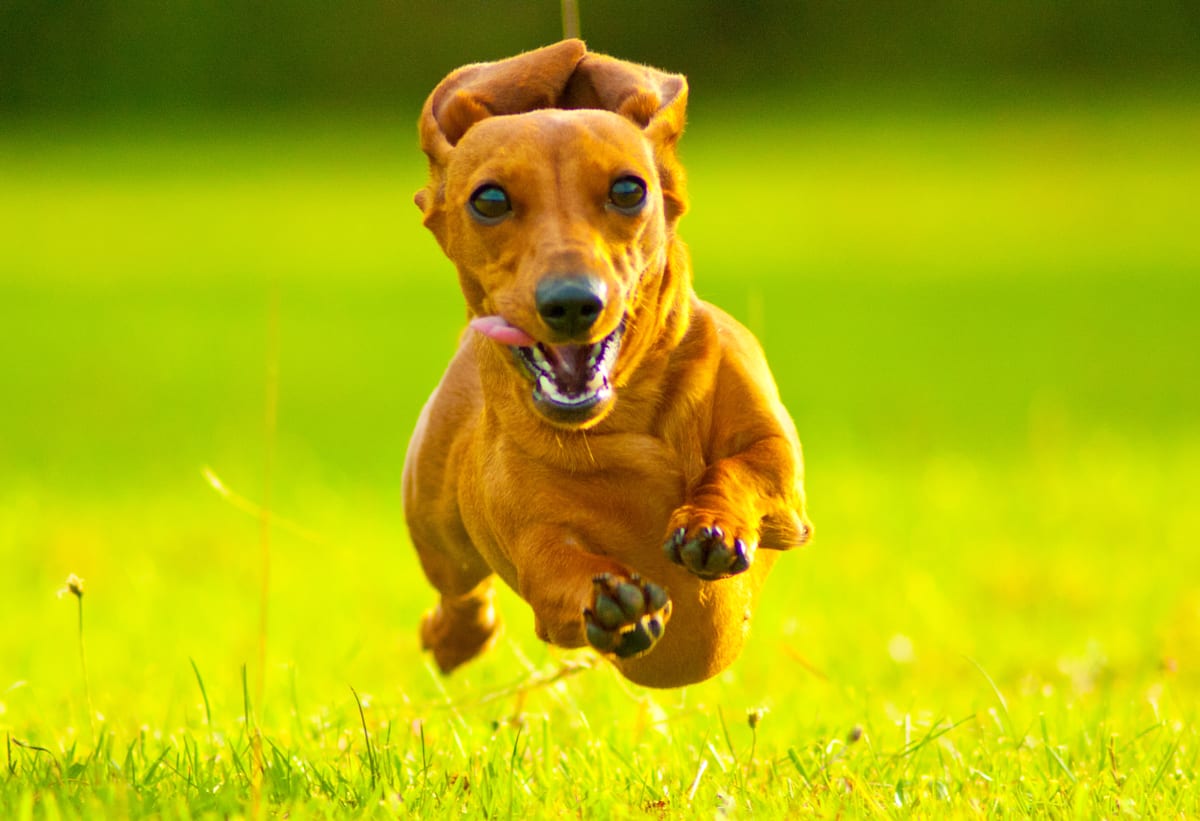
    Habits and Exercise: Dachshunds are tenacious and able to keep up with many physical activities. They have a medium energy level and can be surprising athletes. If you don’t think they can sprint, just watch a Wiener Dog Race. Despite all their energy, however, there’s a limit for their short little legs. They’re not sporty partners who can go jogging or cycling. A couple brisk walks a day, as well as time chasing a ball and socializing with other dogs during the week will be just the exercise they need.

    Other fun ways to engage a Dachshund involve rousing their instincts. They are hounds, after all, and have a great sense of smell. Try hiding treats around the house or practicing tracking. Dachshunds can even pick up a scent trail that’s many hours old. They also love to chase and dig. Dachshund owners should check out AKC Earthdog training, which allows them to exercise their instincts in an appropriate setting, without killing any rabbits or rats at the end of the tunnel.

    No matter how a Dachshund exercises, it’s imperative that they maintain a healthy weight to prevent undue pressure on their long backs. Exercising a puppy whose bones aren’t fully formed, or having Dachshunds climb stairs, are dangerous oversights that can exacerbate the breed’s risk for spinal injuries.Since they were bred as working dogs, Doberman Pinschers have a big gas tank. They eat a lot and need to burn a lot of energy. It’s good for their physical health, but it can be even more crucial to maintain good mental health and low anxiety. Doberman Pinschers learn thing very quickly, so make sure you constantly introduce new skills, experiences, and exposure to different environments to keep them engaged.

    Climate: Dachshunds are more comfortable in warm climates and intolerant of the cold. It’s a good idea to put a doggie sweater on these guys when out for a winter walk, if they’ll wear it.

    Cost of Owning

    On average, owning a middle-aged Dachshund costs around $900 per year
    $300
    Vet Care
    $200
    Grooming & Boarding
    $200
    Food & Treats
    $200
    Other

    Unlock exclusive rewards with Vital Care, or enjoy up to 35% off essentials when you subscribe with Repeat Delivery.

    Enjoy exclusive rewards every time you shop. Get member-only deals, points, and special offers designed to help you save more on what your pet needs.

    Never run out of the essentials. Subscribe and get your pet’s favorites delivered on schedule—with up to 35% off plus the convenience of automatic refills.

    Fun Facts

    Each Dachshund coat has a specific purpose: Wirehair protects the dog in thorny underbrush, longhair is ideal for water, and smooth coats enable the dog to slide along underground tunnels.

    Each Dachshund coat has a specific purpose: Wirehair protects the dog in thorny underbrush, longhair is ideal for water, and smooth coats enable the dog to slide along underground tunnels.

    Hotdogs were actually named after the Dachshund.

    Hotdogs were actually named after the Dachshund.

    Dachshunds tend to be an artist’s muse. Pablo Picasso, E.B. White, and Andy Warhol all owned and depicted Dachshunds in their work.

    Dachshunds tend to be an artist’s muse. Pablo Picasso, E.B. White, and Andy Warhol all owned and depicted Dachshunds in their work.

    Dachshunds were the very first Olympic mascot for the games in Munich, 1972.

    Dachshunds were the very first Olympic mascot for the games in Munich, 1972.

    The Wienerschnitzel fast-food chain sponsors the Wiener Nationals race every December in San Diego, California.

    The Wienerschnitzel fast-food chain sponsors the Wiener Nationals race every December in San Diego, California.

    History

    Dachshund is a German name meaning “Badger Dog.” Since the 15th century, these hardy dogs were used to track and flush out small to medium sized underground game like rabbits, fox, and badgers. Smooth is the original variety and other dog breeds, perhaps spaniels, Schnauzers, and wirehair terriers, were gradually added into the pool to create the two longer-haired varieties. By the 19th century Dachshunds had become popular companion dogs in Europe and were recognized by the AKC in 1885. During the first and second world war their popularity waned due to strong associations with Germany, but by the 1950s they were coming back into popularity in the United States and Europe.
    Read More

    Sponsored