Petco Text Logo
Petco Pet Logo
Jump To Section

    About Breed

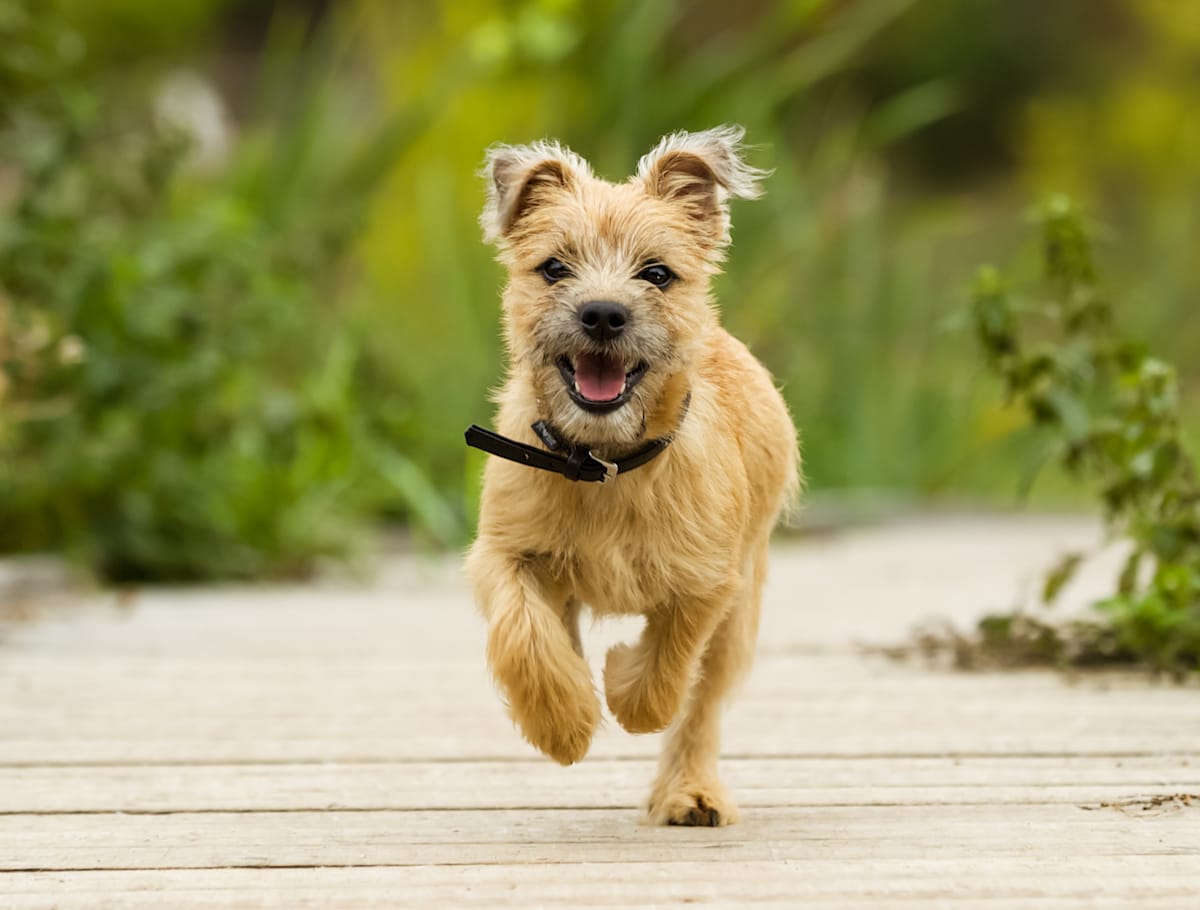
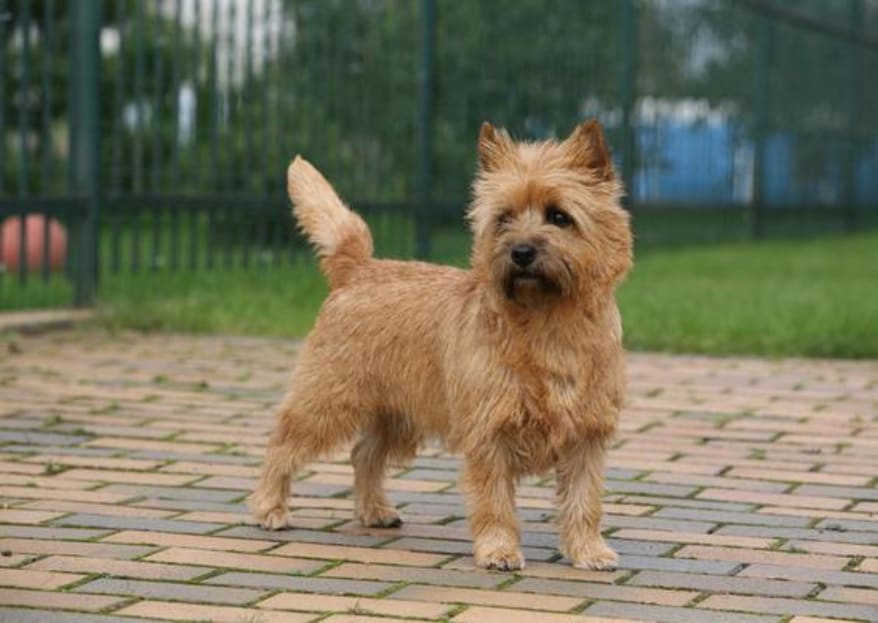
    Cairn Terriers are spirited, hearty, working terriers. Originally from the Isle of Skye in Scotland, they were bred to dig up and chase out rodents from large stacked stone monuments called ‘cairns’, from which they were named. Cairns make lovely family pets and valued working dogs.

    Origin: Scotland   Other Names: The short-haired Skye Terrier

    Terrier Group

    Terriers are feisty, energetic dogs that range in size from small breeds like the Norfolk, Cairn and West Highland White Terrier to the larger Airedale Terrier. Known for their bold personalities, terriers were originally bred to hunt vermin and often have little tolerance for other animals. Many have wiry coats that require hand-stripping to maintain their characteristic look. They make engaging pets for owners who can match their lively spirit.

    Breed Appearance

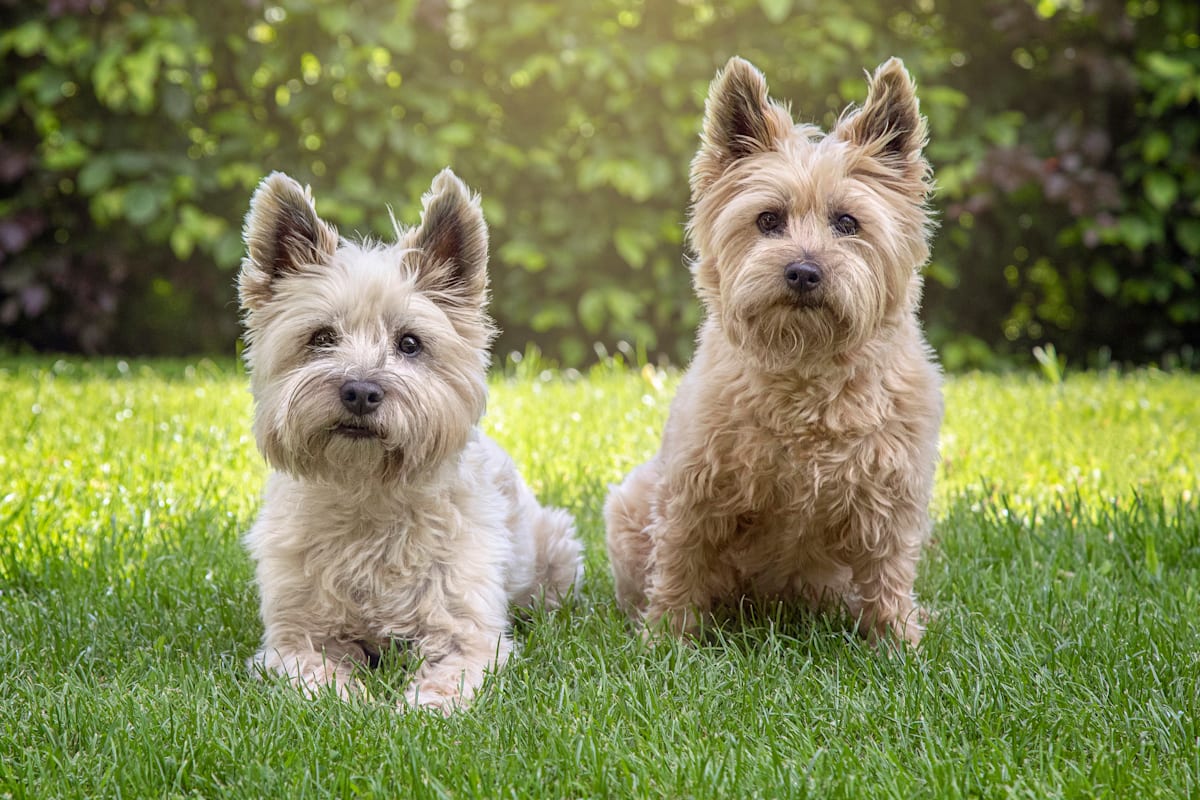
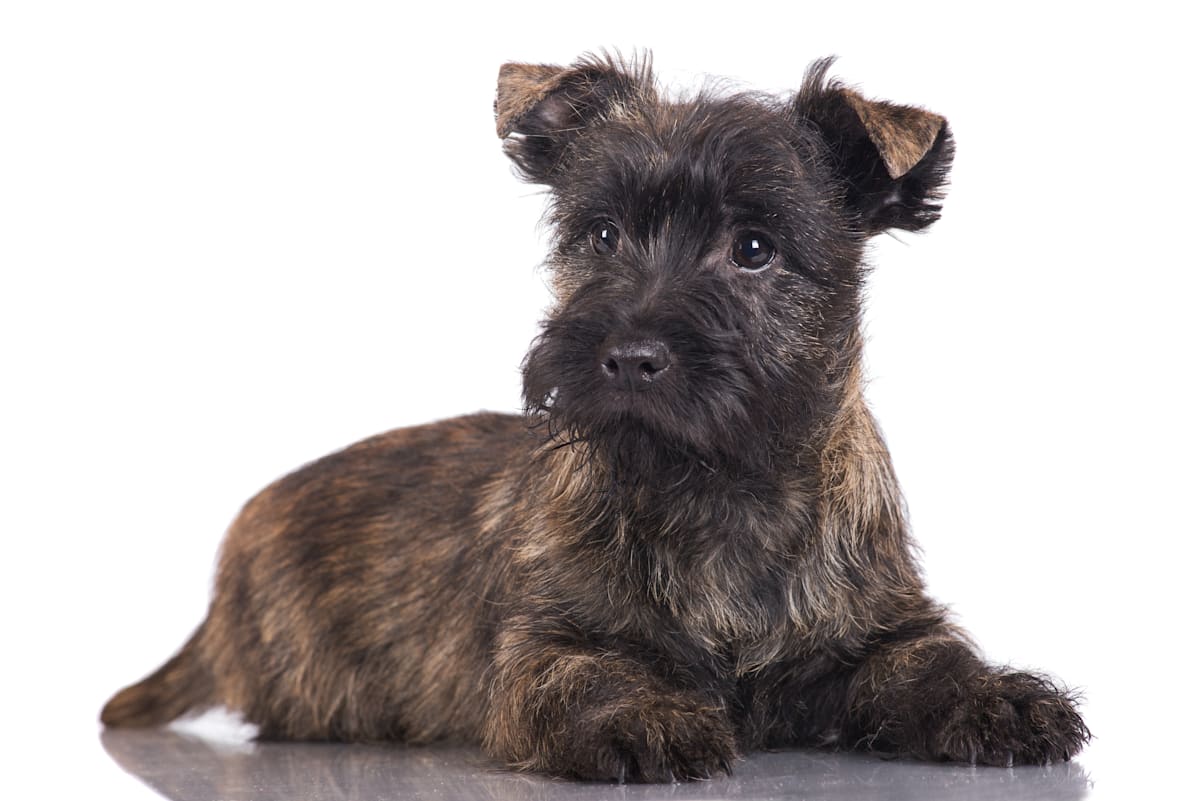
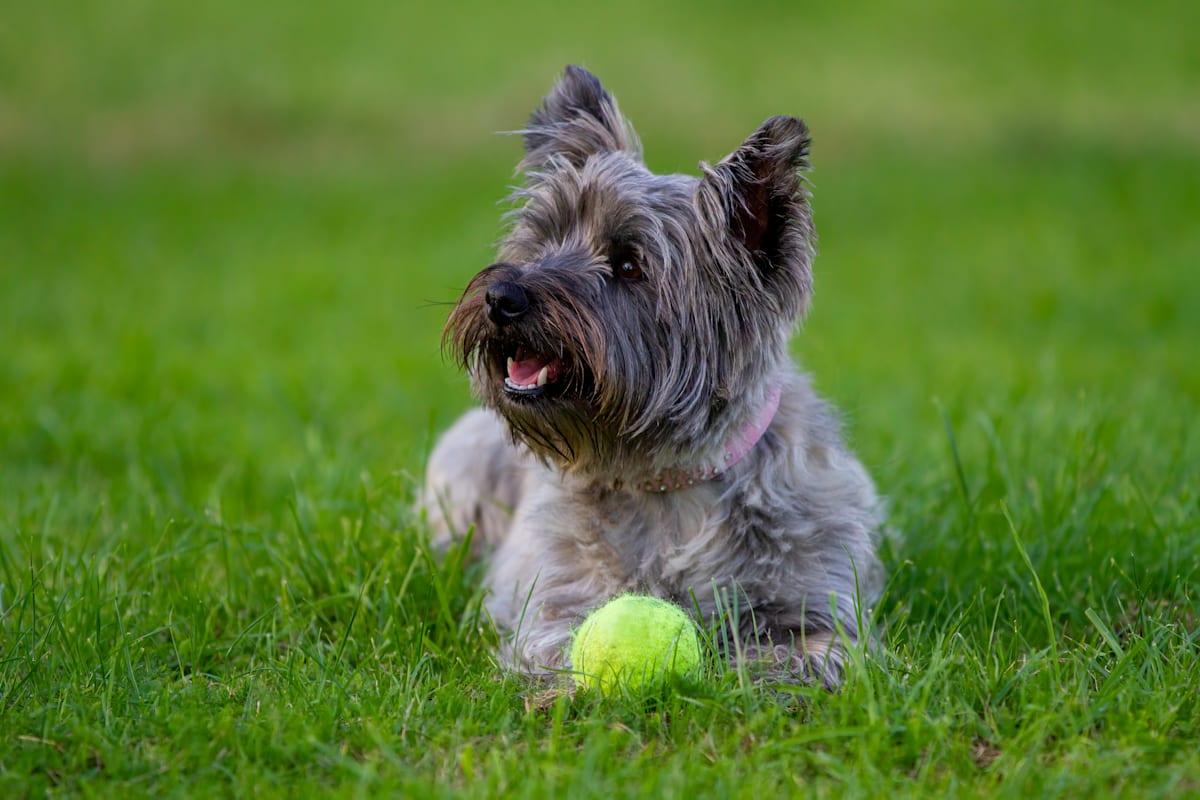
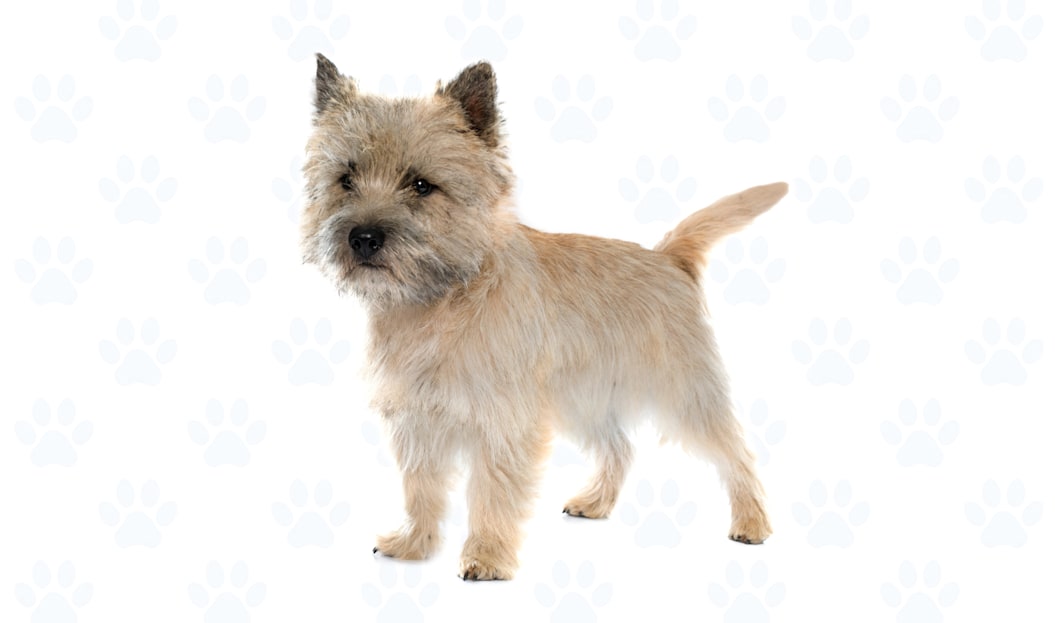
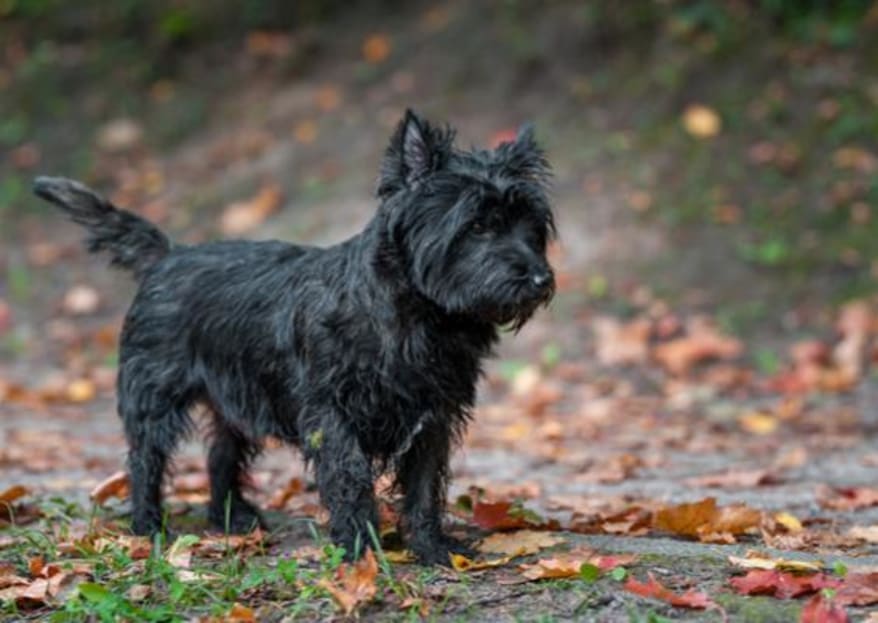
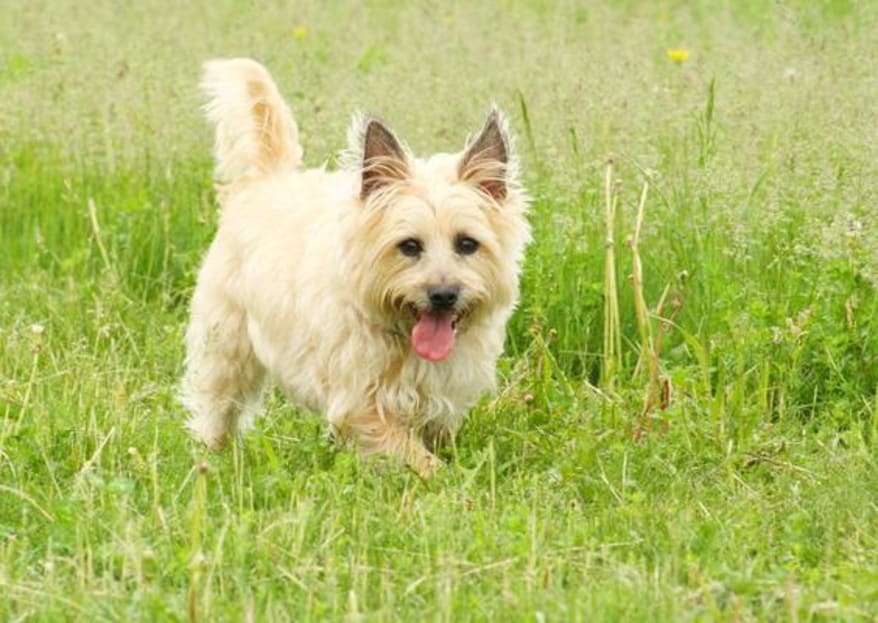
    Cairns are small dogs that average around 13 to 14 pounds in weight and stand at about 10 inches at the withers. Their signature double coat gives them a charismatic scruffy look, with pointed and alert ears high on their head. Cairns come a multitude of colors, including red, brindle, black, sand or gray; and can have dark points at the ears, eyes, and muzzle. Bred to dig, Cairns have large paws for their small stature, and their front paws are larger than their rear paws.

    Size & Weight

    Cairn Terriers are small dogs that average around 13 to 14 pounds in weight and stand at about 10 inches at the withers (shoulders).
    Full Grown
    Female
    9 in. / 13 lbs.
    Male
    10 in. / 14 lbs.
    Height bar
    Female Pet
    Height Figure
    Male Pet
    Height is measured up to the shoulders.

    Cairn Terrier Breed Characteristics

    Size

    Tiny

    Jumbo

    Weight

    Light

    Heavy

    Shedding

    Minimal

    Abundant

    Coat Length

    Short

    Long

    Grooming Frequency

    Occasional

    Frequent

    Living Space

    City apartment

    Ranch

    Exercise

    Couch potato

    Bring it on!

    Climate

    Warm

    Cold

    Personality

    Antisocial

    Outgoing

    Protection

    None

    Bodyguard

    Behavior with Kids

    Always monitor

    Babysitter

    Training

    Headstrong

    Obedient

    Barking

    Mute

    Loud

    How to Care for a Cairn Terrier

    Caring for a Cairn Terrier involves regular grooming, consistent training, balanced nutrition and routine veterinary care. Providing appropriate exercise and a suitable lifestyle environment helps keep this energetic terrier healthy and happy.

    Coat & Grooming:
    Cairn Terriers have a lovely double coat that is coarse on the top, and soft and plush underneath. Their coat requires a moderate amount of care and brushing at home, but should be hand stripped by a groomer at least twice a year to keep the coat vibrant. Hand stripping is the act of hand plucking out dead hair from the dog. It doesn't hurt, but should still be started from a young age so your dog is used to it. Also, if your Cairn is strictly a house pet, trim the hair on the pads of your dogs feet, under his belly, and around his face occasionally throughout the year. Over shampooing can soften their naturally coarse hair, which isn’t ideal if you want to keep your dog to show standards.

    Coat length:
    Short

    Grooming:
    Frequent

    Shedding:
    Cairn Terriers are light shedders and only require a weekly brushing to keep shedding under control, as long as you also take them to the groomers on a regular basis.

    Training:
    The Cairn is a curious and quick learning dog. Like all terriers, they’re independent, a bit stubborn, and can be willful when it comes to learning commands and returning when called. It’s important that your Cairn knows who is in charge, or he will take advantage of the situation and run circles around you. Early socialization and obedience training are essential if you want a well adjusted house pet. People often report lots of success when using treats to motivate Cairns, but it’s important to not over indulge them, as any weight gain on their small frame is very noticeable.

    Barking:
    Cairns love to bark at anything and everything, and will notify you if anyone is on your doorstep, or is thinking about being on your doorstep in the near future. Patient and consistent training can adjust the barking compulsion but regardless, you will probably still have a dog that loves to yip and bark.

    Temperament & Behavior:
    Full of character and incredibly personable, Cairns are alert, spunky, and intelligent dogs, and are frequently acclaimed as the best little buddy anyone could ask for. Although a generally resilient dog, their feelings can be easily hurt, and they don’t respond well to scolding or harsh corrections. A kind, positive approach is the best method for handling your Cairn Terrier. This dog also loves to be the center of attention and is very much an ‘it’s all about me’ pet.

    Behavior with Kids:
    Although Cairns are naturally playful, sturdy, and can withstand roughhousing with older children, it is best to not let young children play with this breed. Although with training and early introduction, Cairns can make great therapy companions. While some are naturally sensitive, the breed is not known to be very patient and can bite. Any children who are not old enough to know when to leave a dog alone should not be left alone with a Cairn terrier.

    Protection:
    Cairn Terriers are prone to barking at things that alarm them, but this isn’t breed that you would need to put up a ‘Beware of Dog’ sign for. Generally friendly and aloof, Cairns aren’t natural guard dogs.

    Life Span:
    Cairn Terriers live to be about 12 to 15 years old, on average.

    Inherited Health Issues:
    Cairn Terriers are prone to developing a variety of health conditions, either due to inheritance or simply occurring at an increased frequency within the breed. Responsible breeders typically perform genetic testing prior to breeding to minimize the likelihood of passing some of these conditions to offspring. These conditions may include, but are not limited to, the following: Atopy, Diabetes mellitus, Congenital portosystemic shunt, Portal microvascular dysplasia, Polycystic kidney and liver disease, Hemophilia B, Pyruvate kinase deficiency, Aseptic necrosis of the femoral head, Globoid cell leukodystrophy, Cataracts, Glaucoma, Ocular melanosis, Persistent hyaloid artery, Cryptorchidism and Pulmonary interstitial fibrosis.
    Preventive Care:
    Although Cairn Terriers are prone to developing a variety of health conditions, there is no definitive way to prevent all possible problems. Regular visits to the veterinarian are of the utmost importance to identify the onset of small issues before they become big problems. Veterinarians are extensively trained to detect subtle changes in a dog’s health during a physical exam. At home, monitor your Cairn for any changes, including increased water consumption, increased urine volume, changes in vision, coughing, lethargy, appetite changes, limping, or itching. Be sure to see your veterinarian if you observe any of these changes at home, as they could be signs of atopic dermatitis (atopy), diabetes, avascular necrosis of the femoral head (also known as Legg-Calve-Perthes disease), or cataracts, among other health conditions.

    As a small breed dog, Cairn Terriers are known to quickly pack on the pounds if they are given too many treats or table scraps. What may seem like just a small bite of your dinner is often a disproportionately large snack for your tiny Cairn. It is best to stick with feeding portion controlled meals of a high quality balanced diet to keep your Cairn at a healthy body weight.

    Daily Consumption: Average daily consumption for an adult Cairn is 1/2 - 3/4 cups

    Energy Level: Enjoys some moderate exercise every now and then

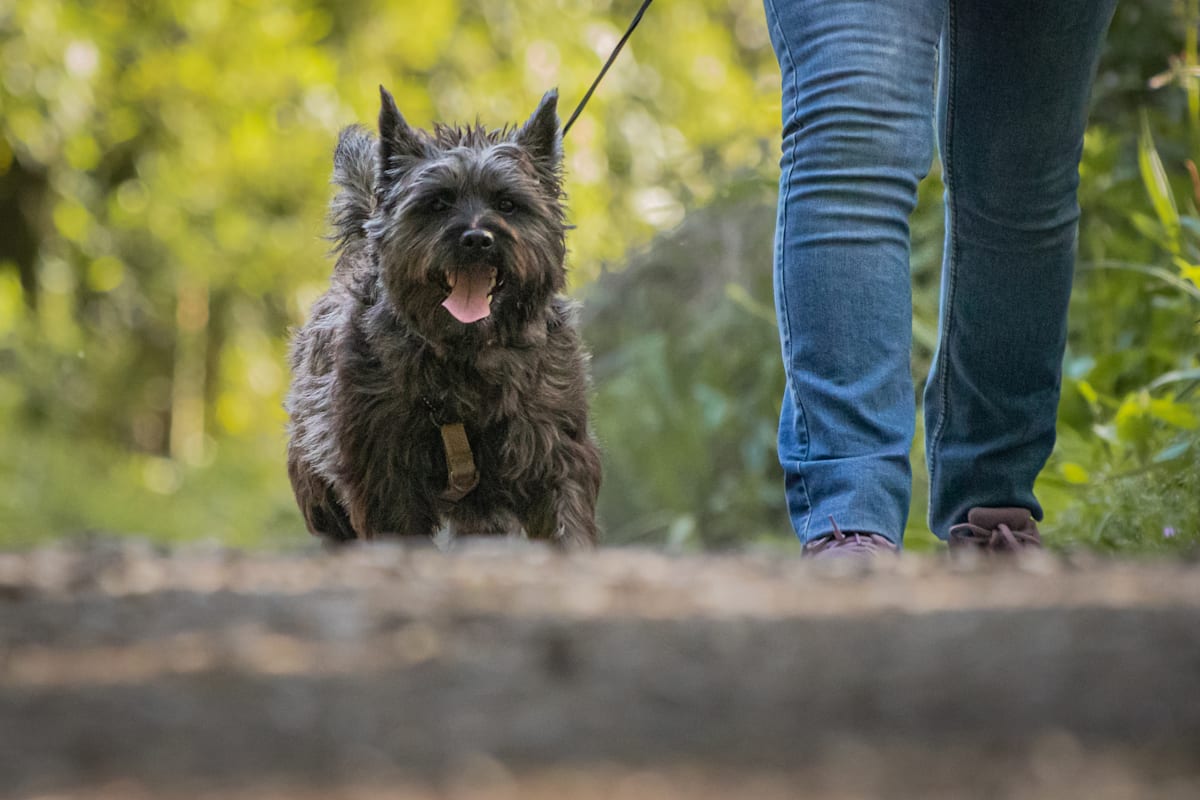
    Exercise: You can get away with a very low to moderate amount of exercise with this breed. Because of their small size and disposition, a daily walk around the neighborhood or a supervised free run around a fenced in yard is usually enough to keep these dogs entertained. Remember that Cairn Terriers love nothing more than to put their nose down to dig and explore. Make sure you don’t leave them alone in your prized garden or it's almost a guarantee that your Cairn will dig up anything he can get his paws on.

    Climate: Their double coat makes them adaptable to a variety of climates, and they are especially resilient in wet and cool weather due to their hearty Scottish heritage

    Living space: Because of their tiny size, Cairn Terriers are suited to any living space, from a large farm to a tiny studio apartment. It is best to remember that because of their desire to roam, explore, and dig, it is best to have a fenced in backyard and to keep an eye on them. If you have a prized flower bed, you may need to accept that there is a good chance that your Cairn will dig it up, if left to his own devices.

    Cost of Owning

    On average, owning a middle-aged Cairn Terrier costs around $850 per year
    $250
    Vet Care
    $200
    Grooming & Boarding
    $200
    Food & Treats
    $200
    Other

    Unlock exclusive rewards with Vital Care, or enjoy up to 35% off essentials when you subscribe with Repeat Delivery.

    Enjoy exclusive rewards every time you shop. Get member-only deals, points, and special offers designed to help you save more on what your pet needs.

    Never run out of the essentials. Subscribe and get your pet’s favorites delivered on schedule—with up to 35% off plus the convenience of automatic refills.

    Fun Facts

    Toto from ‘The Wizard Of Oz’ was a Cairn Terrier, and he was actually a she. Called Terry, she appeared in several features before appearing in ‘Oz’ and earned a tidy sum of $125 a week while shooting the film.

    Toto from ‘The Wizard Of Oz’ was a Cairn Terrier, and he was actually a she. Called Terry, she appeared in several features before appearing in ‘Oz’ and earned a tidy sum of $125 a week while shooting the film.

    Cairn Terriers can come in every color except white. Instead, a white Cairn Terrier is actually a West Highland White Terrier.

    Cairn Terriers can come in every color except white. Instead, a white Cairn Terrier is actually a West Highland White Terrier.

    History

    Cairn terriers are one of the oldest Terrier breeds. They originate from the Isle of Skye in Western Scotland and were initially grouped in the "Skye Terrier" group along with the Scottish and West Highland White Terriers. In the early 1900s, the three breeds began to be bred separately. Cairn Terriers get their name from cairns in Scotland, which were stone piles used as landmarks in fields and on the coast. They were bred to hunt and chase off rodents, foxes, and badgers from farms and fields, and are one of the oldest working dog breeds in Scotland.
    Read More

    Sponsored