About Breed
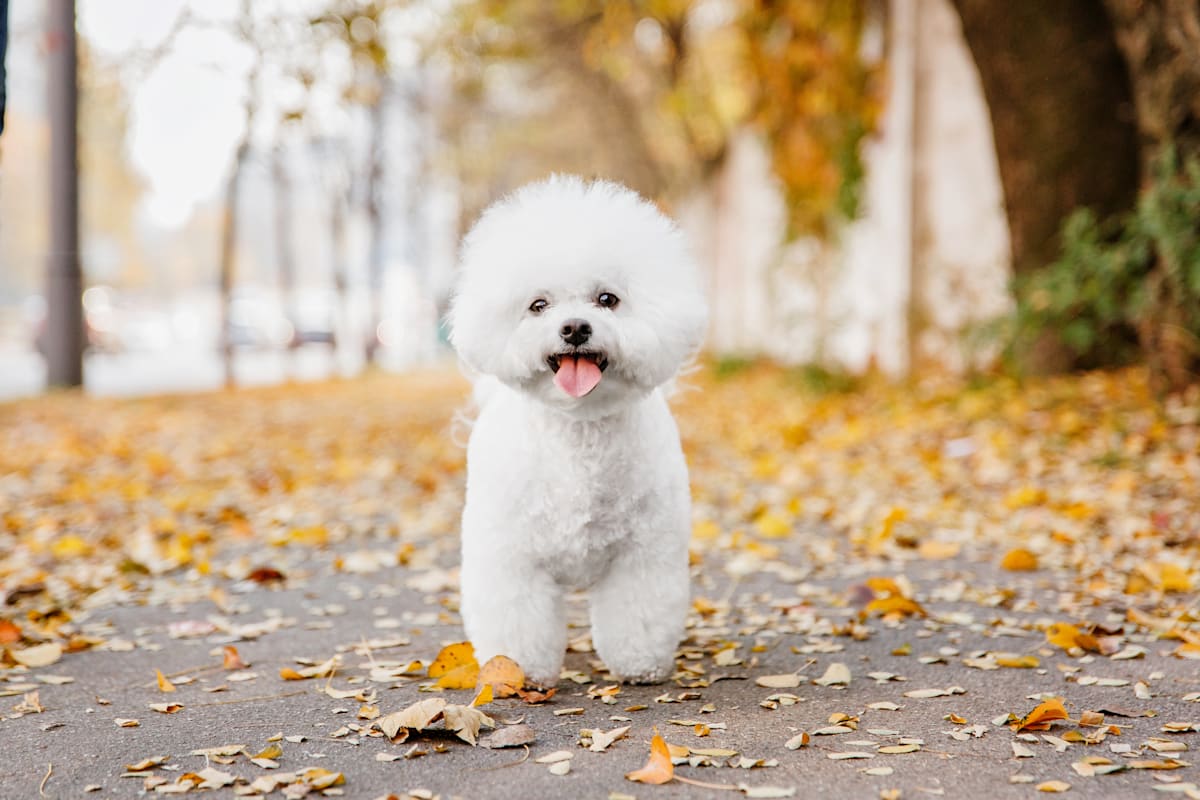
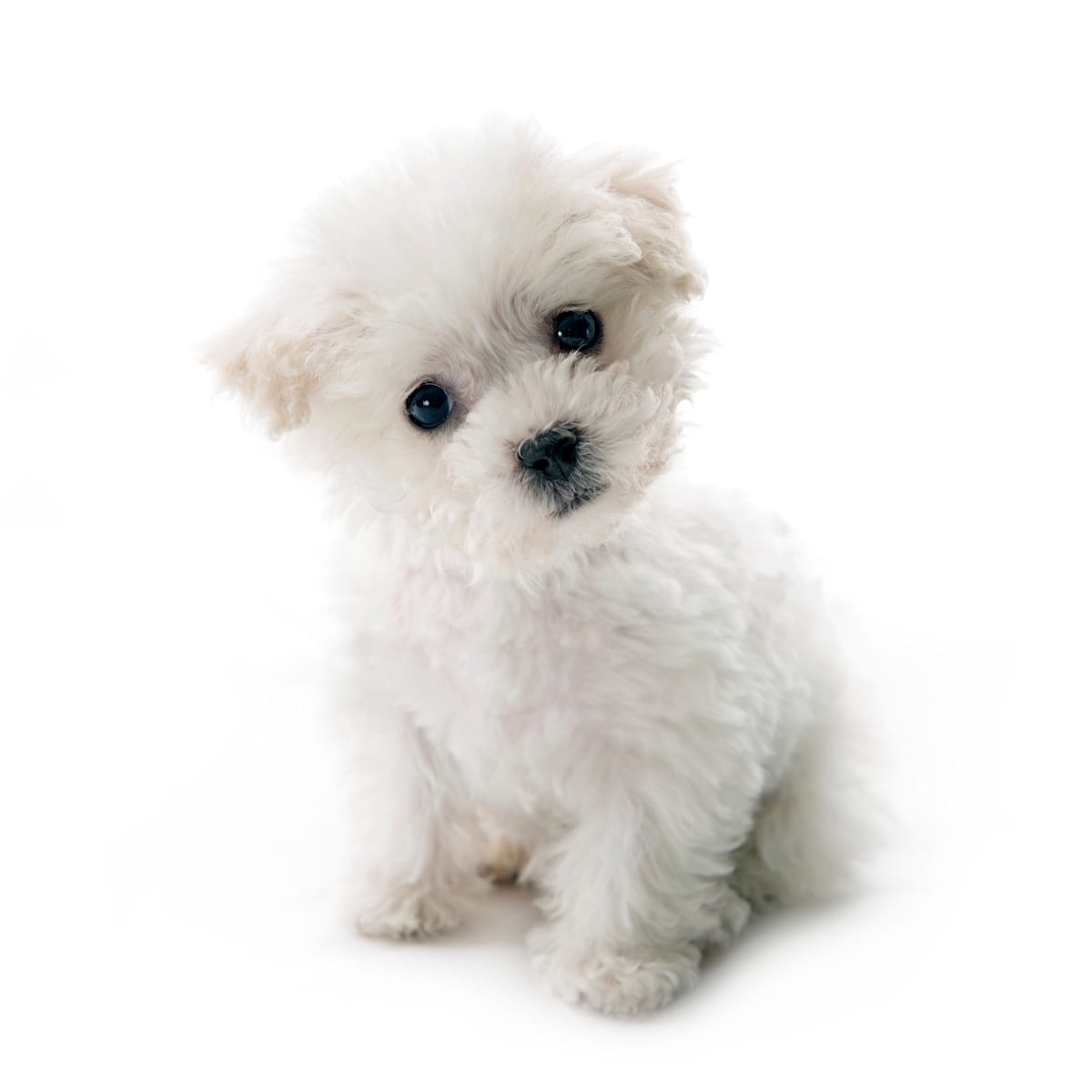
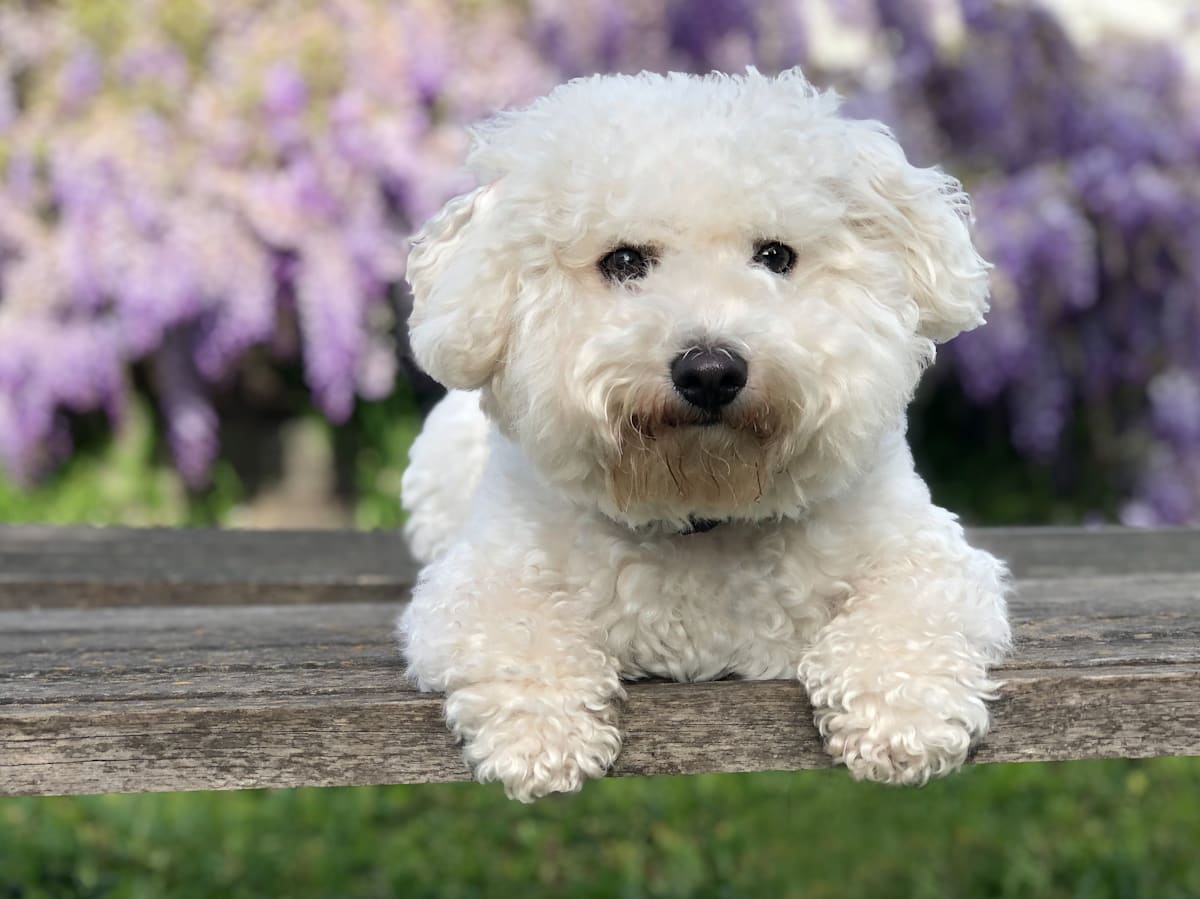
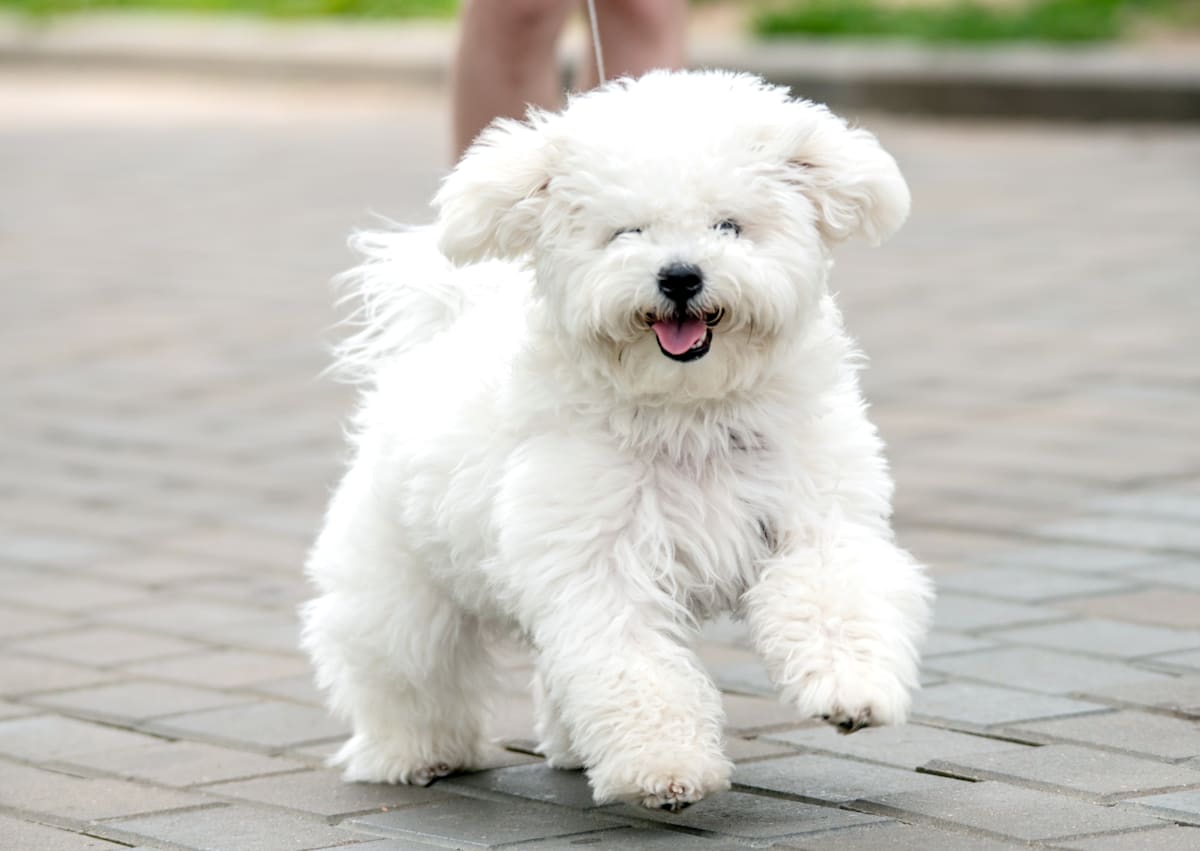
A white halo surrounds this angelic little companion. Gregarious, lively, entertaining, sometimes mischievous, and always companionable, this sturdy lap dog has been warming our hearts for half a millennia. With a knack for tricks, the Bichon Frise is easy to train, and fun to play with. They enjoy the company of people and other animals so much that they easily become lonely when left to themselves. Bichons are generally healthy and long lived, with a coat that will require regular attention for many years. This breed is great for families, the elderly, and just about anyone who has a love for fluffy smiles and shining black eyes.
Non-Sporting Group
The breeds in the Non-Sporting Group are a varied collection in terms of size, coat, personality and overall appearance.
Bichon Frise Appearance
Size & Weight
Bichon Frise Characteristics
- Size & Coat
- Lifestyle
- Training & Behavior
Size
Tiny
Jumbo
Weight
Light
Heavy
Shedding
Minimal
Abundant
Coat Length
Short
Long
Grooming Frequency
Occasional
Frequent
Living Space
City apartment
Ranch
Exercise
Couch potato
Bring it on!
Climate
Warm
Cold
Personality
Antisocial
Outgoing
Protection
None
Bodyguard
Behavior with Kids
Always monitor
Babysitter
Training
Headstrong
Obedient
Barking
Mute
Loud
How to Care for a Bichon Frise
Coat & Grooming: The Bichon Frise has a plush, woolly double coat that requires a considerable amount of upkeep. They should be brushed daily and clipped every 6-8 weeks. Bichons also need to be thoroughly dried after getting wet to avoid tangling of their fluffy coat, which can develop mats fairly easily.
Shedding: Technically, the Bichon Frise does shed, but those loose hairs remain caught in their wooly coat and won’t fall out like other regularly shedding dogs. This makes them well suited for people with mild allergies or those who simply want less furry evidence of a pet in their house.
Training: Bichons Frises are considered a highly trainable breed. Plucky and agile, these little dogs love to entertain and leave a smile on your face. In fact, they were regularly employed in the circus in the 19th century. Although their capacities are high, they can be on the stubborn side. They would rather razzle-dazzle than get down to the dirty work of plain old obedience. When working with a Bichon, be sure to keep it fun and challenging.
Barking: Expect a Bichon Frise to bark. They will produce a range of vocalizations, including yapping, ‘talking’, and the least entertaining, barking. Their bark is high-pitched and grating—it’s important to teach them about appropriate vocalizations early on and employ other strategies to manage their tendencies. Long bouts of time alone can aggravate any potential issues with barking because of their tendency to experience separation anxiety.
Temperament & Behavior: Bichons are lively and thrive with attention. Some of the Bichon’s favorite activities include playing games, performing, cuddling, and looking out the window. They are an easy companion who is charming, sensitive, intelligent and loves to accompany their people in as many situations as possible. Because of their devotion, Bichons are prone to separation anxiety and should not be left alone all day, if at all possible.
Behavior with Kids: Bichons are usually playful and revel in the attention of children. The Bichon is still a small breed and not a good match for wrestling and rough-housing. As with any dog, be sure to supervise your Bichon around kids and unfamiliar adults.
Protection: While Bichons aren’t aggressive or even mildly intimidating, they are certainly capable of sounding the alarm. A high-pitched, relentless alarm.

Life span: On average, Bichons Frises live to be about 12-15 years old.
Inherited Health Issues: All dogs can have health problems, and Bichons are prone to a few in particular. Always discuss hereditary health issues with prospective breeders. Reputable breeders make it a policy to test their breeding dogs for specific genetic conditions that are known to be prevalent in the breed, so be sure to ask plenty of questions when you’re considering adding a puppy to your family.
Portosystemic shunt, immune-mediated hemolytic anemia (IMHA), cancer, cataracts and urinary stones have all been reported with greater frequency in the Bichon Frise.
Preventive Care: In general, Bichons are healthy dogs, but there are a few important precautions to take in order to ensure that your Bichon lives life to the fullest. Make sure you schedule a veterinary visit soon after you get your new puppy, to check him out thoroughly for any congenital defects. Vaccinations and deworming are key to insuring that your puppy is protected from serious canine disease such as parvovirus and heartworm disease.
Because urinary stones are often a problem in Bichons, make sure that your dog always has access to fresh water. This will help to ensure that his urine is dilute and discourage urinary stone formation.
A high quality diet is essential for good health in dogs of any breed. Because the Bichon tends to be of a stocky build, they can be prone to becoming overweight. Work with your veterinarian to choose a food that is balanced and has appropriate calories, and to develop a strategy for feeding a daily amount of food that will keep him at a healthy weight.
Be sure to factor in the calories inherent in any treats that you offer. Choose healthy snacks, such as raw carrots and broccoli, instead of inexpensive nutritionally bereft treats that are high in sodium and fat.
Daily Consumption: Average daily consumption for an adult Bichon is 0.5 - 1 cup.
Energy Level: Enjoys some moderate exercise every now and then
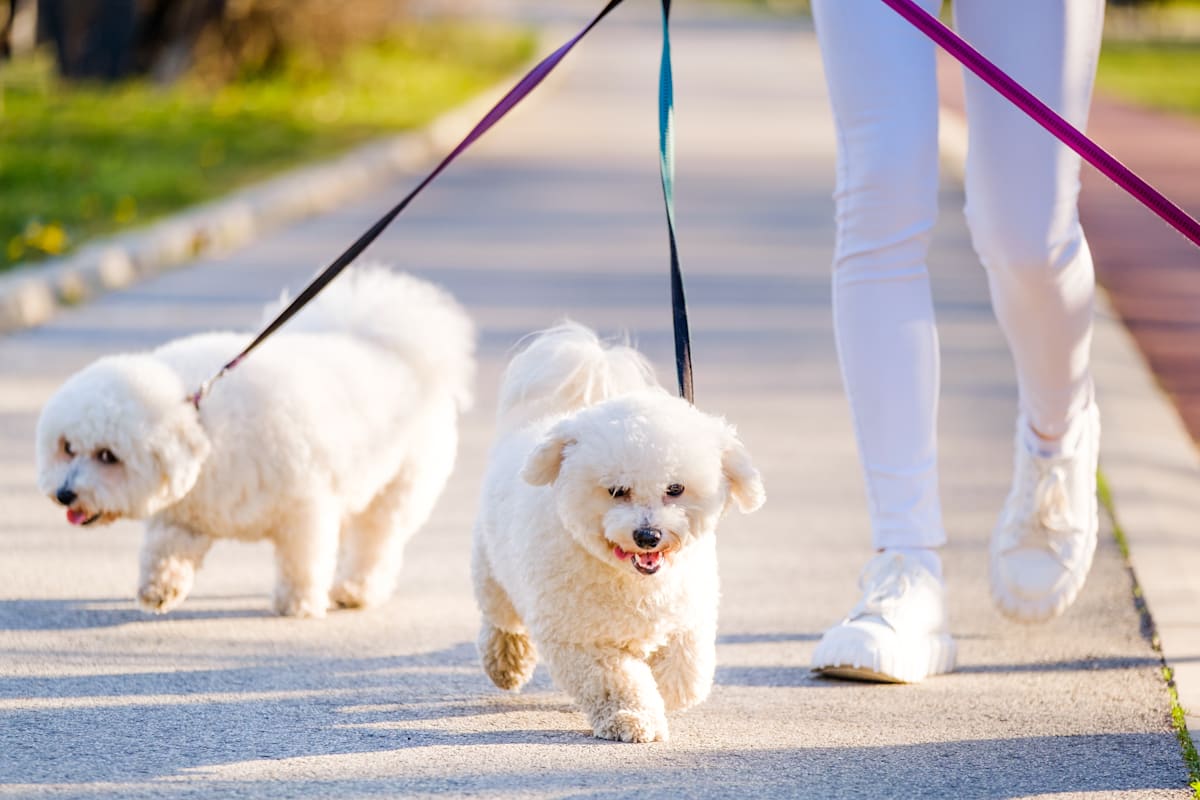
Exercise: A playful, small dog like the Bichon Frise is a snap to exercise. They can chase a ball with surprising speed (called the Bichon Blitz), and relish new games. Because they tend to have a lot of energy, many benefit from agility training. Outside of play time, they will need a couple of short, brisk walks throughout the day to remain fit and balanced.
Climate: Thanks to their hardy, temperature-controlling coat, Bichons are equally comfortable in the sun or snow. Because of their small body size, they will lose heat more rapidly than larger dogs, so choose a stylish jacket for winter months if you live in a harsh climate.
Cost of Owning
Unlock exclusive rewards with Vital Care, or enjoy up to 35% off essentials when you subscribe with Repeat Delivery.
Enjoy exclusive rewards every time you shop. Get member-only deals, points, and special offers designed to help you save more on what your pet needs.
Never run out of the essentials. Subscribe and get your pet’s favorites delivered on schedule—with up to 35% off plus the convenience of automatic refills.
Cross Breeds
Choose a breed from the dropdown to see potential crosses.
Your love story starts here.
Find adoptable pets near you with a simple search.
Fun Facts
“Bichon” actually refers to a family of similar looking dogs including the Maltese, Bolognese, Havanese, Bolonka, Lowchen, and Coton de Tulear.
Barbara Streisand had a Bichon named Sammy and dedicated her version of Charlie Chaplin’s “Smile” to his memory.
Bichon Frises are among the Top 3 breeds with the most positive sentiment on Instagram.

It’s said that Henry III used to carry his pet Bichons in a basket tied around his neck.