Petco Text Logo
Petco Pet Logo
Jump To Section

    About Austrailian Shepherds


    Herding Group

    Created in 1983, is the newest AKC classification; its members were formerly members of the Working Group.

    Aussie Appearance

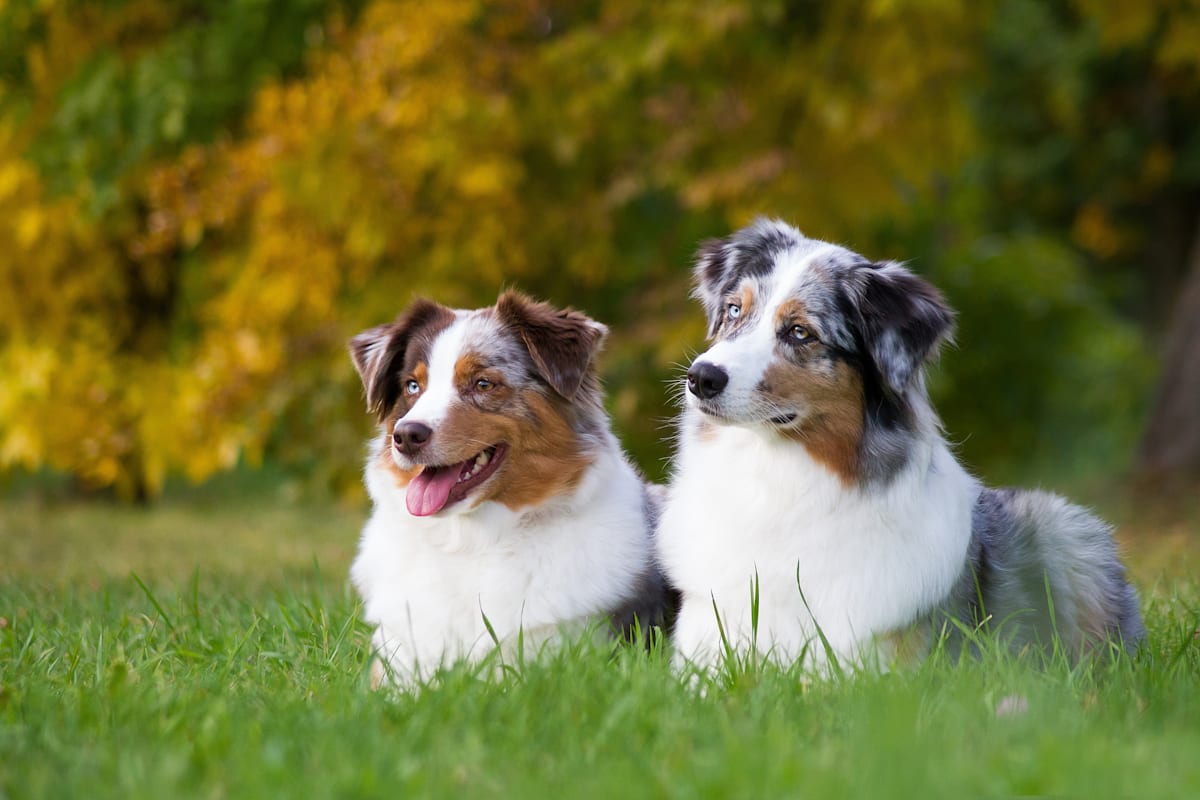
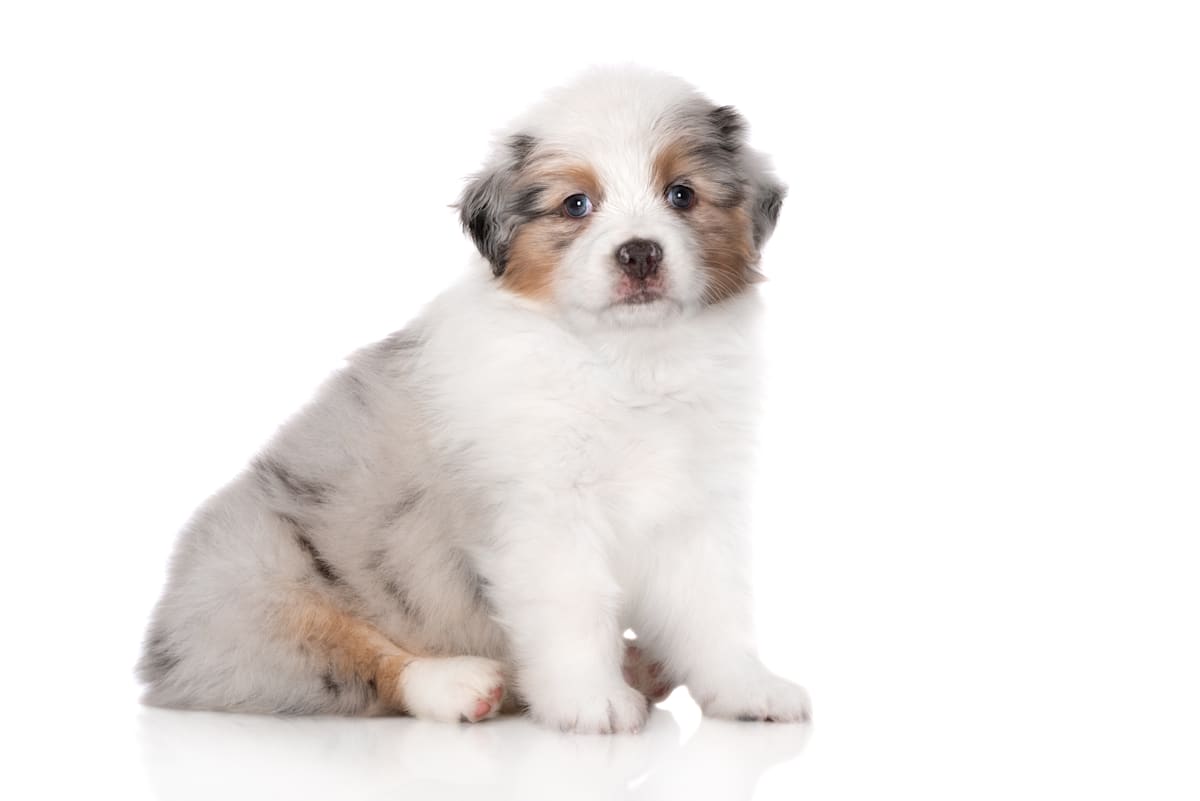
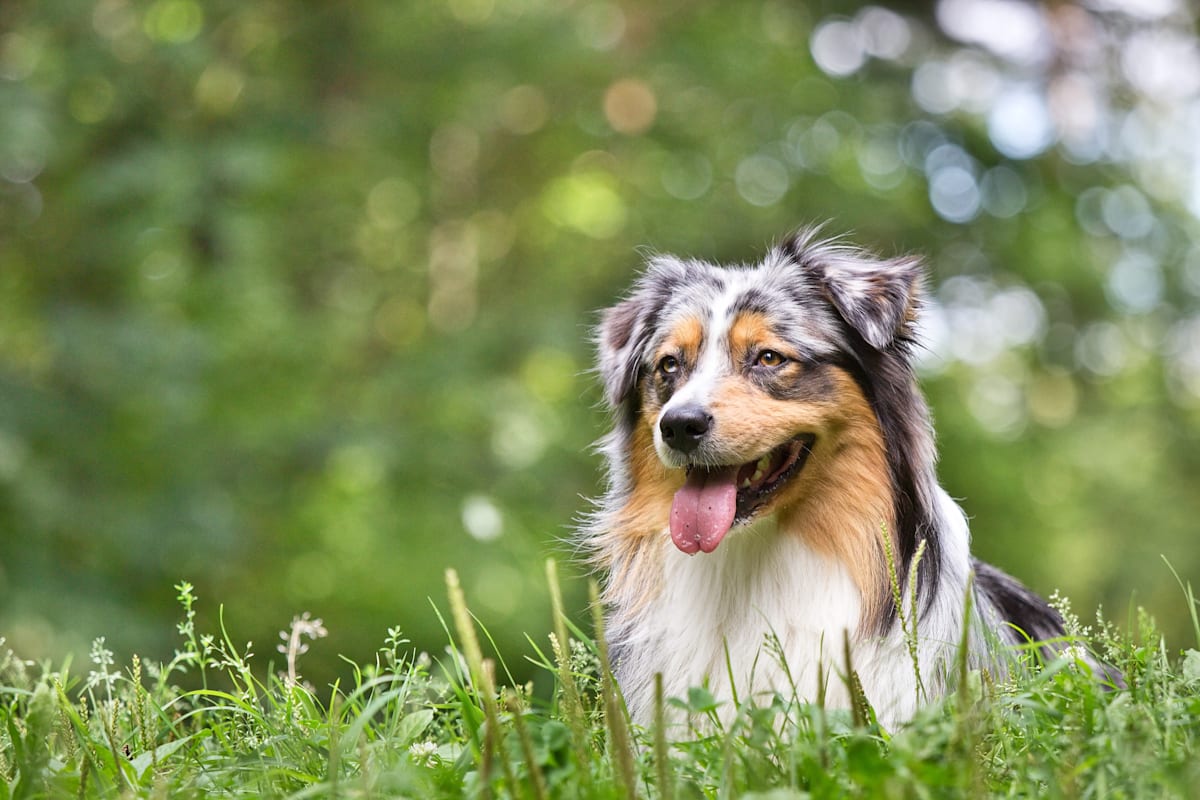
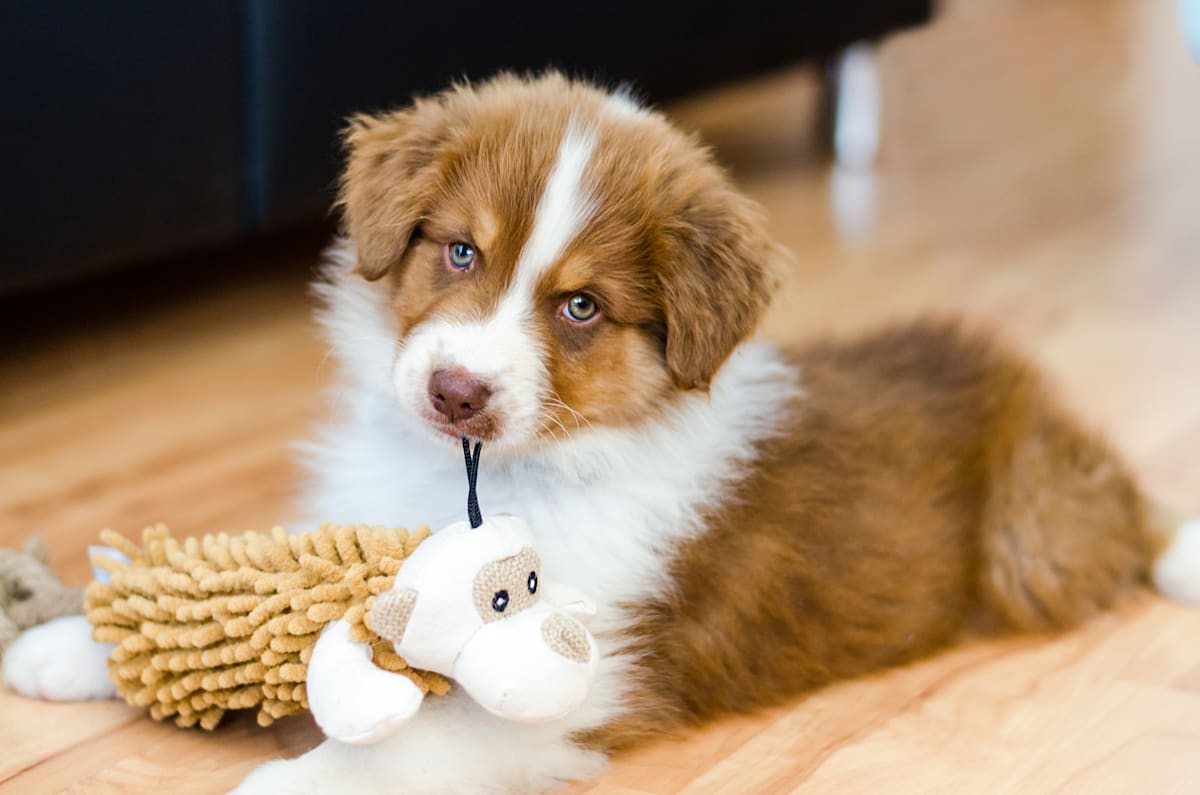
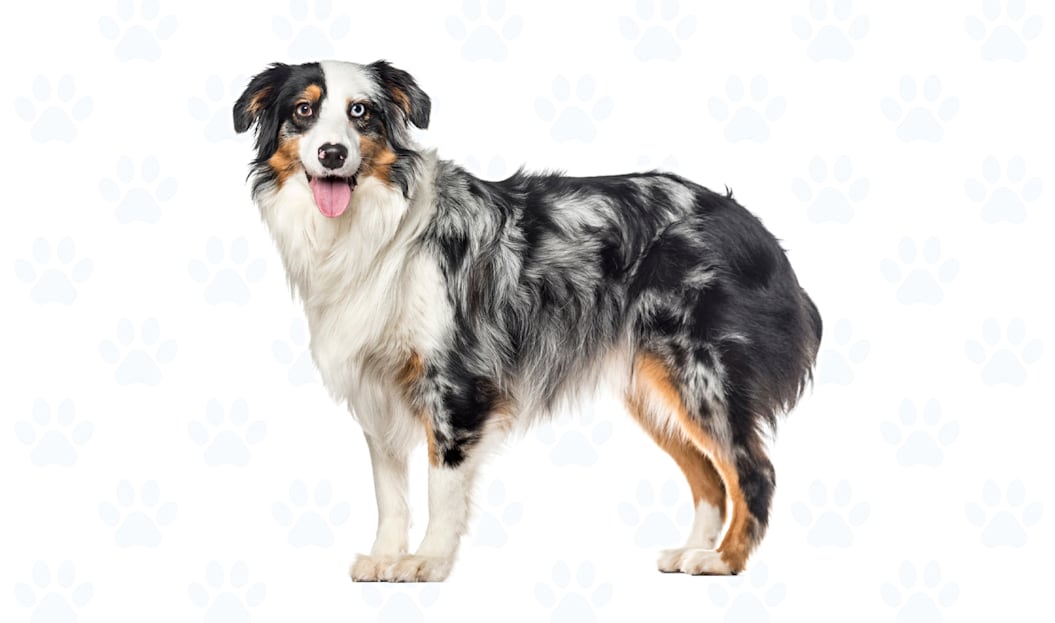
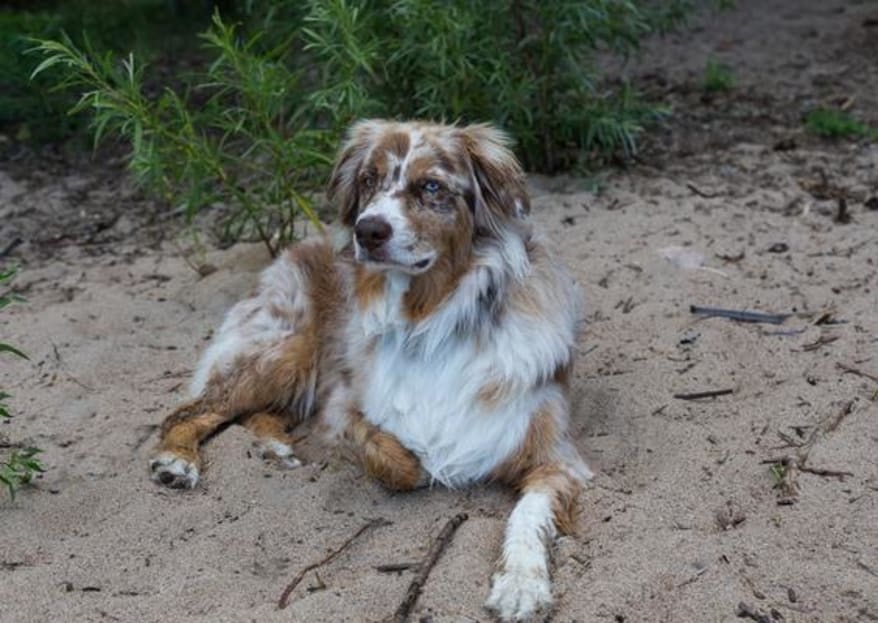
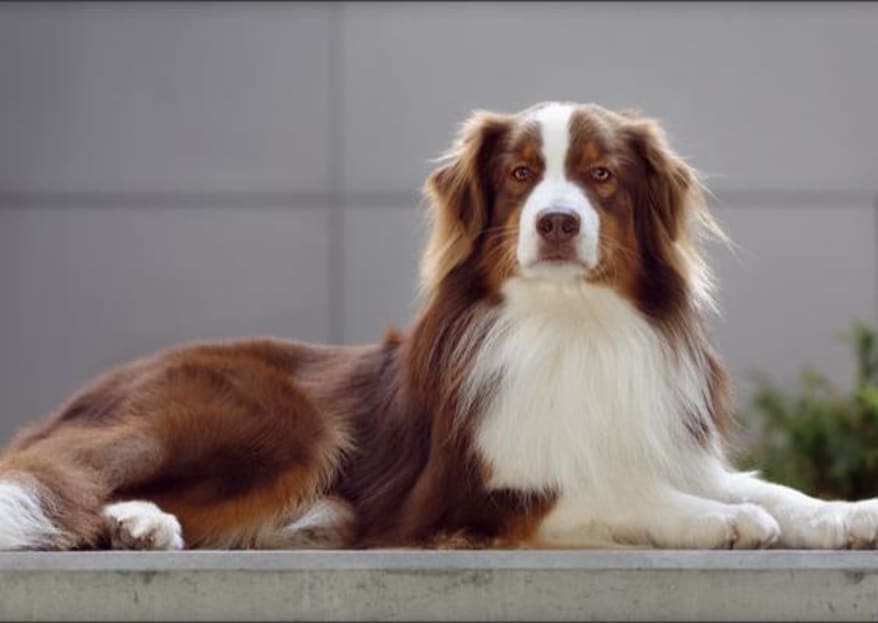
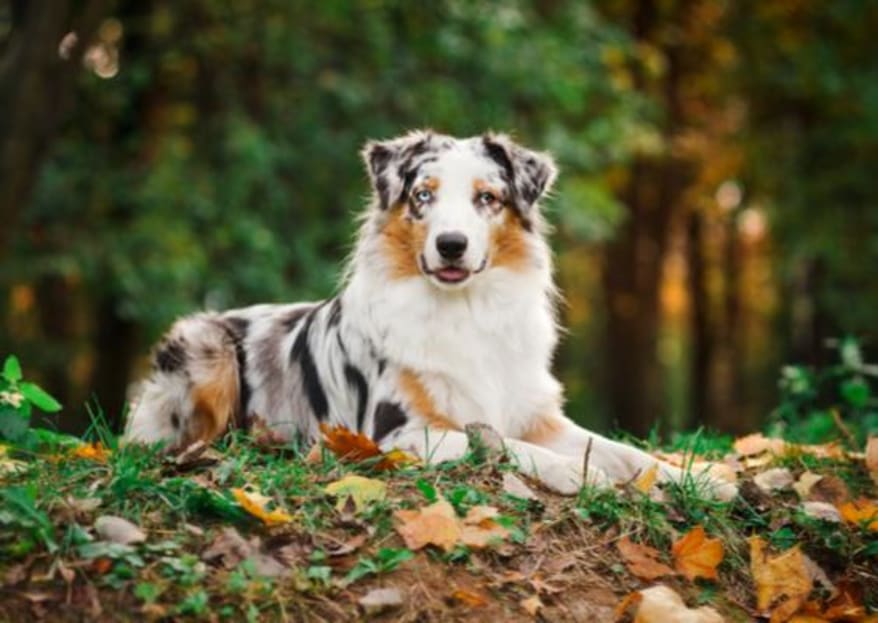
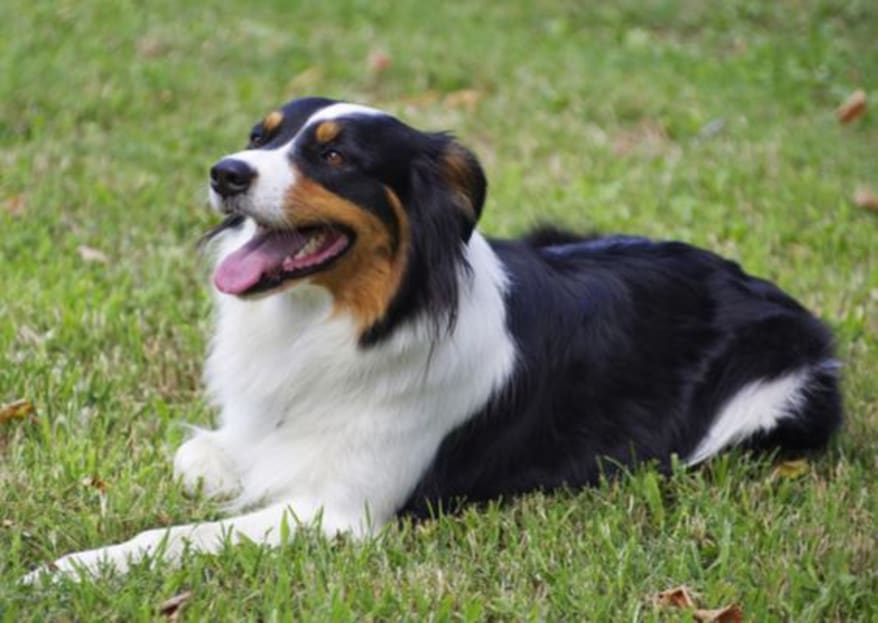
    The American Kennel Club (AKC) recognizes four official colors for Australian Shepherds: Black, Blue Merle, Red, and Red Merle, with or without white markings and/or tan (copper) points. While coat patterns and markings can vary widely, only these base colors are accepted in the breed standard.

    Overall, the Australian Shepherd is a well-balanced, athletic dog with a medium-length double coat built for endurance and agility. The breed is known for its alert expression, agile movement, and a naturally versatile build suited for active work and play.

    Size & Weight

    Australian Shepherds are solid, medium-sized dogs weighing between 35-65 pounds and standing from 18-23 inches tall at the shoulder.
    Full Grown
    Female
    21 in. / 40 lbs.
    Male
    23 in. / 50 lbs.
    Height bar
    Female Pet
    Height Figure
    Male Pet
    Height is measured up to the shoulders.

    Australian Shepherd Characteristics

    Size

    Tiny

    Jumbo

    Weight

    Light

    Heavy

    Shedding

    Minimal

    Abundant

    Coat Length

    Short

    Long

    Grooming Frequency

    Occasional

    Frequent

    Living Space

    City apartment

    Ranch

    Exercise

    Couch potato

    Bring it on!

    Climate

    Warm

    Cold

    Personality

    Antisocial

    Outgoing

    Protection

    None

    Bodyguard

    Behavior with Kids

    Always monitor

    Babysitter

    Training

    Headstrong

    Obedient

    Barking

    Mute

    Loud

    How to Care for an Austrailian Shepherd

     Today, plenty of owners are up for the challenges of maintaining this high-energy breed, and reaping the rewards of their talent and devotion in return. Striking, intelligent, agile, with strong herding and guarding instincts, Australian Shepherds are easy to train and succeed in any number of actives and jobs. 

    Coat & Grooming: Australian Shepherds have a thick double coat. The outer coat is coarse and water repellent. The undercoat is dense and insulating. Together, the outer and undercoat make a great environment for ticks, burrs, and other debris to hideout and work towards the skin. Diligent combing and brushing is required, especially for dogs active in the outdoors. Using a liquid de-tangler or baby oil will help loosen any stubborn tangles and mats encountered during routine grooming.

    Shedding: Aussies shed a moderate amount and can be expected to ‘blow their coat’ twice per year when changing into summer and winter layers. A pin brush and slicker brush will be the best tools to keep the coat in shape and shedding to a minimum. Some individuals shed more than others, and would benefit from the use of a shedding blade as well.

    Training: By some reports Australian Shepherds understood new commands after 25 to 40 repetitions and obey first commands 50% of the time or more. They’re ranked as possessing average working intelligence, alongside the Irish Wolfhound and Pointer. Australian Shepherds are poster dogs for agility, heelwork, obedience, service work - you name it.

    To give that A+ effort, Australian Shepherd need firm guidance and training approaches that make learning interesting, not tediously repetitive. They need consistency that isn’t overly stern because, despite their pushy streak, Australian Shepherds are sensitive.

    Barking: A well-balanced Australian Shepherd should bark rarely, only to sound the alarm, in a state of play, and when asked to ‘speak’, of course. While they’re tearing up the weave poles on the agility course, or working on advanced heel work moves, they may be yipping their exultation. They have a high-pitched ‘arf’, and command attention with louder, sharper bark. Australian Shepherds often cope with frustrations by developing barking behaviors. Make sure they’re getting enough exercise and attention to ease stress barking.

    Personality: Australian Shepherd personality can vary between individuals, from reserved to outgoing. Despite the variation, Australian Shepherds are generally companionable.

    Temperament & Behavior: The Australian Shepherd is a breed built for action. They’re physically and mentally agile, responsive, hardy, and devoted. They like to be right beside their people, in the middle of it all. A well-exercised, well-disciplined Aussie is more fun than a barrel of monkeys. On the other hand, they’re typically headstrong and self-confident. Owners need to stay a step ahead of this breed, because if an Aussie isn’t taking orders, it will start giving them!

    Individual Australian Shepherds vary in levels of sociability. While some are outgoing, most are generally aloof with strangers. True to their guarding nature, they can be territorial and possessive. It’s important that an Australian Shepherd is well-socialized and acknowledges the boundaries you set.

    Behavior with Kids: Australian Shepherds are good for active kids ready to interact with and socialize with this high-energy breed. As herders, they are prone to nipping and can become dominant in a family without clear hierarchy.

    Protection: Australian Shepherds are preferred for their ability to both herd and guard a flock. While not overly aggressive, they can be defensive of home and family.

    Life span: On average, Aussies live to be about 12-15 years old.

    Inherited Health Issues: Australian Shepherds are mostly a hardy breed, but like all purebred dogs, there are health problems that we know are inherited, or that the breed seems to develop more commonly than other breeds. One of the most well-understood hereditary conditions in the Australian Shepherds is known as the MDR-1 mutation, which renders them exceptionally sensitive to doses of drugs that most other dogs tolerate with no problems. Common afflictions include, but are not limited to: MDR-1 mutation (multiple drug sensitivities), cataracts, pannus, Collie Eye Anomaly, Coloboma, progressive retinal atrophy, urinary stones.

    Ivermectin is the drug that is most commonly a problem for dogs with this MDR-1 mutation. It’s used to treat a variety of parasitic conditions, and used as a preventive against heartworm disease. There is a simple test that can detect this mutation, and it’s recommended that all Australian Shepherd owners consider having it performed on their dogs.

    Preventive Care: Aussies are an active and agile breed, and they love being outdoors. It’s important to maintain their regular preventive care, including vaccination against infectious diseases like distemper, parvovirus, rabies, and leptospirosis (depending on where you live), as well as flea and tick prevention.

    Heartworm disease prevention for your Aussie is especially important to discuss with your veterinarian. Just like any other dog, they are susceptible to the disease, but because quite a few of them carry a genetic mutation that renders them very sensitive to ivermectin, the active ingredient in many heartworm preventives, most veterinarian avoid using products containing that drug in Aussies. There are many options for prevention of heartworm disease that don’t contain ivermectin, so Aussie parents certainly have other ways to prevent this terrible disease in their dogs.

    Australian Shepherds are especially prone to several eye problems. Breeders can have their breeding dogs screened by veterinary ophthalmologists to determine the risk of passing these diseases onto offspring. Owners of Australian Shepherds who live at higher altitudes might consider using eye protection (i.e. “Doggles”) to limit ultraviolet exposure, which may prevent pannus, which Aussies are predisposed to.

    A high quality diet is essential to keep your Aussie in top condition. Make sure you’re not overfeeding, as weight gain predisposes all dogs to any number of serious health conditions. Your veterinarian can help you determine an ideal weight for your Aussie, since all dogs have different rates of metabolism.

    Daily Consumption: Average daily consumption for an adult Aussie is 1-3 cups

    Energy Level: Frisky, energetic breed that is always ready for action

    Exercise: The Australian Shepherd is very active and capable. They have a high level of energy and working stamina that needs to be exerted on a daily basis. Up to an hour of vigorous movement should be sufficient, depending on the individual. They crave direction with their exercise, so just letting them outside to run around won’t be fulfilling enough. Take them with you for fitness activities like running, swimming, cycling, or rollerblading, or engage their working drive by taking up some of the activities at which they excel.

    Australian Shepherds are among the best agility and disc dogs. They’re also obsessive herders and reportedly herd just about anything that moves. Getting Aussie’s involved with a Stockdog Program, which preserves and challenges their herding instincts, would be a great way to build on their natural drive.

    Climate: Australian Shepherds can tolerate a range of climates. They are well-insulated from both heat and cold thanks to their thick double coats.

    Cost of Owning

    On average, owning a middle-aged Pomeranian costs around $800 per year
    $300
    Vet Care
    $200
    Grooming & Boarding
    $300
    Food & Treats
    $200
    Other

    Unlock exclusive rewards with Vital Care, or enjoy up to 35% off essentials when you subscribe with Repeat Delivery.

    Enjoy exclusive rewards every time you shop. Get member-only deals, points, and special offers designed to help you save more on what your pet needs.

    Never run out of the essentials. Subscribe and get your pet’s favorites delivered on schedule—with up to 35% off plus the convenience of automatic refills.

    Cross Breeds

    Select a Breed to Cross

    Choose a breed from the dropdown to see potential crosses.

    Dropdown Icon

    Your love story starts here.

    Find adoptable pets near you with a simple search.

    Fun Facts

    Everybody wants to call this breed their own. Aussies have been known as the Spanish Shepherd, Pastor Dog, Bob-Tail, New Mexican Shepherd, and California Shepherd.

    Everybody wants to call this breed their own. Aussies have been known as the Spanish Shepherd, Pastor Dog, Bob-Tail, New Mexican Shepherd, and California Shepherd.

    Puppies with two merle-coated parents have a 25% chance of being born blind and deaf.

    Puppies with two merle-coated parents have a 25% chance of being born blind and deaf.

    An Aussie named Pockets earned the Rally Novice title at the ripe age of 15 years, and is credited as the oldest dog to earn a title in AKC history.

    An Aussie named Pockets earned the Rally Novice title at the ripe age of 15 years, and is credited as the oldest dog to earn a title in AKC history.

    History

    Most of the Australian Shepherd characteristics are straightforward, except the name. The ancestors of the Australian Shepherd are actually believed to have originated in the Pyrenees, between France and Spain, and arrived in North America with Basque herders in mid-19th century, after possibly stopping in Australia. Once in the United States, they gained a reputation as hardy herders capable of handling all sorts of terrain, climates, and livestock animals. They were also known as rodeo trick dogs long before dog sports became popular. In 1957 the Australian Shepherd Club of America (ASCA) was founded to promote the breed, and in 1991 Australian Shepherds were recognized by the AKC.
    Read More

    Sponsored