





Petco Text Logo
Petco Pet Logo
Jump To Section

    About Anatolian Shepherds

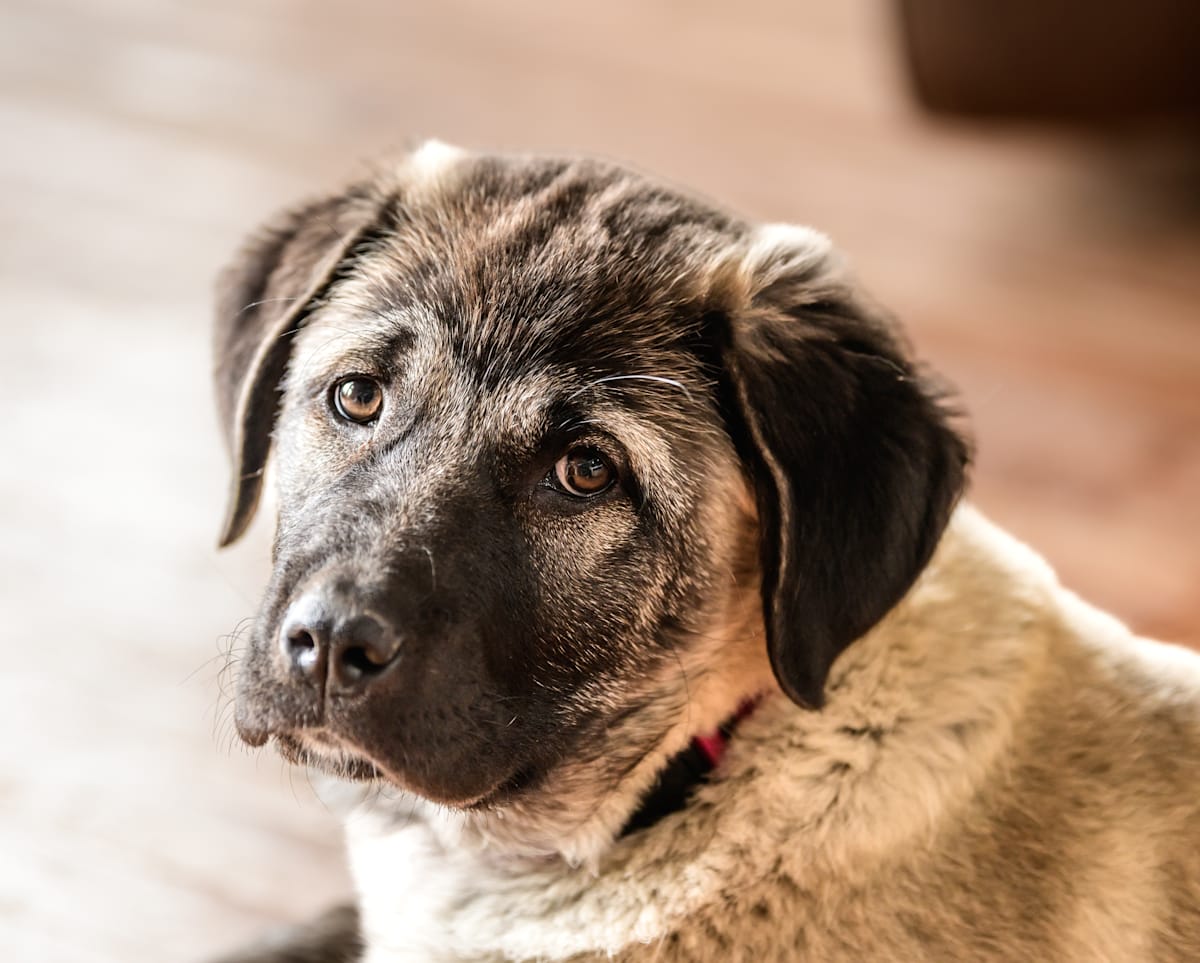
    Patient and loyal, the Anatolian Shepherd is considered to be one of the best working guard dog breeds.

    Other Names: Coban Kopegi, Anatolian Karabash

    Working Group

    Working Group dogs have been invaluable assets to man throughout the ages. The Doberman Pinscher, Siberian Husky and Great Dane are included in this Group, to name just a few. Quick to learn, these intelligent, capable animals make solid companions. Their considerable dimensions and strength alone, however, make many working dogs unsuitable as pets for average families. And again, by virtue of their size alone, these dogs must be properly trained.

    Breed Appearance

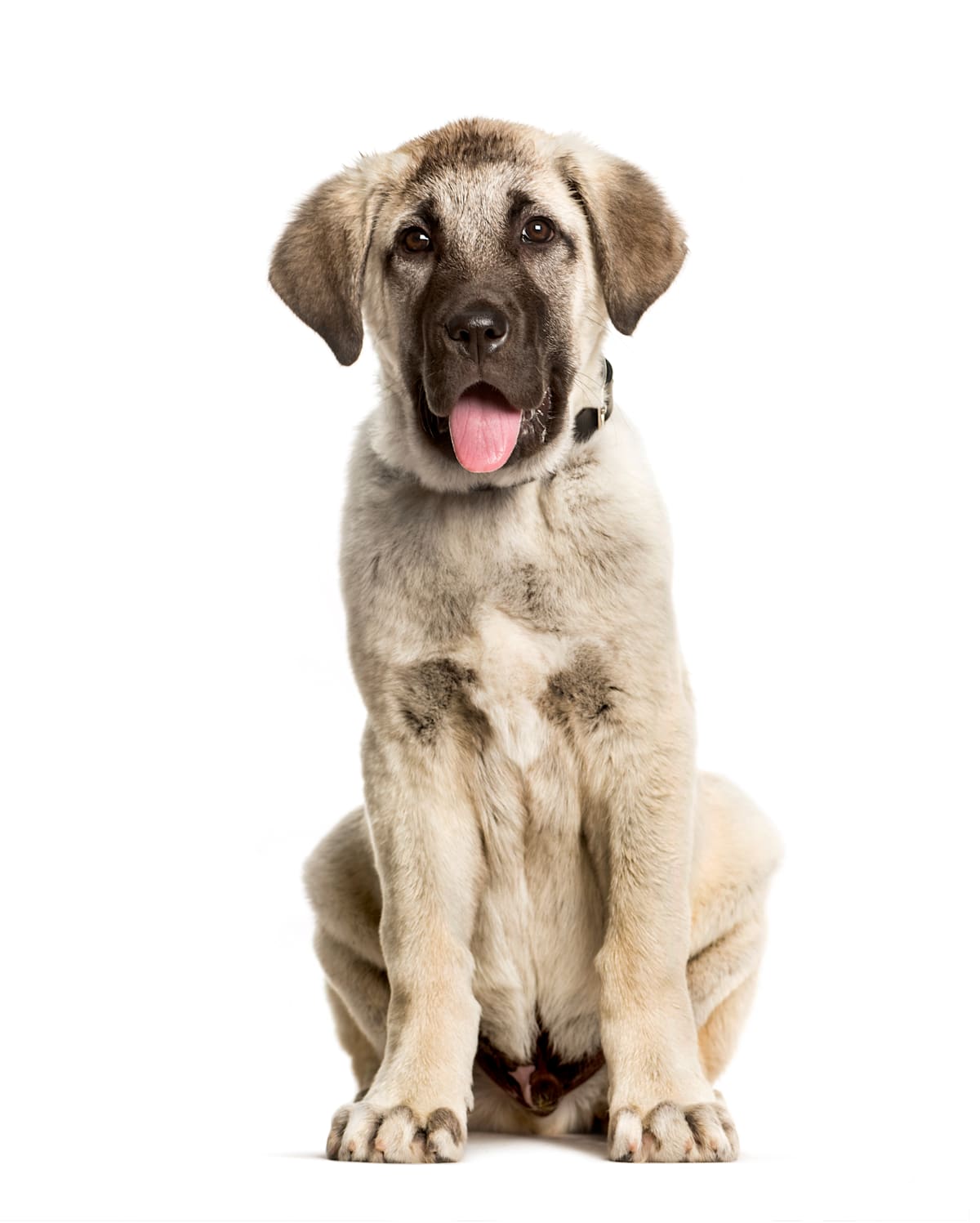
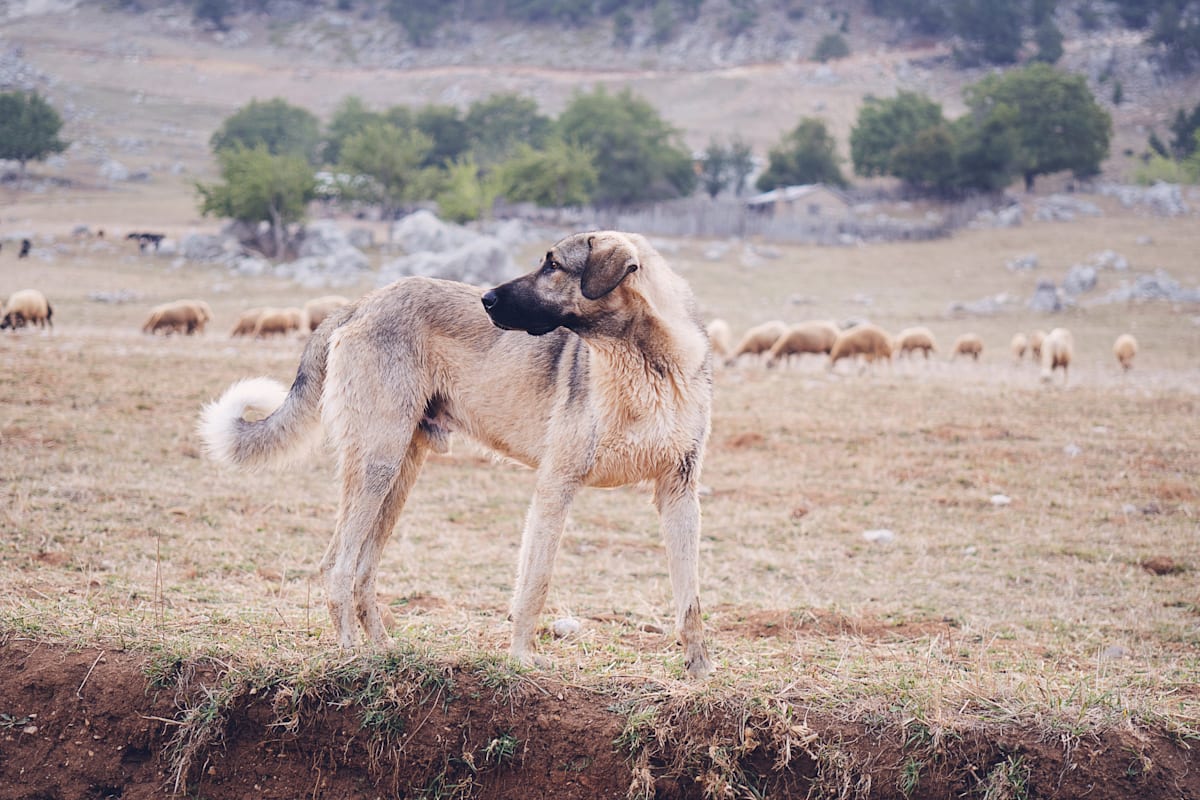
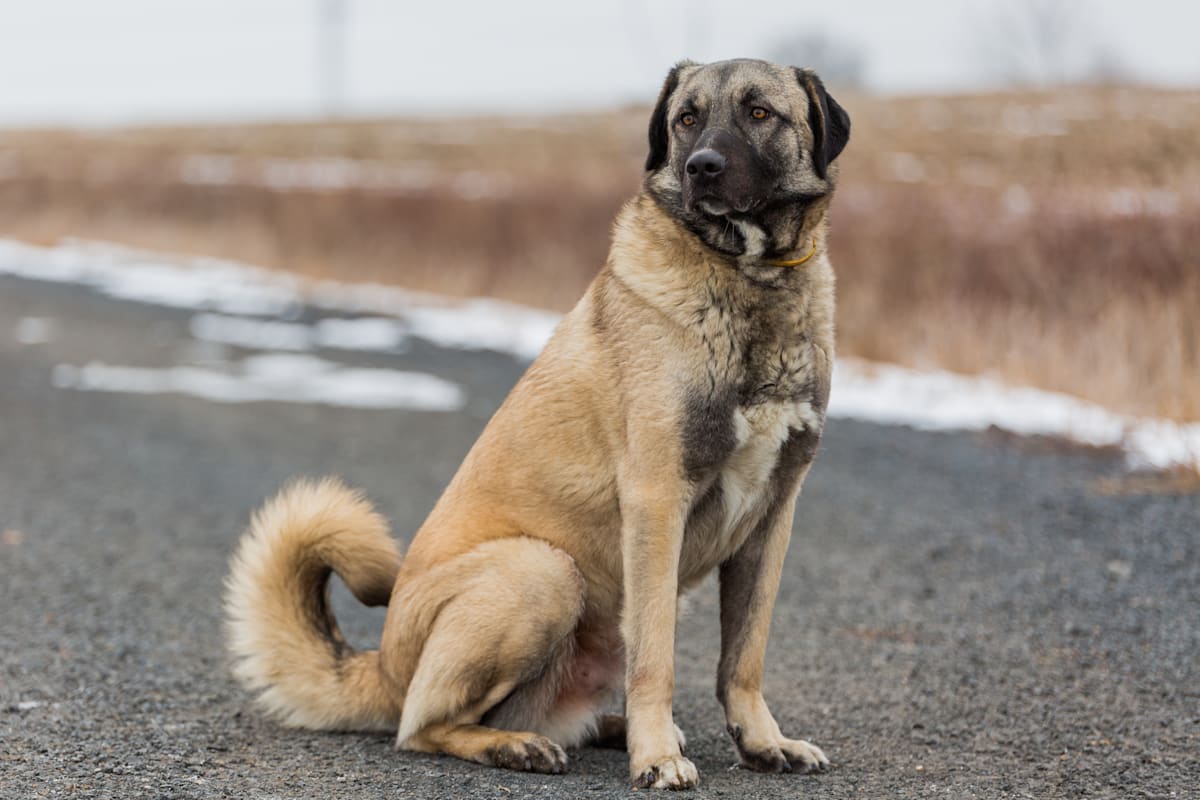
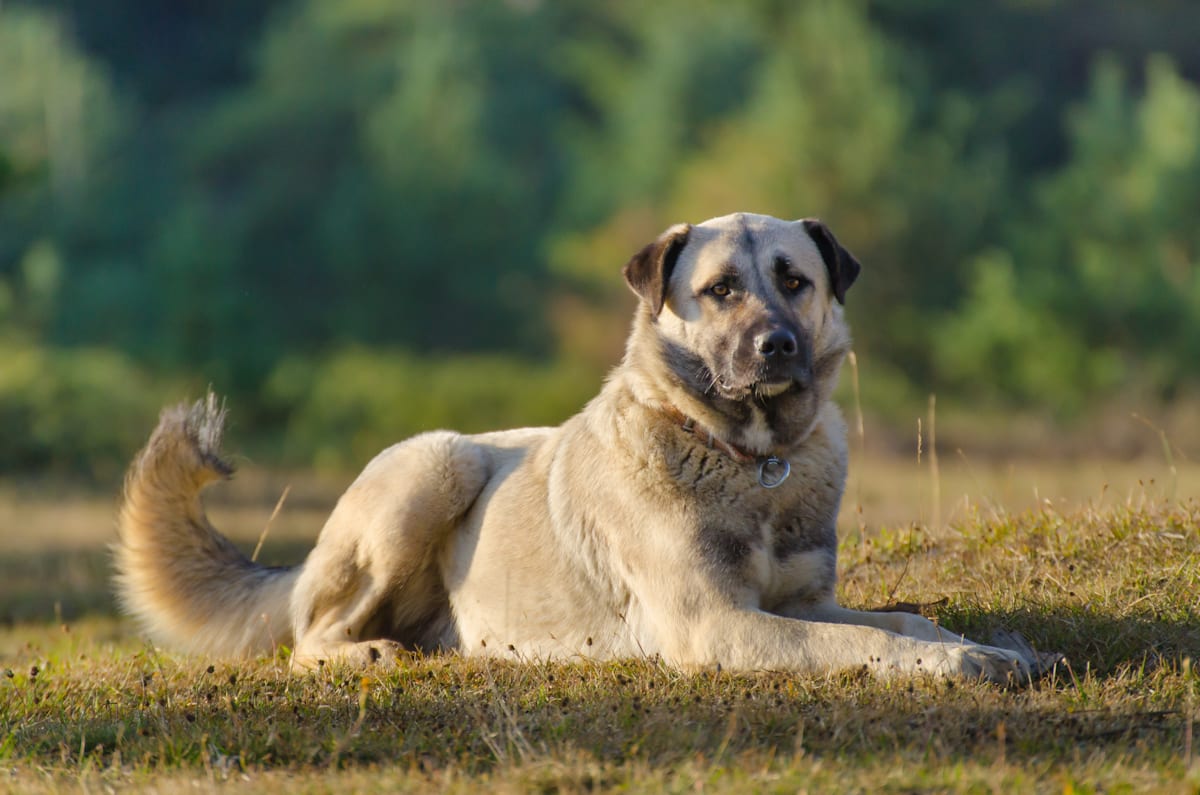
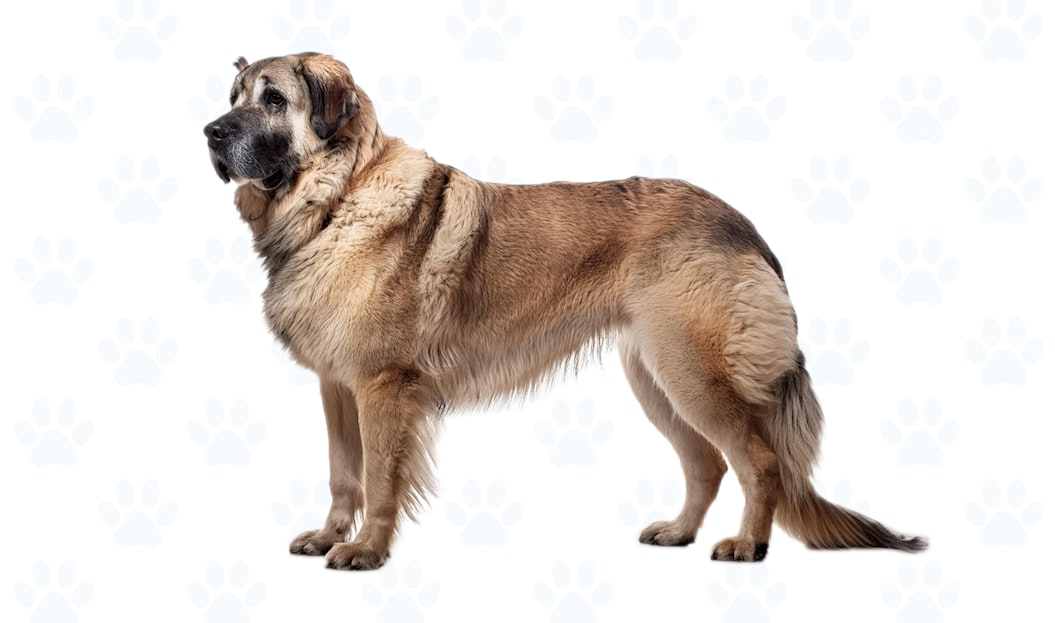
    According to the American Kennel Club breed standard, male Anatolian Shepherds stand up to 29 inches tall at the shoulder and weigh up to 150 pounds, while females stand up to 27 inches tall and weigh up to 120 pounds. A large, rugged breed, Anatolian Shepherds are also known for their endurance and agility. Although they are typically found working around livestock, these dogs are known for having a muscular torso and strong head, a rare trait for a sheepdog. Anatolian Shepherds can be found in a number of colors, including biscuit and white, blue, red and grey fawn, brindle, and liver and white.

    Size & Weight

    Male Anatolian Shepherds stand up to 29 inches tall at the shoulder and generally weigh between 110 and 150 pounds, while females stand up to 27 inches tall and generally weigh between 80 and 120 pounds.
    Full Grown
    Female
    27 in. / 120 lbs.
    Male
    29 in. / 150 lbs.
    Height bar
    Female Pet
    Height Figure
    Male Pet
    Height is measured up to the shoulders.

    Anatolian Shepherd Characteristics

    Size

    Tiny

    Jumbo

    Weight

    Light

    Heavy

    Shedding

    Minimal

    Abundant

    Coat Length

    Short

    Long

    Grooming Frequency

    Occasional

    Frequent

    Living Space

    City apartment

    Ranch

    Exercise

    Couch potato

    Bring it on!

    Climate

    Warm

    Cold

    Personality

    Antisocial

    Outgoing

    Protection

    None

    Bodyguard

    Behavior with Kids

    Always monitor

    Babysitter

    Training

    Headstrong

    Obedient

    Barking

    Mute

    Loud

    How to Care for a Anatolian Shepherd

    Caring for an Anatolian Shepherd means providing consistent training, thoughtful socialization and plenty of secure outdoor space. With proper nutrition, routine grooming and structured activity, this devoted guardian can thrive as both a working partner and family companion.

    Coat & Grooming: Although the Anatolian Shepherd’s coat is heavy, it doesn’t take too much to maintain, says VanTine. Anatolians should professionally groomed every few months in order to keep their coat neat and help with shedding, and they should be bathed whenever they smell. Regular brushing will also help keep excess hair at bay.

    Shedding: Bred for the outdoors, Anatolian Shepherds are known to shed. Their coats will blow out twice a year, and their thick undercoat produces a fair amount of hair.

    Training: Although the breed can be independent, Anatolian Shepherds require a firm yet gentle hand in training and plenty of obedience and socialization classes. According to the American Kennel Club, you should avoid enrolling your Anatolian in protection or guard-dog training, as this can increase their natural protective abilities, which can result in a less-than-friendly dog around strangers.

    Barking: The Anatolian Shepherd has long been trained as a working dog and because of this, their bark has evolved over time. According to Kristi VanTine, an Anatolian Shepherd breeder based in North Carolina, the breed has three distinct barks: one that is startled/surprised (“I think I heard a leaf fall!”), an alert bark (“I need to tell everyone about this noise I just heard!”) and a protection bark (“If you come over this fence, I will attack.”).

    Temperament & Behavior: According to the Anatolian Shepherd Club of America, the Anatolian Shepherd is known to be reserved around strangers and will be quite alert and observant of those around them. Calm and attentive to their people, the breed is a natural guard dog that excels as both a working dog and a family dog, provided that it receives proper training.

    Behavior with Kids: If socialized early in life, Anatolians can be good around children. Partnered with obedience classes, an Anatolian Shepherd will be a great family pup.

    Protection: By nature, the Anatolian is an intense, protective breed.

    Life span: Anatolian Shepherds live between 11 and 13 years on average.

    Inherited Health Issues: Anatolian Shepherd Dogs are generally a healthy breed, yet some health conditions can occur at an increased frequency within the breed or as a result of genetics. Responsible breeders typically perform a variety of screening tests prior to breeding in an attempt to minimize health problems within the breed. These conditions may include, but are not limited to, the following: Carpal laxity syndrome and Copper storage hepatopathy.

    Preventive Care: Anatolian Shepherd Dogs are best kept in optimal health with proper diet, sufficient exercise and routine veterinary evaluation. Veterinarians have been extensively trained to detect new or subtle changes, which is beneficial in diagnosing problems early. As with all breeds, the regular use of flea and tick prevention, and heartworm prevention helps to keep a number of parasites away.

    Despite being a large breed, Anatolian Shepherds tend to develop orthopedic conditions, such as hip dysplasia, less frequently than many other large breeds. Regardless, maintaining a healthy body condition and weight are a critical step in minimizing the strain that extra weight can place on joints.

    Although Anatolian Shepherds are not inherently prone to obesity, overfeeding and insufficient exercise can result in excessive weight gain. It is best to feed your Anatolian Shepherd portion-controlled meals of a high quality balanced diet. Table scraps or too many treats can quickly pack on the pounds, so only offer these goodies in moderation.

    Daily Consumption: An adult Anatolian Shepherd will consume 4-6 cups of food daily.

    Energy Level: Enjoys some moderate exercise every now and then

    Exercise: As a working dog, the Anatolian Shepherd is used to spending countless hours working with livestock and protecting its herd, and as a domesticated pet it will require plenty of outdoor activity. If possible, your Anatolian should receive multiple leashed walks per day and/or time to play off leash in a well-fenced area. This breed should not be off leash in an open area. As an independent dog, it might be difficult to get your Anatolian to come to you once it finds something of interest.

    Cost of Owning

    On average, owning an adult Anatolian Shepherd costs around $1600 per year
    $400
    Vet Care
    $400
    Grooming & Boarding
    $500
    Food & Treats
    $300
    Other

    Unlock exclusive rewards with Vital Care, or enjoy up to 35% off essentials when you subscribe with Repeat Delivery.

    Enjoy exclusive rewards every time you shop. Get member-only deals, points, and special offers designed to help you save more on what your pet needs.

    Never run out of the essentials. Subscribe and get your pet’s favorites delivered on schedule—with up to 35% off plus the convenience of automatic refills.

    Your love story starts here.

    Find adoptable pets near you with a simple search.

    Fun Facts

    The Anatolian Shepherd is thought to date back to the Babylonian Empire and evidence of the breed's existence has been seen on bas-relief carvings that date back to 2000 BC.

    The Anatolian Shepherd is thought to date back to the Babylonian Empire and evidence of the breed's existence has been seen on bas-relief carvings that date back to 2000 BC.

    The breed was initially brought to the United States of America by the Department of Agriculture during the top-secret “Sheepdog Project.”

    The breed was initially brought to the United States of America by the Department of Agriculture during the top-secret “Sheepdog Project.”

    The breed has been known to make for great actors and has been seen on the big screen on the feature films including “Cats and Dogs,” “Friends with Benefits” and “Kate and Leopold.”

    The breed has been known to make for great actors and has been seen on the big screen on the feature films including “Cats and Dogs,” “Friends with Benefits” and “Kate and Leopold.”

    History

    Origin: Turkey  

    The history of the Anatolian Shepherd is a diverse one. Although their date of domestication isn’t clear, the breed appears in carvings found on vases that date back to 2000 BC. The breed appeared in North America after World War II, when the United States Department of Agriculture brought over a breeding pair from Turkey to test the dogs in the United States. This test was part of a greater experiment to determine what type of sheepdog would be the perfect companion to the post-war American farmer. The first public litter was bred by U.S. Naval Lt. Robert Ballard, who brought a pair of Anatolians home from Turkey after a tour in the country. Today, the breed excels as a working dog on farms and ranches across the country, particularly when dealing with the predatory wolves in the foothills of the Rockies. The Anatolian Shepherd Dog was recognized by the American Kennel Club in 1995.

    Read More

    Sponsored