About the American Staffordshire Terrier
Terrier Breed Group
These are feisty, energetic dogs whose sizes range from fairly small, as in the Norfolk, Cairn or West Highland White Terrier, to the grand Airedale Terrier.
American Staffordshire Terrier Appearance
Size & Weight
American Staffordshire Terrier Characteristics
- Size & Coat
- Lifestyle
- Training & Behavior
Size
Tiny
Jumbo
Weight
Light
Heavy
Shedding
Minimal
Abundant
Coat Length
Short
Long
Grooming Frequency
Occasional
Frequent
Living Space
City apartment
Ranch
Exercise
Couch potato
Bring it on!
Climate
Warm
Cold
Personality
Antisocial
Outgoing
Protection
None
Bodyguard
Behavior with Kids
Always monitor
Babysitter
Training
Headstrong
Obedient
Barking
Mute
Loud
How to Care for a Staffie
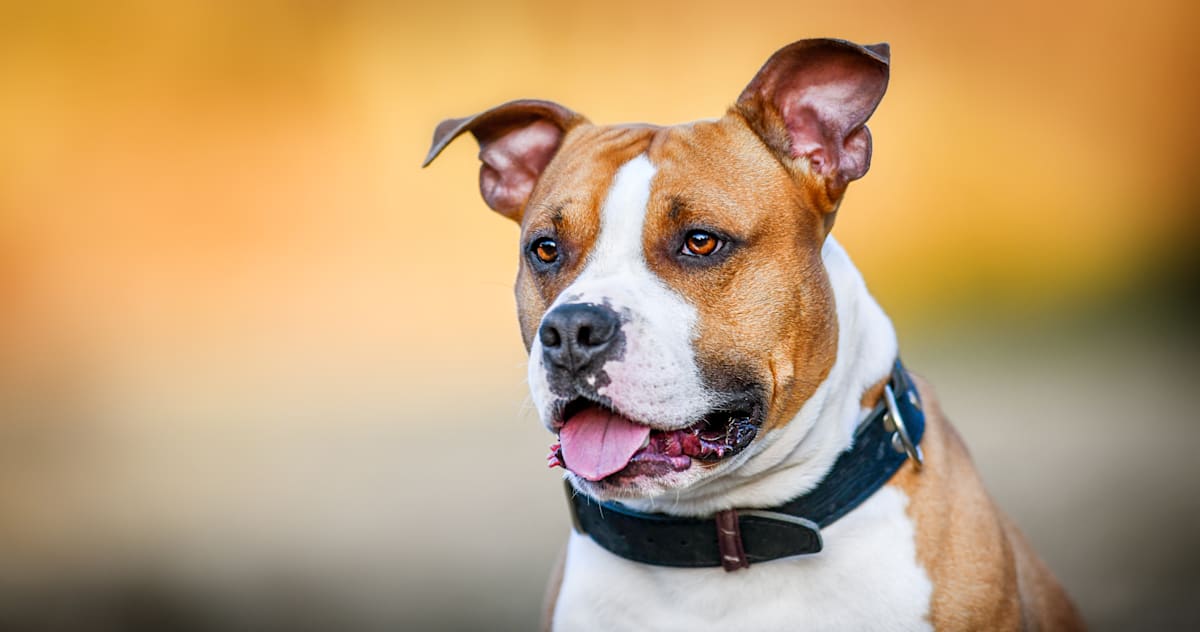
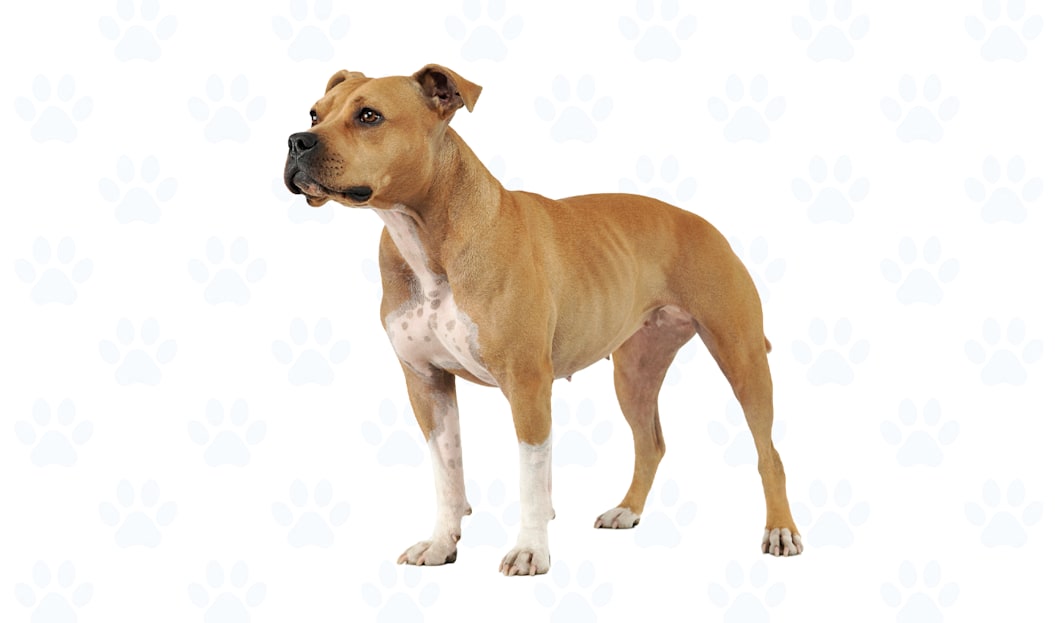
Coat & Grooming: The American Staffordshire Terrier has a short, coarse, and glossy coat that requires minimal maintenance. They should be bathed regularly and brushed a few times per week with a rubber curry brush. Brushing their coat in a circular direction will help stimulate the skin and distribute natural oils through the short hair, keeping it nice and glossy.
Shedding: Light shedding.
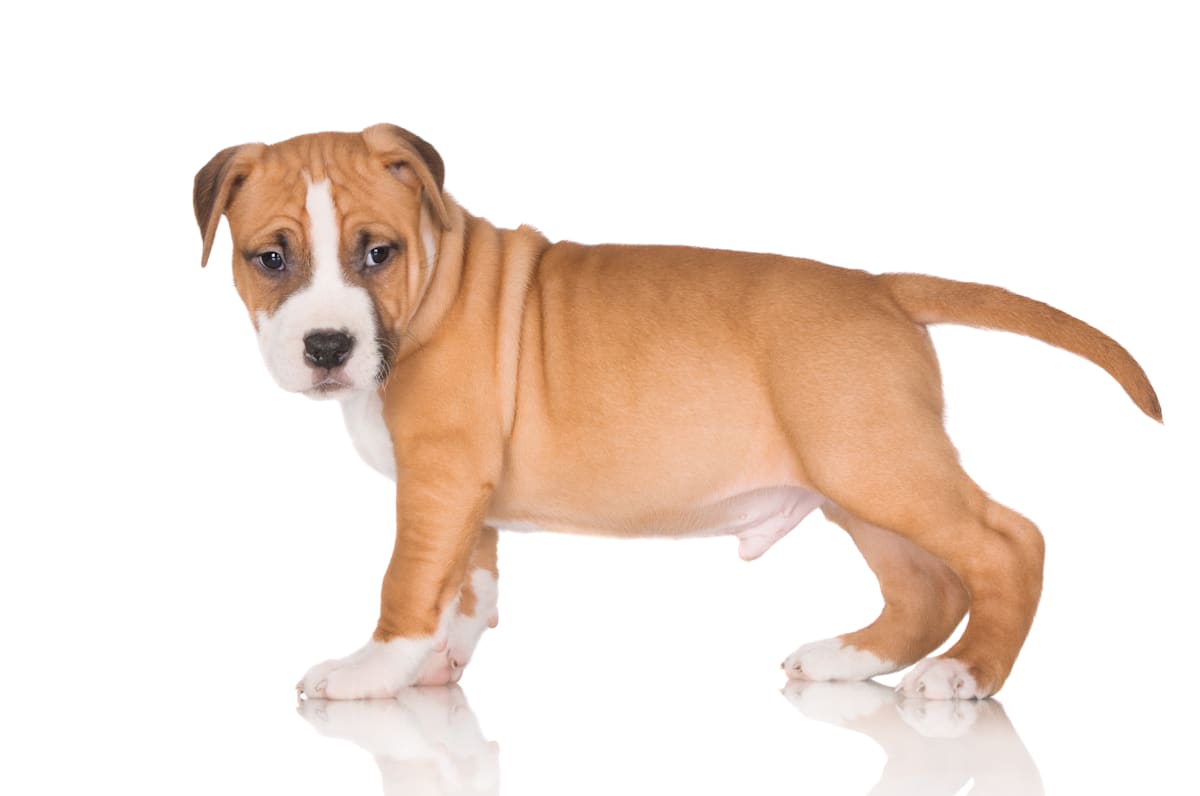
Training: Patient and caring training is extremely important for this breed. Bear in mind that it took confidence and an iron will for early American Staffordshire Terriers to face down raging bulls and protect the farm, so today they can present a challenge for an inexperienced trainer. Luckily, American Staffordshire Terriers have an above average trainability and are extremely versatile and eager to please. Positive motivation and shorter sessions should be the key to keeping their attention. The first priority is to start at a young age with obedience, socialization, and consistent rules at home.
After a foundation for learning has been set, there are few practical limits to what an American Staffordshire Terrier can accomplish. They’ve been movie stars, therapy dogs, search and rescue dogs, detection dogs, and general service dogs. In some cases, they’re still used for catching wild game.
Barking: American Staffordshire Terriers bark an average amount. They will express boredom or separation anxiety through barking, but a relaxed dog can be expected to bark only in alarm and play. When they do bark, it’s a loud, throaty and rough sound.
Temperament & Behavior: The average American Staffordshire Terrier is loyal, confident, gentle, relaxed and good-natured. Early and constant socialization will maintain the breed’s natural, positive characteristics. They are often called sweethearts who love being with people, no matter the activity. Hundreds of years ago, they were affectionately referred to as “Nanny Dogs” because farm workers could feel safe leaving their children under the dog’s care while they worked. On the other hand, American Staffordshire Terriers were bred to be tenacious and tough as nails. They do still have a tendency to be aggressive to other animals. Although they may not provoke a fight, they won’t walk away from one, either. Caring and confident leadership is necessary to keep them from setting the tempo themselves.
Behavior with Kids: American Staffordshire Terriers are considered to be good around children. The breed is praised for being tolerant and protective of kids in the family.
Protection: American Staffordshire Terriers generally greet strangers with a friendly face, though some can be wary. They are naturally protective of their homes and their people, and definitely give the impression of hired muscle.

Life span: On average, American Staffordshire Terriers live about 12-14 years.
Inherited Health Issues: Though a relatively hardy breed, the American Staffordshire Terrier does have an increased incidence of some conditions, just like any purebred dog. The ability to pass on some genetic conditions can be detected. If you are considering purchasing a Staffie puppy, always discuss genetic testing with prospective breeders, to ensure that they take the necessary steps to ensure that genetic problems aren’t passed along their breeding lines.
Preventive Care: Staffie’s tend to have a very high tolerance for pain and discomfort, so making sure you schedule regular wellness check-ups with your veterinarian is important to ensuring that minor problems are detected early, before they become serious. Your Staffie is unlikely to complain until things are quite advanced! Because allergies are very common with Staffordshire Terriers, it’s important to religiously use flea prevention if you live in an area where fleas are common. One fleabite can lead to severe allergies in individuals that are predisposed. It’s also a good idea to supplement with omega-3 fatty acids in the form of fish oils. Purchase a product that is developed for the veterinary market, and dose according to label directions. Every dog deserves high quality, consistent preventive care to ensure that he lives a long and happy life.
Because American Staffordshire Terriers are more prone to rupture of the cranial cruciate ligament (often called the “ACL” after the human structure which performs the same function), it is vital that these dogs be maintained at a healthy weight. This injury occurs more commonly in overweight and obese dogs, so an overweight Staffie is at double the risk! Work with your veterinarian to determine your Staffie’s ideal weight, then feed to maintain him at that weight.

Daily Consumption: Average daily consumption for an adult Staffie is 2-4 cups.
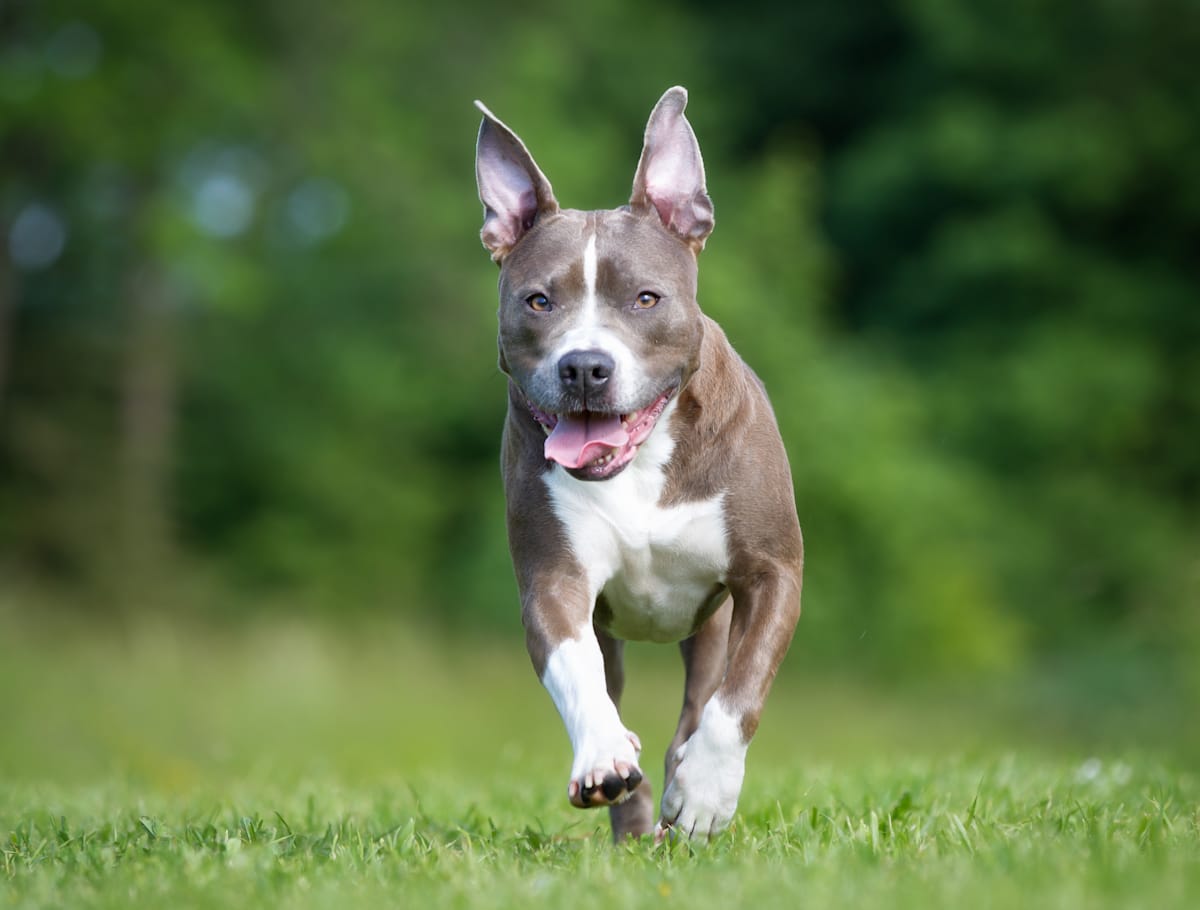
Energy Level: Frisky, energetic breed that is always ready for action
Exercise: American Staffordshire Terriers are powerful, athletic dogs that need vigorous, structured exercise to remain well-balanced. There are different lines of American Staffordshire Terriers, some bred for modern-day work and hunting, and others developed to be more mellow, non-working, companion dogs. The bloodline of any individual will influence how much activity it needs to be fulfilled. In general, jogging, cycling, carrying a backpack, or other dog sports are all good ways for this breed to burn off energy that could otherwise frustrate them.
In recent years, the American Staffordshire Terrier and all ‘Pit Bulls’, which is a general term referring to a group breeds that share similar heritage, have been tagged as the ‘It Dog’ for reported cases of aggression. Living environment and background of the dogs, and the responsibility of the owner factor into dangerous and lethal situations, while selective reporting has created a negative reputation. Like all powerful and devoted breeds, the onus is ultimately on the owner. No matter the breed, dogs need stable environments, structure, exercise, firm expectations, and care to become safe and happy members of society.
Cost of Owning
Unlock exclusive rewards with Vital Care, or enjoy up to 35% off essentials when you subscribe with Repeat Delivery.
Enjoy exclusive rewards every time you shop. Get member-only deals, points, and special offers designed to help you save more on what your pet needs.
Never run out of the essentials. Subscribe and get your pet’s favorites delivered on schedule—with up to 35% off plus the convenience of automatic refills.
Cross Breeds
Choose a breed from the dropdown to see potential crosses.
Your love story starts here.
Find adoptable pets near you with a simple search.
Fun Facts
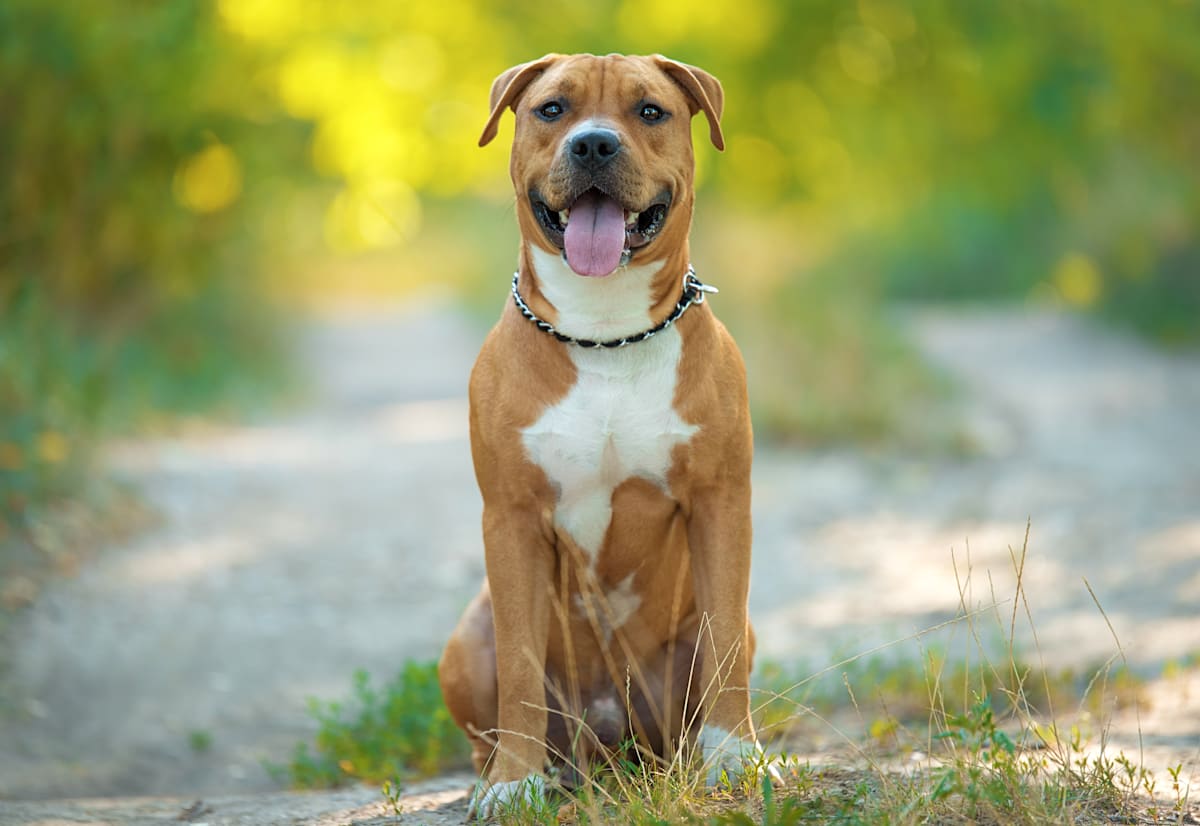
American Staffordshire Terriers are known for their expressive facial range and are often described by owners as “smiling” dogs due to their relaxed mouth shape and animated expressions.
Petey from the old serial TV show and the movie “The Little Rascals” was a Staffordshire.
Staffordshire breeds are the most common purebred dogs to be found in animal shelters. Staffordshires (including American Staffordshire Terrier) are outright banned from many cities, provinces, and countries throughout the world.
American Staffordshire Terriers have graced the cover of Life Magazine more times than any other breed. Laura Ingalls Wilder, Theodore Roosevelt and Helen Keller all owned American Staffordshire Terriers.