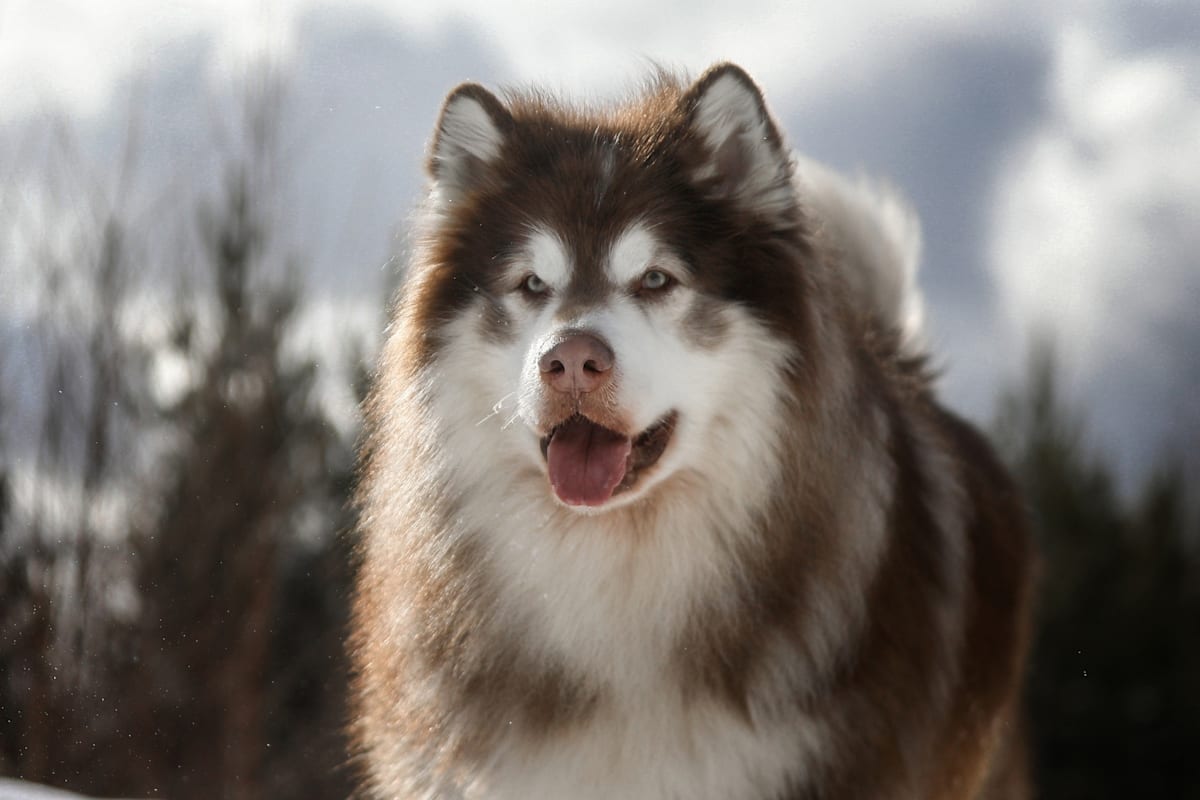
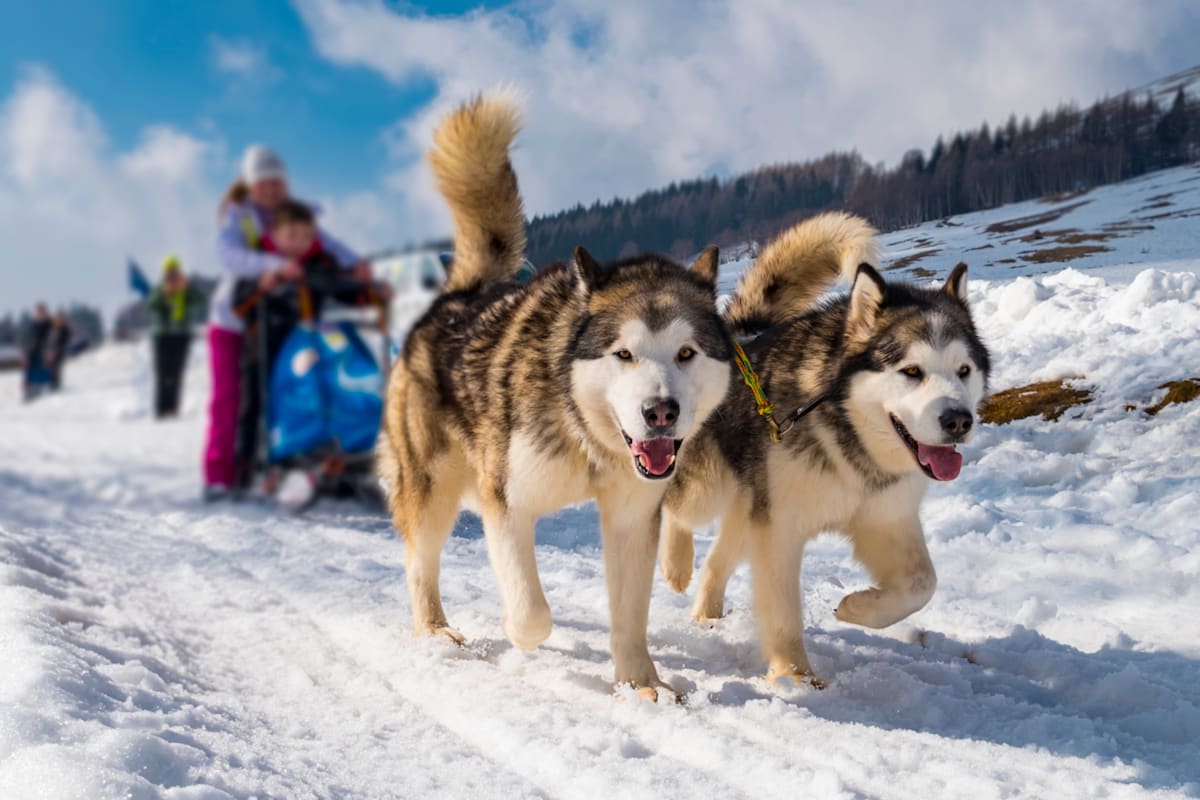
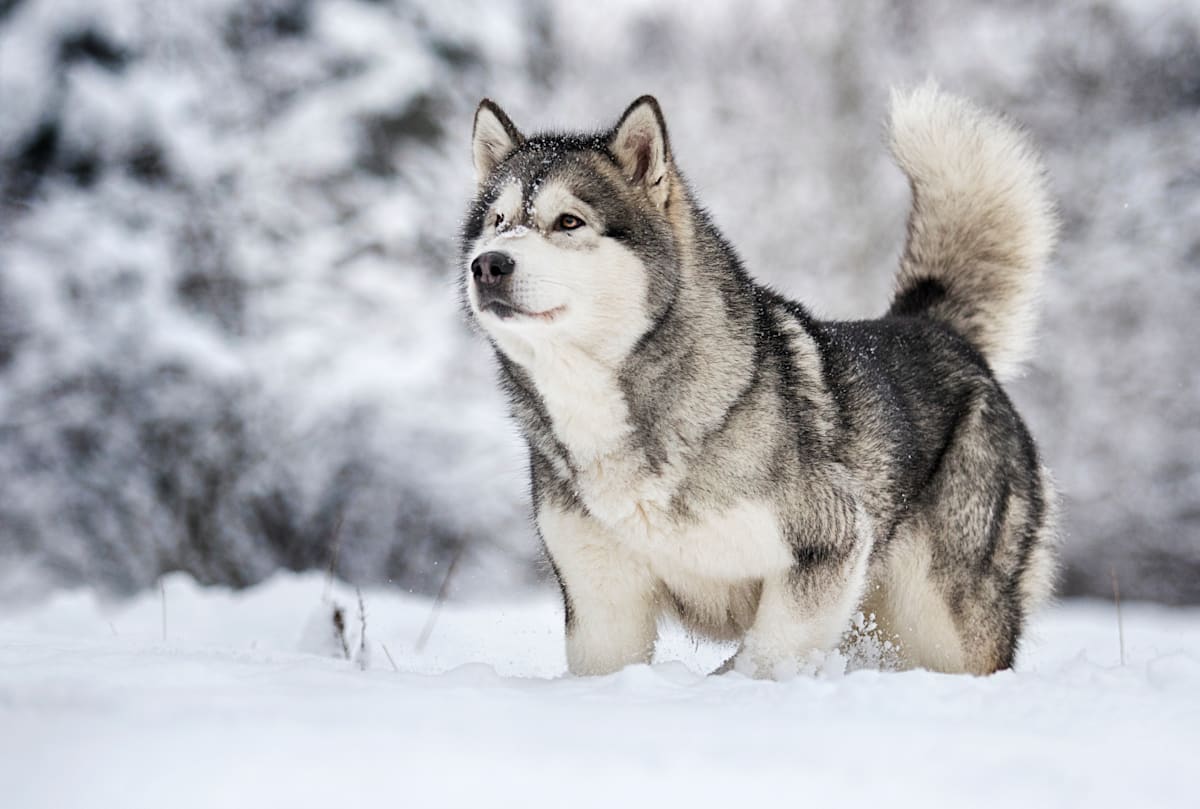
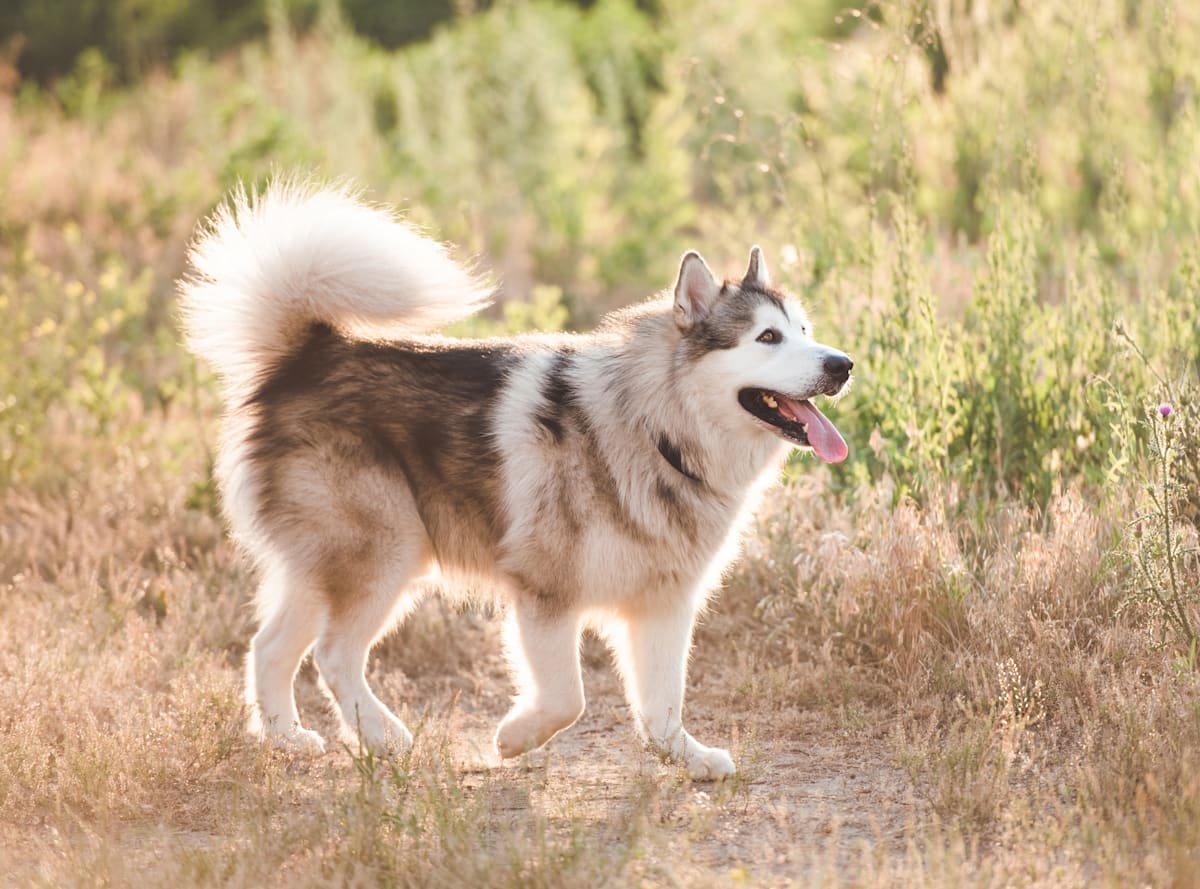
Training: Malamutes are very intelligent, and deep down they like to please people. They can be trained to do any number of complex tasks. However, Malamutes are also very independent minded, and can use their intelligence to outwit and confound their owners. They can also have dominance issues by seeking to become the “pack leader” above their human master. Due to the complexities of training a Malamute, they are not recommended for first time owners. Training and socialization should begin early. A puppy should know its place in the family “pack”before it grows big enough to cause problems. Malamutes can become bored with repetitive training, but at the same time they will likely need plenty of reinforcement because of their somewhat stubborn nature. Owners will need to be patient, and should try to make training interesting and fun. Learning a dog sport with a Malamute is a great way to accelerate the training process.
Barking: Malamutes are not typically frequent barkers. They might sound the alarm if something surprises them, but they are usually fairly confident and not easily startled. However, many Malamutes enjoy vocalizing in other ways such as howling, so don’t be surprised if you hear some strange noises from your pet from time to time.
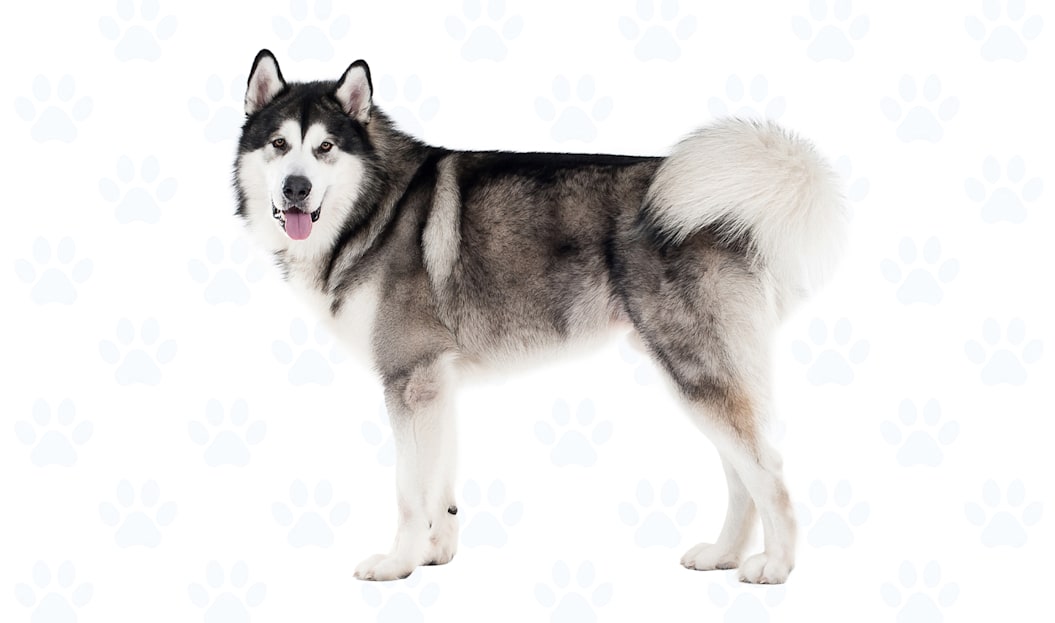
Malamutes are intelligent, strong and independent creatures, and they are able to live outside in the harshest climates. They do not do well when they are left alone with no outlet for their energies. They are happiest when they are around people, working side by side with them. Owners should be aware that leaving a Malamute alone in a backyard could be a recipe for trouble. They are infamous for their love of digging holes, so fences need to be buried to prevent them from escaping. A Malamute on the loose will chase small creatures and may frighten small children, so owners need to be aware and attentive at all times. If a Malamute receives enough exercise and companionship, they mature into noble, dignified creatures that are friendly to everyone they meet.
Personality: Malamutes are usually lively and friendly around people, even those they do not know well. They are good with children, but can be aggressive towards other dogs or small animals.
Temperament & Behavior: Malamutes often have a friendly, lively temperament. As with any large breed, training and socialization should begin while they are still small. Malamutes can have dominant personalities, and sometimes want to be the “pack leader” in their home. This alpha mentality can also lead to problems with other dogs. They must be made to understand their proper place in the family when they are young, or their behavior will be problematic. A properly socialized and trained Malamute should be friendly to both children and adults. If they grow up with other animals in the house, they can learn to become comfortable with them, but poorly trained Malamutes can sometimes be a danger to cats or small dogs. Some Malamutes have a high prey drive, so they might be predisposed to going after small animals that come into their yard.
Behavior with Kids: Malamutes enjoy spending time around kids and can be quite patient. They sometimes do not know their own strength, so interactions between Malamutes and young children should always be supervised.
Protection: Though Malamutes have a confident, intimidating look, they are usually quite friendly towards strangers, making them more of a deterrent than an actual guard dog.