














Petco Text Logo
Petco Pet Logo
Author Profile Photo
Written by Cheryl Lock

About Bombay

An easygoing and playful breed, the Bombay adapts well to a home with both children and other animals. The Bombay is just as happy to play as they are to snuggle on the couch and are likely to follow their people around their home.


Origin: Thailand, United States   

Petco Pet Education Center

General appearance

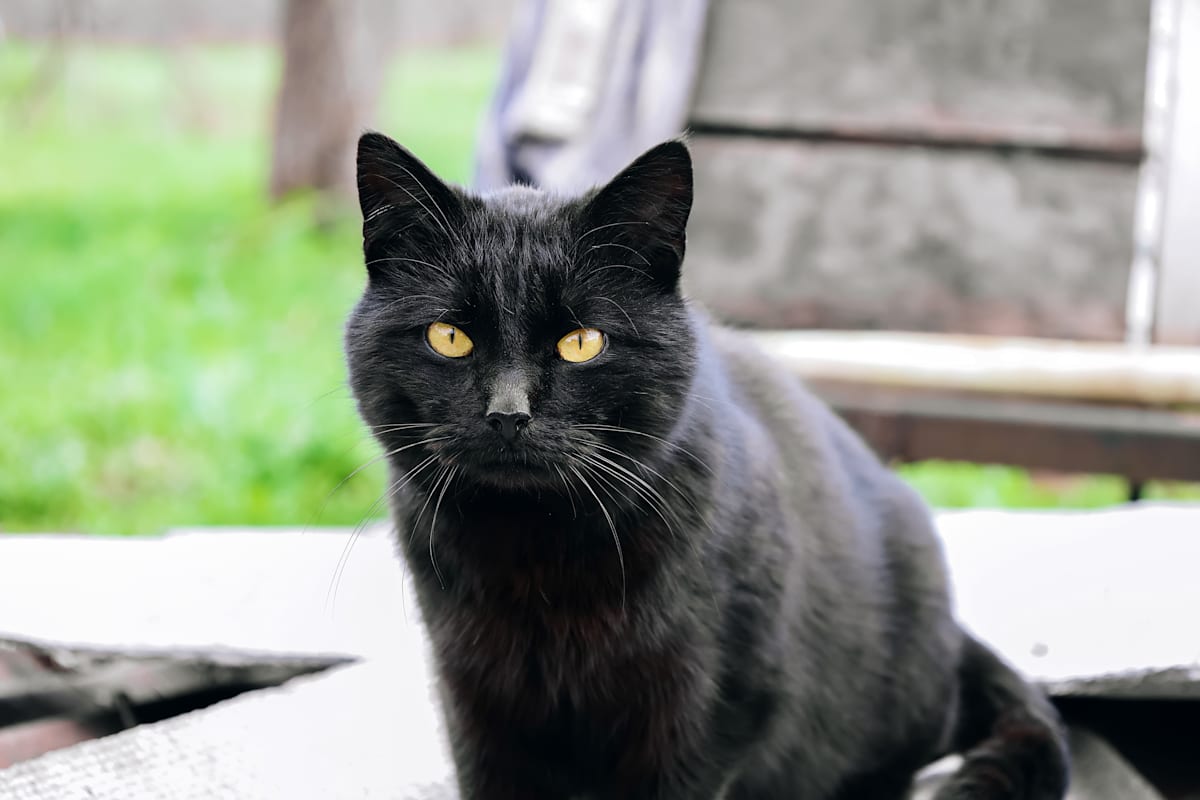
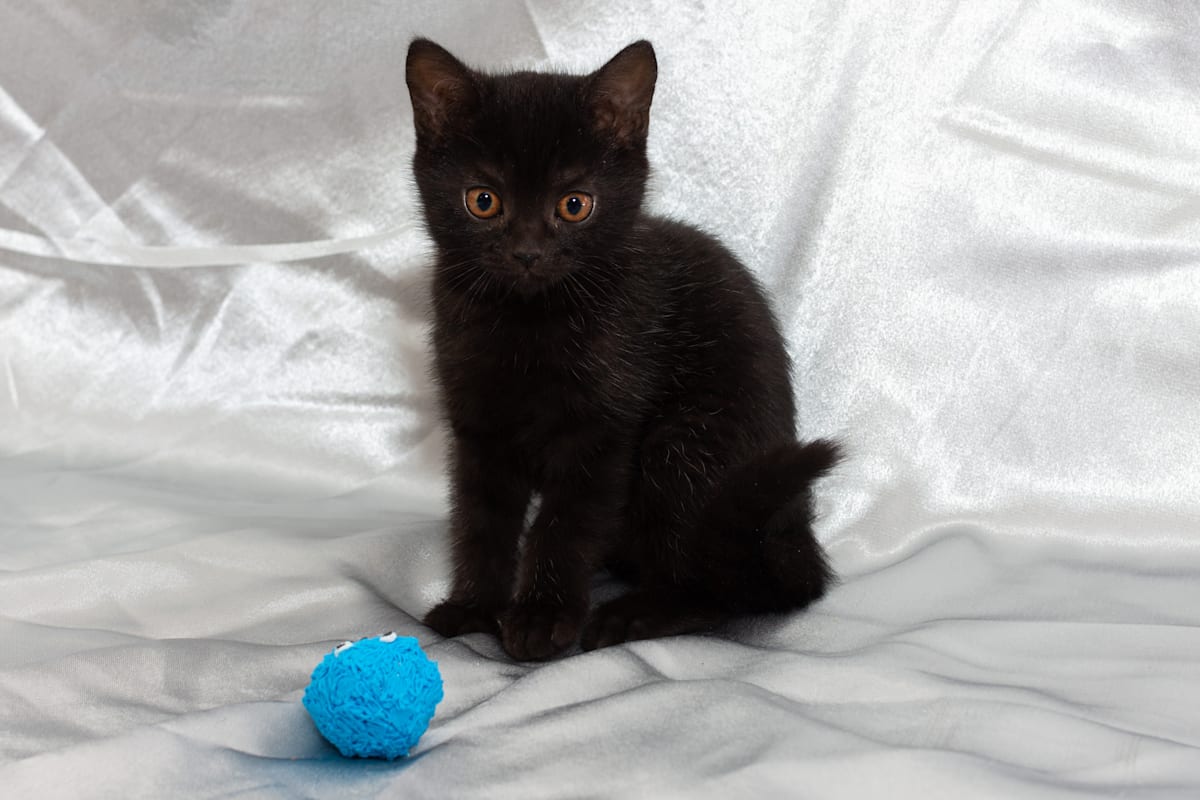
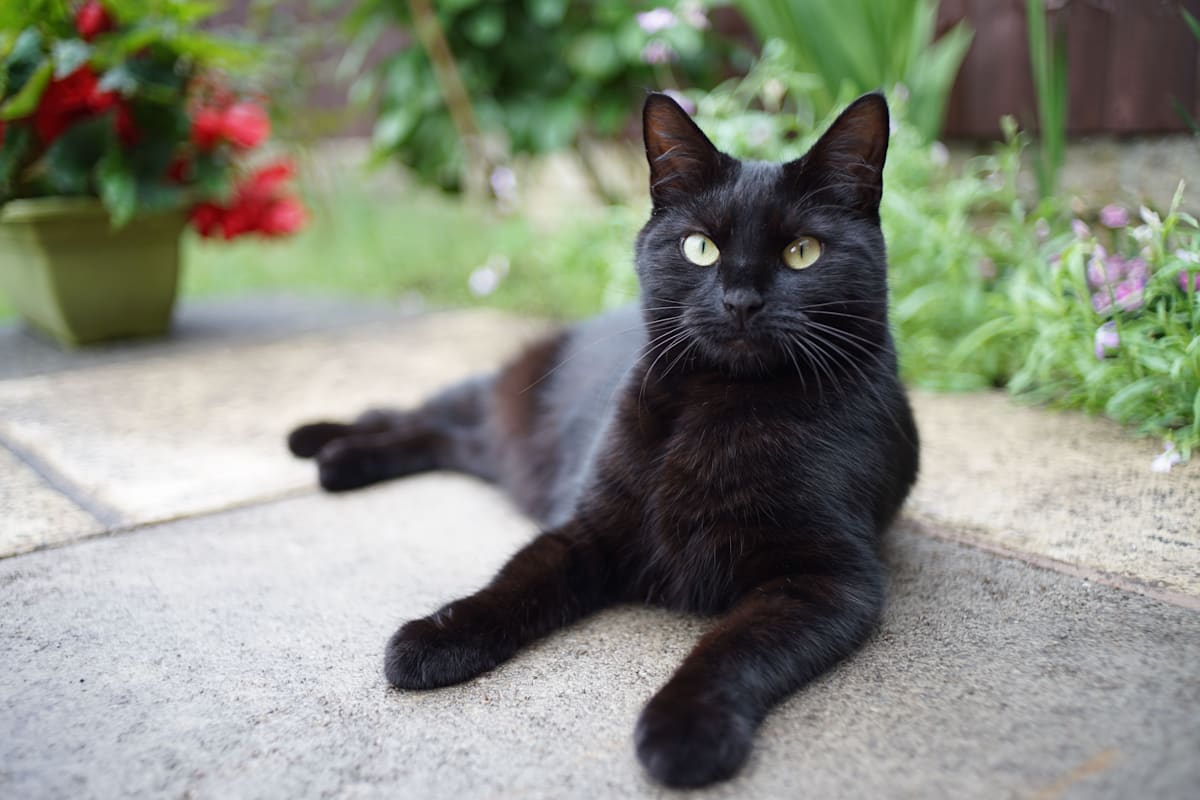
A medium-sized cat with round head and short muzzle, it’s the distinct shiny black coat and big gold or copper eye color that gives the Bombay its unique look. The breed was created by Nikki Horner, who was looking to develop a mini-panther type cat in 1953.

Size & Weight

A male Bombay usually weighs between 8 and 11 pounds, while a female tends to be between 6 and 9 pounds.

Full Grown
Female 10 in. / 9 lbs.
Male 10 in. / 11 lbs.

Height is measured up to the shoulders.

Female Size Chart
Height Figure
Male Size Chart
6 ft. 4 ft. 2 ft.

Cost of Owning

The average cost of owning an adult Bombay is $800 per year.
$250
Vet Care
$200
Grooming & Boarding
$150
Others
$200
Food & Treats

Characteristics

Weight

A medium sized breed, male Bombays weigh between 8 and 11 pounds, while a female tends to be between 6 and 9 pounds.

Light
Heavy

Living space

As a medium-sized breed, the Bombay doesn’t need a ton of space. In fact, they’re most likely to be found close to their people and curled up on a lap or perched on a shoulder.

City apartment
Ranch

Exercise

The Bombay is a playful breed, but they are also happy to relax or cuddle with their people.

Couch potato
Bring it on!

Personality

This breed can go with the flow, but they do love to be around their owners. If you’re gone most of the day, they won’t be too happy.

Antisocial
Outgoing

Behavior with kids

The breezy and playful Bombay makes the perfect companion for kids.

Always monitor
Babysitter

Shedding

The Bombay’s short coat sheds very little.

Minimal
Abundant

Climate

Their short, thin coat doesn’t make for great insulation, and the Bombay breed doesn’t like to be out in the cold.

Warm
Cold

Temperament & Behavior

Known for their intelligent and inquisitive nature, the Bombay is friendly, loves to play and gets along well with children and other animals, as long as they are properly introduced and socialized. “Bombays are very social, both with people and other cats,” says Sparrow Marcioni, executive director and chief behaviorist at La Maison du Chat, home of [CatRangers Rescue](http://www.catrangers.org/). “We always enjoy being able to rescue Bombays, as they are so very personable, and many other types of black cats wait quite a while to find their homes.”


Keep in mind that the Bombay is a very social breed that is likely to follow you around, cuddle and crave attention. As such, they don’t do well when left alone for long periods of time and can be pretty vocal when they get upset.

Barking: Understanding your cat

Training

Habits and Exercise

The Bombay is a generally easygoing breed, open and friendly to everyone, but they crave constant companionship, so they don’t do well when they are left alone for long periods of time and can be quite vocal if they are. If you’re looking for a cat that loves to cuddle and sit in your lap, though, this is the breed for you.


The Bombay is a high-energy breed that loves interaction and has even been known to play fetch. They can be leash trained and generally enjoy any activity that involves their people, including interactive toys and games.

Energy Level

Frisky, energetic breed that is always ready for action

Energy Level

Nutrition

Proper diet and exercise are critical steps in keeping a Bombay healthy. The Bombay should be fed portion controlled meals of a high quality balanced diet. Overfeeding with table scraps or excessive treats can quickly pack on the pounds.

Daily Consumption

An adult Bombay eats 1/4 to 1/2 cup of dry food per day

Daily Consumption

Preventive care

As with all cats, the Bombay should be examined by a veterinarian once or twice per year. During this exam, a veterinarian will evaluate a Bombay’s eyes, ears, mouth, skin, heart, lungs, abdomen, lymph nodes and joints. Veterinarians have been extensively trained to detect subtle changes before they become larger and more significant problems. Bombay owners should regularly monitor their cat at home and alert their veterinarian to any changes in their cat’s appetite, energy level or litter box habits.

Inherited health issues

Although certain health conditions can occur at a higher frequency in any breed of cat as a result of genetics, no specific conditions have been identified in the Bombay.

Life Span

On average, Bombay cats live to be between 9 to 13 years old.

Life Span

Did you know?

  • The Bombay cat was specifically bred with the goal of creating a cat with a miniature panther-like appearance.
  • Although the breed was developed to look wild, it is entirely bred from domestic lines.
  • The Bombay is very smart and can often be leash trained or taught to play fetch.

Coat and Grooming

The Bombay is known for its gorgeous, shiny and short black coat, which also happens to shed very little. You’ll only need to brush your Bombay weekly and provide occasional baths to keep strays at bay.

Coat length

Short

Coat length

Grooming

Occasional

Grooming

Shedding

The Bombay has a short coat with fine fur that sheds very little. Weekly brushing keeps it in tip-top shape.

History

The Bombay cat was created by breeder Nikki Horner in Louisville, Kentucky in 1953. Her goal was to create an exotic-looking, short haired cat that resembled a miniature panther. According to the Cat Fanciers’ Association, the black leopard of India even inspired her naming of the breed. Horner began developing the Bombay by breeding a black American Shorthair with a Grand Champion sable Burmese. Through selective breeding, she was able to get the black-furred, gold- or copper-eyed cat that we see today. The International Cat Association (TICA) accepted the Bombay into championship competition in 1979.