


Related Articles


How to Travel with Your Dog: Safe, Stress-Free & Happy Trips
Published on May 10th, 2022
Updated on October 15th, 2025


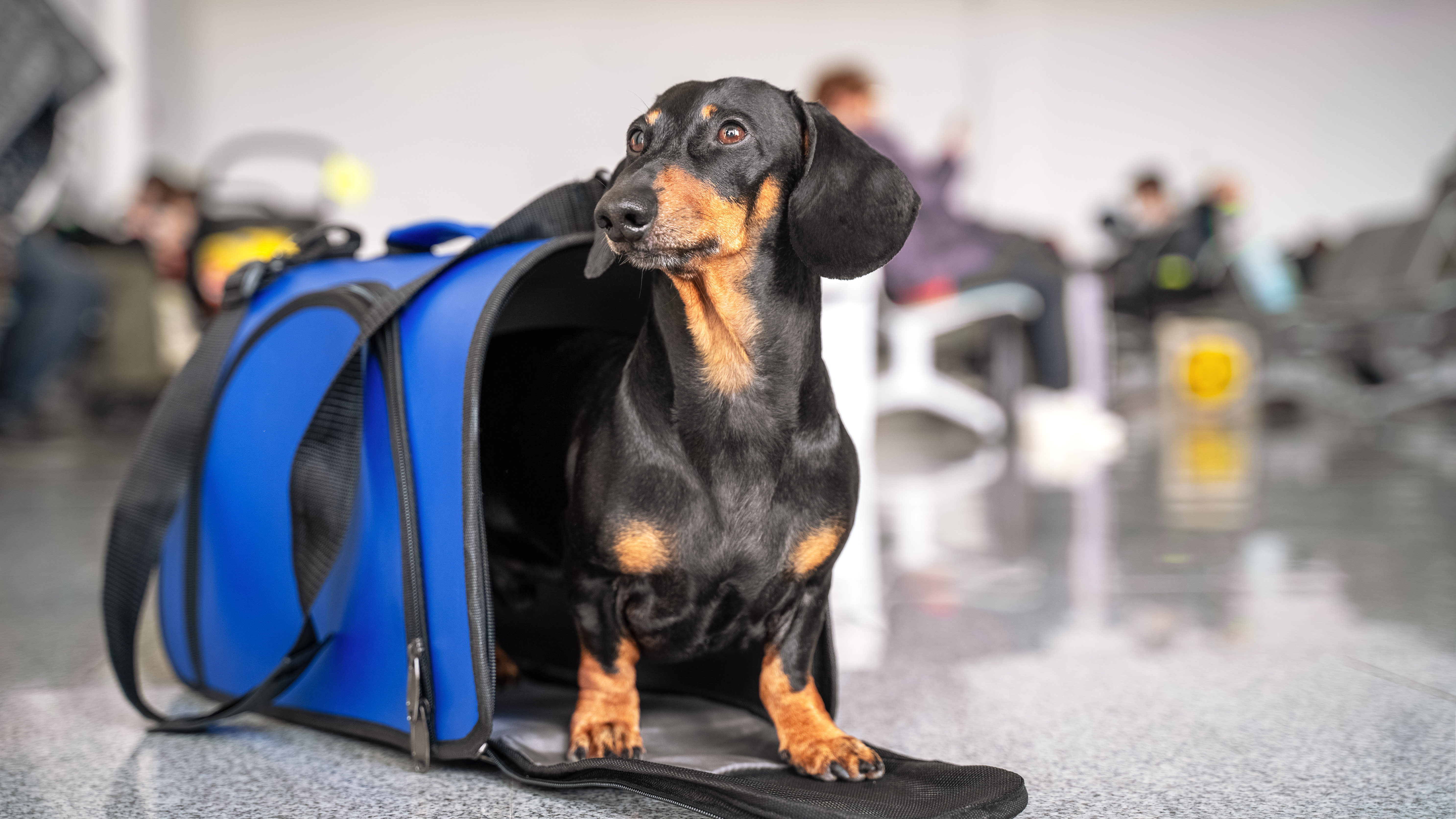
Your dog is an important member of your family, so it only makes sense that you’d want to take them along on your travels to have adventures and build memories. Traveling with dogs has become more widespread within the last decade, and advancements in the travel and pet industries have made pet travel easier and less stressful.
With the right tools, tips and products from Petco, traveling with your dog can be a lot of fun for everyone.
How to Prepare
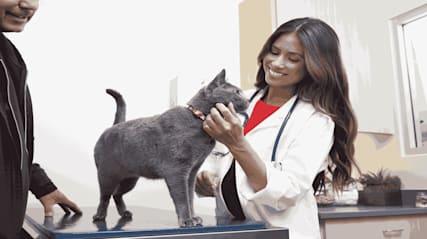
Visit your vet
There are four important reasons to schedule a vet visit for your dog before traveling.
Schedule a wellness check. This is to make sure your dog is healthy enough to travel. It’s especially important for senior pups and those with specific physical or behavioral limitations.
Get prescriptions. You’ll want to make sure you have all their regular medications on hand as well as travel-specific ones for anxiety or nausea if needed. Also, consider where you are going. Heartworm and Lyme disease, for example, are more common in certain regions. Tell your vet about your planned itinerary so they can provide the right medications and vaccinations.
Get copies of your dog’s vaccination records. Many airlines, states and countries require proof of specific vaccines—like rabies—and up-to-date parasite prevention before allowing dogs to travel. Check with relevant agencies ahead of time, especially for international trips, to make sure you meet all the requirements for your destination. Then schedule a vet visit no more than 30 days before your departure date to ensure that all vaccinations and checkups are documented and to obtain a health certificate for your trip. If multiple people will be caring for your dog, give each one a copy, and always keep a set with you while traveling.
Check that microchip. If your dog is microchipped, ask your vet to scan the chip to ensure it’s working properly. If they’re not microchipped, now’s a great time to have it done.
Be sure to book your appointment early since summer and holiday travel seasons are busy ones.
Speaking of vets… Before you travel, research the area you’ll be visiting for local veterinarians. That way you’ll be prepared if there’s an emergency and your dog needs immediate medical attention. If you have trouble finding a local veterinarian, call the American Animal Hospital Association at 800-252-2242 for a referral.
Gather dog ID & documents
Once you have the necessary paperwork from your vet, start gathering everything you’ll need for your dog (see Packing checklist below for the rest of your dog’s items). Some destinations require a “pet passport,” which typically includes:
- Medical and vaccine records
- Health certificates (especially for international travel)
- Required airline/train forms
Now is also a good time to make sure your dog’s tag and microchip IDs are up to date. This includes checking that your phone number is still legible on the tag and the collar hasn’t gotten stretched out. If you adopted or rescued a microchipped dog, confirm you’re listed as the current pet parent.
Also, pack a physical photo of your dog. You never know when your phone is going to take a vacation, too!
Packing Checklist
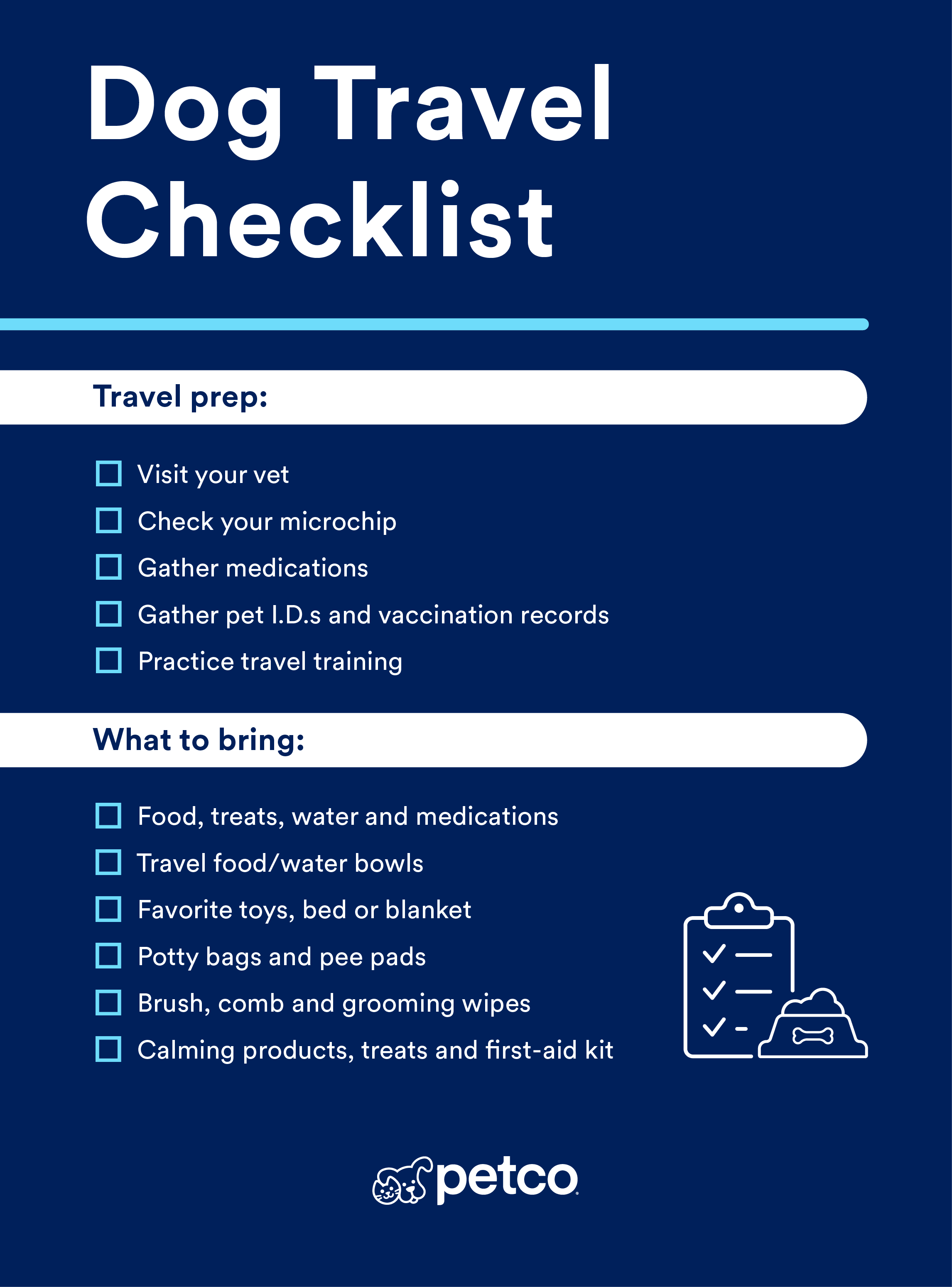
Pack early. Waiting until the last minute ups the odds that you’ll forget something. And while your dog won’t need 27 outfits, don’t be afraid to overpack just a little to help ensure they have everything they need to be comfortable during the journey.
Food, treats, water and medications. Bring an extra day’s worth of both just in case some spills or you experience travel delays. Keep these in your carry-on if flying.
Travel food/water bowls. Collapsible ones save room in your dog’s luggage.
Favorite toys, bed or blanket. Providing these helps keep your dog’s mind busy with activities. They can also be sources of comfort and familiarity to help reduce stress.
Waste bags and potty pads. Poop happens, even on vacation! The pads are great to keep in the crate for easy cleanup no matter your mode of transportation.
Brush, comb and grooming wipes. You never know what your dog might get into. These help keep pups looking and feeling fresh.
Calming products, treats and first aid kit. From pheromone sprays to treats, there are many OTC products to help your dog stay calm. A first aid kit is always good to have just in case.
Travel Training
Do dogs like travel?
Not all dogs are natural travelers—calm, adaptable personalities tend to do best on the go. Dog breed matters less for travel than temperament and training, and preparation can make a big difference for any dog.
How to train your dog for travel
Start by getting your dog used to transitions with short car rides, crate sessions and visits to busy environments. Exercise them before traveling to help release excess energy and promote relaxation. Gradually acclimate them to airline- or train-approved carriers using positive reinforcement so they associate travel with comfort and safety.
If your dog is older, has a medical condition or simply doesn’t enjoy travel, that’s OK too—boarding or using a trusted pet sitter may be the better choice. If your pet needs a little extra help, talk to your vet about safe calming aids—but never use them without professional guidance.
Modes of Travel
Planes, trains, automobiles—and boats!—are all potential ways for you and your dog to travel. General guidelines for all of them are detailed below, including vehicle-specific ones at the end.
Trains, Planes, Cars & Boats
✈️ 🚂 🚙 🚢 Prep for motion sickness: To lessen the chance of this during your trip, don't allow your dog to travel on a full stomach. Plan for an 8-hour gap between their last feeding and the start of your journey . Additionally, a motion sickness medication might help alleviate their symptoms. Puppies can be an exception to this guideline, depending on your flight schedule, because they can develop low blood sugar if you withhold food. Ask your veterinarian for their recommendation for travel-day feeding for your puppy.
✈️ 🚂 🚙 🚢 Never leave your dog unattended: Whether you’re taking your own potty break or buying a snack at the airport, always keep your dog with you.
✈️ 🚂 🚙 🚢 Check for stress: Because traveling requires confinement and may be an infrequent experience for them, your dog might feel stressed or anxious, particularly if they’re naturally shy, nervous, aggressive or hate being cooped up. Signs of dog stress include whining, excessively licking their lips, drooling and shaking.
✈️ 🚂 🚙 🚢 Use calming aids: If you know going in that your dog gets stressed in new situations, a calming aid can help prevent anxiety and stress when traveling. However, only use these with the guidance of a veterinarian, as calming aids can interfere with your dog’s ability to regulate body temperature, especially when flying.
✈️ 🚂 🚢 See additional fees: Regardless of transportation method, there is often a cost to travel with your dog, so be prepared when making your arrangements. Also, some airlines have a maximum number of animals per flight, so you’ll want to book your tickets extra early. Choose nonstop flights whenever possible.
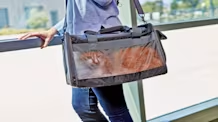
✈️ 🚂 🚙 Consider carrier requirements: Your dog’s carrier should be strong, well ventilated and big enough that your dog can stand up, lie down and turn around easily. (See below for additional guidelines for air travel.)
🚂 🚙 Plan for stops: When possible, plan to stop every 2-3 hours so your dog can go potty, drink some water and stretch their legs. Rest stops often have dog exercise areas. Forget anything? Stop at a local Petco along the way—dogs are welcome in stores!
Car Trips:
🚙 Pack Dog Gear: Dog harness seat belts and car seats are made with your dog’s security in mind. Some dogs travel better in a crate, which provides comfort and extra safety. A car seat cover is good, too, so you don’t have to worry about dog hair or accidents, especially in a rental!
Airlines:
✈️ Cabin or cargo? Most airlines allow dogs up to about 20 pounds to travel in the passenger area if they’re in a TSA-approved pet carrier that fits under the seat in front of you. Most airlines require medium and large dogs, with the exception of service dogs, to travel in the cargo area in USDA-approved carriers.
Restrictions:
Some airlines also have breed restrictions, limiting airline options for breeds such as Bulldogs and Pugs. Because of their special breathing issues, it is often recommended that brachycephalic breeds not travel via plane. Additionally, because the cargo area is inherently warmer than the cabin, some airlines may have temperature restrictions; dogs cannot fly in cargo if the temperature is outside a certain threshold.
✈️ Locate airport pet relief areas: Many U.S. airports have indoor and outdoor dog relief areas. Look for airport signs indicating where your dog can do their business, or you can plan ahead by finding an airport map. Make sure you exercise your dog and allow them to relieve themselves before getting on the airplane.
🚂 Trains & weight: According to Amtrak, dogs up to 20 pounds (combined weight of pet and carrier) are welcome on most routes up to 7 hours. Keep in mind that these details are subject to change and some restrictions apply. Additionally, your dog must be kept in a carrier and remain under your seat. You'll need to book a pet reservation, which includes a fee, in addition to your own ticket, and complete some paperwork.
🚢 Ferries and boats: If your vacation includes a commercial ferry boat, there’s a good chance your dog will be allowed but usually with specific conditions and restrictions, which can include remaining crated or muzzled. Aside from service dogs, most cruise lines prohibit dogs. Cunard's Queen Mary 2 is one of the few ships that offer kennels for pets on transatlantic voyages. The word kennel is key: even on the Queen Mary 2, dogs are typically not allowed in passenger cabins or public areas and must stay in designated kennels.
If your travels include a private boats check the company’s specific rules on dogs. One rule to always follow on any boat is to get your dog a life jacket as an extra safety precaution.
Buses: You’d think a mode of transportation literally named after a dog breed would be more hospitable to canines. But no, most intercity buses (like Greyhound) only allow service animals. However, that doesn’t 100% rule out state and private buses. Some bus services allow small dogs in carriers, while others do not permit animals at all.
A note on international dog travel
Traveling overseas with your dog takes extra planning. Be sure to research the pet travel and reentry regulations for your destination country—each one is different. Most require a microchip, up-to-date vaccinations, a health certificate and proof of parasite prevention.
When returning to the U.S., the CDC (Centers for Disease Control and Prevention) has strict rules for dogs, especially regarding rabies. Dogs must often be microchipped and vaccinated for rabies and enter through an approved airport. Always confirm airline and destination-specific policies well in advance to avoid surprises at the gate or border.
Dogs & Accommodations
Whatever your destination, it’s a good idea to do some research for some pup-friendly activities local to where you are staying. Some additional tips are below.
Hotels
Always confirm your hotel is dog-friendly before booking. Ask about pet fees, size or breed restrictions and any off-limit areas. Policies vary, so planning ahead helps ensure a smooth stay and no surprises at check-in. If you get a verbal OK from someone when you call, be sure to note their name and the time you called. If you arrive and there is an issue, it is more persuasive to say, “On Saturday around 3, I spoke with Yolanda who said…” instead of “Some lady I talked to told me it was fine.”
Camping
- Make your dog a happy camper, too! This, too, requires some research on dog policies for any campgrounds (or beaches or parks). Follow leash laws, check weather conditions and bring plenty of water along with a pet first aid kit. While most campgrounds are pet-friendly, some areas like pools may be off-limits to dogs.
Conclusion
Thanks to these tips and the ability to get all your travel gear from Petco, there’s a good chance you will have a doggone great time with your dog on vacation, wherever and however you travel!







Book an appointment with the pros – our expert vets are here to help.
