Winter Grooming for Dogs
Published on August 27th, 2025
Updated on August 28th, 2025


Introduction
When temperatures drop, grooming might slip down your priority list. But it shouldn’t. Despite the common misconception that dogs don’t need baths during winter, skipping regular grooming can lead to skin irritation, matting and discomfort. From keeping paws protected to managing coat health, a good winter grooming routine helps your dog stay clean, comfortable and healthy all season long. With a few simple strategies, you can make grooming a cozy and beneficial part of your dog’s winter care routine.
Why winter grooming matters
Even in colder months, grooming is essential for your dog’s health and comfort. Mats and tangles are more than just messy—they trap moisture and debris, which can lead to skin infections and irritation. Regular brushing helps prevent matting, supports healthy circulation and keeps your dog’s coat shiny and well-maintained.
Don't dogs stop shedding in the winter?
Dogs don’t stop shedding in winter. In fact, many breeds shed their summer coat to make room for a denser winter one, and many breeds shed consistently all year long, regardless of the weather. Without consistent grooming, loose fur can build up and cause tangling, especially in long-haired dogs. Baths are also important in winter to manage odor and remove dry skin flakes caused by indoor heating or dry, frigid air. Year-round grooming is also essential to your dog’s health as it can aid you—and your dog's groomer—in identifying any changes in your pet’s skin or body, from cuts and scrapes to lumps and growths. The quicker these are found, the quicker you can seek appropriate veterinary care.
To make winter coat care easier, Petco offers memberships like Petco Perks Premier. In addition to members-only pricing on everyday essentials, you’ll also get 20% off every groom your dog receives so they can look and feel their best no matter the season.
How to bathe your dog in the winter
How often should I bathe my dog in winter?
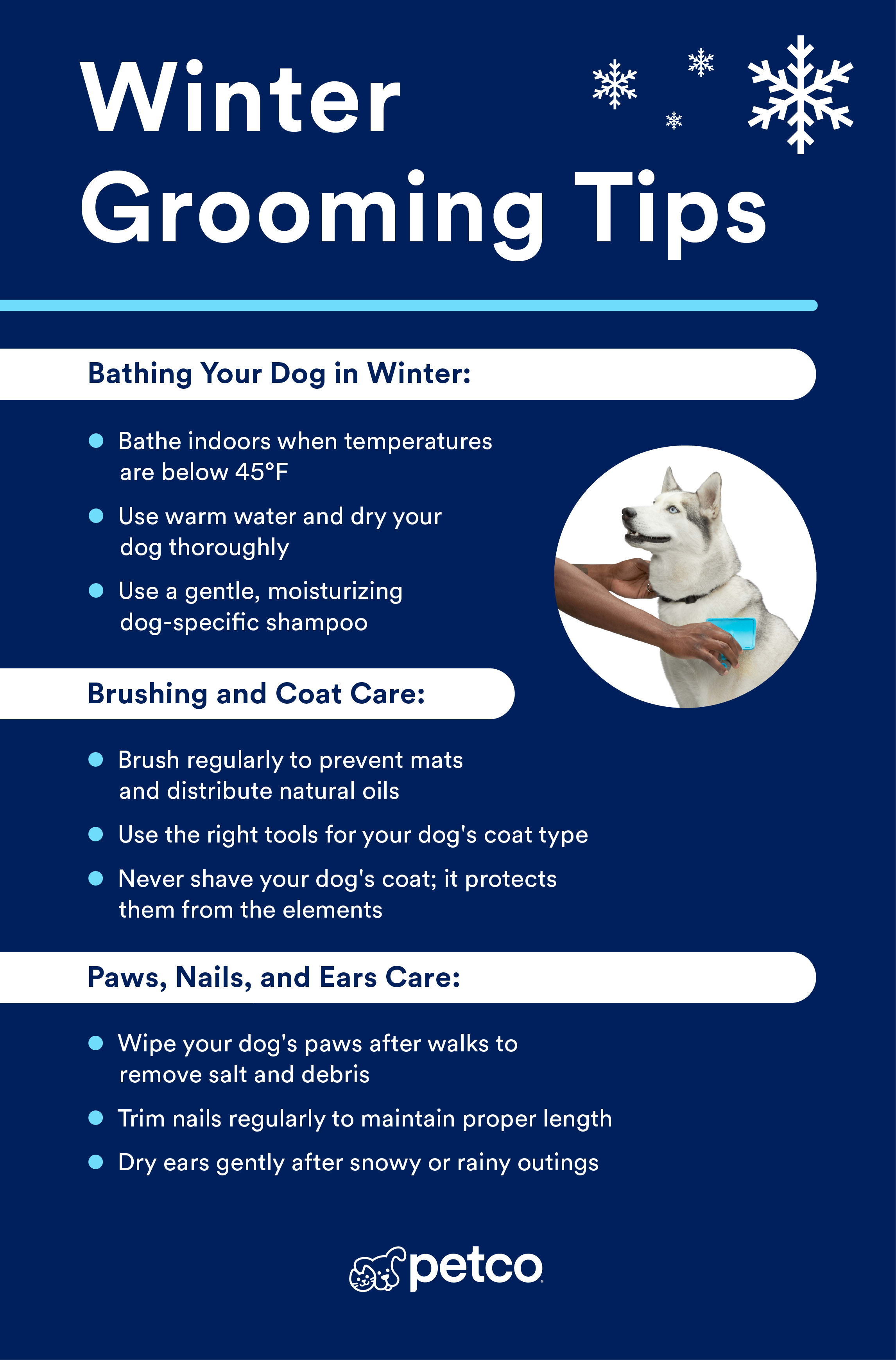
Bathing your dog in winter may seem counterintuitive, but it’s an important part of keeping their skin and coat healthy. The answer depends on your dog’s breed, coat type and activity level but can also be affected by specific health conditions. Indoor dogs may only need a bath once a month, while more active dogs and those who spend a lot of time outdoors might need more frequent cleaning. Dogs with higher-maintenance grooming needs such as curly coated breeds and hairless dogs may require even more frequent bathing. That said, never bathe your dog outside if the temperature is 45°F or below; exposure to cold water and air can quickly lead to hypothermia.
How to bathe dogs during cold weather
When bathing your dog indoors, always use warm (not hot) water to keep them comfortable and help prevent dry skin and overheating. After the bath, be sure to dry them thoroughly with a clean towel and, if needed, a low-heat, pet-safe blow-dryer. Lingering dampness can cause chills or skin issues and lead to unwanted, lingering odors. During cold weather, do not let your dog go outside until they are completely dry.
Winter air can be harsh on your pet’s skin, especially with indoor heating. To help combat dryness and irritation, use a gentle, moisturizing dog shampoo that contains oatmeal, aloe or coconut oil. These ingredients can help soothe itchiness and maintain the skin’s natural moisture barrier all season long. Only use products designed for dogs and formulated to the pH of their skin—shampoos for people often have additives and fragrances that can irritate your pooch or might even be harmful. If your dog is scratching excessively or you notice any abnormalities on their skin, partner with your veterinarian so they can determine if a prescription shampoo or other treatment is needed.
Brushing and coat care
Bushing & double-coated breeds
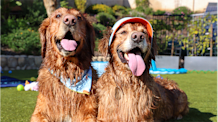
Regular brushing is essential in winter, especially for double-coated breeds like Huskies, Golden Retrievers and Newfoundlands. Cold-weather coats can easily become tangled or matted, which traps moisture close to the skin and can lead to irritation or infection. As part of winter dog grooming, brushing not only helps prevent these mats but also redistributes natural oils throughout the coat to help keep it healthy, shiny and better insulated. Brushing is also a great way to reduce shedding and make bath time easier. Be sure to use the right tools for your dog’s coat so your grooming sessions are both effective and comfortable. No matter what the breed, no matter their need, Petco can help!
Brushing other coats
If less fur is good, shaving it all off is better, right? That’s a big no, regardless of the weather. Shaving can permanently damage some coats, plus it removes your dog’s natural outer layer of protection against the elements! A dog’s fur is their built-in temperature regulator, helping to keep them warm when it’s cold outside and vice versa, as well as protecting the skin.
Pay close attention to areas where buildup often occurs, such as the legs, chest, belly and beard. These are high-contact zones where snow, salt and debris can collect, leading to discomfort or even skin issues if not maintained.
Paws, nails and ears
Protect paws from ice
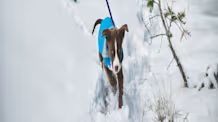
Icicles are nice to look at but not to walk on. Winter walks can be harsh on your dog’s most sensitive areas, especially their paws, nails and ears. Sidewalk salt, ice melt and snow can cause irritation or even chemical burns on paw pads. To help prevent discomfort and injury, always wipe your dog’s paws with a damp cloth or pet-safe wipe after each walk. You can also use this time to check for cuts and scrapes. In areas where your dog may have to walk across ice, gravel or salt, boots and an ice melt may be a good idea.
Cold air and dry surfaces can also lead to cracked or chapped paw pads. Regularly applying a dog-safe paw balm or moisturizer can help protect and soothe these vulnerable areas. Caution should be taken when applying paw balm, however, as this can make your dog’s paws slippery and lead to difficulty with traction on ice and other slick surfaces. Excessive use of paw balm can also soften the paws up too much, removing natural callouses and causing your dog to be more sensitive on surfaces they typically walk on without issue.
Don’t forget nail care. Dogs tend to go on shorter walks in winter and spend more time indoors, which means less natural nail wear. Regular nail trimming helps prevent overgrowth, which can affect your dog’s gait and lead to bone and muscle injuries. Overgrown nails are also at a higher risk of painful breaks than those that are maintained at an appropriate length.
Dry & clean their ears
Ears are another winter hotspot for trouble. After snowy or rainy outings, gently dry your dog’s ears, especially if they’re floppy. Moisture that gets trapped inside can lead to infections. Regardless of ear type, though, routine ear inspection and cleaning should be standard year-round.
Keeping up with these seasonal grooming habits helps ensure your dog stays healthy, happy and comfortable throughout the colder months. Petco groomers can help with all of the above—even professional dog ear cleaning--just ask about winter-specific care during your next visit.
Grooming: Home vs. the salon
Winter grooming can be tackled at home, but success depends on having the right tools and setting up a calm, quiet space for your dog. A good brush, moisturizing dog shampoo, clean towels and a pet-safe dryer are essential for safe and effective at-home grooming.
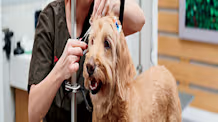
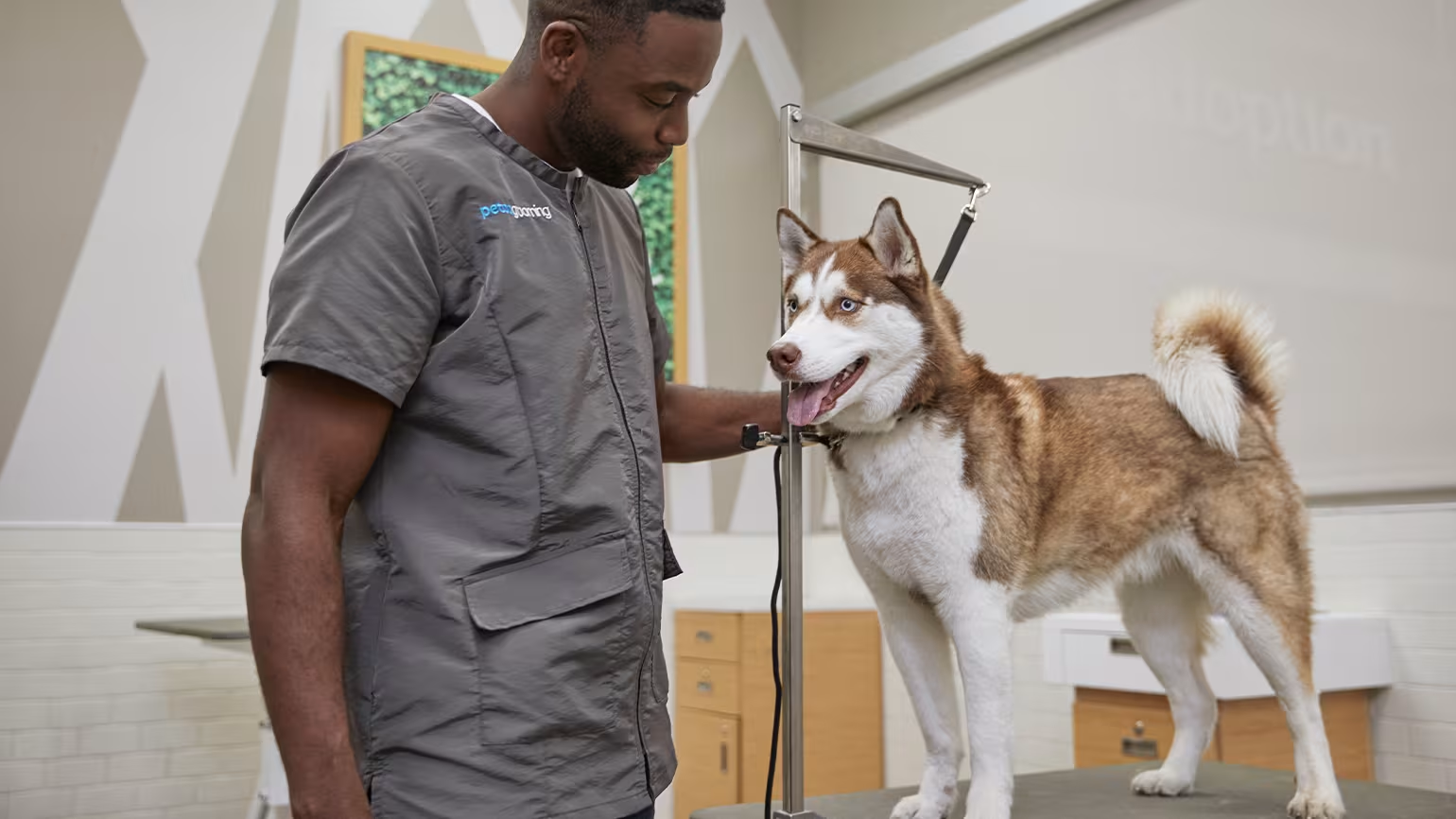
Sometimes your dog needs a little more care than you feel comfortable with. If it seems like too big a job, enlist the talented grooming team at Petco. Our certified stylists have the expertise to safely trim, clean and dry dogs in temperature-controlled salons, reducing the risk of post-bath chills. This is particularly helpful for thick-coated breeds, dogs prone to matting and pet parents looking to avoid the cleanup after bath time.
Petco Certified Stylists offer seasonal grooming services tailored for winter, including coat maintenance, nail care and de-shedding treatments. Whether you prefer DIY or professional help, what matters most is staying consistent and making sure your pet stays comfortable and clean all season long.
Conclusion
Winter grooming isn’t just about appearances—it’s essential for your dog’s health and comfort. Whether you’re grooming at home or visiting a Petco Certified Stylist, regular care helps prevent seasonal skin issues, matting and more. Explore DIY options or book a visit to keep your pup feeling their best all winter.
How to keep my dog active and happy during cold winter months?
How to keep my dog warm after winter baths? Is it safe to bathe?
How do I keep my dog's paws safe and healthy during winter walks?
My dog has a long coat. How often should I bathe her in winter?
Can I wash my outdoor dog in cold weather without him getting sick?
Dog winter coat: Comb or Furminator for undercoat & sensitive skin?

My puppy has mats. Should I cut his hair or will he get cold?

Should I shave my white dog with deep matts? What about sunburns?
What safety precautions for a friend grooming my dog at home?