How to Use Clippers: Advice from Dog Groomers
Published on January 14th, 2026
Updated on January 14th, 2026


Grooming your dog at home with clippers: what you need to know
Home grooming can be convenient, budget-friendly and a bonding experience for you and your dog—especially for breeds that need regular trims. Still, a professional groomer remains the safest option, particularly if your dog has mats, sensitive skin or just benefits from an extra-patient, professional touch.
Petco’s certified groomers can help you maintain your dog’s coat health year-round. Once you’ve learned how to use dog clippers, you can also count on Petco to carry all the products you’ll need to do touchups at home between salon visits.
When to use a dog hair clipper
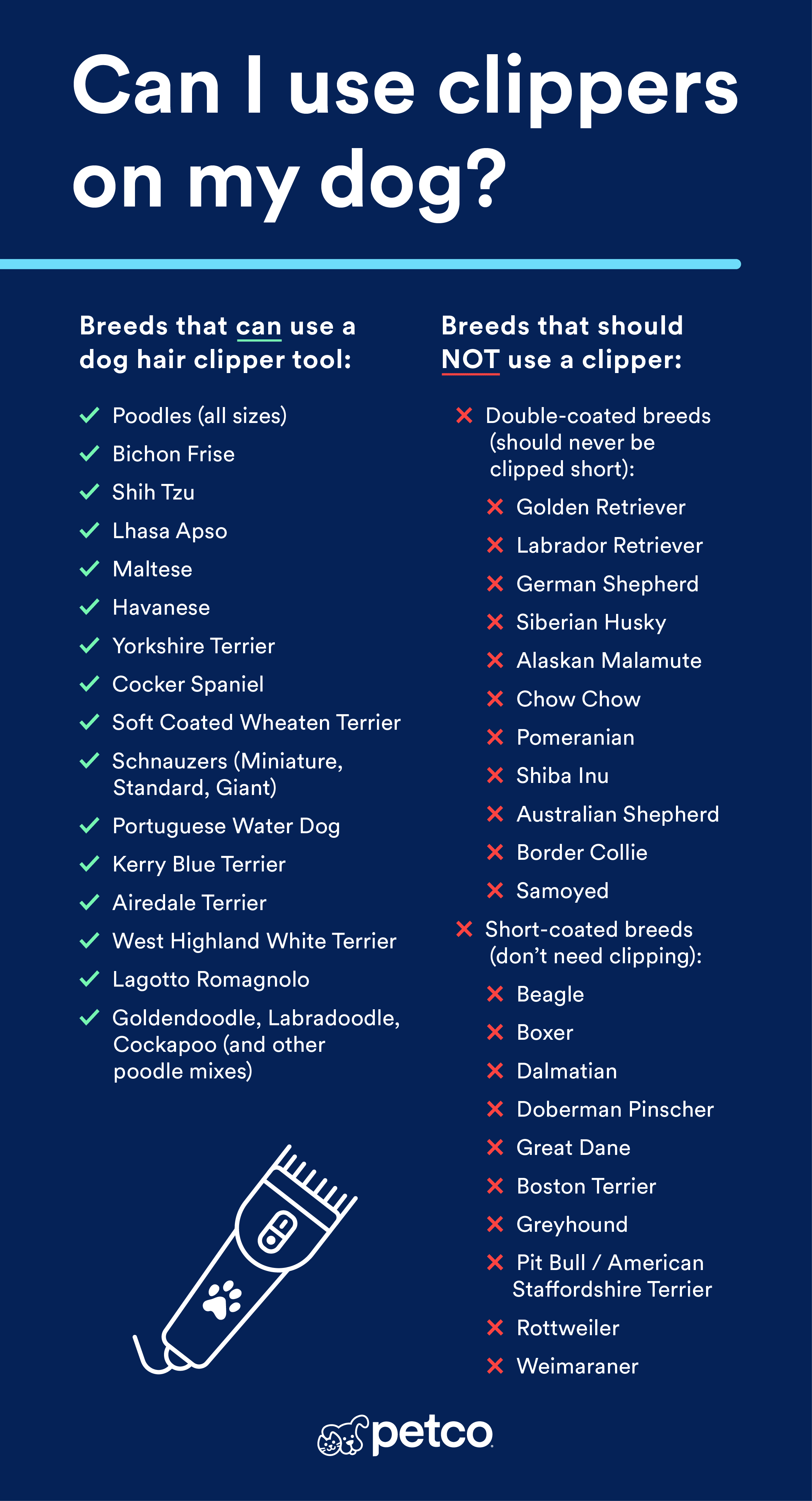
Only on the right dog breed!
Determine whether your dog’s coat type is suitable for clippers. Some breeds may or may not benefit from regular trims depending on their coat health and brushing schedule.
Before you ever put clippers on a dog, it’s important to understand coat type and safety.
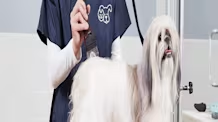
Long-haired breeds such as Poodles, Shih Tzus and Lhasa Apsos benefit from clipper grooming every 4–8 weeks to help prevent matting and keep coats manageable.
Double-coated breeds like Huskies, Chows and Pomeranians should generally not be clipped short, since shaving can interfere with natural insulation and regrowth.
Always use dog clippers, never human ones. Dog clippers are designed for dense coats and have guards and speeds suited for pets.
Petco offers a wide range of professional-grade dog clippers and grooming tools from trusted brands like Andis, Wahl and Oster—perfect for learning how to groom safely at home.
Preparing for clipping
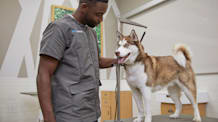
There are two areas of preparation here: preparing your workspace and—at least as important—preparing your pup. Secure your dog in a safe place where they can’t jump or fall (like an elevated surface with a grooming table or tub). Some dogs may need to acclimate to this, especially if they've never been shaved. Have a few treats handy to make it a tasty time if not exactly a fun time! Your dog should be stable and comfortable before you introduce the clippers.
Bathe and dry completely
Only clip when the coat is clean and dry. Dirt and moisture dull blades and cause uneven cuts. Petco’s grooming experts recommend using a gentle detangling dog shampoo and ensuring your dog’s coat is fully dry before trimming.
Brush thoroughly
Use a slicker brush and comb through every section. If you hit mats or tangles you can’t get through, stop. This is the time to call a professional.
Set up your space
Choose a stable surface or grooming table and keep your clippers, brushes, towels and a few treats for reassurance within easy reach for you but out of reach for your pup.
Core clipping advice (from expert groomers)
Dog groomers get a combination of formal training from schools, practical hands-on experience and ongoing skill development. Experts share tools of the trade, so to speak, for getting started.
Choose the right guard combs and blades
The same basic techniques apply whether you’re using a blade or an attachment/guard comb.
Guard combs help control length and are great for beginners who want a softer, more natural finish.
Research blade and comb sizes
Trusted professional brands include Andis, Oster and Wahl; there are also budget-friendly options for home grooming.
Invest in professional-quality tools if you plan to clip your dog regularly.
Remember: higher blade numbers mean a shorter cut.
Example: #40 = very close trim; #4 = longer, plush finish.
Avoid blades shorter than #7 for full-body clipping to reduce the risks of skin irritation and infection.
Step by step clipping:
Start with the sanitary area
Use a #10 blade or short comb and clip your pet’s sanitary area, followed by paw pads and around the eyes if needed.
Take extra care around this delicate skin; move slowly and avoid sudden motions.
Clip the rest of the coat
If you’re new to grooming, learning how to use dog clippers starts with gentle, steady passes that follow the coat’s direction. Patience and proper prep are key to success.
Choose a comb guide to clip to the desired length.
Always follow the lay of the coat (if coat swirls/changes, follow it) from top to tail to feet.
Tip: Go slow. Study your dog’s coat before clipping so you know where you’re going next.
Hold the skin taut (not tight) with the opposite hand so there are no wrinkles and the blade can ride smoothly.
Apply enough pressure in front of the clipper blade so you roll the skin in front of the blade for a smooth cut.
Scoop off the clipper blade with each pass (think airplane lifting off) to avoid stop-start marks.
You typically only need about three smooth passes over the same area. Use long, slow, controlled passes; avoid jabbing or repeated clippings in the exact same spot.
Do a test clip on the underbelly (less visible area) if you’re unsure about final length.
Cleaning up
Before final touches, clean up with a brush and comb again to find any uneven spots. Reclip any areas as necessary.
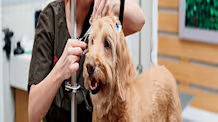
You will need scissors to trim around your dog’s head, feet and tail. Rounded-tip scissors are safest.
Common mistakes and safety tips
Learning from the experts includes these troubleshooting tips in case you are having some challenges.
Shaving for the wrong coat type: Remember: single-coated breeds need clipping; double-coated or short-haired breeds mostly require brushing.
Uneven cuts: Prep the coat: Brush, bathe and dry your dog thoroughly to help prevent mats and unevenness. Do a test clip: Try a small, hidden area before clipping visible sections in case of mistakes.
Overheating blades: Use the right blade. Start longer and gradually adjust to shorter for safe, even clipping. Ensure that blades are sharp, clean and cool during grooming.
Choppiness: Clip with the lay of the coat to avoid choppy or streaky results.
Nicks: Hold the skin taut and stretch the skin gently to prevent nicks and allow smooth clipping. Be extra careful around the sanitary area and eyes.
Going too quickly: Use long, controlled strokes and avoid jabbing or repeatedly clipping the same spot.
Stressful sessions: Use treats, breaks and gradual introduction to help reduce stress.
Not maintaining care: Remove loose hairs, check for irritation and brush regularly between sessions to help prevent mats.
After-clip grooming
Brush weekly to help maintain smoothness and prevent tangles.
Check for irritation or clipper rash and contact your vet if you notice redness, wounds or abnormalities.
Keep track of your dog’s next clip, usually every 4–8 weeks, depending on breed and coat.
Blade maintenance and tool care
Clean and lubricate blades after every session using clipper spray or oil. A soft brush or even a toothbrush helps remove hair buildup. Always store your tools in a dry, safe place.
Store tools in a dry place and out of reach of your dog.
Final takeaways
Using clippers on a dog can be a great way to help keep their coat healthy between professional grooms, but safety and preparation come first. Be patient both during grooming sessions and with your skill level, which can improve with practice! For most dogs, alternating between at-home maintenance and professional grooming is ideal. Petco’s expert groomers can show you proper technique and help you choose the best tools for your dog’s coat type. With the right method you can achieve a clean, smooth, professional-looking result.
FAQs about clippers
Can I use human hair clippers on my dog?

No. Dog clippers are designed for thicker coats and safer cutting angles.
Which direction do you clip?
Always clip in the direction the hair grows to avoid choppiness.
Should I clip my dog’s coat wet or dry?
Always dry. Wet coats clog blades and cause pulling, making the grooming both less effective and more painful—a lose-lose proposition.
What if I’m nervous about trying this myself?
DIY may not be right for you and that’s OK! Start small or schedule a demo session with a Petco professional groomer who can walk you through how to use dog clippers safely for your dog’s coat.