Related Articles


Ultimate Fall Safety Guide for Pets
Published on October 7th, 2025
Updated on October 7th, 2025


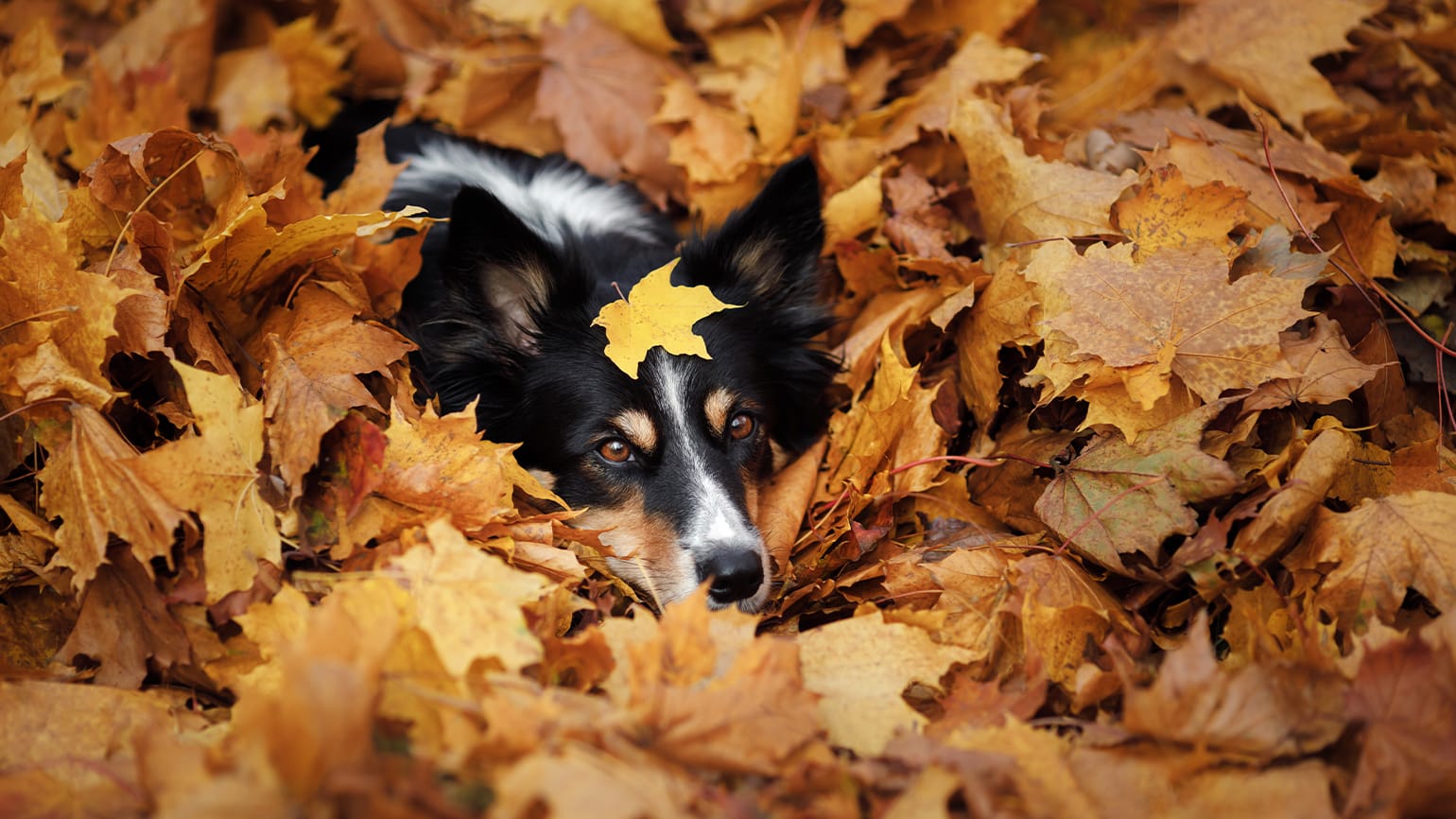
While dogs and cats are unaware of the fall staple that is the pumpkin spice latte, many pets relish the season’s cooler weather and extra outdoor playtime. Autumn is a favorite time of year for many people and pets alike, but it also brings unique challenges that can affect your companion’s health and safety. From seasonal toxins found in mushrooms and holiday treats to environmental changes like shorter days and damp conditions, fall presents risks that aren’t always obvious. Shifts in routines and activities can also impact how pets adjust during this time of year. By staying aware of these seasonal hazards, pet parents can enjoy everything autumn has to offer while keeping their furry friends safe and comfortable.
Indoor fall hazards
Home should always be the safest place for you and your furry family. Keep in mind there are some seasonal changes that can affect the indoor environment that are directly related to animal fall safety.
Rodenticides
As the weather cools, many households see an uptick in rodent activity, which often leads to increased use of rodenticides. These products should be avoided as they are highly toxic and potentially fatal to pets if directly or indirectly ingested. Humane traps and pet-safe repellents are a much safer alternative for pest control in a home with pets. If rodenticides must be used, always follow label instructions carefully and place baits where pets do not have access. Special care must also be taken to remove any affected rodents as pets can still come in contact with the poison indirectly.
Coolant
Another seasonal risk is engine coolant, also called antifreeze. Traditional formulas contain ethylene glycol, a substance with a sweet taste that appeals to animals but can cause deadly kidney failure even in small amounts. Spills should be cleaned immediately, and if possible, switch to a propylene glycol-based coolant, which is somewhat less toxic though not completely harmless. Restrict your pet’s access in areas where coolant may be leaking such as a garage or common parking area.
School supplies
Fall also means back to school, and children may need a reminder to keep things out of their curious pet’s reach. Pencils, markers and glue sticks can cause gastrointestinal upset or even blockages. Batteries, marker caps, rubber bands and craft components are even riskier since they pose choking and intestinal obstruction hazards. To help keep pets safe, store supplies in closed containers and keep desks and craft areas off limits to pets when you cannot supervise.
Fall foods
Autumn cooking brings warm spices and festive foods, but many of these pose risks for pets. Seasonal treats and foods such as turkey bones and fatty leftovers can lead to gastrointestinal upset, pancreatitis or dangerous obstructions. Certain ingredients such as chocolate, raisins, xylitol, onions and garlic are outright toxic. Even spilled spices can irritate a pet’s mouth or stomach. Nuts, while common in fall recipes, are high in fat, often contain additives and may harbor mold that can trigger toxicity or digestive problems.
Want your pet to get in on some of the delicious fall fun? A fall treat that is safe for your dog or cat is canned pumpkin (not pumpkin pie filling) as well as raw or cooked fresh pumpkin. Always verify the pumpkin is free from any seasonings or oils, and if giving whole pumpkin, it should be cut into small, bite-sized pieces to reduce the risk of choking. As pumpkin should be considered a treat or topper, keep in mind it should be 10% or less of your pet’s total diet.
Fall fragrances
Fall comforts often include cozy candles, simmer pots and diffusers, but these pose hidden dangers to pets. Birds, in particular, have very delicate respiratory systems, and fragrances should never be used in their presence.
Essential oils like cinnamon, pine and peppermint, while festive, can irritate skin, upset stomachs and cause more serious reactions if inhaled or applied directly. Always keep oils diluted and give pets the option to leave any room where diffusers are running.
Candles, fireplaces and other open flames add seasonal ambiance but carry risks of burns and even fires if knocked over. For your pet’s safety, as well as your home in general, keep candles out of pets’ reach, and never leave flames unattended. It’s a good time of year, too, to make sure smoke and carbon monoxide detectors are in working order so your autumn warmth stays safe for everyone.
Don’t forget about flowers and other plants. Because they can be found both indoors and outdoors, look for information about those below.
Outdoor fall hazards
While one of the most cherished signs of autumn is the leaves changing color (depending on where you live, of course), the beauty of fall comes with outdoor risks that may not be as obvious to pet parents. Staying aware of these hazards helps keep your dog or cat safe while still enjoying the season.
Mushrooms and other toxic plants
Autumn brings an explosion of mushrooms, and while most are harmless, a few can be deadly and difficult to identify. Keep pets away from mushrooms and remove any from yards or walking paths you and your dog frequent. Toxic plants like autumn crocus, yew, chrysanthemums, lilies, daffodils, geraniums and foxglove also pose serious risks if ingested. Regardless of plant toxicity, always prevent your pet from eating vegetation in an area that could have been exposed to toxic fertilizers or pesticides.
Ticks and mites
These parasites remain active well into fall, so maintaining tick prevention, checking pets after outdoor time and monitoring for tick-borne diseases is essential. Harvest mites, despite their fun fall name, often cause itchy infestations on paws, armpits and bellies; they typically hide in meadows and forest edges. These pests are also known as chiggers, depending on your region. If your pet isn’t already on a preventive, this is the perfect time to ask your veterinarian about topical or oral treatments. Veterinary care is needed if you suspect your pet has been bitten by harvest mites or ticks.
Local wildlife
Cooler temperatures can stir wildlife. Snakes, for instance, may be more active in fall, raising the risk of bites. Stay aware of local species and avoid likely habitats during walks by staying on cleared, well-maintained paths. Keep even your well-behaved dog leashed in case you need to restrain a curious canine.
Seasonal decorations
Decorative gourds, corn stalks and small craft items may look festive but can cause choking or digestive problems if chewed or swallowed. Fallen leaves may also tempt pets to eat them, leading to gastrointestinal upset or blockages. When out walking, use your established term to tell your dog to “leaf it alone” if they appear interested in nibbling the fallen foliage. If you suspect your pet may have ingested an inedible decoration, contact your veterinarian immediately.
Closed pools and puddles
Water that collects on pool covers or debris-strewn surfaces can trap or chill pets, creating risks of drowning or hypothermia. Special caution should be taken to keep pets off pool covers and away from puddles and other standing bodies of water.
Pest control in yard and home
Ticks and mites were mentioned above, but those aren’t the only pests to be aware of this time of year.
Whenever treating lawns or soil, use pet-safe pest products or keep pets away for the recommended time to help prevent accidental exposure. Applying pre-emergent can help control stickers and foxtails, which can painfully lodge in paws, noses or eyes. If your pet drinks from outdoor sources, test well water to rule out contamination risks from microscopic pests. Don’t allow your dog to drink from stagnant puddles of water, as these may be harboring various parasites and bacteria.
Comfort and visibility during walks
As the days grow shorter and colder, keeping pets comfortable and visible on walks becomes essential for their safety and well-being. With the right clothing and visibility gear, autumn walks can remain safe and enjoyable for both pets and their people.
Visibility gear
Reflective collars, harnesses, vests and leashes help pets remain visible during evening walks, which is especially important for long-haired dogs whose fur may obscure gear. Pet parents should also wear highly visible clothing to reduce risk.
Sweaters and jackets
Cold, damp conditions can be tough on vulnerable pets like small, senior and short-coated dogs. A warm, well-fitted jacket or sweater can make walks more comfortable, providing it allows full movement. Adjust the duration of walks based on temperature and your pet’s tolerance. Watch closely for signs of discomfort such as shivering, slowed pace or attempts to turn back, and bring pets indoors right away to warm up.
Grooming and allergies
You know how your skin can get dry in winter months? Your cats and dogs in the fall can be prone to the same condition. Seasonal allergens, too, often trigger skin reactions in pets. Regular bathing with a gentle hypoallergenic shampoo, followed by thorough rinsing, helps ease irritation. Routine grooming such as brushing and de-shedding also removes pollen, dust and debris from coats, lowering the chance of allergy flare-ups and helping skin stay healthy. Petco offers a range of grooming supplies and shampoos tailored for sensitive skin, as well as expert groomers to get your dog off on the right paw when fall starts. Any excessive flaking or irritation should be seen by your veterinarian to ensure there is not an underlying health concern.
Emergency preparedness and identification
As days grow shorter and holiday visitors come and go, the chances of pets slipping out unnoticed increase. Make sure collars are fitted with updated ID tags and make sure your pet is microchipped for added security. Keep a stocked “go-bag” with food, water, medications and a first aid kit ready in case of unexpected disasters such as wildfires or storms. Petco provides personalized ID tags and microchipping services to help safeguard pets year-round.
Thermal comfort and energy use
While sitting in front of a fire is super cozy, this isn’t safe for pets when you are out and about and when they otherwise cannot be supervised. Maintaining a safe indoor environment helps pets stay comfortable through fluctuating fall weather. A thermostat setting between 68 and 75°F is generally safe when no one is home. Adjust as needed based on your pet’s breed, age and health. Cozy beds, blankets and heated options from Petco can also provide extra comfort during chilly nights.
Autumn is a wonderful season to share with your pets, but it also brings unique challenges. Indoors, keep toxins, festive foods and open flames safely out of reach, and outdoors watch for mushrooms, wildlife and chilly weather. Reflective gear, cozy layers and regular grooming all help your pets stay safe and comfortable. With a little planning you’ll be ready to “fall” into the season with peace of mind, knowing your furry friends can enjoy crisp days right by your side. And Petco is on hand to help you with all your seasonal shopping needs, as well as expert groomers and veterinarians. Don’t forget to bookmark or share this guide with fellow pet lovers for quick reference all season long. Here’s to a safe and beautiful autumn for you and your pets—pumpkin spice lattes optional!
Hi. Since Oliver is the only cat here and I can't afford to have another cat, how do I make him happy and safe as an indoor outdoor kitty?
Hello! I have a 15 years old female dog who’s used to see cats as invasion of her territory (the garden) and I’m soon adopting a 2 years old male cat. I want them to get along, how do I create a safe and positive home for them?
I have a 5yr old silver bengal... I was asked to dogsit a 3yr old small dog... I want to dogsit at my house...with my cat here... is this possible?

Are there any affordable Pet Health Insurance for Multiple animals?

Do cats And Dogs get Affected by the smoke From the recent bushfires?
I plan on taking Skye on a hike with me. She is on Revolution and has had her Leukemia vaccs. HI doesnt have ticks. Shes been in her harness before and has no problems with it. She will be kept on leash or in my carrier for her. What should I expect,

Here in Minnesota it is getting cold. Is flea and tick medicine still recommend monthly?
We gave our cat to our grandma. He has been indoor only for whole life. She had him inside for a month then let him out he will come in during night so nothing will get him. They live in country a min or two out of town. They said he got braver and c

What should i do if i feel like my dog is often hurts himself (accidents) such as falling over while playing sometimes hits himself while running etc
What is the best way to introduce our new cat to our current dogs?