What to Give a Dog with an Upset Stomach
Updated on March 30th, 2026


When you have a dog with an upset stomach, knowing what to feed and how to feed can make a meaningful difference in their comfort. Digestive upset is common and often temporary, but making the wrong food choices can prolong symptoms. Many veterinarians recommend a short-term bland diet to help support digestion while the stomach settles.
Bland foods are simple low-fat meals that are easy to digest and gentle on the gastrointestinal tract. They are not meant to replace a dog’s regular diet long term but can help bridge the gap between illness and recovery. Below, we’ll explore bland foods for a dog with an upset stomach, how to prepare and serve them safely, what to avoid during recovery, why you shouldn’t reach for your own medicine cabinet and when it’s time to involve your veterinarian.
Common bland diets for an upset stomach
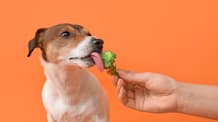
Bland diets focus on limited ingredients and simple preparation. These foods are commonly recommended because they are easy to digest and unlikely to irritate the stomach. Note that while pumpkin and sweet potato may be recommended by your vet in some situations, if your dog has diarrhea, the extra fiber could make the problem worse. That’s the same reason why white rice (low in fiber) is recommended over brown (higher in fiber) when dealing with stomach upset.
Common options your vet may recommend include:
Boiled, skinless chicken breast: Lean protein is gentle and widely tolerated
Eggs/egg whites: These can be a good bland option for some dogs but are not the best fit for every upset stomach. If your pet has a protein allergy or sensitivity, particularly to poultry, be sure to check in with your veterinarian before offering a new food like eggs
Plain white rice: Provides energy and helps firm stools
Plain canned pumpkin: Adds fiber and may support stool consistency
Cooked sweet potato: Easy to digest when plain and thoroughly cooked
Never add oils, seasonings, butter, salt or sauces, even when your dog is feeling great. Even small additions can worsen stomach upset and make healthy dogs sick. Petco carries plain pumpkin and limited-ingredient dog foods that can simplify meal prep when your dog isn’t feeling well.
How to prepare bland dog food
Proper preparation matters just as much as ingredient choice. To reduce digestive stress, meals should be simple and consistent. They may look very boring to you, but these meals are strictly about sustenance, not impressing Gordon Ramsay.
Preparation basics:
Boil chicken until fully cooked, then finely shred
Eggs, if offered, should be cooked thoroughly; scrambled is often the easiest to prepare
Cook rice or sweet potato thoroughly until soft
Allow food to cool completely before serving
Mix protein and carbohydrates at the ratio recommended by your vet; this typically follows a 1:2 rule
Serving tips:
Start with very small portions
Feed every 4–6 hours rather than large meals
Serve at room temperature
Discard refrigerated leftovers after 24 hours
A bland diet is typically used for 2–3 days unless otherwise directed by a veterinarian.
Foods and treats to avoid during stomach upset
Some foods can worsen nausea, diarrhea and inflammation even if your dog normally tolerates them.
Avoid offering:
Fatty and fried foods
Dairy products
Commercial treats
Raw food
Table scraps
Bones and chews
During recovery, it’s best to pause treats entirely. Once symptoms resolve, treats can be reintroduced gradually.
Don’t reach for your medications
It’s understandable to think of familiar remedies when you have a dog with an upset stomach, but many human products are not safe for pets. Over-the-counter medications such as antacids, anti-diarrheal drugs and pain relievers can be dangerous for dogs and may worsen symptoms or cause serious side effects. Even products marketed as “gentle” for people may contain ingredients that dogs cannot tolerate. This is one of many instances where caring means not sharing.
Small amounts and gradual reintroduction
After vomiting or diarrhea, your dog’s digestive system is often inflamed and more sensitive than usual. Your vet may recommend feeding small amounts at regular intervals to give the stomach and intestines time to rest while still providing gentle nourishment. Large meals can overwhelm the gut, trigger nausea and restart vomiting or loose stools, even if the food itself is appropriate.
Starting with small portions allows you to gauge how your dog is tolerating food. If symptoms return, your vet will generally recommend pausing feeding to avoid further aggravating the stomach. Your veterinarian may have you begin with just a few tablespoons for small dogs or a quarter cup for larger dogs, offered every 4–6 hours.
Gradual reintroduction also helps the digestive tract resume normal function. As stools begin to firm and appetite improves, portion sizes can slowly increase. After 24–48 hours without symptoms, your veterinarian will generally recommend mixing your dog’s regular food into the bland diet, increasing the ratio over the course of several meals or several days depending on severity. This slow transition reduces digestive shock and helps prevent relapse.
Patience during this phase is key. Rushing the process can delay recovery, while steady, incremental feeding supports a smoother return to normal eating.
Hydration tips for dogs with upset stomachs
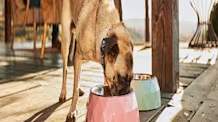
Hydration is critical during digestive upset. Signs of dehydration include dry or tacky gums, lethargy, prolonged skin tenting, sunken eyes and reduced urination.
Gentle hydration includes:
Offer fresh water at all times
Use shallow bowls
Add water to bland food
Avoid flavored broths unless veterinarian approved
Petco offers hydration supplements and bowls designed to encourage gentle drinking when appetite is low.
When to contact a veterinarian
While mild upset can often be managed at home, certain symptoms require professional care. Contact your veterinarian if you notice:
Vomiting episodes occur on repeat and/or your dog develops a pattern of vomiting once a day to once every few days
Blood in vomit or stool
Severe lethargy or weakness
Abdominal pain or bloating
Refusal to eat or drink
Diarrhea lasting more than two days
How to prepare information for the veterinarian
Before calling the vet, do a little detective work. Be prepared to answer the following common questions below. Clear information helps your veterinarian guide next steps.
What foods were offered and in what amounts?
What was the timing and frequency of symptoms?
Were stomach contents undigested and coughed up, i.e. regurgitation, or were they partially digested with bile and full body contractions occurred to expel contents, i.e. vomiting?
Has your dog had any new treats or diet changes?
Has your dog had access to toxins or garbage?
Have there been any changes in behavior or appetite?
FAQs: Upset stomach in dogs
What settles a dog’s upset stomach?

While it’s always best to discuss this with a veterinarian, they will typically recommend small portions of bland foods combined with rest and hydration.
What food is good for dogs with an upset stomach?
Boiled chicken, white rice, pumpkin and sweet potato are common options.
Are scrambled eggs OK for a dog’s bland diet?
Plain eggs may be tolerated by some dogs but are not always recommended during active stomach upset.
When should I worry about a dog’s upset stomach?
If symptoms persist, worsen or are accompanied by any other symptoms, including but not limited to bloody stool or vomit, lethargy, dehydration or weight loss, contact your veterinarian immediately.
Can I give my dog stomach medications for humans?
No. Many common over-the-counter medications intended for people, including antacids, anti-diarrheal products and pain relievers, are unsafe for dogs and can worsen digestive upset or trigger serious side effects. Contact your veterinarian to determine the best next steps.
Takeaways
Gentle home care can support recovery for a dog with a mildly upset stomach, especially when paired with simple bland meals and careful monitoring. Choosing appropriate foods, feeding small portions and knowing when to seek veterinary help can make recovery smoother. When in doubt, your veterinarian is always the best resource for guidance tailored to your dog’s needs.