Do Dogs Gain Weight in the Winter? How to Help
Published on December 11th, 2025
Updated on February 5th, 2026


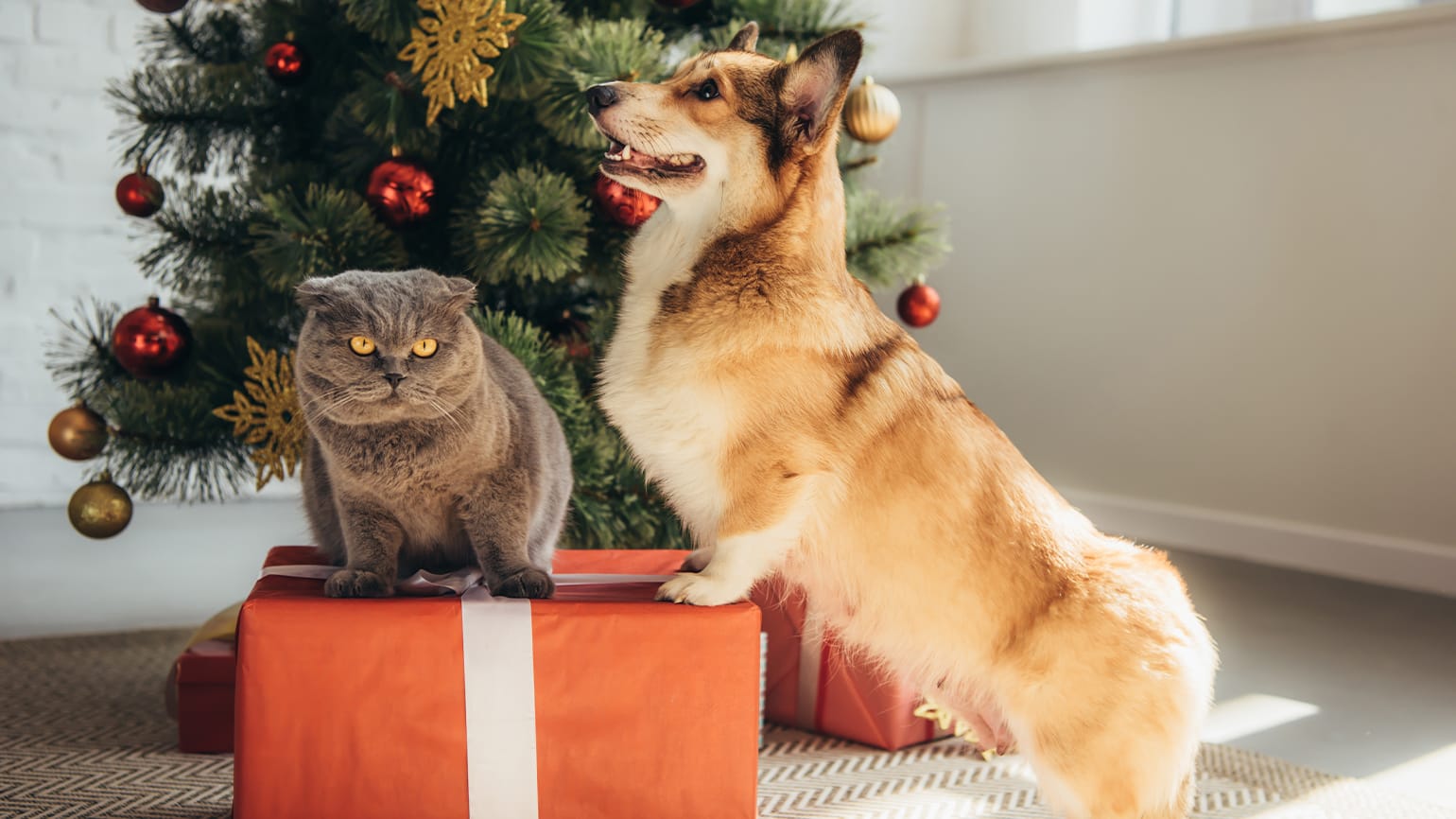
While the most important part of the holidays is spending time with family and friends, it’s no secret that holiday meals and treats often play a significant role in the last months of the year.
Guests, parties and disrupted schedules can quietly add calories, but here’s how to help keep your dog or cat healthy through the holidays without being a grinch about it.
Winter treats add up
Holiday calories add up fast. Prioritize your pet’s ideal weight and body condition, choose low-calorie treats, maintain their daily exercise routine and set simple food rules for guests. If you notice weight gain or health changes, consult your veterinarian for a tailored plan. This can include overhauling treats or introducing a new food formula.
Why dogs and cats tend to gain weight at the holidays
Extra snacks and schedule changes can quickly tip the calorie balance. Common culprits include:
• High-calorie treats and table scraps
• Guests offering sneaky extra bites
• Fewer walks or play sessions due to cold weather or busy schedules
• “Treat creep”—those small, repeated snacks that slowly pile up
Research from Cornell University College of Veterinary Medicine shows many pet parents unintentionally provide up to 20% of their pet’s daily calories in extras alone. Over just a few weeks, that can translate to noticeable weight gain and higher risks of joint strain, diabetes and digestive issues.
The science and veterinary guidance you should follow
Veterinary experts such as the American Animal Hospital Association (AAHA) and the World Small Animal Veterinary Association (WSAVA) emphasize individualized nutrition based on Body Condition Score (BCS) and Muscle Condition Score (MCS). These tools help vets assess ideal weight more accurately than the scale alone and definitely more accurately than us pet parents can by look or feel. (“My dog’s not fat, she’s fluffy” sound familiar to anyone?)
Clinical studies show structured weight management plans—combining controlled calories, regular activity and frequent monitoring—lead to successful and lasting results. Pets who see their vet regularly for weight checks have better compliance and healthier long-term outcomes.
In short, your veterinarian is your best resource for designing a safe, science-backed plan that matches your pet’s needs and lifestyle.
Weight loss tips
For planned weight loss, request a vet assessment, baseline bloodwork if recommended, a target weight and a monitoring schedule. Your vet wants to be your partner and help your pet slim down if necessary—and help support you along the way.
Weight gain can exacerbate certain health conditons such as urinary, joint and pancreatic diseases. Weight gain can also be a sign of thyroid dysfunction. Don’t have a vet? Book an appointment with one of Petco’s trusted experts.
Bonus bite: Many low fat dog foods are designed so you can give a similar quantity of food but with a lower calorie count so your pet won’t notice reduced kibble in their bowl.
Your vet may also recommend a veterinary therapeutic weight loss diet, especially if your pet is obese or very overweight. These diets are designed to allow for a safe food amount reduction without causing deficiencies.

How to monitor weight safely at home
In order to determine if your dog or cat gains weight over the holidays, you need to get them on the scale before the holidays to determine a baseline. But you don’t need something fancy. Many pet parents simply weigh themselves on a digital scale, reweigh holding their pet, then subtract.
Use BCS charts to assess whether your pet’s ribs, waist and tummy tuck match healthy benchmarks.
Weigh every 1–2 weeks and record results. Small, steady changes are best—rapid loss or gain can signal or cause problems.
Do the calorie math:
- Estimate your pet’s daily calories
- Subtract treat calories, which should equal no more than 10% of your dog's total diet
- Adjust portions or increase activity accordingly
A normal weight loss rate recommendation is 1-2% of bodyweight per week for dogs and 0.5-1% for cats. Consult your veterinarian about what’s best your pet. These easy online guides can help with those numbers.
The Association for Pet Obesity Prevention notes that slow, steady management beats drastic restriction. Keep feeding time positive, structured and consistent.
Bonus bite: Does your pet family go beyond cats and dogs? Here are BCS charts for rabbits and one for horses.
Practical, science-backed strategies you can use right now
Whether it’s you losing weight or your pet, slow and steady is the way to go. The number can seem daunting if there’s a lot to lose, but little steps really do add up. Here are five tools you can implement today:
- Measure kibble and stick to a schedule. Switch from free-feeding to measured meals; get an inexpensive measuring cup just for your pet’s food. Don’t guess, don’t use handfuls (which vary by person), and don’t eyeball portion
- Treat swaps and treat budgeting. Break treats into smaller pieces or use low-calorie options. Whether it’s a training treat or a topper for a picky pet, those calories count, need to be included in the daily total and should not account for more than 10% of your dog’s total diet. Pick three to five things you often have on hand and do the calorie counts ahead of time so you always know how much of your dog’s favorite snack is the right treat amount.
- Speaking of options…Great low-calorie treats for dogs include green beans, carrots and pumpkin, which can be offered fresh or cooked with no oils or seasoning. Other healthy choices are lean, unseasoned cooked meats, certain fruits like apples (without seeds), cooked sweet potatoes and commercial options formulated specifically for dogs. Always discuss additives and toppers with your vet if your pet has any type of health concern
- Set guest boundaries. Post “no feeding” reminders, assign a food monitor and give guests pet-safe snacks to offer. Petco offers pet-specific holiday-themed treats for both dogs and cats. In some cases, putting your pet away in a quiet, safe room may be best for all involved when guests are visiting
- Ask before switching diets. If you’re considering a lower-calorie food, talk to your vet about portion size and transition schedules.
Bonus bite: Keeping exercise fun makes it playtime for pets instead of a chore. Whether you are moving inside or outside, here are some ways to help Fido and Fluffy get physical with toys, cat puzzles and more.
Holiday-specific tactics
If your house is party central during the holidays, festive foods will probably be on the menu. There are a few ways to help keep things safe but still fun for your pets.
Before the guests arrive:
Make sure everyone in the family is on the same page about not feeding pets table scraps and be prepared to reiterate that. Also, make sure your chip and dip platters and other people foods are well out of reach of your pets. They can be pretty resourceful when their noses detect something yummy!
During the event:
If you can, keep foods that are toxic to pets, including anything with onions, raisins or alcohol, off the menu. Many people know, for example, that chocolate is toxic to pets, but so are macadamia nuts. If you’ll be offering things like those, it’s worth putting up little note cards that say, “Not safe for Max, do not feed!” Also be cautious with high-fat foods such as high-fat meats and gravy. High-fat food items may not be tolerated well by dogs with a history of intestinal or pancreatic disease, and they also add a lot of calories. If your pet ingests any potentially harmful foods, contact your veterinarian or Poison Control immediately.
What IS safe for Max is getting set up in a quiet area with a stuffed snuffle mat or other treat toy to keep him occupied AND help prevent FOMO about all people treats he’s not getting. Keeping your pet in a secure, quiet place away from festivities can help reduce stress on your pet and prevent intentional or accidental ingestion of harmful foods.
Bonus bite: The above tips are for visitors coming to you. If your pet will be traveling with you for the holidays, there are a couple things you can do to help keep things on the right track. Bring pre-measured portions and stick to regular feeding times. Keep walks part of the daily routine as well; both you and your dog might appreciate some alone time. If you are traveling to an area with a lot of snow or rain, be sure to pack weather-appropriate gear for your pup.
When to involve your veterinarian and red flags
Whether it’s from eating one really bad thing or the culmination of eating several not great things, seek out veterinary care immediately if you notice any of these symptoms:
Rapid weight gain or loss
Persistent appetite changes
Vomiting
Lethargy
Change in drinking amounts or frequency
Change in urination amounts or frequency
Diarrhea or abnormal stool
Sample “holiday maintenance” plan
We’ve all seen headlines like “14 days to a leaner you!” They can be judgey, but they can also outline ways to get started when you feel stuck. Our pets are blissfully unaware of these, but as their human family, it’s up to us to keep them at a healthy weight to enjoy as many holidays together as possible. So, here’s a two-week plan for you and your pet. We swear, no judgement!
Day 0
Record current weight and BCS
Confirm a daily calorie goal with your vet. Input from your vet is key because your dog may have specific needs that bump calorie totals out of the online guidelines. Calorie count will vary not only according to size, but to age and activity level.
Days 1-7
• Feed measured meals with the total recommended daily calorie count divided out twice a day or at the frequency recommended by your veterinarian. Some dogs may need meals offered at a higher or lower frequency throughout the day depending on health conditions and age.
• Limit treats to no more than 10% of daily calories
• Include two short, age-appropriate play sessions and one longer walk (or indoor equivalent)
End of week 1
Re-weigh
Record changes
Adjust treat or meal size if needed
Note energy levels and behavior—they’re often early indicators of change
Celebrate any levels of success
Days 8-14
• Feed measured meals twice a day or as directed by your veterinarian
• Limit treats to no more than 10% of daily calories
• Include two short play sessions and one longer walk (or indoor equivalent) as age appropriate; offer some variety with different toys
End of week 2
Re-weigh
Record changes
Adjust treat or meal size if needed. If you need to cut a substantial portion of your pet’s current food to accommodate new calorie totals, consider switching to a lower-calorie diet that has the same amount of kibbles after discussing with your veterinarian.
Note energy levels and behavior—they’re often early indicators of change
Celebrate some more!
Takeaways
Keep the season joyful and balanced by planning, measuring and maintaining routine. Visit Petco to find vet-approved nutrition options, feeding tools and toys to help keep your pet healthy all season long, bringing joy to your world.
FAQs about pet weight gain
Can one holiday treat make a difference?

Yes. Those extra bites add up quickly, so be sure to track them.
What’s a safe low-calorie treat for my dog or cat?
Offering a treat specifically formulated for dogs or cats is always best, however, small bites of unseasoned veggies such as carrots (for dogs) or unseasoned cooked poultry pieces (for cats) can be a safe human treat to offer a healthy cat or dog with no dietary restrictions.
My pet had too much food. Should I skip feeding the next meal?
No. Don’t skip meals; just slightly reduce portions and maintain regular exercise. If your dog appears bloated or uncomfortable or shows signs of an upset stomach such as abnormal bowel movements or vomiting, consult your veterinarian.
Why is my senior dog gaining weight and always cold? Hypothyroidism?

My skinny dog suddenly gained weight and isn't eating. Should I worry?
My nervous dog is underweight and can't maintain his weight. Help!
Why is my 4-year-old dog gaining weight despite diet and exercise?

My older dog is gaining weight. How can I adjust her homemade diet?
Why is my active senior dog losing weight despite eating well?
Why is my dog gaining weight despite exercise and proper food?
My dog eats a lot but stays thin. Why isn't he gaining weight?
Why is my dog still skinny even after trying to help him gain weight?