


Related Articles


Unlock Your Dog: 10 Ways to Master Their Body Language Signals
Published on November 1st, 2024
Updated on October 22nd, 2025

Dogs use face and body language to communicate, just like humans, but, their body language is very different from ours. Taking the time to observe your dog’s movements and actions can be hugely beneficial to you and your dog’s happiness, allowing you to recognize stress or discomfort, and respond to potential problems before they get worse.
Here are ten ways your dog might be trying to communicate with you:








Eye contact
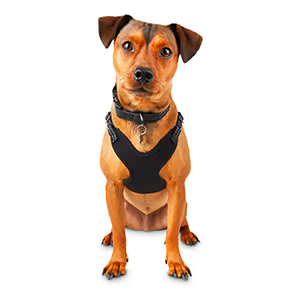
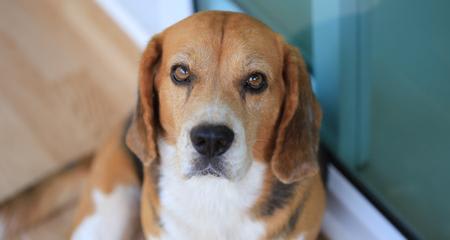
Dogs communicate in subtle ways with their faces, specifically with their eyes. Constant eye contact from your dog is his way of showing his trust and affection towards you. Think of it as an understated ‘I love you.’ Avoiding eye contact, on the other hand, can be a sign that your dog is uncomfortable, scared, or wants to be given space.
Tail posture
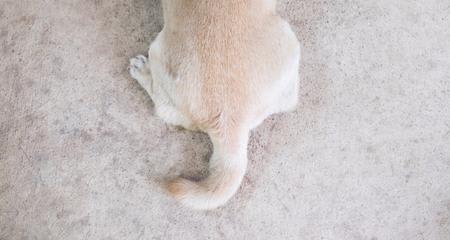
Perhaps the most widely recognizable form of dog communication is tail movement. In addition to the joyful wagging tail, a dog’s tail can communicate a range of other emotions. For example, a slow wagging tail means your dog is feeling cautious, and a stiff tail held high means your dog is on alert. A low tail means your pup is feeling content, but a tucked tail means he is feeling scared. If your dog is wagging his tail vigorously with loose body language), he’s elated to see you!
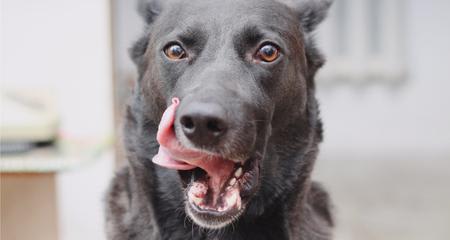
Tongue flicking
Tongue flicks are often driven by anxiety and a desire to appease or avoid conflict with people or other dogs. Dogs can certainly read our body language, and may get worried or anxious if we seem upset, but this is not the same thing as feeling guilt, or understanding that they’ve done something wrong.
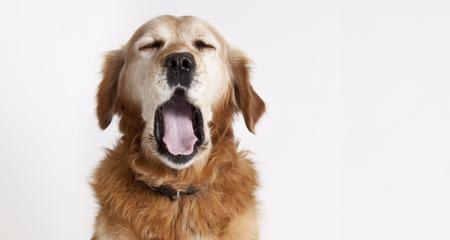
Sneezing and yawning
Dogs sometimes try to communicate with us by yawning unnecessarily. A misplaced yawn may mean that your dog is uncomfortable and stressed, often around new pets or people. Believe it or not, humans do this when they feel uncomfortable too! This can get confusing because dogs also yawn when they are feeling content around you. The key is to look for misplaced yawning in unfamiliar circumstances. Sneezing can be a way of communicating playfulness in dogs, but if your dog is sneezing excessively, always partner with your veterinarian to ensure there is not an underlying medical reason.
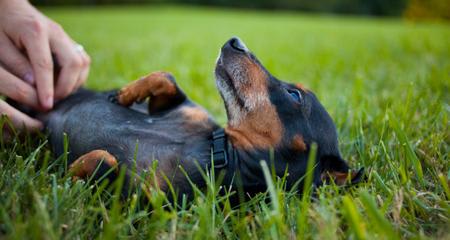
Belly exposure
In addition to face and tail movement, dogs also try to communicate using the rest of their body. If your pup rolls over and bares his belly to you, he is initiating this gesture to appease you. Dogs also communicate with each other this way, rolling over as a sign of passive resistance to perceived threat.
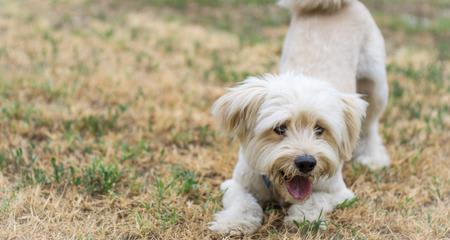
Play bowing
If your dog faces you and dives into a bow with his front legs on the ground and his rear in the air, this is known as the play bow and it’s your dog’s way of telling you that it is playtime.
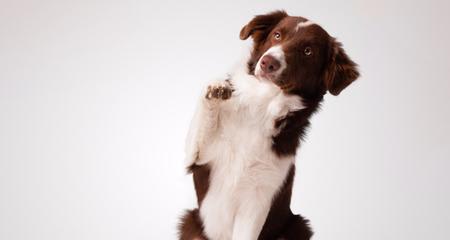
Raising a paw
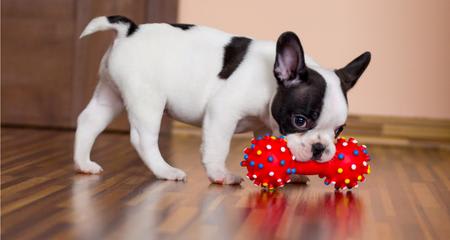
Freezing
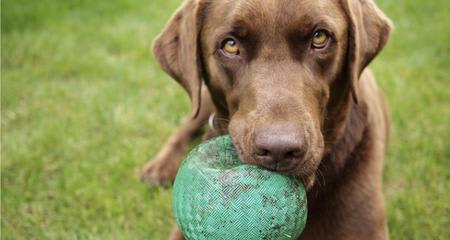
Bringing things to you
Every once in a while, your dog might bring you a ball, stick, or other toy. Most people read this as an invitation to play, which it very well might be. But if your dog brings you one of his favorite toys and drops it at your feet, it may also be that he is giving it to you as a gift! This is your pup’s way of showing affection for you by sharing his favorite things with you
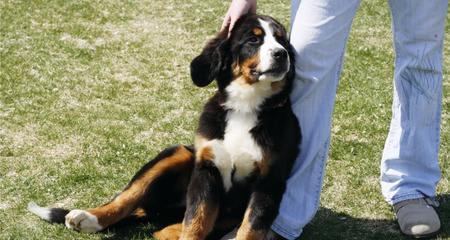
Leaning against you
Finally, if your dog is leaning against you, this is your dog’s way of trying to cuddle with you. Unfortunately, he physically can’t hug you, so cuddling against you is the best way to show affection for his favorite human!
While these methods of communication are the most common among all breeds, it’s important to remember that every dog is different. To maximize you and your dog’s happiness, the best thing you can do is observe your pup’s habits, movements, and mannerisms so that you can begin to understand the ways your dog specifically communicates with you.

2626Pet Parents found this article helpful







Book an appointment with the pros – our expert vets are here to help.
