


Related Articles


Xylitol Poisoning: 6 Toxic Products Hiding in Your Dog's Home
Published on November 8th, 2018
Updated on April 2nd, 2026


Given the growing popularity of sugar-free foods, you have likely heard of xylitol. While this artificial sweetener offers many health benefits to humans, it is highly toxic and potentially deadly for pets. Research indicates that xylitol toxicity in animals can occur at very low doses—sometimes less than one stick of gum.
Upon ingestion, xylitol can cause a severe drop in your pet’s blood sugar levels. In dogs, xylitol stimulates the pancreas to secrete excessive amounts of insulin, which causes hypoglycemia (low blood sugar) to occur.
Clinical signs may include:
- Vomiting
- Lethargy and weakness
- Incoordination or stumbling
- Muscle twitching
- Disoriented behavior
- Seizures
Depending on the amount ingested, animals can even suffer life‑threatening liver damage.
Like most toxins, the effects of xylitol are dose-dependent and can be treated successfully if caught early. If you suspect ingestion, seek veterinary care immediately. Quick intervention is crucial for recovery.
Being proactive is key to protecting your pets—what’s sweet for us is not always sweet for them! Here are some common consumer products where xylitol may be hiding:
Sugar-Free Candy and Gum
Gum is notorious for containing xylitol. Amounts differ from brand to brand, but in some cases, one stick of sugar-free gum can be lethal. Mints, candy and chocolate contain the substance as well. Never let your pet have access to these products.
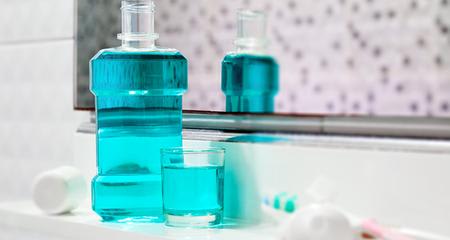
Prescription and Over-the-Counter Medications
Given the growing popularity of sugar‑free foods, you have likely heard of xylitol. While this artificial sweetener offers many health benefits to humans, it is highly toxic and potentially deadly for pets. Research indicates that xylitol toxicity in animals can occur at very low doses—sometimes less than one stick of gum.
Upon ingestion, xylitol can cause a severe drop in your pet’s blood sugar levels. In dogs, xylitol stimulates the pancreas to release excessive insulin, leading to hypoglycemia (low blood sugar).
Clinical signs may include vomiting, lethargy and weakness, incoordination or stumbling, muscle twitching, disoriented behavior, and seizures.
Depending on the amount ingested, animals can even suffer life‑threatening liver damage.
Like most toxins, the effects of xylitol are dose‑dependent and can be treated successfully if caught early. If you suspect ingestion, seek veterinary care immediately. Quick intervention is crucial for recovery.
Being proactive is key to protecting your pets—what’s sweet for us is not always sweet for them!
Baked Goods and Other Foods
Foods and Baking Ingredients: Xylitol is found in raw baking forms, baked goods, dairy products, condiments, jams, syrups, honey, ice cream, yogurt, protein powders, bars, and water‑flavoring packets. Many pet parents use peanut butter for treats or medication, and canned pumpkin for digestion. It is imperative to buy xylitol‑free brands for these specific items.
Health and Beauty Products
Personal Care Products: Be aware that xylitol can be found in lip glosses, shampoos, foundation, cleansers, sunscreen, personal lubricants, and baby wipes. While typically present in lower doses, they can still be toxic to furry friends.
Edibles and CBD Products
Cannabis and CBD: Edible marijuana products may contain xylitol. While pet‑marketed CBD products generally should not contain xylitol, always check with your veterinarian before use.
A Note on Cats: There is not much research available on cats and xylitol. Some speculate that cats are simply pickier about what they eat and are therefore less likely to be exposed. Alternatively, the lack of confirmed cases of xylitol toxicosis in cats may have something to do with their metabolism. However, as we’ve seen with dogs, exposure to xylitol can be deadly. Therefore, the recommendation remains to keep xylitol out of reach from all furry friends, including cats.

Cats and Xylitol

74Pet Parents found this article helpful

My dog ate something with xylitol. How do I know if he's poisoned?

My 15lb dog ate a sugar-free mint. Is xylitol poisoning a concern?
Is Xanthan gum safe for cats? Or is it a toxic ingredient like xylitol?
Is my outdoor cold care product with xylitol safe for my cat?

My puppy ate artificial sweetener (erythritol, stevia). Is it toxic?
My dog ate Colgate toothpaste. Is xylitol toxic? What to do now?
My dog ate Trident gum. Is xylitol toxic? Is it an emergency for dogs?
Is Bach Rescue Remedy Pastilles with xylitol safe for my dog to eat?

My dog licked sugar-free pudding with xylitol. What should I do?
My dog ate Equal sweetener. Should I worry about xylitol toxicity?










Book an appointment with the pros – our expert vets are here to help.
