


Why is my baby bearded dragon barely eating, sleeping, and squinting?
Updated On September 23rd, 2025
Pet's info: Reptile | Bearded Dragon | Male | unneutered | 1 month and 27 days old
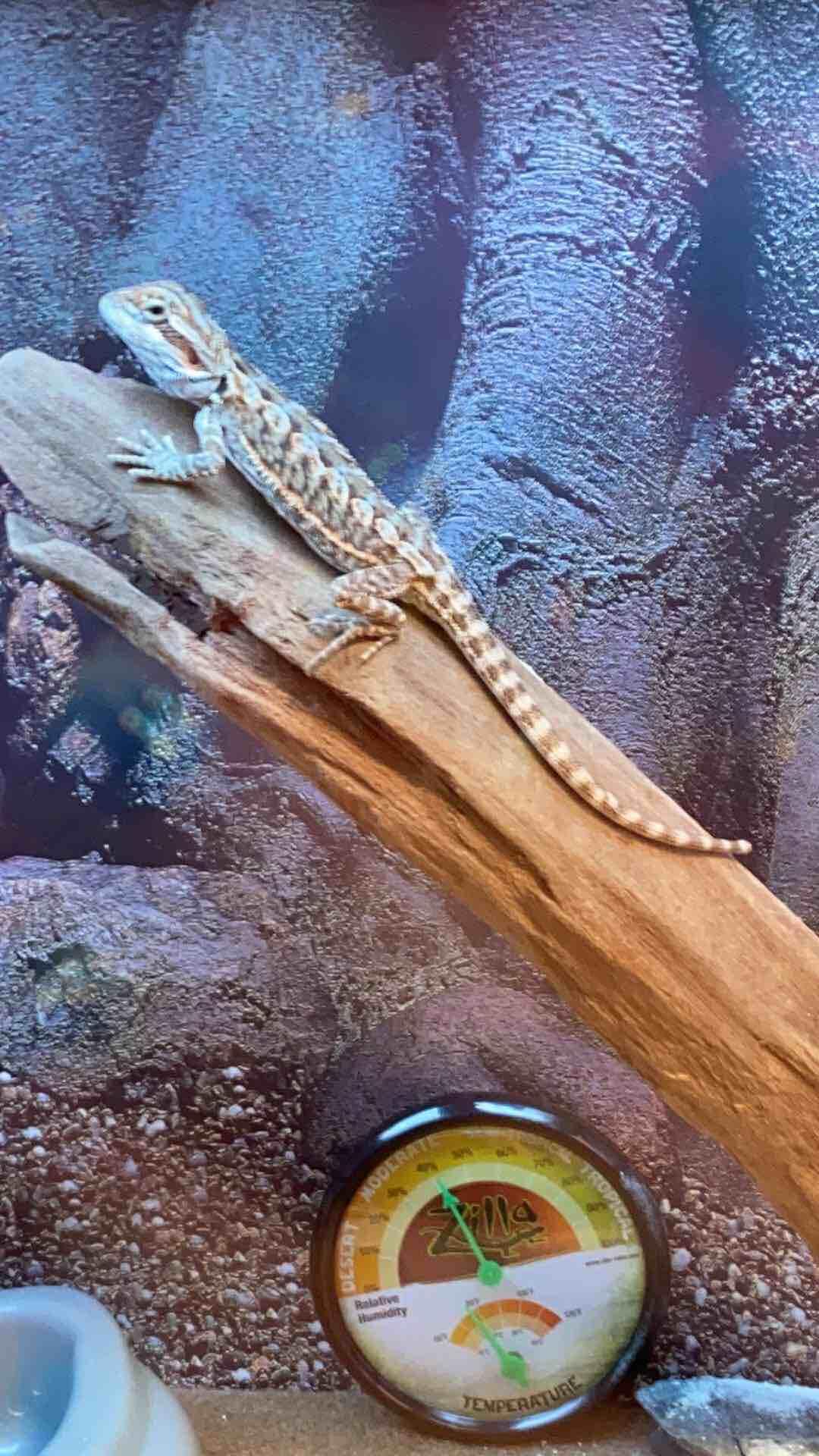
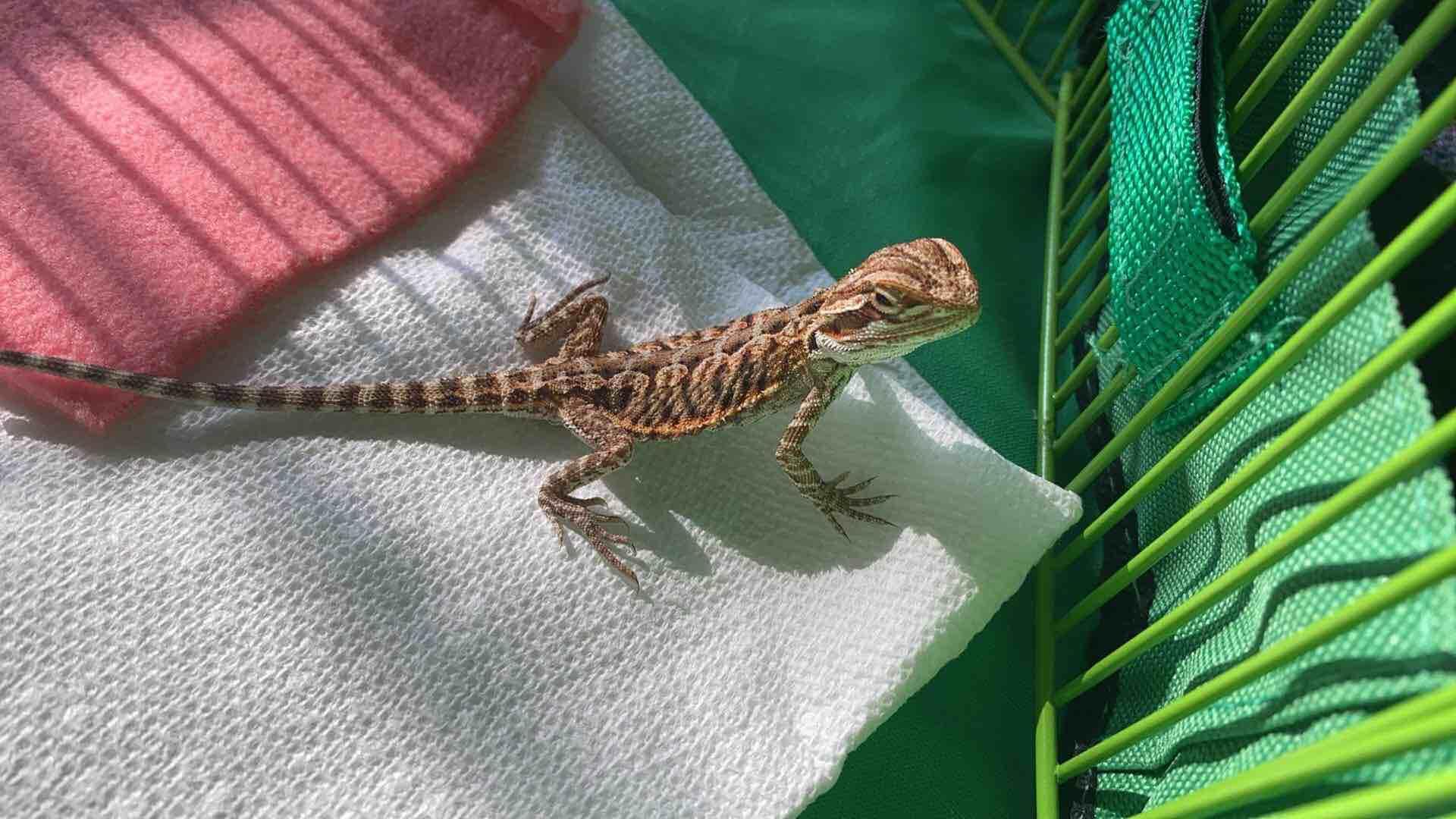
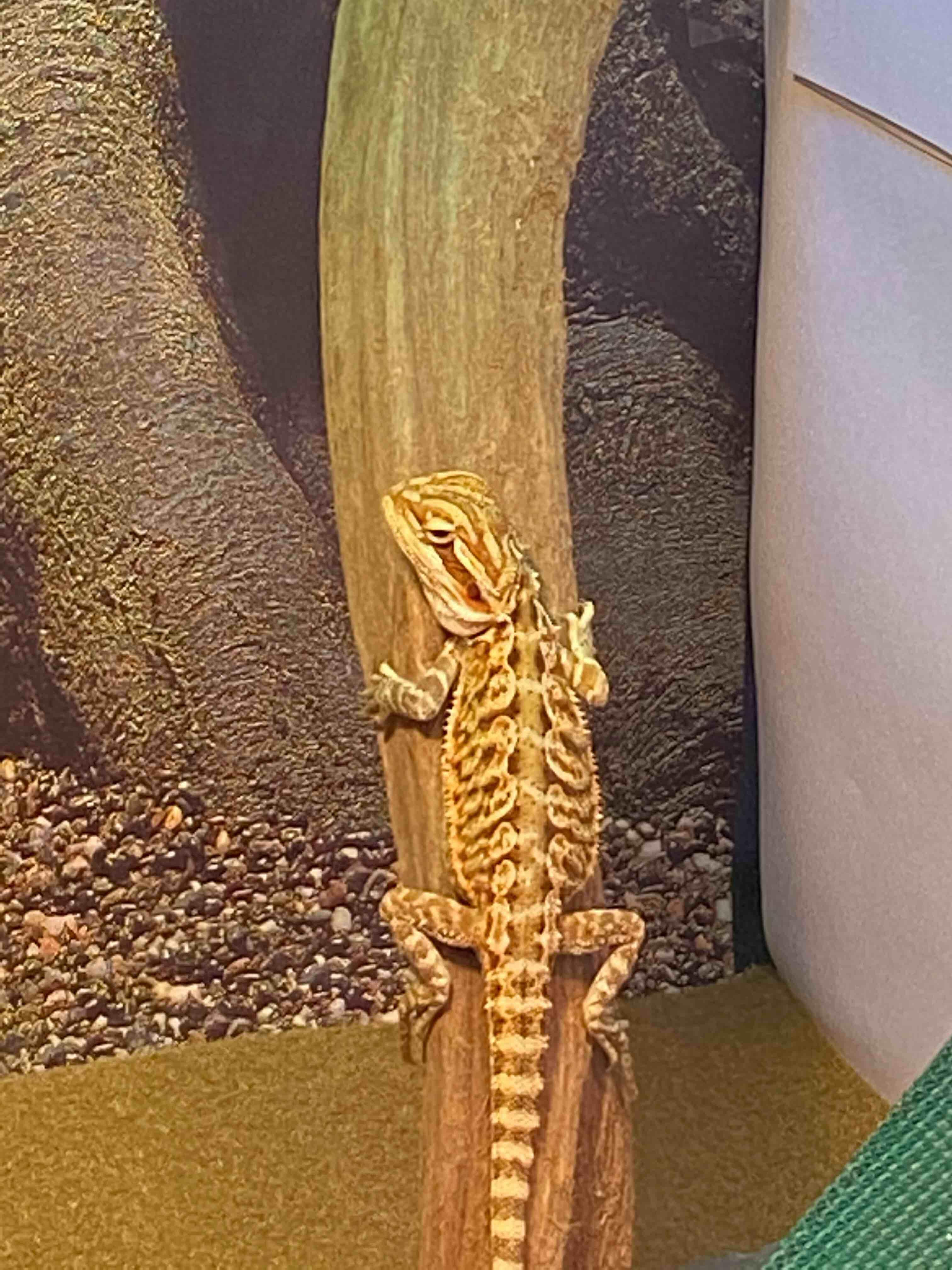
Is it normal for my baby bearded dragon to only eat one cricket or BSFL a day and sleep nonstop? He rarely eats greens and all he does is lay belly flat with his eyes closed. He never fully opens his eyes anymore. He squints. I took him to the vet recently for something else and it resulted in them doing a check up. They said he looked healthy and fine. I’m not sure why he is doing this.


2 Answers
Most Helpful Answer

Published on April 28th, 2020
No. This is not normal. Juvenile bearded dragons are little eating machines. Check the temperature in the enclosure. Low temps can affect appetite in reptiles. Make sure prey are appropriately sized as well. Typically, you don't want to offer anything bigger than the space between the eyes. You can supplement the diet with Fluker's Repta-Boost. Find it in the local Petco. Offer greens in the morning, about 2 hours after the heat lamp turns on. You can sprinkle feed dried prey on greens to stimulate the appetite.

1Pet Parents found this answer helpful
Related Answers from Veterinarians
-
Published on March 21st, 2017
If it was warm enough, Godzilla likely enjoyed the spot for a nap. As long as he is active and behaving normally at other times, there is no cause for concern. He's quite young. Feed him twice daily. He may not be eating due to low temps or the crickets may be too big. Reptiles need heat to properly digest their meals. Low temps can affect appetite and activity. Feed prey no bigger than the space between his eyes. He can eat small crickets, dubia roaches, micro meal worms and similar prey. Dust with a vitamin and mineral supplement every other day. Offer dark leafy greens and other vegetables daily as well. Cut them up into appropriately sized bits and pieces. If his appetite does not pick up, have him examined by an experienced herp veterinarian. Submit a stool sample to diagnose intestinal parasites. If you need help locating a vet or to discuss husbandry in greater detail, you can request a consultation.
1Pet Parents found this answer helpful

Book an appointment with the pros – our expert vets are here to help.
