


Why does my cat have a bald spot on his back, but no other symptoms?
Updated On September 23rd, 2025
Pet's info: Cat | Mixed Breed | Male | neutered
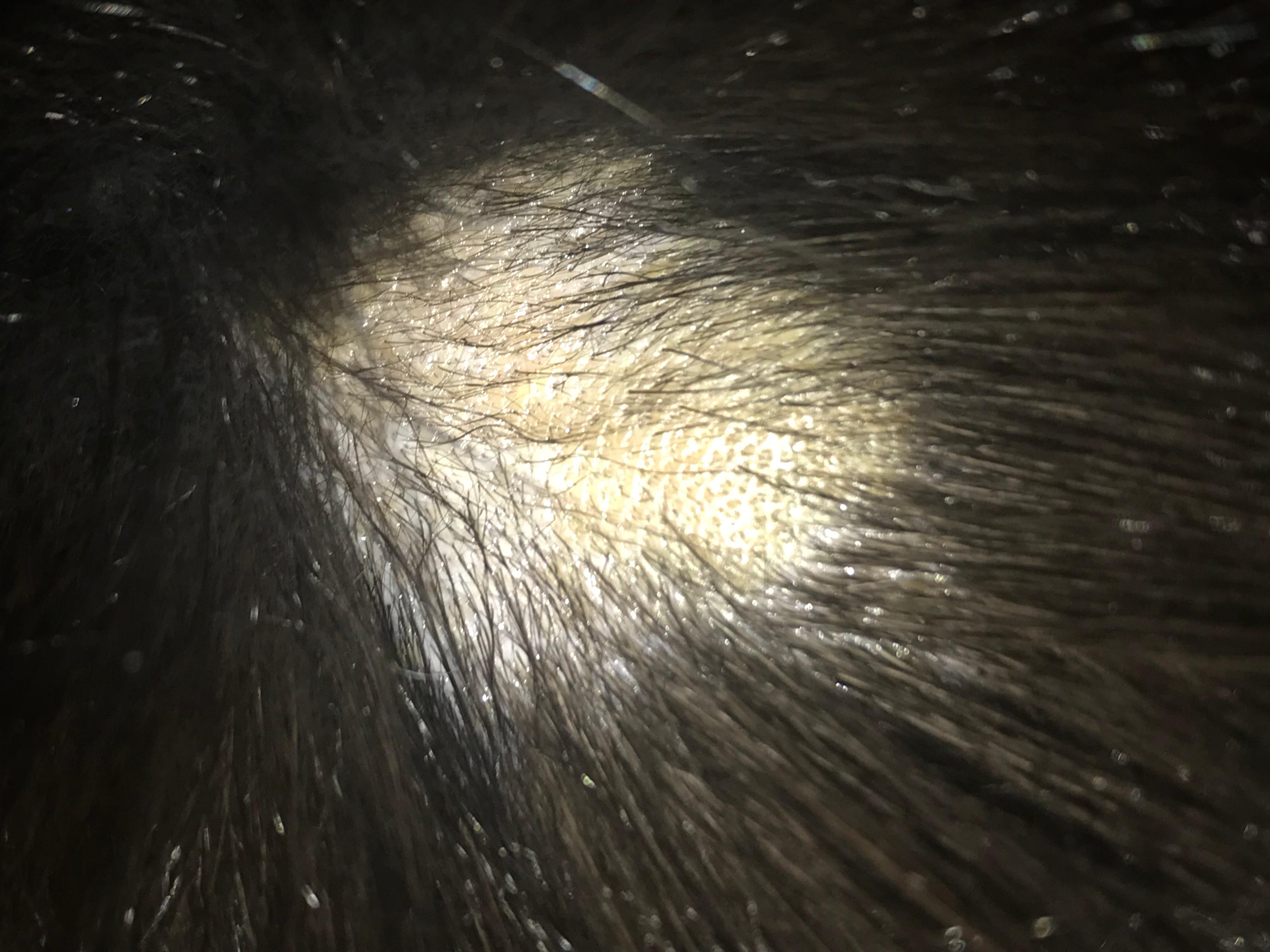
Hi, my outdoor cat came home tonight and I noticed a bold spot of around 3cm in diameter on his back. The skin seems to be fine, not infected, red, dry, itchy or scaly. He is not bothered about it, doesn't lick, he is behaving as normal, no lethargy or weightloss and he is as hungry as always. It seems to be the only patch with hair missing. Bazi has no health problems. I would be grateful for any tips. Thanks, Sabine


2 Answers
Most Helpful Answer

Published on January 11th, 2020
That spot Bazi could be several things including fleas, allergies, skin mites, bacterial infection, ringworm (which humans can get) or a fight (fur ripped out). There are a couple things you can do at home and they can help but they may not address the underlying cause. You can try adding in an omega 3 fatty acid supplement for pets, this can help improve the skin health. You may also try changing his diet to something like Royal Canin or Nutro as they are aimed at skin health. You can wash the lesion once a day with a hypoallergenic wipe. Also protect the area from trauma. If the lesion does not start improving within a week or if it is getting worse, have him examined by the veterinarian. I hope this helps and please feel free to post any additional questions.

2Pet Parents found this answer helpful
Other Answers
-
Published on February 2nd, 2018
I looks like there is a little crusting or dried skin at the edges of the hair loss, but no redness or other abnormalities. We certainly can see ringworm look like that, but there are also a number of other skin diseases that can look like that. Unfortunately, it is very difficult to determine a cause of hair loss just by looking at an area. Your veterinarian can do some simple skin tests involving a skin scraping and/or skin cytology to look at a sample under the microscope to look for bacteria, yeast, mites, and fungus. Sometimes we can use a special light to look for ringworm (which is a fungus), but sometimes we need to do a special fungal culture. I would recommend having your veterinarian look at Cuc and do some additional testing to see what the sample looks like under the microscope to determine what might be going on and what the best treatment would be. Good luck! I hope that was helpful. Thanks for using Petco Pet Education Center, formerly Petcoach.
1Pet Parents found this answer helpful



Book an appointment with the pros – our expert vets are here to help.
