


Why does my dog have recurring ear infections that won't go away?
Updated On September 23rd, 2025
Pet's info: Dog | Mixed Breed Small (up to 22lb) | Female | unspayed | 1 year and 7 months old
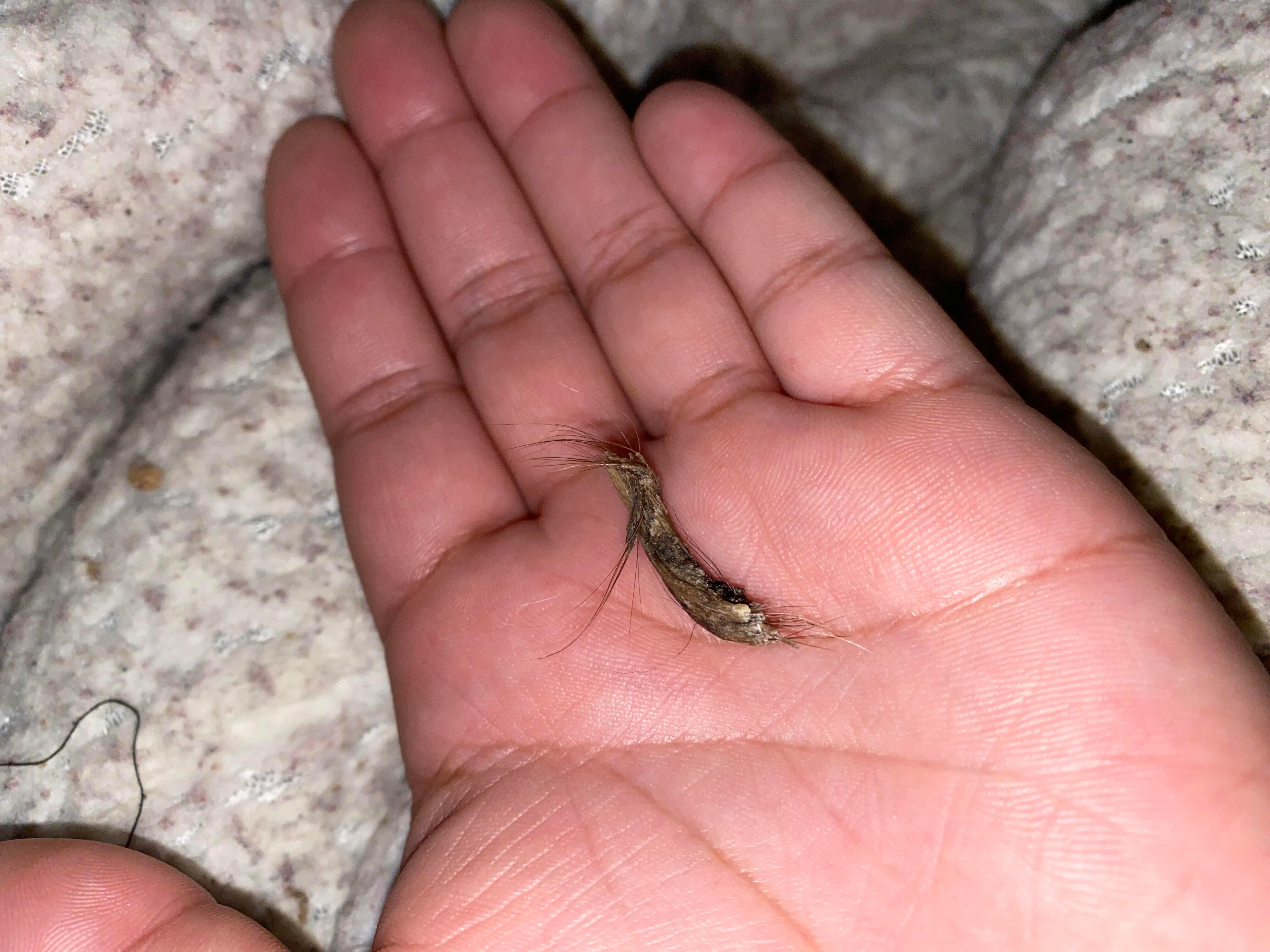
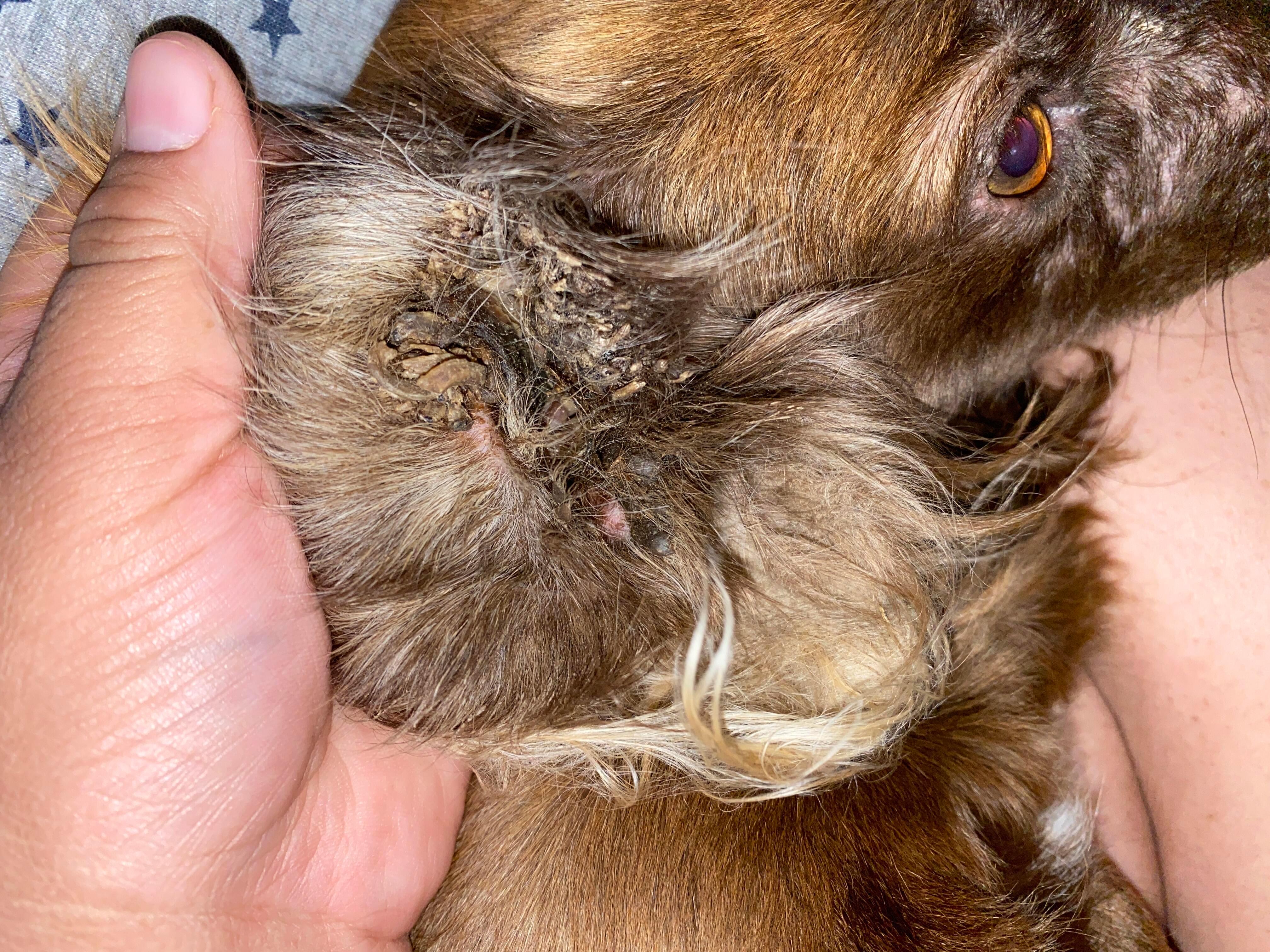
My dog has had stuff growing out of her ears since she was a puppy. I’ve taken her to the vet to get her ear cleaned out, but the meds they gave me for the after care never worked. And they never told me what it was. Would somebody be able to possibly help diagnose what’s wrong with her? I will be attaching photos of the stuff growing out her ear.


2 Answers
Most Helpful Answer
Published on May 13th, 2020
Poor Maggie! This looks like quite a severe ear infection, from what I can see in the photo. Normally, we would treat this by taking a sample of the discharge to look at under the microscope, to see what kind of infection is present - it may be yeast, bacteria, or both. Then appropriate medication can be prescribed to treat the infection depending on what is found. So that is how we would typically treat a current, active infection like this. If her ear infections are not responding well to treatment or keep recurring once meds are finished, then this usually indicates that the dog has an underlying allergy problem of some kind (either food, or environmental). The underlying allergy will need to be diagnosed and treated in order to get the recurring ear problems under control, so that's what I would focus on once the current infection has improved. Your veterinarian should be able to discuss testing and treatment options for allergies, including allergy testing and immunotherapy treatment, daily medication such as Apoquel or Atopica, and/or a food trial with a prescription hypoallergenic diet. You could also seek a second opinion from another veterinarian in your area, or request referral to a veterinary dermatologist, if your current vet doesn't have any concrete suggestions on how to proceed with this.

3Pet Parents found this answer helpful
Related Answers from Veterinarians
-
Published on December 6th, 2016
If you have to do this every few weeks then this OTC medication is not working properly for whatever is causing the ear infection. This could be a bacterial , fungal or parasitic infection or caused by allergies. In order to find the proper medication and treatment that works for your dog's condition you should take her to a vet for an ear exam. The result of this (maybe supported by a microscopic exam of the discharge) will determine the type of infection and how to proceed. Each cause needs a different medication, and if allergies are involved then your dog may have to be fed a hypoallergenic diet.
2Pet Parents found this answer helpful


I clean his ears all the time and also have gotten medication from a vet but it haven’t seemed to work and other vets we Have went to said there isn’t an issue and just to keep cleaning it... what should I do

I have pug mixes. All have ear problems. Been to several vets. And never got an answer exactly what's wrong. Have spent a fortune on all kinds of meds. They scratch till it hurts badly..had to put collars on them to stop scratching. Another person s

My dog has had a really bad ear infection for years, they’ve given him medicine that we gave to him until it ran out but they never got better. If something could be done to fix it what would it be and how much would it cost? He has issues hearing as

I am always treating my dog with OTC ear drops for brown discharge and/or ear mite itch every few weeks. It is normally inside her right ear. Why is she prone to this? Shes a beagle

My dog continues to have ear issues despite changing diet and ear drops from the vet
My maltipoo has been having recurring ear infections. She has recently just recovered from one (the vet checked and confirmed there were no more bacteria or yeast in her ears one week ago) but after I stop putting the eardrops, I noticed that her rig
My Jack Russell has a continual swollen inner ear red with discharge giving him pain. Have washed it out daily with ear cleaner. Vet has seen him numerous times but it come back.
Our 2 year old mutt has been getting ear infections pretty often now. Our vet says it's just something some dogs get and to bring him back when he starts scratching his ear again. In the last year we have been in 4 times for this. Is there something
my dog is a white pitbull mix. he has infected ears that don’t seem to be getting better . we have taken him to our vet and have got cleaning solution and eardrops. It made them a little better but I feel something else is out there . any suggestion
I have a 12 year old rescue black and tan coonhound. She has had yeast infections since I got her in one or both ears and at first on her skin. It seems like it just won't go away. I've tried home remedies, veterinarian prescribed drugs and even make

Book an appointment with the pros – our expert vets are here to help.
