


My lovebird bites in its cage. Is it territorial or stressed?
Updated On September 23rd, 2025
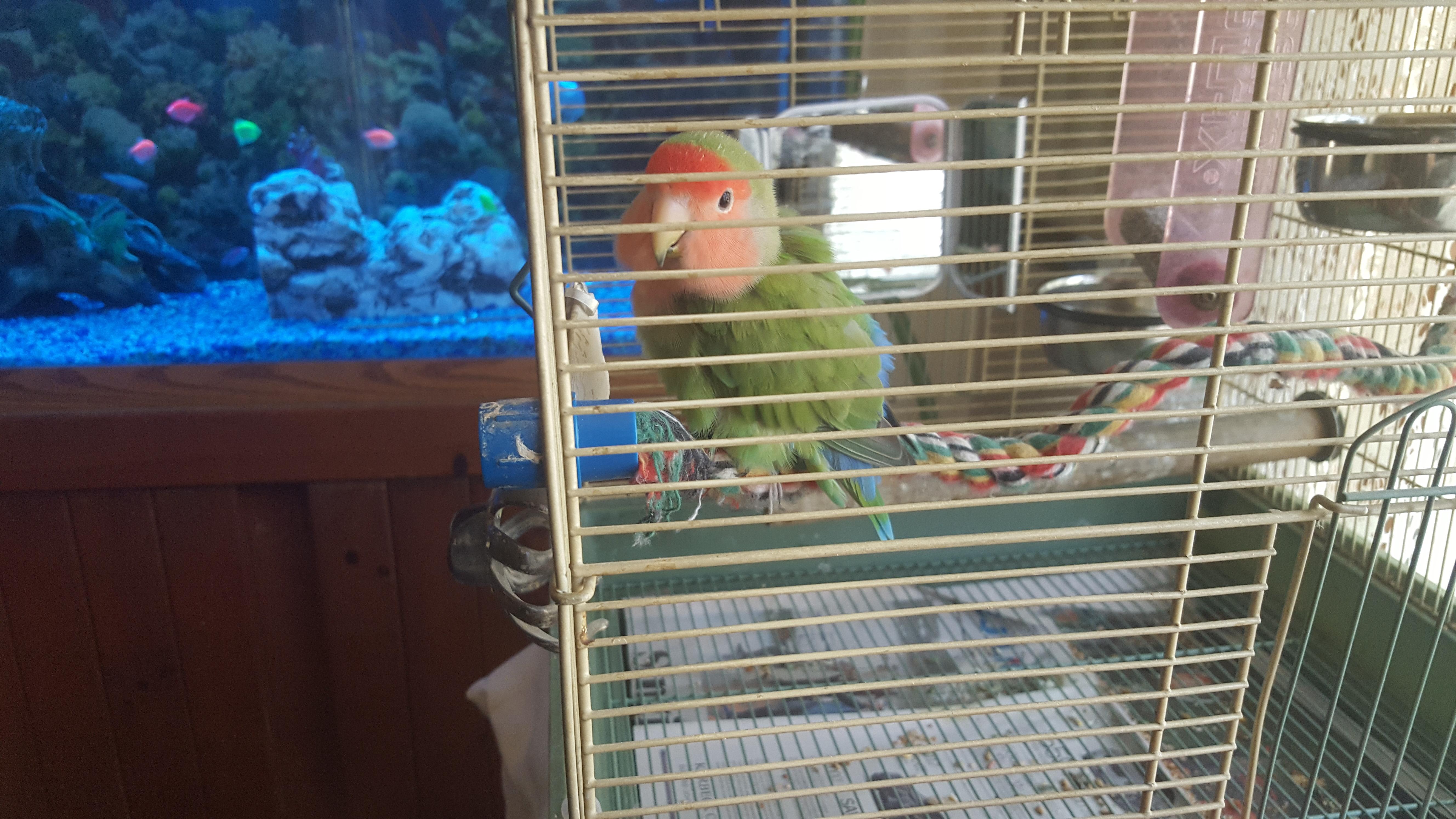
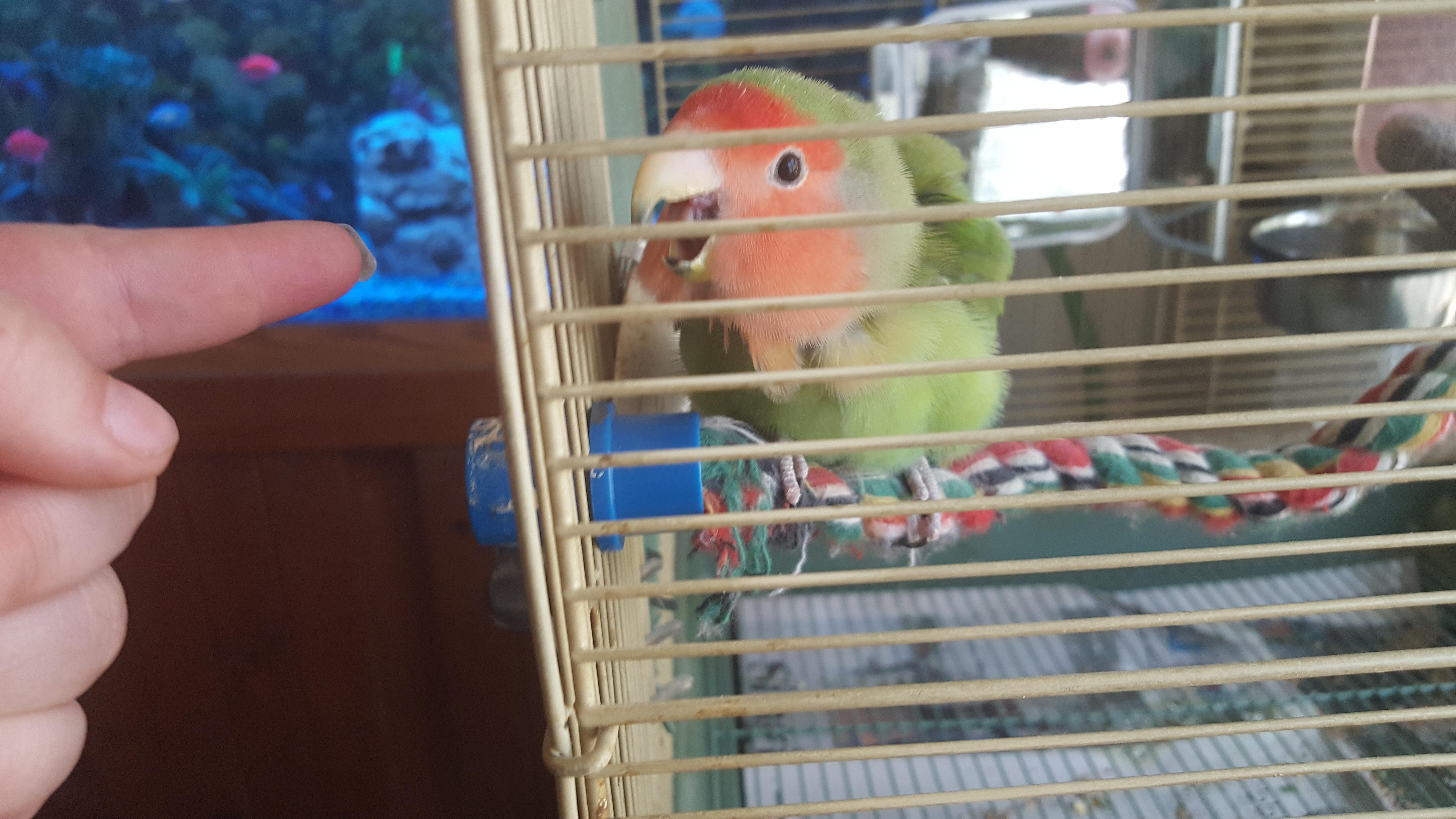
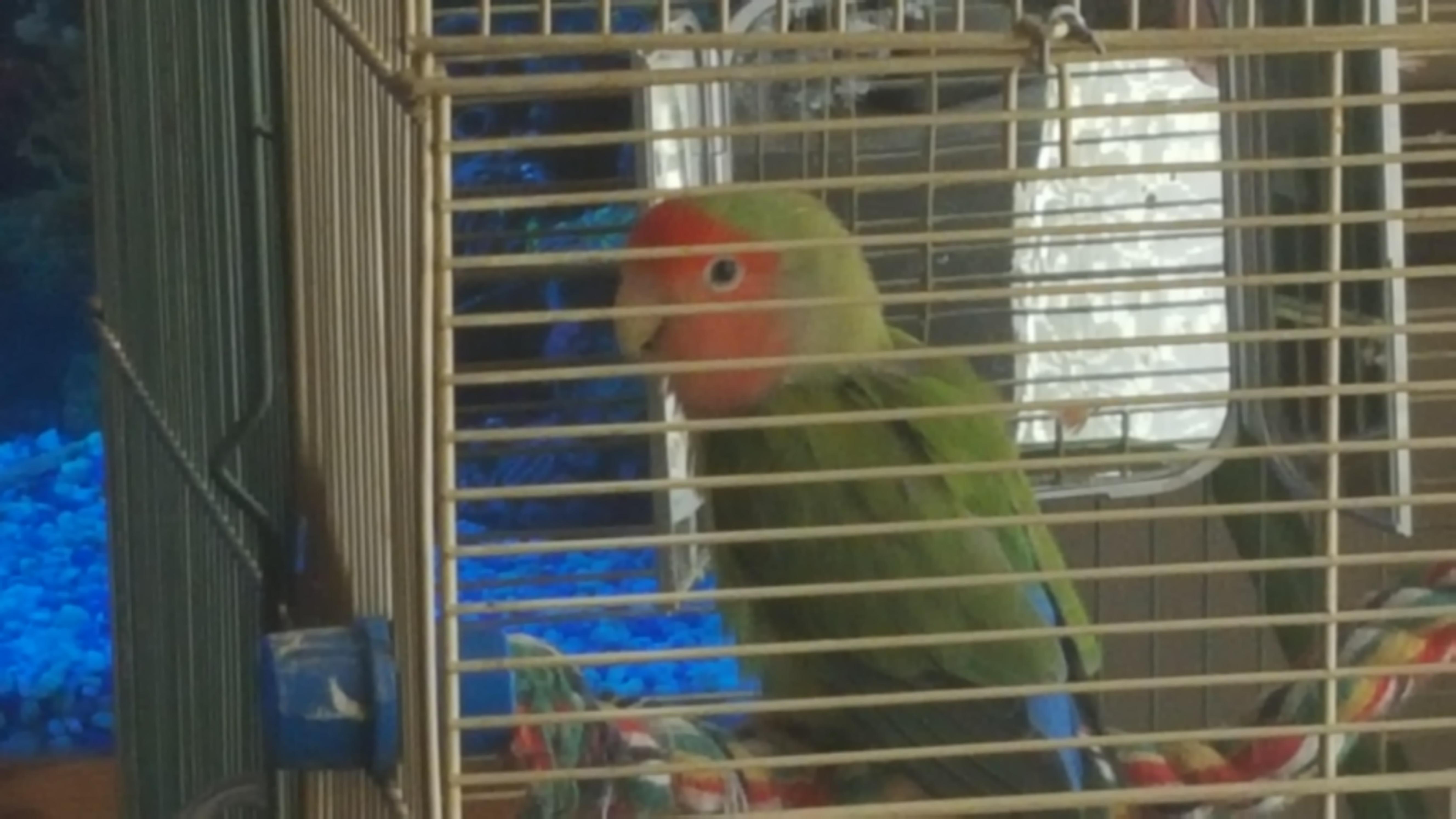
My peach faced lovebird bites everyone, but only when their hand is in its cage or try to pet it through the bars. It even fluff up its feathers when you get near the cage to interact with it. We've only had it since winter when my aunt's boyfriend brought it home from work and said it was found by a donation bin. It has always tried to bite everyone when it can. Though when it comes out of the cage and has the chance to fly around the house, it's way friendlier. Is it being territorial?


1 Answer
Most Helpful Answer

Published on May 9th, 2018
It sounds like your bird may not be comfortable yet with being handled around the cage. Stress and feeling unsafe can cause a bird to lash out, and it may be that they feel you are intruding on their space or are going to harm them when you get close. Taking some time to bond while your bird is in its cage may help. If he or she has a favorite treat, begin by offering it every time you approach the cage, and only at these times. This will help your bird start to associate your arrival with good things, rather than scary. Once used to you just tossing in a treat every time you come by, you can then move on to opening the cage and offering the treat from your hand, petting your bird, etc. If they become too scared, try to bite, or seem very stressed out, move back to the previous step that worked and try again from there. Making sure the cage itself is kept in a stress-free and quiet environment where other pets, people, etc can't bother it can also help reduce stress and make the space more comfortable and relaxing. Bonding does take time, and it may take days, weeks or even months on each step to build that trust! Be patient, and try not to be discouraged if you don't see immediate changes.

1Pet Parents found this answer helpful

Brighty keeps trying to bite me even though I've had her for 3 I a half months. I don't know if she's to little or if it's her age because she does not want to come out of the cage either
I have had Vermilion for almost a year, but she has been nothing but aggressive. She keeps biting her cage when no one is around -- I'm worried she'll hurt her beak. I want to tame her, but she bites my finger whenever I'm refilling her food or water

Hi I have 3 pet parakeets 1 is brighty he bights me
My budgie wont let me pet her, she bites and flies away when i try. Can someone help... Is there a way I can make her comfortable with being petted?
Hi, I just purchased my pet on Sat, but she has started biting. Do you think we are doing something to frighten her? Karen
He always bites me when I touch him I don't know if he's mad at me
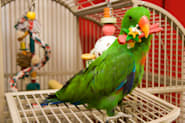
My pet cockatiel is biting his cage and tries to bite/hiss at anyone who comes near his cage. He lives in the cage with another male cockatiel who is much more calm and abit scared. It has been a couple of days since we got them. I need to clean the

Cheeya and Kukoo are doing better (after the mouse trap incident). Cheeya isn't able to fly right now, she climbs up from my foot to my shoulder and I can keep her on my shoulder. I feel like she does trust me now unless she doesn't understand what s

How can I get my bird to rust me? He is a cockatiel who has lived with me for 3 years. I have tried everything but he just doesn't seem to like me or any human interaction at all. I do not know what past he comes from since I got him from a friend. H
My budgie bites me. He is tame and never bit me before but now its hot weather and he suddenly begins to bite me. Could he be just hot and dont want to be touched. Does a budgie also bite when theyre tired?

Book an appointment with the pros – our expert vets are here to help.
