


Why does my senior dog drink so much water and then throw it up?
Updated On September 23rd, 2025
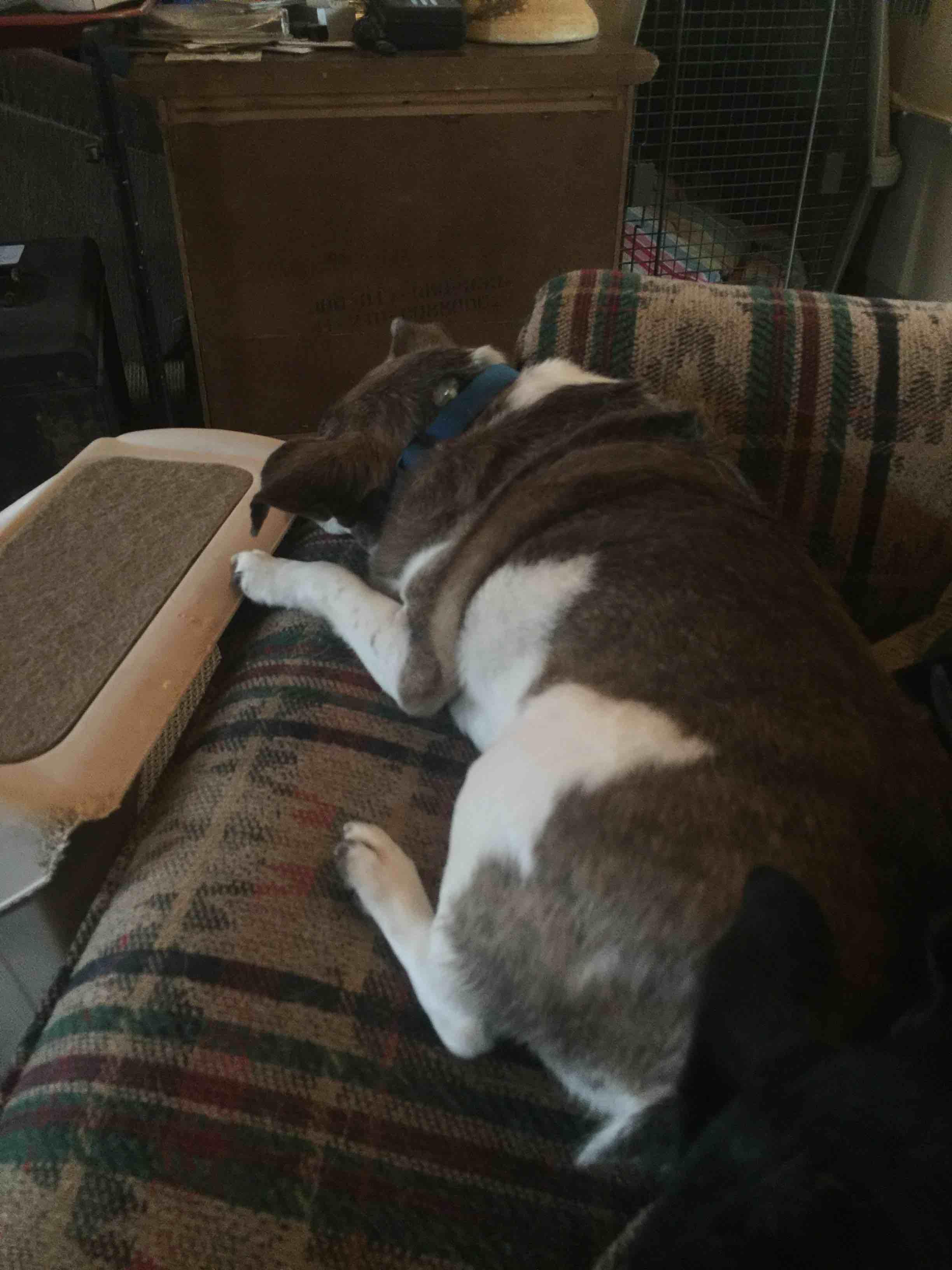
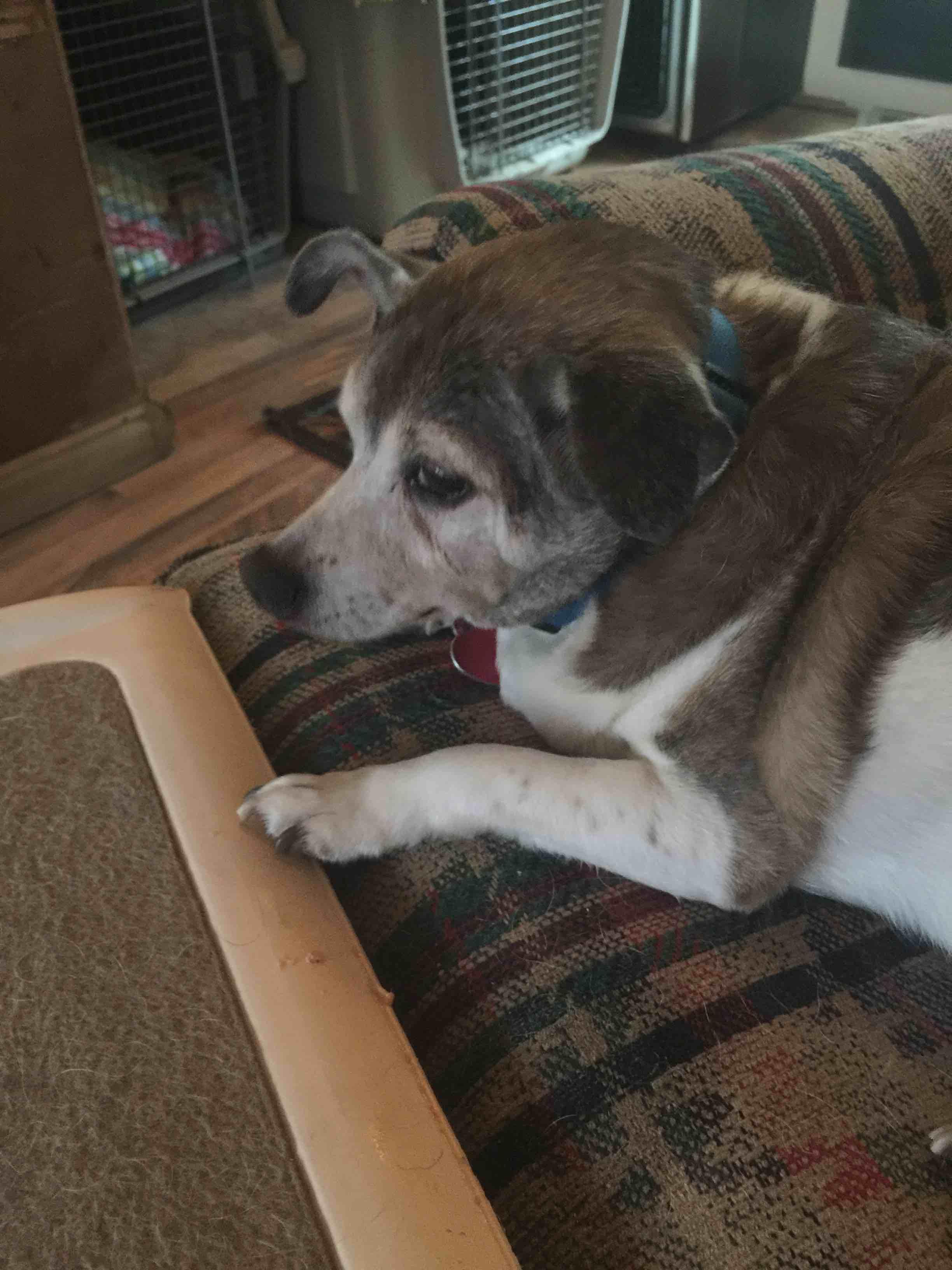
Pet's info: Dog | Mixed Breed Small (up to 22lb) | Male | neutered | 18 years and 7 months old | 16 lbs
My jack rat terrier for about a month or so has been hogging down water at the dish. He drinks so much that it makes him vomit and he’s loosing all of his good food and vitamins need to sustain a healthy diet as a senior. Why is he drinking so much water and y is he puking it all up plz help. He seems fine after he pukes.


2 Answers
Most Helpful Answer

Published on April 14th, 2018
Drinking excessively also means that he is Urinating a lot more. This is called Polydipsia and polyuria or PU PD. There are various reasons for PU PD and they need to be investigated by a veterinarian, especially in an old dog. Blood work can rule out any of those. 1) diabetes---a urinalysis and blood test will be able to rule it in or out. Diabetes is usually treated with diet and insulin. 2) Cushing's disease: This is an overproduction of cortisone, either signaled by a pituitary tumor in the brain or by a malfunction or tumor of the adrenal glands. Medication can inhibit cortisone production. A potbelly and thinning or haircoat and excessive panting are common signs as well. 3) Kidney disease, treated with diet and supportive treatment 4)diabetes insipidus, usually tested with a water deprivation test and treated with a medication called Minirin. You will need to make an appointment with your vet for an exam and blood tests. I am sure your vet will find the cause of the PU PD.

1Pet Parents found this answer helpful
Other Answers
-
Published on January 6th, 2017
Poor pup! It definitely sounds like she's ill for some reason - older dogs are prone to many chronic illnesses such as chronic kidney disease, diabetes, and Cushing's disease which can all cause increased drinking and sometimes vomiting and other symptoms. This problem may be quite treatable with medication, so I would really recommend having her examined by a vet before assuming that she's reached the end of her life - he/she can do blood work and urinalysis to help diagnose the problem and see if it is something that can be treated.
1Pet Parents found this answer helpful



Book an appointment with the pros – our expert vets are here to help.
