


Why is my dog constantly itching with pink skin and hair loss?
Updated On September 23rd, 2025
Pet's info: Dog | Mixed Breed Medium (23 - 60lb) | Male | unneutered | 1 year and 2 months old | 40 lbs
Dog itching a lot pink skin, hair loss mainly around face, arms, legs, and lower belly. But stops itching when being pet, or sleeping. What could it be?


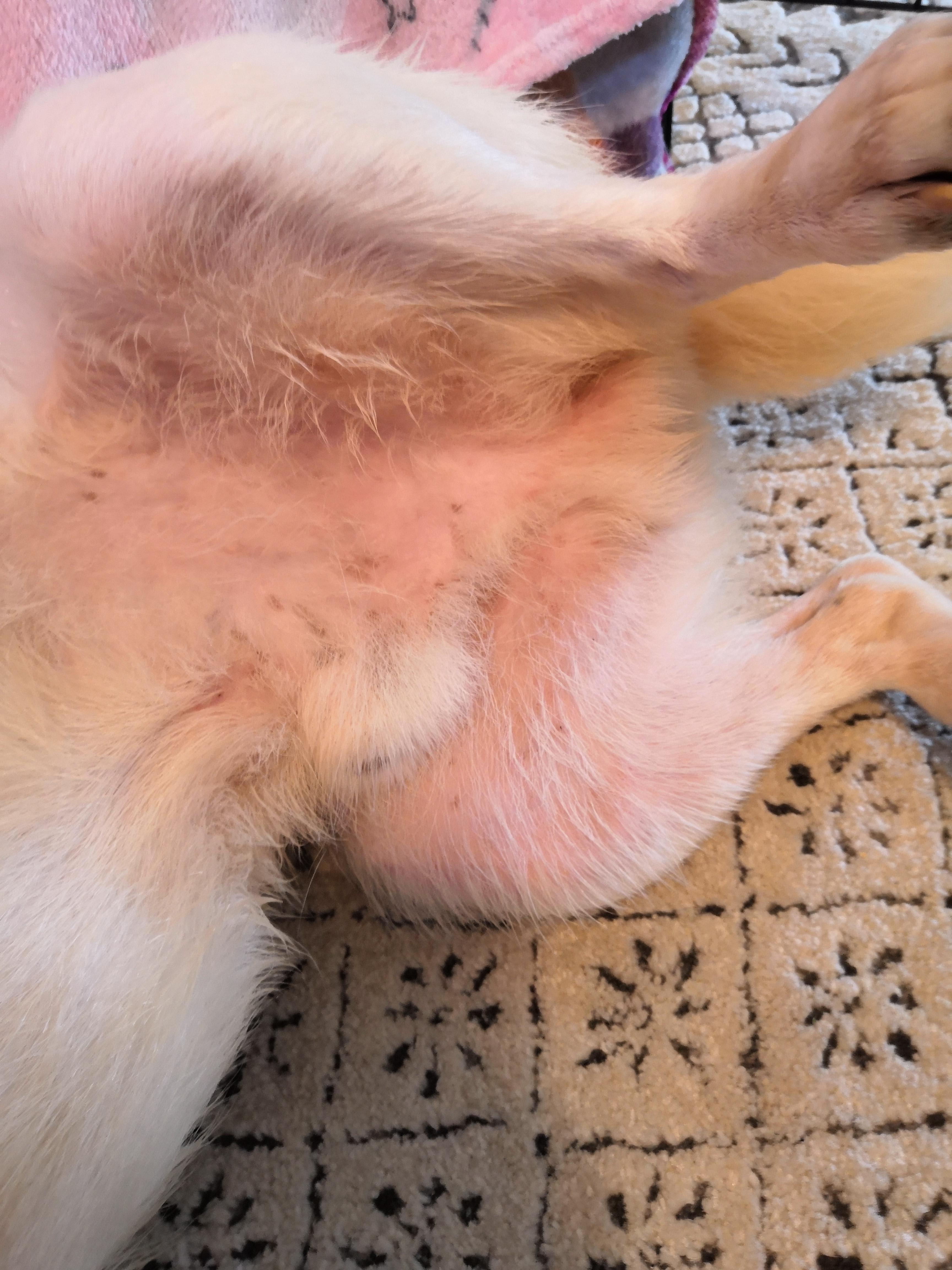
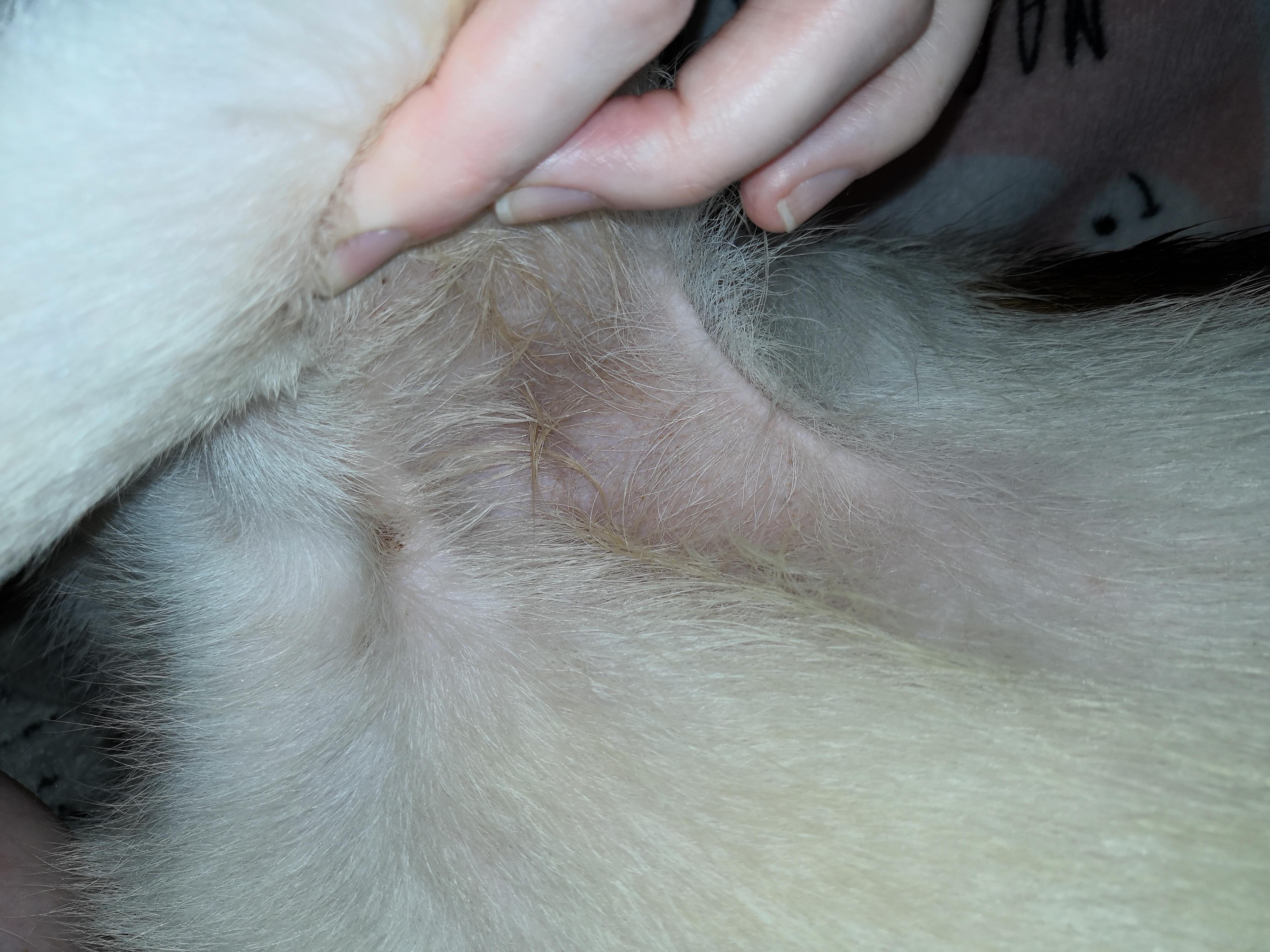
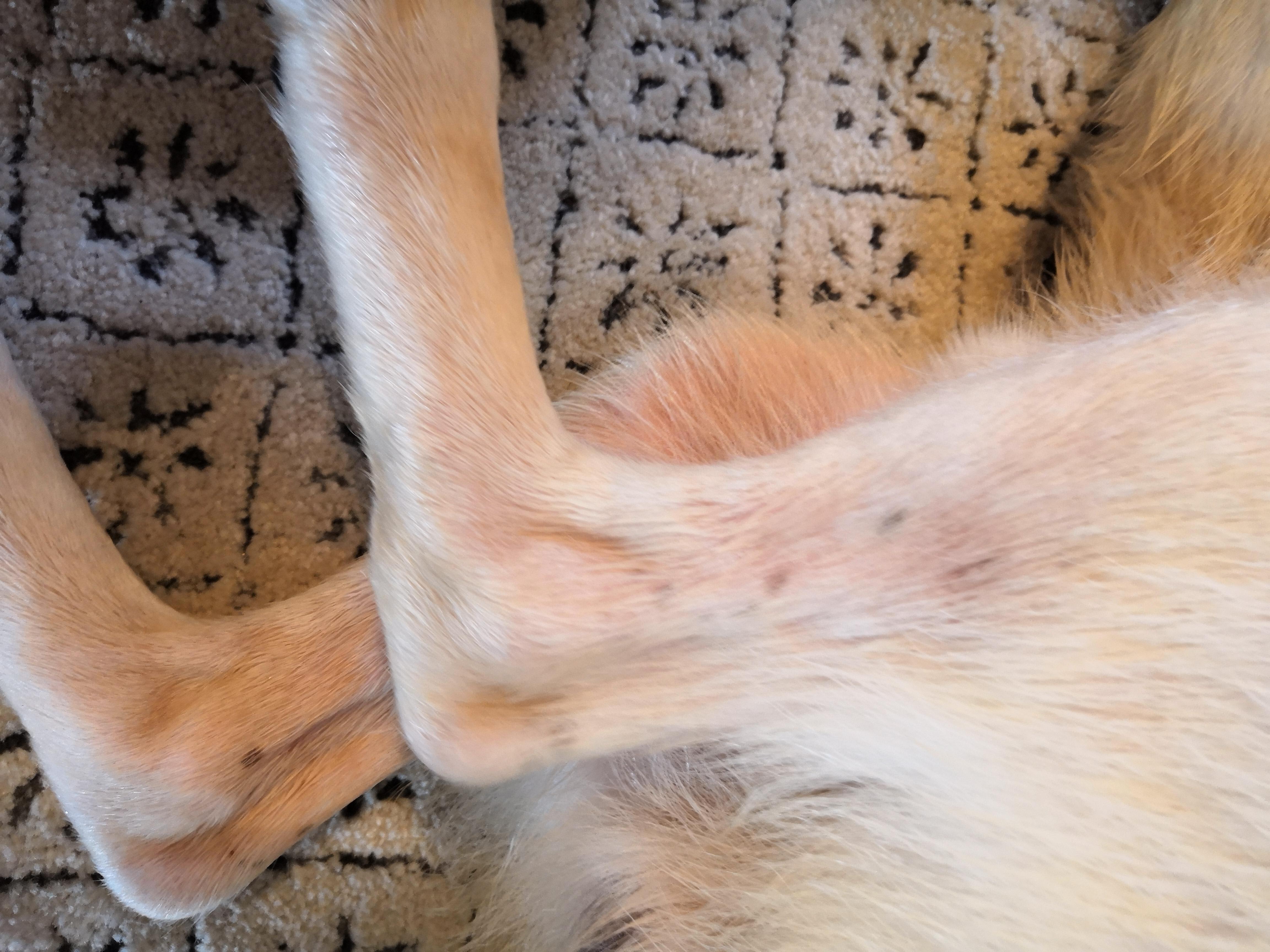
5 Answers
Most Helpful Answer

Published on July 22nd, 2019
Hi, and thanks for your question. This could be due to an allergy, although it could also be infection or mites. First of all, in order to rule out skin parasites, you will need to treat with a high quality flea treatment, then ask the vet to perform a skin scrape - this might reveal an infection or a mite infestation. If all of those came back negative, the next step is to treat the allergy symptomatically and try to discover the cause of the allergy. Three main type of allergies are usually affecting pets: food allergies, flea and parasite related ones and environmental type (allergens coming from trees, pollens, dust etc etc). Some medications can be given by the vet in order to repair any possible skin lesions (like steroids and antibiotics). Hope this answer was helpful, but please do not hesitate to contact us again on the forum or by requesting a consultation if you have any more questions or to discuss it any further. If this answer was helpful please let us know, this will be used to improve our service!

5Pet Parents found this answer helpful
Related Answers from Veterinarians
-
Published on August 25th, 2019
This is probably due to a severe allergy, although it could also be fleas or mites. First of all, in order to rule out skin parasites, you will need to treat her with a high quality flea treatment (e.g. advantage), then get her to the vet to perform a skin scrape - this might reveal an infection or a mite infestation. If all of those came back negative, the next step is to treat the allergy symptomatically and try discovering the cause of the allergy. Some medications can be given by the vet in order to repair the skin lesions (steroids and antibiotics). simultaneously you should start her on a prescription hypoallergenic diet for at least 2 months. Hopefully you will see some results after all this, if not you and your vet should consider putting her on a long term allergy treatment (Atopica or Apoquel).
1Pet Parents found this answer helpful
-
Published on May 16th, 2019
Hi, and thanks for your question. This could be due to an allergy, although it could also be infection or mites. First of all, in order to rule out skin parasites, you will need to treat with a high quality flea treatment, then ask the vet to perform a skin scrape - this might reveal an infection or a mite infestation. If all of those came back negative, the next step is to treat the allergy symptomatically and try to discover the cause of the allergy. Three main type of allergies are usually affecting pets: food allergies, flea and parasite related ones and environmental type (allergens coming from trees, pollens, dust etc etc). Some medications can be given by the vet in order to repair any possible skin lesions (like steroids and antibiotics). Hope this answer was helpful, but please do not hesitate to contact us again on the forum or by requesting a consultation if you have any more questions or to discuss it any further. If this answer was helpful please let us know, this will be used to improve our service!
2Pet Parents found this answer helpful
-
Published on June 27th, 2017
Scratching (pruritis) can be due to parasites (fleas, ticks or mice), bacterial or fungal skin infection (ringworm) or allergies. Your veterinarian will be able to perform a skin scrape and cytology to see which of these conditions is affecting Chicas skin. She will then be able to prescribe appropriate treatment (antiparasitic, antifungal, antibiotics or antiallergy) depending on the underlying cause for the itchiness.
1Pet Parents found this answer helpful
-
Published on March 5th, 2017
Itching due to mange will sometimes respond temporarily to steroids or antihistamines, so I'm afraid this really isn't a reliable indicator of what the problem is. Mange can diagnosed with a simple test called a skin scrape. If you're concerned, I would recommend taking Ally to your vet for an exam. He/she can do a skin scrape or other testing if needed to help determine if she does have mange or some other problem such as allergies, and make sure that she is being treated appropriately for her skin problem.
1Pet Parents found this answer helpful



hey , this is choco who is 50 days old male , i can can see visible pink color in between his hair he is shedding too much, scratching always too ! He has ticks and fleas I'm using a shampoo for him anti tick free shampoo, i have attached a pic of
A few days ago my dogs hair started shedding easily and down his spine and a spot on his side he is balding. He is always scratching and itching. I notice he shakes a little bit and his breath seems harder than normal.

Mypet dog Labrador is having some issue with his skin, hair loss, skin red coloured under neck, stomach etc, itching also consulted doctors aayi, lab tested they said no parasite, ivermetin injection, dermovet lotion, iodine glycerin solution, avil 2

Approx month ago hawk attempted to lift dog out of yard but too heavy. This observed through window. Resulted in missing patch of hair. Wk ago small patch missing by outer leg. Both healed. Yesterday he was fine. Today patches of missing hair all ove

Why does my dog scratch himself so much so bad is stomach and legs are red raw? And what can I do to stop it?
my dog is scratching and he is losing hair! there is no sign of active infection or fleas, no pyoderma or erythema. he is just scratching and losing hair in many spots

My dog has this rash in the creases of her back legs. Her belly sometimes gets a little pink to but this is the worst I've seen it & it making me worried.
The color of my dog skin is pinkish what's the reason and what should I do?
My dushhound has a extreme hairloss problem which we have treated with antibiotics and shampoo but she gets patches with sores. What can it be. Please help.
My dog has spots near the base of his tail and up his spine .. he bites a lot and scratches. . He is also losing his fur on his back legs . What is the problem . Thanks

Book an appointment with the pros – our expert vets are here to help.
