


My dog has bloody, watery diarrhea with mucus. What should I do?
Updated On September 23rd, 2025
Pet's info: Dog | Lhasa Apso | Male | neutered | 11 years and 7 months old | 25 lbs
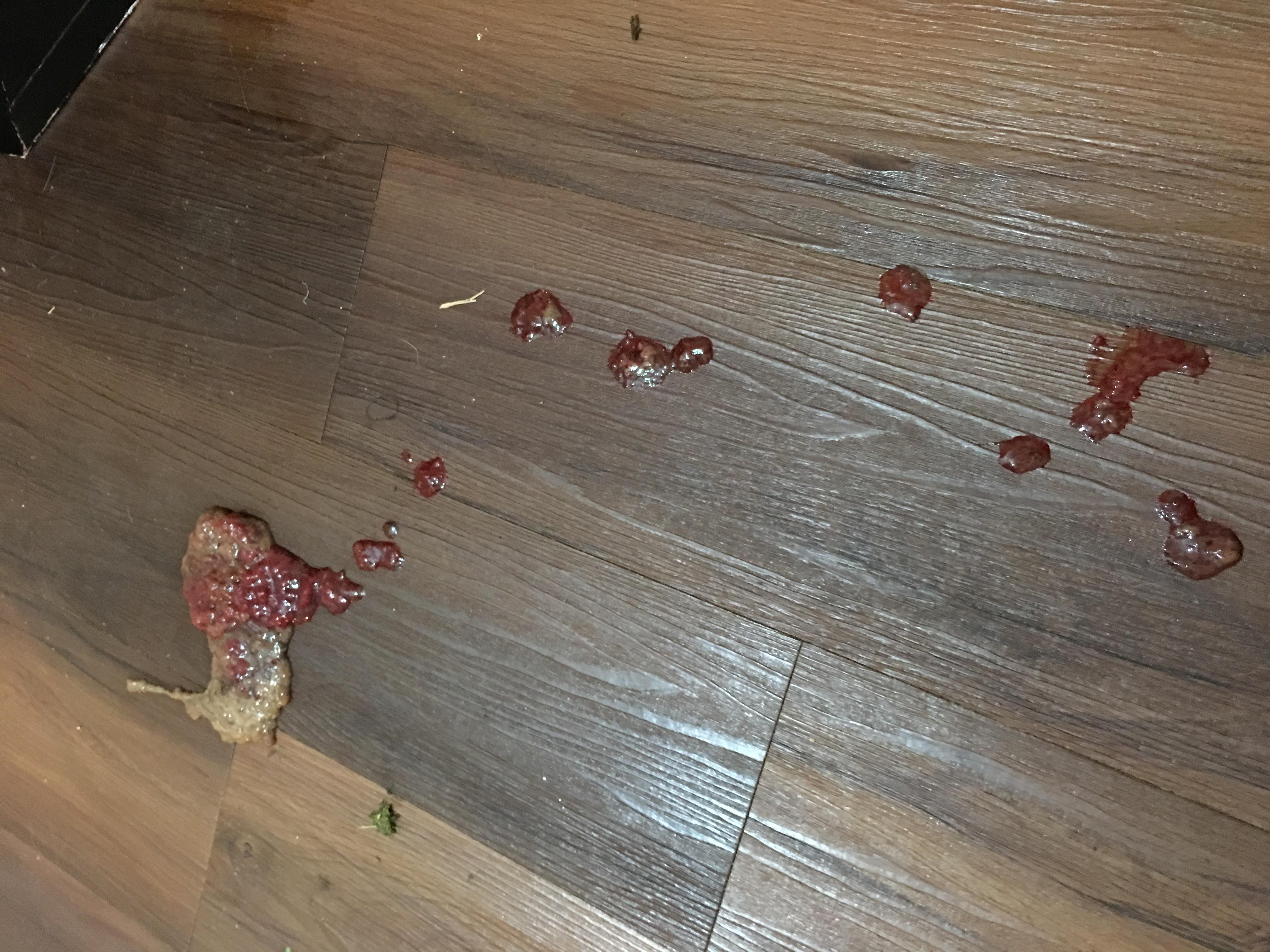
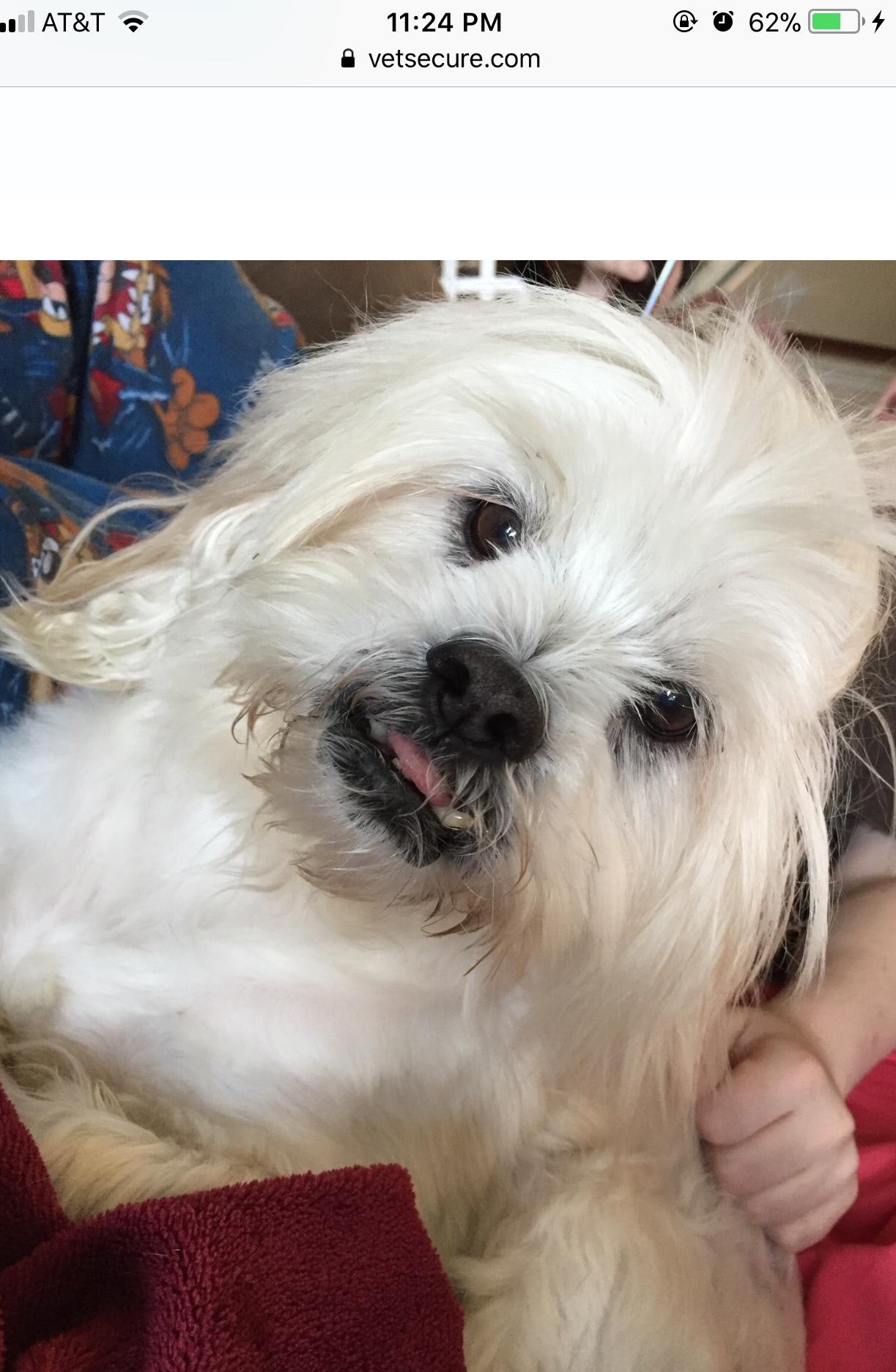
Hello, Chewy has had diarrhea off and on for about a week. He still eats and drinks like normal and plays and seems like nothings going on. I just walked down the hallway and the diarrhea is more liquidy and has large amounts of blood and mucus. What could cause it, how can i properly get a sample to take to the vet first thing in the morning, and what can I give for relief until then? I already gave 2 tsp pepto bismol about 30 mins ago and he weighs about 22lbs. thanks for your time! Worried!


4 Answers
Most Helpful Answer
Published on April 4th, 2018
Oh Goodness! I’m glad you posted the picture. Dogs with diarrhea like that can progress downhill very quickly. I would not wait until tomorrow morning. I would highly encourage you to have him evaluated by a veterinarian immediately. These dogs typically need fluid therapy, sometimes IV antibiotics, and usually probiotics as well. It is controversial about whether to use anti diarrhea medication because if there is a clostridium infection we don’t want to slow the gut down. Hopefully you are catching this before he gets really sick and he might be able to be treated as an outpatient. Best of luck and I hope he improves soon. Thank you for using Pet Coach.

1Pet Parents found this answer helpful
Other Answers
-
Published on November 15th, 2017
As last by as Winston is behaving normally, you can try withholding food for 24 hours. Allow small amounts of water or unflavored PediaLyte. Resume feeding a bland diet in small, frequent amounts. Begin with 1 tablespoon of food every hour and gradually increase the amount. Feed bland until the stool is normal then transition slowly to his regular diet. Monitor for vomiting, diarrhea, lethargy, loss of appetite or abdominal pain and see your veterinarian if necessary. If the stool takes on a raspberry jelly appearance, see your veterinarian.
2Pet Parents found this answer helpful
-
Published on January 18th, 2020
As long as Attila is behaving normally, you can try withholding food for 24 hours. Allow small amounts of water or unflavored PediaLyte. Resume feeding a bland diet in small, frequent amounts. Begin with a couple tablespoons of food every hour and gradually increase the amount if there is no vomiting. Feed bland until the stool is normal then transition slowly to the regular diet. If he develops lethargy, vomiting, persistent diarrhea, loss of appetite or abdominal pain, have him physically examined by your veterinarian.
1Pet Parents found this answer helpful
-
Published on June 2nd, 2019
As long as Ochi is eating, drinking and behaving normally otherwise, you can probably wait to have him seem by your veterinarian. You can withhold food for 12-24 hours. Allow small amounts of water or unflavored PediaLyte. Resume feeding a bland diet in small, frequent amounts until symptoms resolve. Transition slowly to the regular diet afterwards. Monitor for lethargy, vomiting, diarrhea, loss of appetite or abdominal pain. These are symptoms that should be addressed by your veterinarian right away.
2Pet Parents found this answer helpful


Book an appointment with the pros – our expert vets are here to help.
