


What causes my dog to lose hair around her eyes, ears, and mouth?
Updated On September 23rd, 2025
Pet's info: Dog | Mixed Breed Large (61lb +) | Female | unspayed | 50 lbs
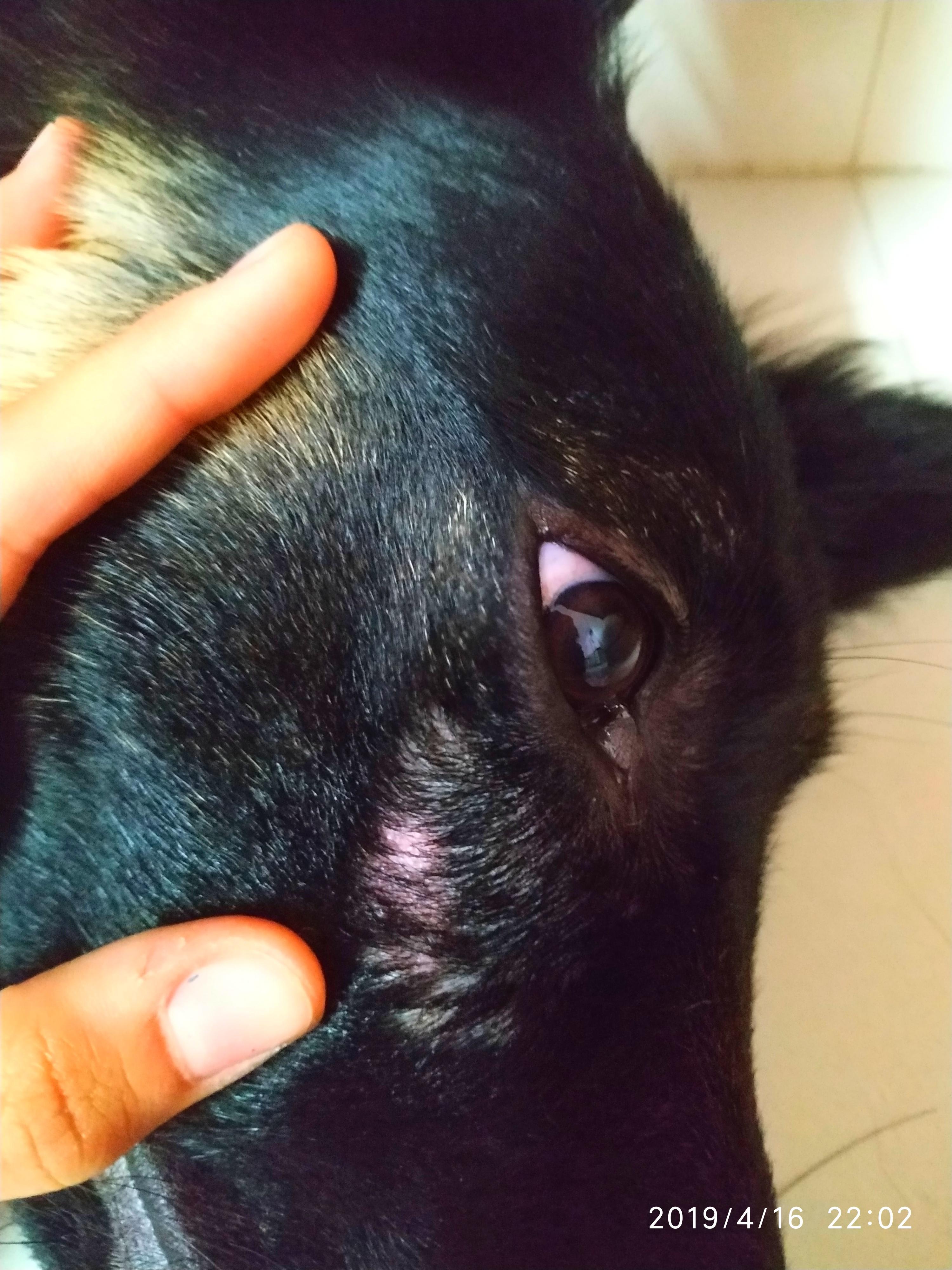
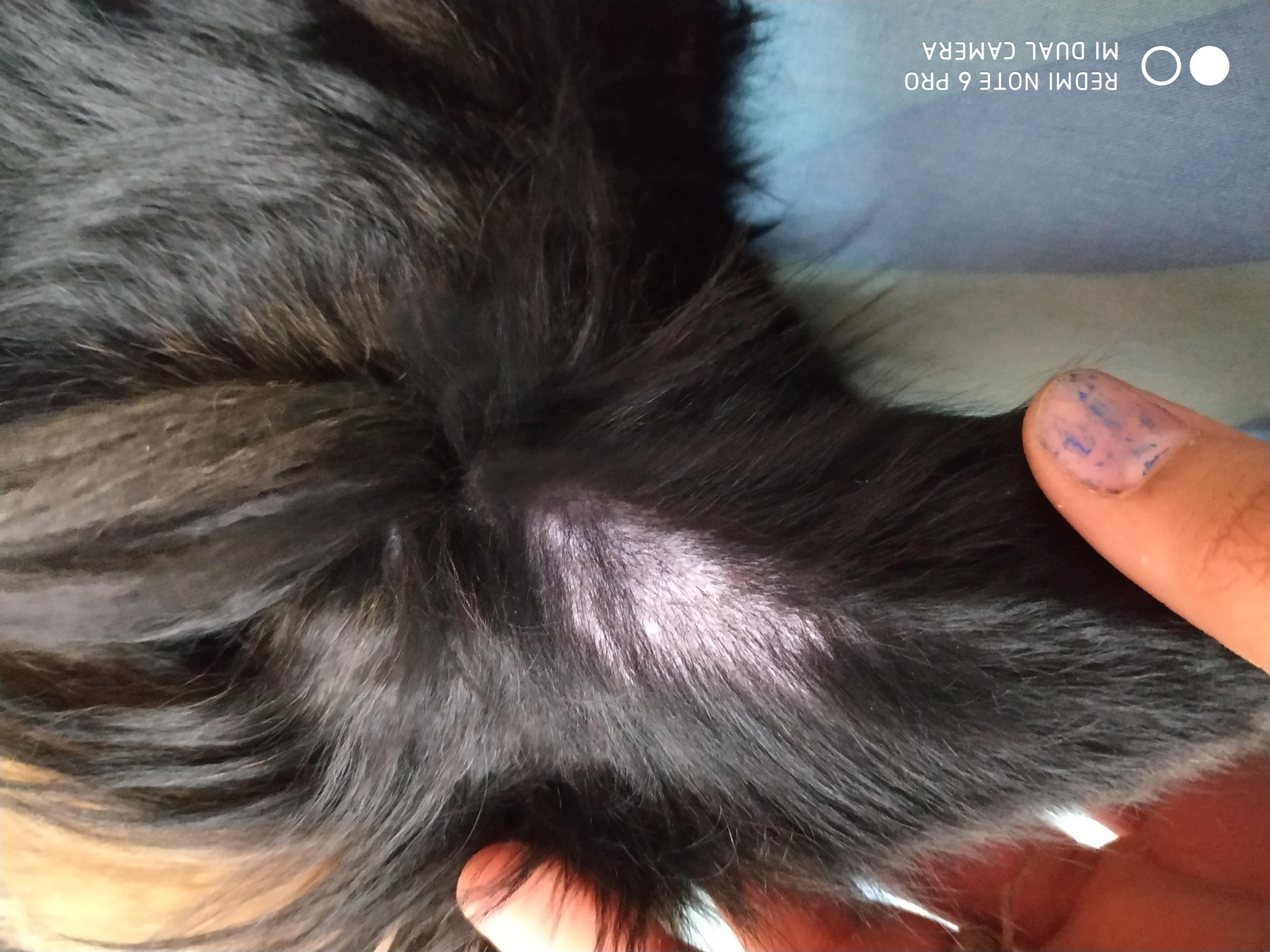
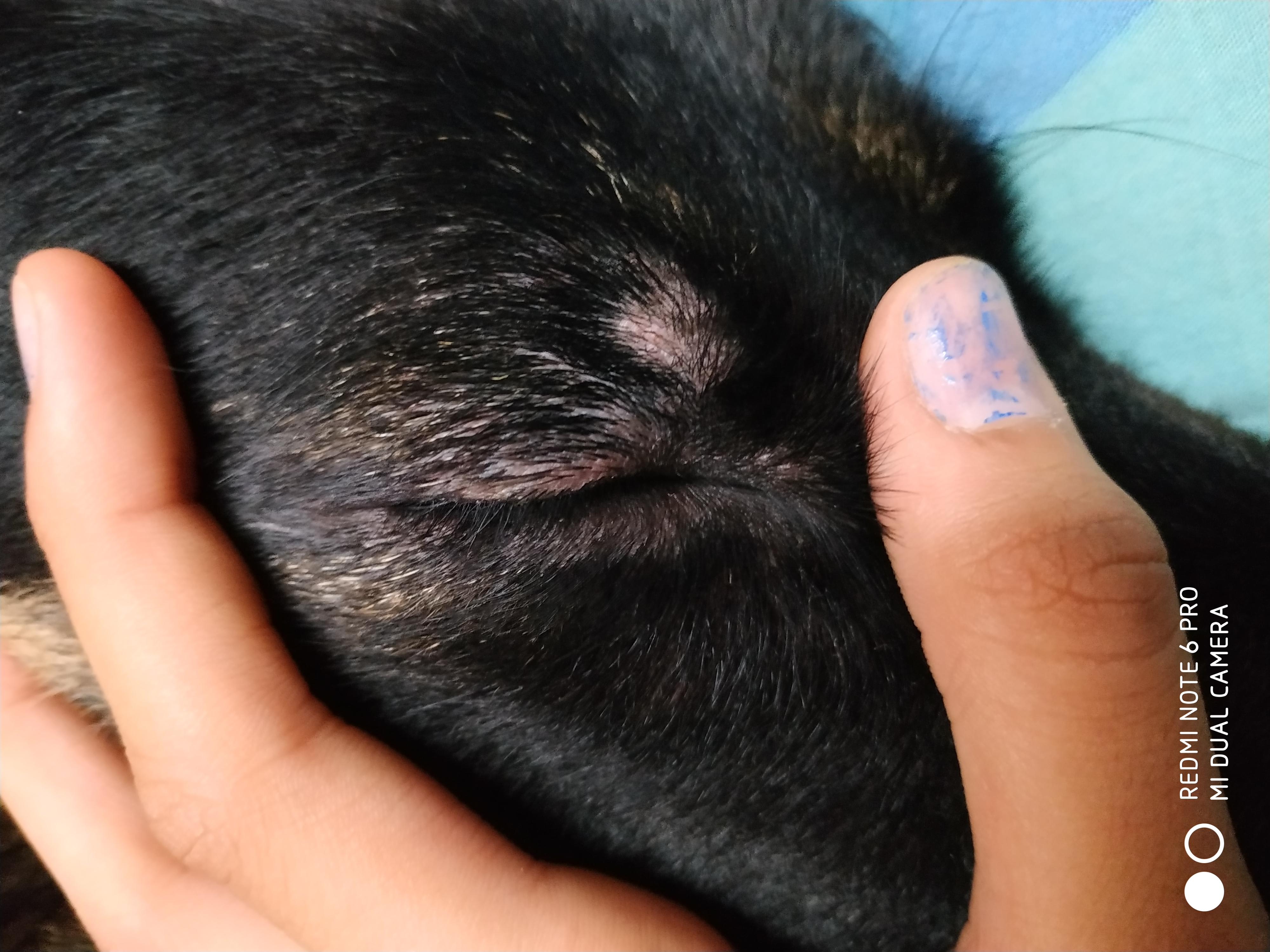
Dog is experiencing hair loss on eyes, ears and mouth


4 Answers
Most Helpful Answer

Published on April 16th, 2019
Hi, and thanks for your question. This could be due to an allergy, although it could also be infection or mites. First of all, in order to rule out skin parasites, you will need to treat with a high quality flea treatment, then ask the vet to perform a skin scrape - this might reveal an infection or a mite infestation. If all of those came back negative, the next step is to treat the allergy symptomatically and try to discover the cause of the allergy. Three main type of allergies are usually affecting pets: food allergies, flea and parasite related ones and environmental type (allergens coming from trees, pollens, dust etc etc). Some medications can be given by the vet in order to repair any possible skin lesions (like steroids and antibiotics). Hope this answer was helpful, but please do not hesitate to contact us again on the forum or by requesting a consultation if you have any more questions or to discuss it any further. If this answer was helpful please let us know, this will be used to improve our service!

4Pet Parents found this answer helpful
Other Answers
-
Published on April 3rd, 2017
Unfortunately most dogs with allergies don't have only food allergies - they have either environmental allergies or environmental allergies AND food allergies, so typically food isn't the only answer for these guys. If your vet has ruled out a flea infestation as well as demodectic mange (which is a common cause of hairloss around the eyes) I recommend discussing treatment for environmental allergies, including immunosuppresive drugs such as Apoquel, and supplements like fish oils.
1Pet Parents found this answer helpful
-
Published on June 29th, 2017
This is probably due to an allergy, although it could also be infection. First of all, in order to rule out skin parasites, you will need to treat with a high quality flea treatment (advocate or advantage), then ask the vet to perform a skin scrape - this might reveal an infection or a mite infestation. If all of those came back negative, the next step is to treat the allergy symptomatically and try to discover the cause of the allergy. Three main type of allergies are usually affecting pets: food allergies, flea and parasite related ones and environmental type (allergens coming from trees, pollens, dust etc etc). Some medications can be given by the vet in order to repair any possible skin lesions (like steroids, Apoquel and antibiotics). Diet seems to be the culprit in her case. I would recommend to have her started again on exclusion diet. Please do not hesitate to contact us again on the forum or by requesting a consultation if you have any more questions or to discuss it any further.
1Pet Parents found this answer helpful
-
Published on January 29th, 2018
Thanks for using Petco Pet Education Center, formerly Petcoach! This may in fact be due to allergies as you suggested. It really comes down to figuring out what is causing his allergies so that they can be treated or the specific allergen avoided. There are many things that can cause allergies though in most cases they can be broken down into 3 big categories: flea, food and environmental allergies. Allergies are usually worked up in a stepwise fashion starting with flea allergies as this is the easiest and cheapest to take care of. If not on a flea preventative, then it would be a good idea to get started on one. If already on one then it would be a good idea to change to something else (there are many new products out in the market). If not improved in 1-3 months then it is time to move on and check for food allergies by switching to a novel diet (new protein and new carbohydrate). If that does not seem to be the issue then you are left out having to check for environmental allergies which require blood and/or skin tests. Allergies can be very frustrating to deal with at first but so rewarding at the end when we are able to treat them effectively!
1Pet Parents found this answer helpful




Book an appointment with the pros – our expert vets are here to help.
