


My hamster's losing fur on its face with dry skin. What should I do?
Updated On September 23rd, 2025
Pet's info: Small Animal | Hamster | Female | unspayed | 1 year and 1 month old
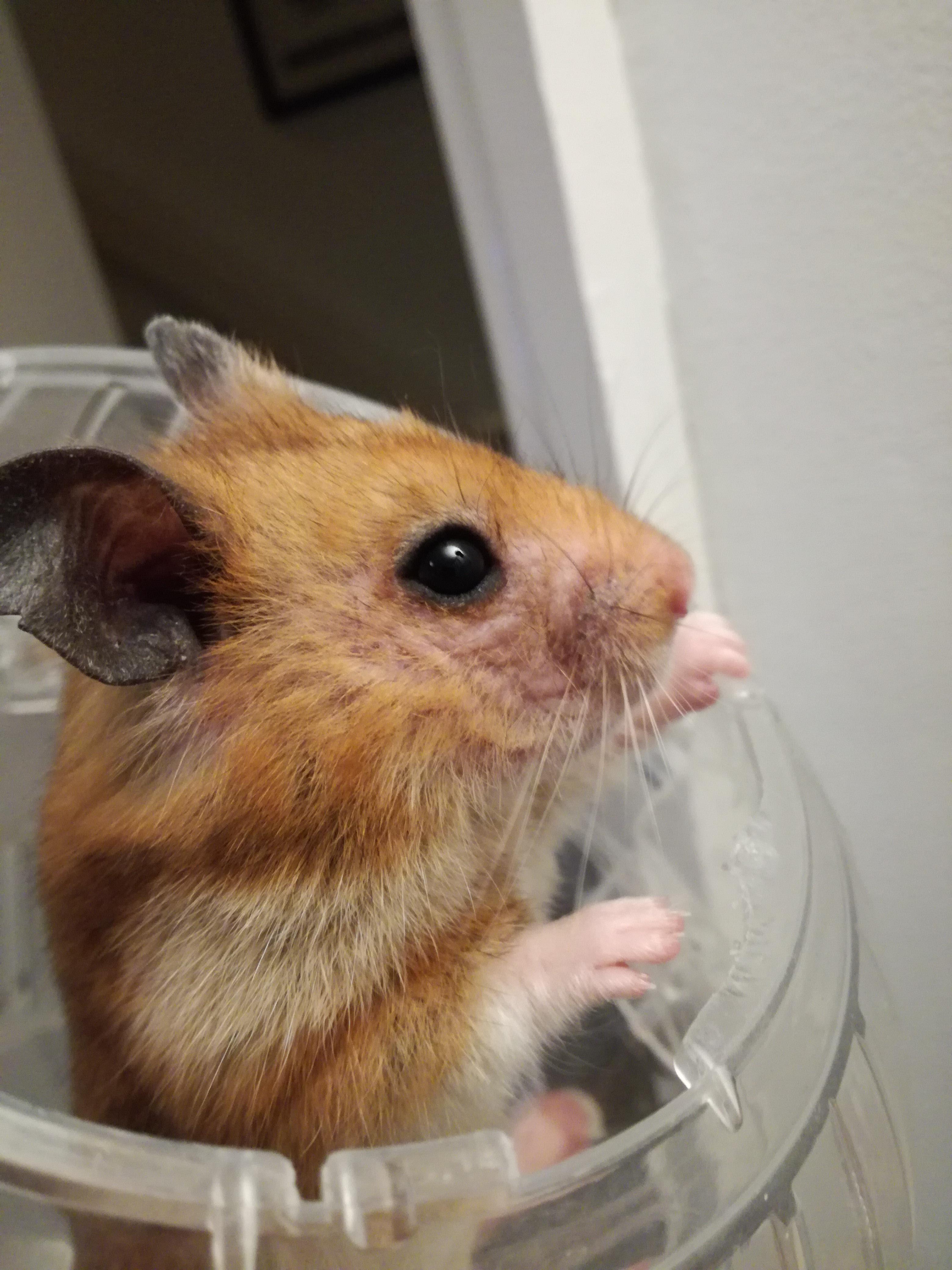
Our hamster has lost some of her fur on her face and the skin underneath looks quite dry but is not flaking. She is acting fine in herself, eating and drinking the same and has plenty of energy. No sickness/diarrhea either. She does itch herself against the side of her cage sometimes but no more than normal, she has done this since we got her (March 2018). The only change in her diet recently is that we gave her some peanuts. Any idea what this could be and how do we treat it? Thanks, Naomi.


2 Answers
Most Helpful Answer

Published on February 20th, 2019
Thanks for reaching out about Penelope and including a photo. The skin appears inflamed, causes of which could be parasites (mites), bacterial, fungal (ringworm) or a contact allergy. A veterinary visit is recommended to check for mites and ringworm, and thereby prescribe the appropriate medication. Good luck.

1Pet Parents found this answer helpful
Other Answers
-
Published on November 27th, 2018
Hi, and thanks for your question. This could be due to an allergy, although it could also be infection or mites. First of all, in order to rule out skin parasites, you will need to ask the vet to perform a skin scrape - this might reveal an infection or a mite infestation. If all of those came back negative, the next step is to treat the allergy symptomatically and try to discover the cause of the allergy. Three main type of allergies are usually affecting pets: food allergies, flea and parasite related ones and environmental type (allergens coming from trees, pollens, dust etc etc). Some medications can be given by the vet in order to repair any possible skin lesions (like steroids and antibiotics). Hope this answer was helpful, but please do not hesitate to contact us again on the forum or by requesting a consultation if you have any more questions or to discuss it any further. Please find the time to give us a feedback about the consultation as that will be used to improve our service.
1Pet Parents found this answer helpful


Book an appointment with the pros – our expert vets are here to help.
