


My cat was exposed to mold. What health symptoms should I watch for?
Updated On September 23rd, 2025
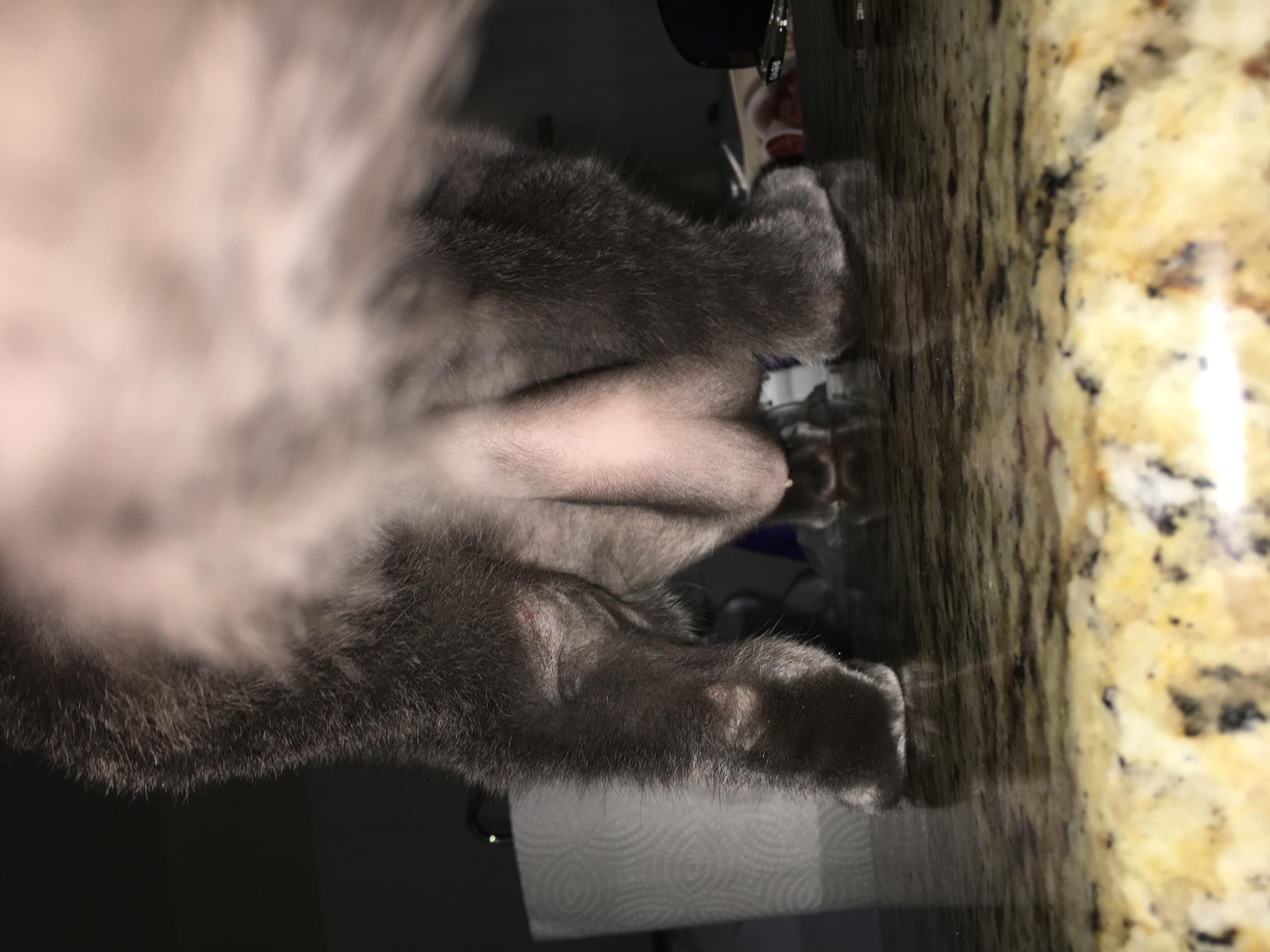
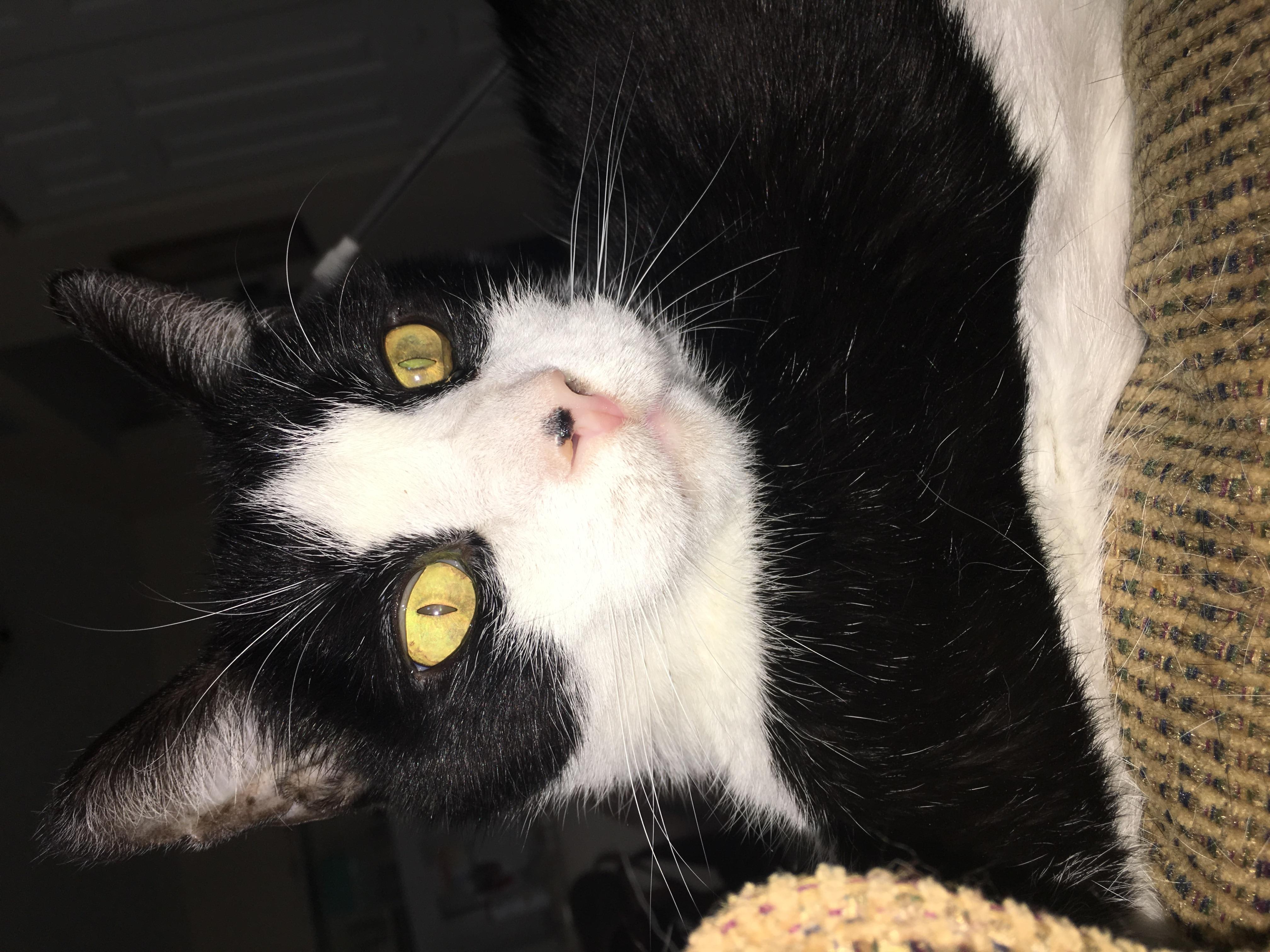
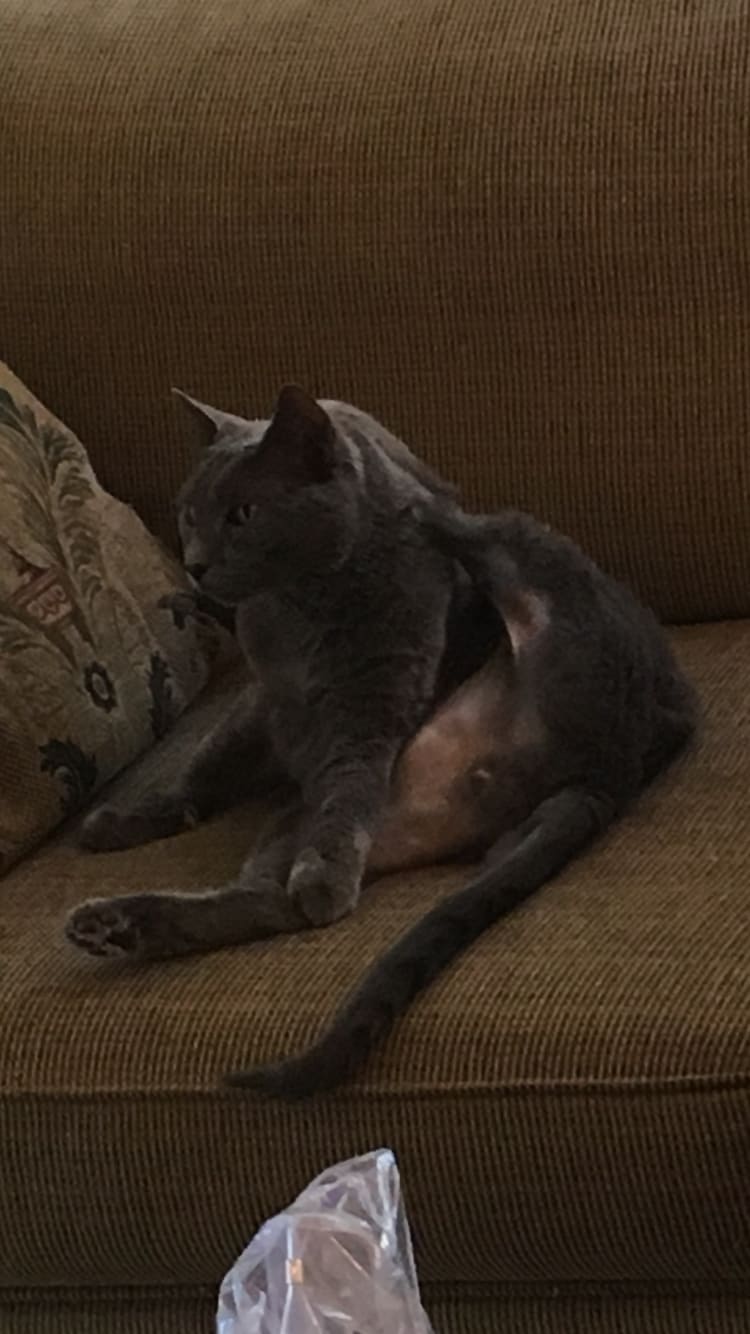
Pet's info: Cat | Mixed Breed | Male | neutered | 11 years and 3 months old | 10 lbs
My cats have been exposed to Aspergillus & Penicillium in our home for 3 months. We found out only recently, when it sent us (humans) to the ER & are moving this week. They show some symptoms of aspergillosis, fungal toxicity, etc. but vet we saw dismissed them as symptoms of anxiety. Questions: 1. What health issues could the exposure cause? 2. What tests should be conducted? 3. Is 3 months considered long term/serious? Our cats are otherwise pretty healthy. 4. What can I lookout for? Thanks!


1 Answer
Most Helpful Answer

Published on July 17th, 2018
Cats are pretty resistant to aspergillosis so you probably don’t have to worry. Nasal aspergillosis causes nasal discharge, enlarged lymph nodes and lethargy/decreased appetite. Systemic aspergillosis really only occurs in immunocompromised cats so if your cats are healthy there is minimal concern. Systemic/disseminated aspergillosis causes decreased appetite, lethargy, GI signs, and fever. Cats are typically very sick with either form. Aspergillosis is everywhere in the environment so 3 months of potential exposure wouldn’t be too concerning - they may be exposed again at some point. Testing is difficult for the same reason and ultimately a CT scan, scoping and biopsy is usually needed for diagnosis. I would simply watch for thick nasal discharge and contact your vet if noted.

1Pet Parents found this answer helpful

Hello, I had a mold problem in the apartment for the last 5 years on winters. I did clean the mold every time it shows and ventilate the room. I wonder if it can has any effect on my cat? In the long term? She never showed any signs related to it (sh

My cat was just exposed to an aerosol fogging indoors. Label says it can be toxic to pets, what symptoms should I look for

My pet has noisy breathe and conjunctivitis. I suspect that he has aspergillosis. How can I treat it? Vet said I must use itracozanole. How long must I use it? And how?
My cat went outside today and sniffed some debris from my oak tree up! It stuck to his nose and he shook it off and then sneezed/coughed. Can this cause pneumonia from aspiration in him? I’m concerned because he doesn’t go outside normally and I don’
My cat Snowy has seasonal allergies but I believe she has a bad cold. Sneezing, coughing clear discharge from eyes and nose when she sneezes. Is it necessary to get her to our vet or allow it to run its course as long as discharge isn't yellow or gre

I found a stray with real bad conjuctivitis and I made sure to keep it secluded from my cat. I also made sure to thoroughly wash my hands after every time I came into contact with it but my cat rubbed her nose up on the carrier after the cat was gone
hello. I live in a house with two smokers. Last night couple of friends came over & they all smoked alot. Noushi loves being around human & she was there. What are the symptoms I can tell she's sick lung wise ?
Can aspergillosis lead to optic neuritis in cats? What protozoa infections and fungal infections can lead to optic neuritis in cats besides toxoplasmosis and cryptococcosis?
He sneezes three or four times a day. Has NO discharge from nose and has ample energy. His appetite is ok one day and low another. Does he have a cold? Should I take him to vet? This has been going on for about 5 days now with no change.

My cat started sneezing multiple times a day just over a month ago, but there is no discharge, nasal growth, he eats and drinks as normal and still annoyingly cuddly. (So no change). He's also an indoor cat. I have been packing due to the two of us

Book an appointment with the pros – our expert vets are here to help.
