


My bird has a crusty nose, wheezes, and sneezes. What should I do?
Updated On September 23rd, 2025
Pet's info: Bird | Unknown - Bird | Female | unspayed | 1lb
My bird Luna has what looks like a white crust in her nose, her nose also whistles when she breathes and you can hear a slight wheezing too. She sneezes a lot after excersise and I don’t know what to do. I have absolutely no avian vets where I live and nobody to come look at her, is there anything I can do to help her out of this situation?


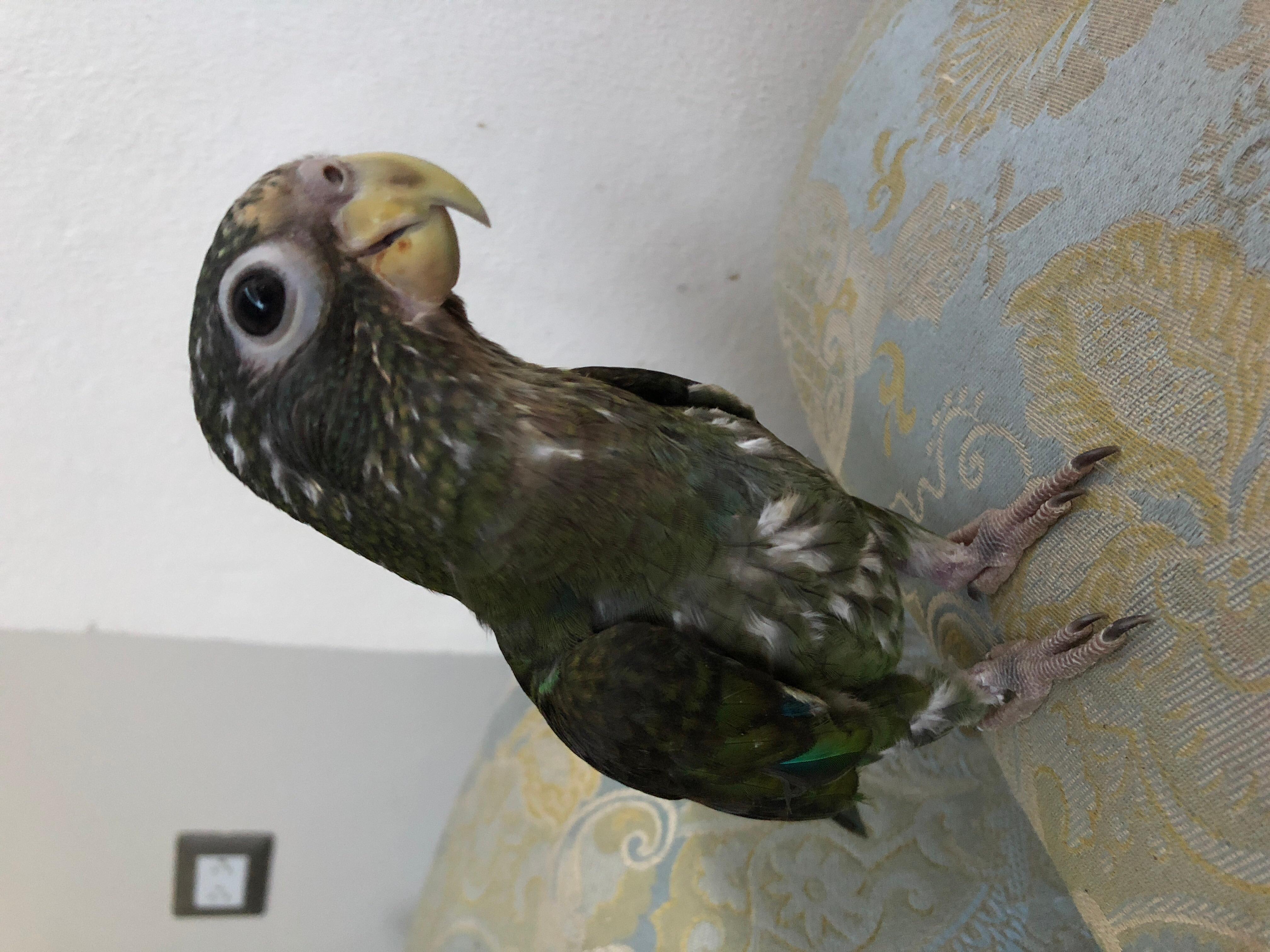
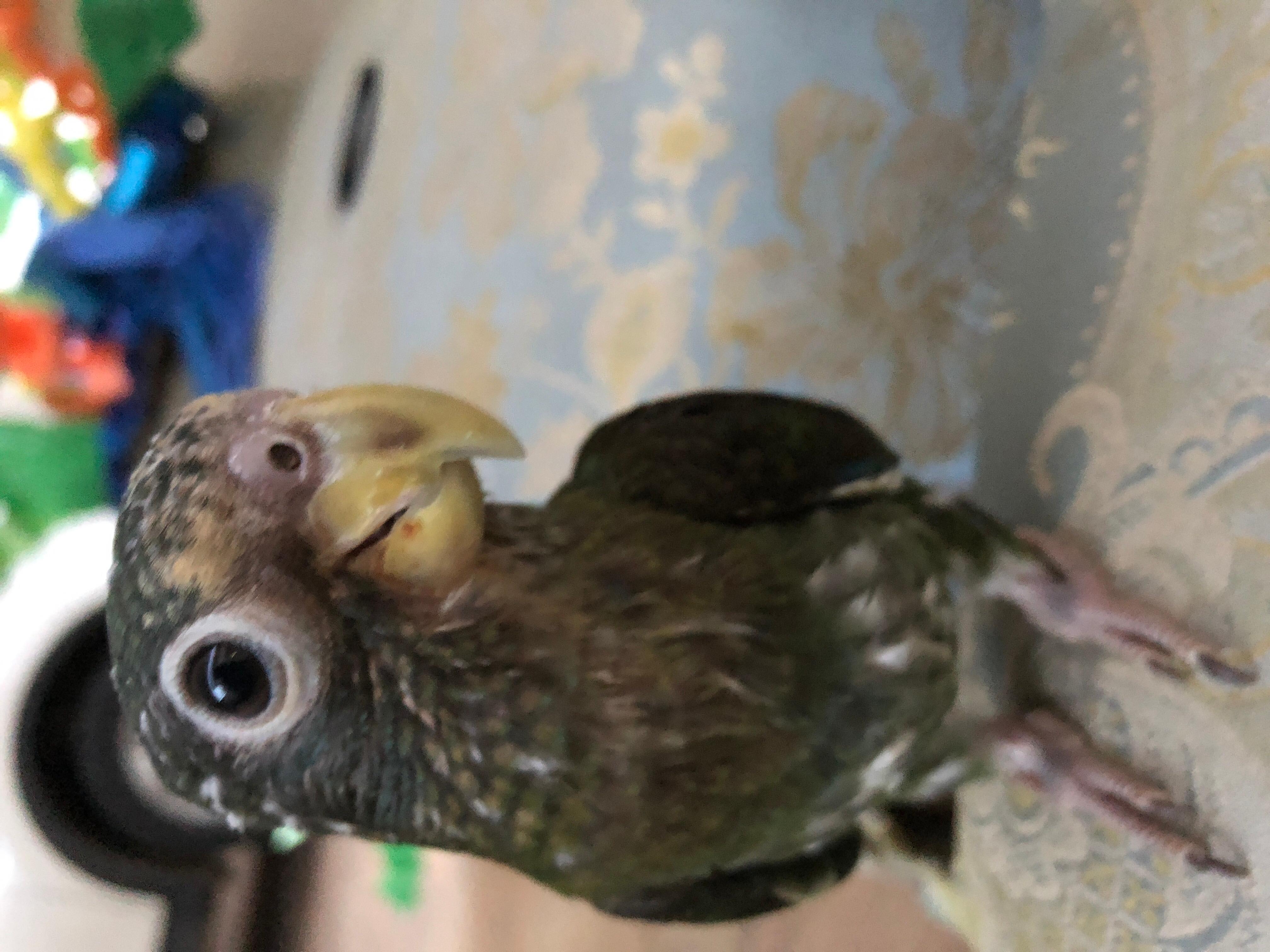
1 Answer
Most Helpful Answer

Published on June 27th, 2018
The signs that you are describing are consistent with material in her upper airways (i.e. her nose). This material may be just be normal build up that can occur over time, or it could be due to an underlying infection. To help with this at home, you can try giving her baths, as this may moisten up the material to make it easier for her to get out. Baths can be provided by taking her into the bathroom with you while you take a steaming shower, or you can mist her with a spray bottle (don't spray her directly, just spray over the top of her and let the water droplets fall on her like rain). I didn't see you mention how old she was, but sometimes it is harder for older birds to expel material from their noses because of decreased mobility in their legs/feet. They use their toes to "pick" their noses, so if they have arthritis or another reason for a decrease in mobility, this can be hard for them. If this doesn't not improve the situation, or if you notice a decrease in activity, appetite, or weight, I would recommend taking Luna to a veterinarian. To monitor her weight at home, you can purchase a digital gram scale (found in the kitchen section of most department stores) - weigh her every other day to every day if possible. At the veterinarian, they would perform an examination of Luna, and could collect some of the material to evaluate under the microscope to look for abnormal cells or excessive bacteria. They may also flush her nose and collect that material to look for any possible infections. Please do not try to flush her nose on your own at home, as you may risk drowning her. Depending on what is found, your veterinarian may prescribe antibiotics or anti-inflammatories as well. Please do not give Luna any human medications, as many of these can be harmful to our feathered friends. For options for veterinary clinics, there appear to be some that state that they see birds in the Austin area, so that may be an option for you? You can also find avian veterinarians in your area by using the AAV website. I hope that gives you a place to start!

1Pet Parents found this answer helpful

For the past month, my bird has had wet sneezes maybe once a couple weeks. His nares get a little red, and he sneezes, but thats it. However, twice now I’ve noticed there was a smell from his nares. (Once two weeks ago and then today). it looks like
My birds nose whistles when he breathes and he constantly sneezes and he breathes deeper than normal, and after excersize he seems to have trouble breathing. I don’t have a vet where I live, what can I do to help him?
Hello I have a green check conure and she's been having wet sneezes for about 6months (I took her to the vet twice when it first started and they said she seemed fine) also I've noticed some of her poop be really dark also I'm not sure if she's tail

Hello, i just wanna ask how do i know if my lovebird is sick? Shes been sneezing and wheezling a lot and is making noises with her mouth I don’t know what to do do i take her to a vet or something? I think it’s because of the weather changing to wint
My lovebird has rough and red nostrils, it started getting rough now its red. He also seems to be very lazy.
Our yellow-nape amazon has what we think is a clogged nare. We have been trying to gently flush what we think is a combination of food, dust, dander from her left (nostril) nare. Do you have any recommendations or suggestions? Thank you.
My cockatiel has some black stuff around her left nostril. It's been there for less than a week, and I'm not sure what it is. Do you think it's a sign of illness?
I have a parakeet named Sprite who is 6 yrs. old. Two days ago he began sneezing

My parakeet has a brownish wet lookung stain above his nostrils and seems to breath harder
Cosmo has a thin layer of crust on his nose almost like dried mucus and he sneezes more than usual what could this mean? Should he see a vet? He's been sneezing like this since I got him.

Book an appointment with the pros – our expert vets are here to help.
