


Bearded dragon laid eggs. Is eating them safe? Is she egg bound?
Updated On September 23rd, 2025
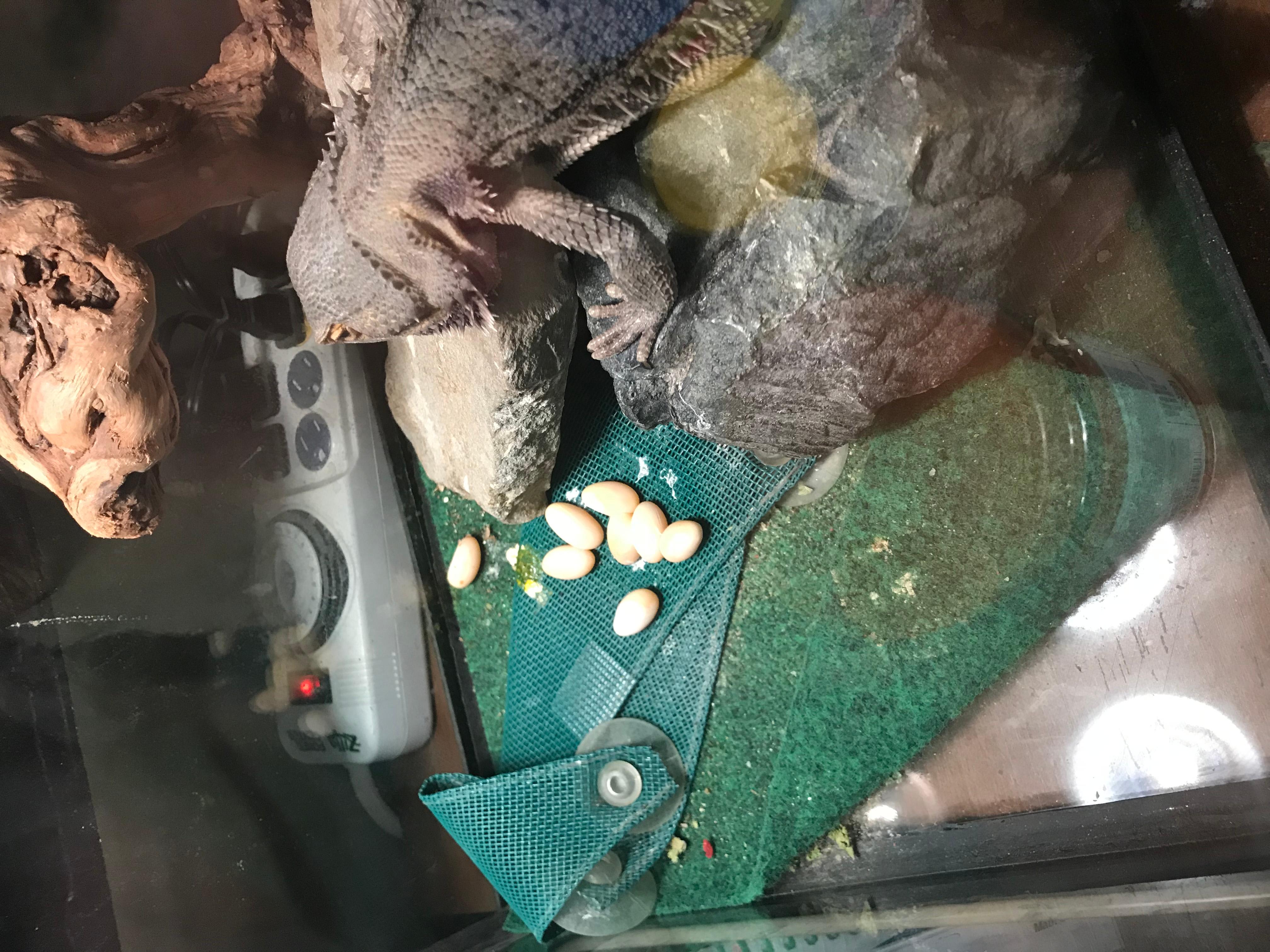
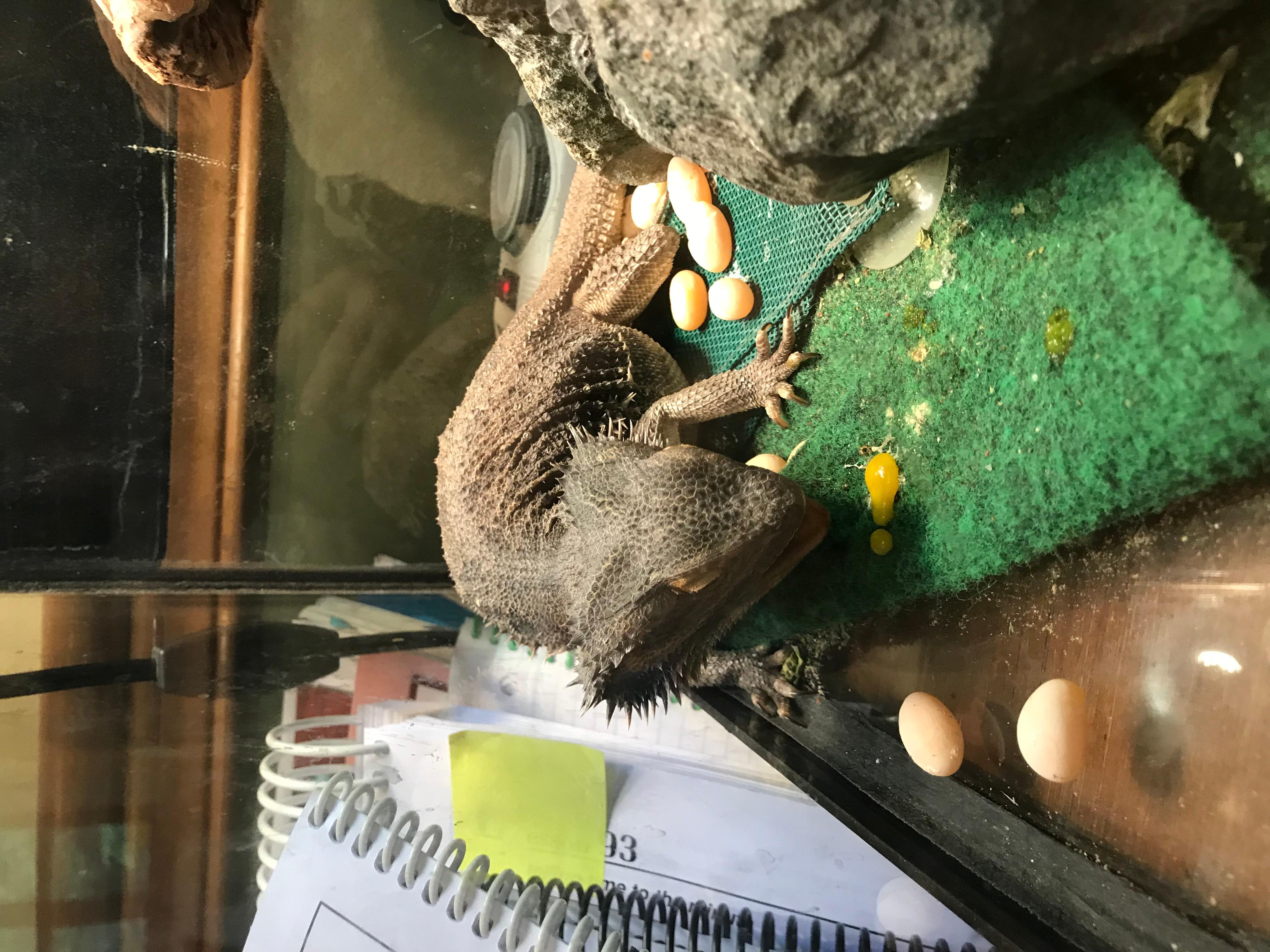
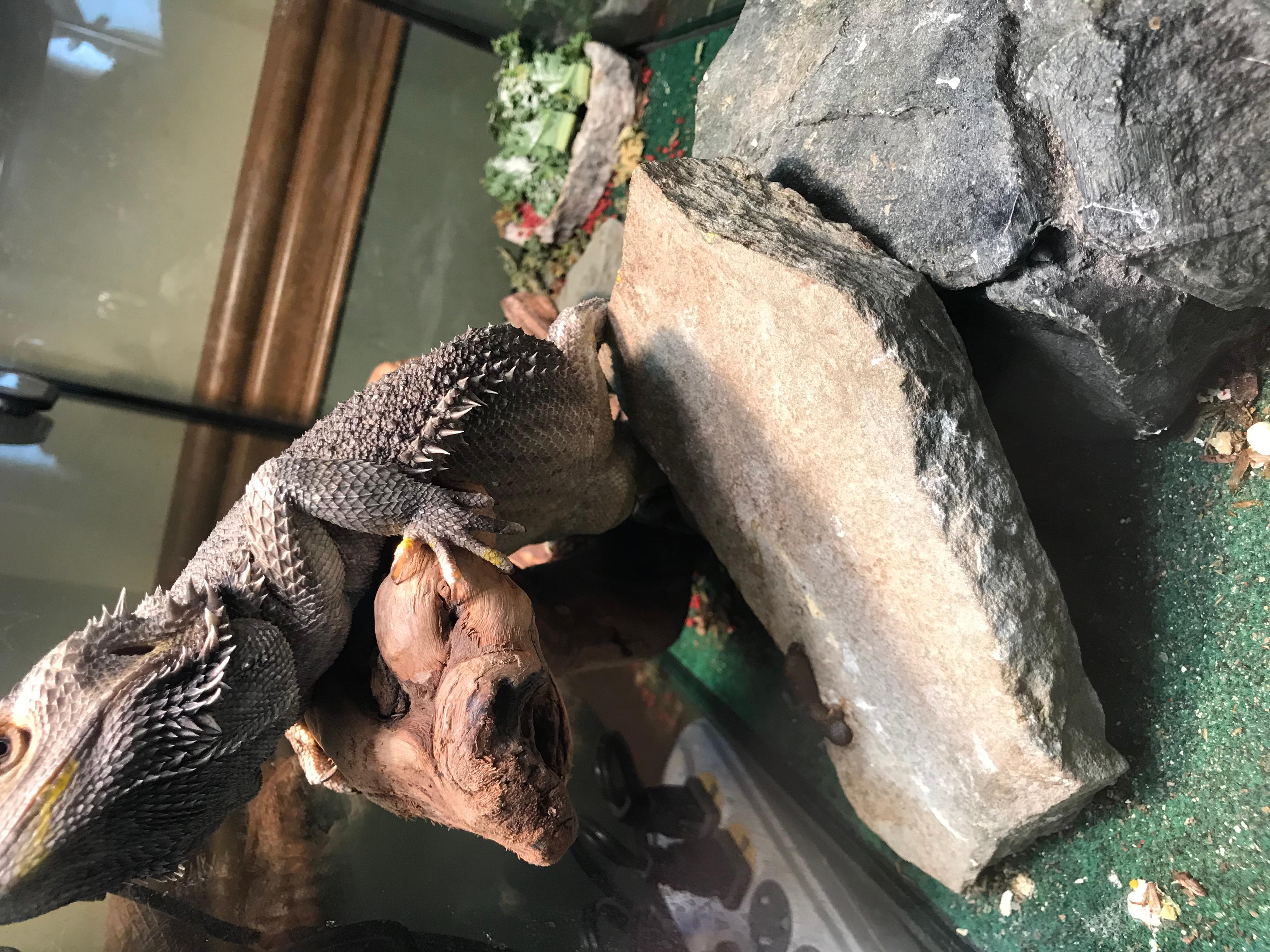
Our bearded dragon just laid her first clutch of eggs. Prior to this we thought she was a He because she’s about 2.5 years old with no signs of laying eggs. She laid about 17-20 eggs and ate a few of them. My questions are: will eating the eggs hurt her? And how do we know she’s done laying and not egg bound? Please note: we didn’t have a lay box because we had no idea this was going to happen or what was going on when she began acting differently (refusing food and glass dancing)


2 Answers
Most Helpful Answer

Published on May 29th, 2018
A few eggs eaten likely will cause her no harm. Clutch size varies by age and health of the dragon. Average is 16 to 24. Since it doesn't sound like she was mated, you can discard the eggs. Increase her calcium and protein supplementation to build up her reserves. Egg laying can take quite a toll on a beardie. She may lay again, or not. It is difficult to say without a physical exam. Females that are bred can lay 3 clutches per breeding season. If she is preparing another clutch, you will see her get bigger and you may be able to feel the eggs through her abdominal wall as she nears time for laying again. Provide a lay box for her to deposit her eggs. Use a plastic container filled with several inches of moist sand for her dig a hole and deposit her eggs.

1Pet Parents found this answer helpful
Related Answers from Veterinarians
-
Published on April 10th, 2018
The average clutch size is 12 to 20 eggs. If she was malnourished prior to laying, the number could be less. The only way to determine if she is truly egg bound would be to have her examined by your veterinarian or a vet experienced in treating reptiles. In the meantime, adjust her diet to include more calcium and vitamin D3. Soak her in a warm 50/50 solution of water and unflavored PediaLyte to maintain hydration. To encourage laying, be sure the lay box is large and contains at least 2-3 feet of substrate so she can dig.
2Pet Parents found this answer helpful


Book an appointment with the pros – our expert vets are here to help.
