


My senior dog has kidney/liver failure, vomiting blood. Can he live?
Updated On September 23rd, 2025
Pet's info: Dog | American Eskimo Dog | Male | 9 years and 7 months old | 28 lbs
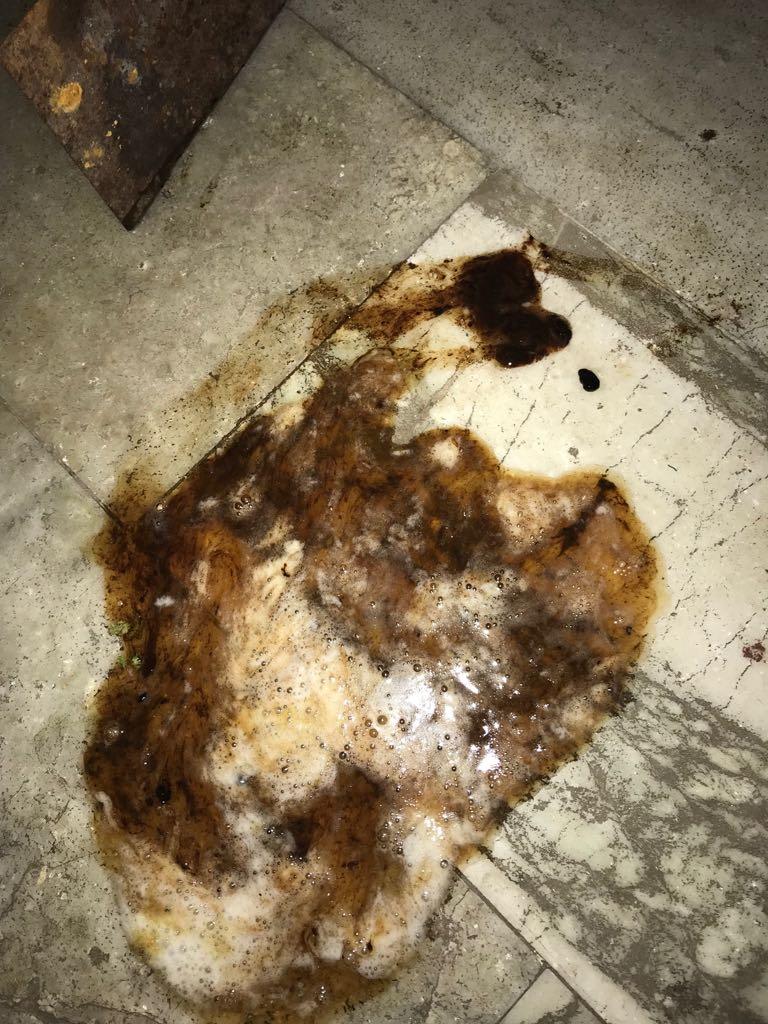
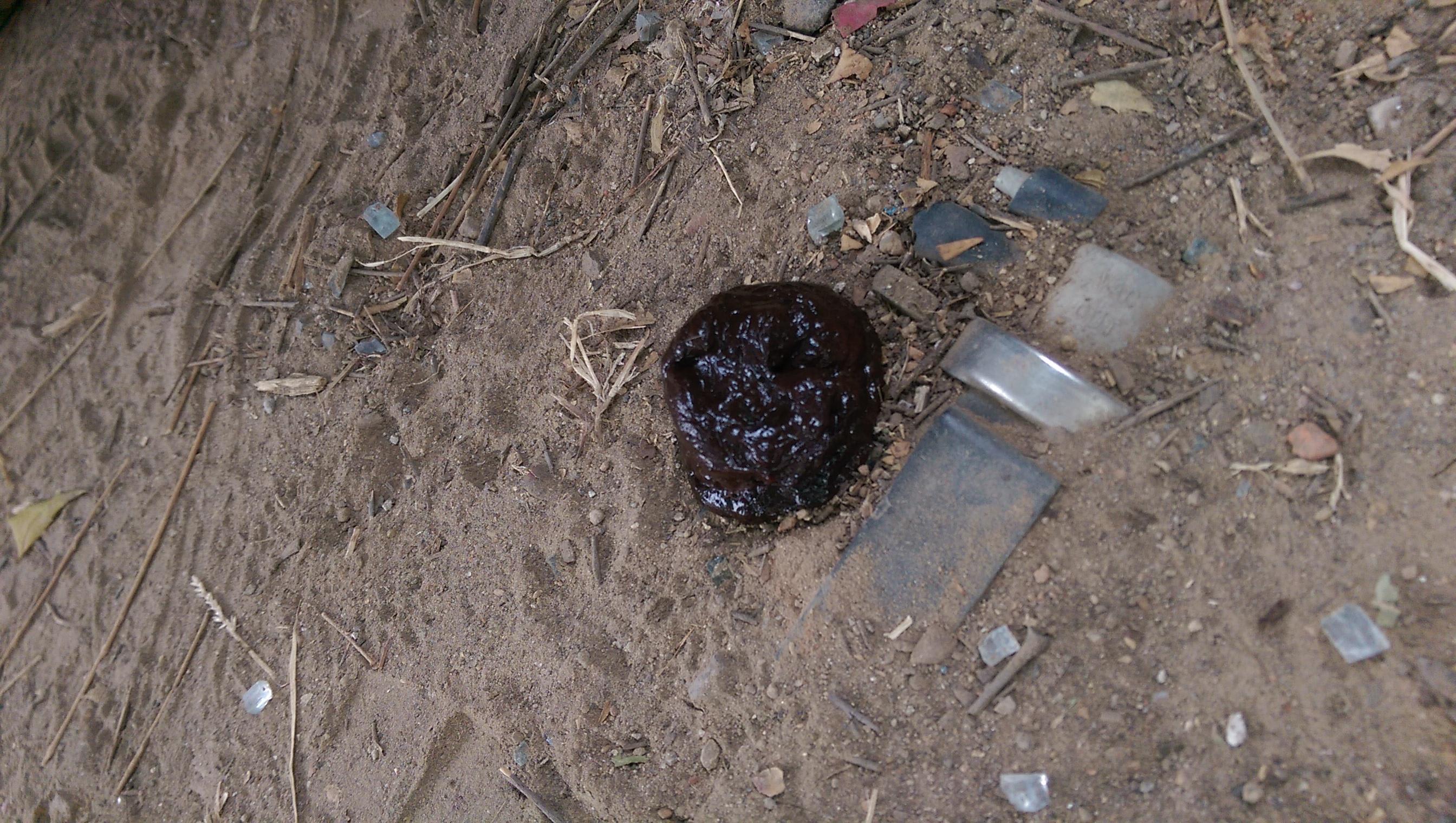
I have a 10yr old amarican eskimo. 15 days ago he suddenly stopped urinating and when i took him to the doctor, he catheterize him and he started urinating properly,but now he has stopped eating nd is vomiting from last 10 days. I can now see blood clotes in his vomit from last 3 days nd yesterday it was dark brownish coloured with blood clotes.Doctor said he has severe problem in his kindey and liver and can survive only a week.also his hemoglobin is 6.5. Can i save my dog.? Please answer.



1 Answer
Most Helpful Answer

Published on January 27th, 2018
Poor Bruno! I can see the brown material in his vomit and the very dark stool, which is likely digested blood. This happens because acids build up in the blood when they are not filtered by the kidneys, these acids are very caustic to the tissues of the stomach, and result in ulcers, which bleed. The prognosis depends on the cause of the kidney disease, as certain conditions can be treated and managed for some time, but unfortunately, the prognosis is typically poor to grave. Bruno likely needs fluids to prevent dehydration, and medication to protect the lining of his intestines. The kidneys are also responsible for making a hormone, erythropoeitin, which helps the bone marrow make new red blood cells. Along with the gastric bleeding, this is causing the drop in hemoglobin. The decision is not easy, but humane euthanasia may be an option to consider for Bruno, as kidney failure is known to be painful and very uncomfortable in humans. Unfortunately, treatments such as subcutaneous fluids and toxin binding agents such as Azodyl and Epakatin are palliative at best. I am happy to answer any additional questions you may have.

1Pet Parents found this answer helpful

My dog has been diagnosed with kidney working insufficiently and the liver also. Is there any treatment. she is vomiting. was green previously and now its brownish. pls find his blood test result attached.

My Dog Bruno condition very serious. Is there any chance of survival? Here I am attaching blood report. I very much appreciate your help. Thank you for your time.

My lab threw up Thursday morning but did eat both meals and walked, Friday morning where he also had his breakfast and walked but threw up bile during the afternoon that day. He did have regular bowels and urinate both Thurs and Fri which looked norm

Hi My dog name is snoopy ...she is not taking food properly ...one day I saw blood that was coming from her nose .. 03:45:17 pm I rushed her to hospital doctor said that her both kidneys were failed she is going to die .... 03:46:11 pm I don't kno
Hello. I have a Shetland Sheppard dog. She is 12 years old. She became sick last week. Green stuff in her eyes, not eating, and vomiting. Vet here told me her kidneys were not working properly. She has been with IV drip since Thursday. She does not w
My dachshund is 13, already has kindney disease from when he was young. He strated vomiting foamy, mucousy bile yesterday, that subsided bUT now he's having loose dark stools, looks bloody at times. He doesn't have much pep but to be fair, he's slowe

I have a lhasa apso of approx four years.He stopped eating from past few days so we took him to a local vet and he was given tick fever injection and some fluids in his veins.But as we returned home my dog started vomiting yellow foamy liquid, so we
11 year-old dog who recently had ultrasound and bloodwork come back clear(after vomiting issues, 2 weeks ago), did round of antiobiotics. After 1-2 weeks doing well(1 vomit), she threw up both yesterday and this morning and her breath smelled like ur
14 year old min. shnauzer. Weight: 8.5 kg Temperature: 97.5 °F Heart Rate: 150 bpm Respirations: 78 bpm MM: Pale/Muddy Out of spec B/W: ALT, 2739 U/L, BUN/UREA 60mg/dl, CREA 3.1mg/dl, PHOS 13.7 mg/dl, HCT 66.6%, HGB 22.9 g/dl, Lymphs 0.95 K/uL, MCH

My dog is 12 yr old. From some days he not eating nd drinking lot of water and vomits every time after drinking it. I took him to doctor and doctor diagnosed him and told his kidneys and livers are damaged. Evryday glucose and some injections are ad

Book an appointment with the pros – our expert vets are here to help.
