


My dog has a lump on his paw pad that's getting bigger. What is it?
Updated On September 23rd, 2025
Pet's info: Dog | Mixed Breed | Male | neutered | 3 years and 5 months old | 45 lbs
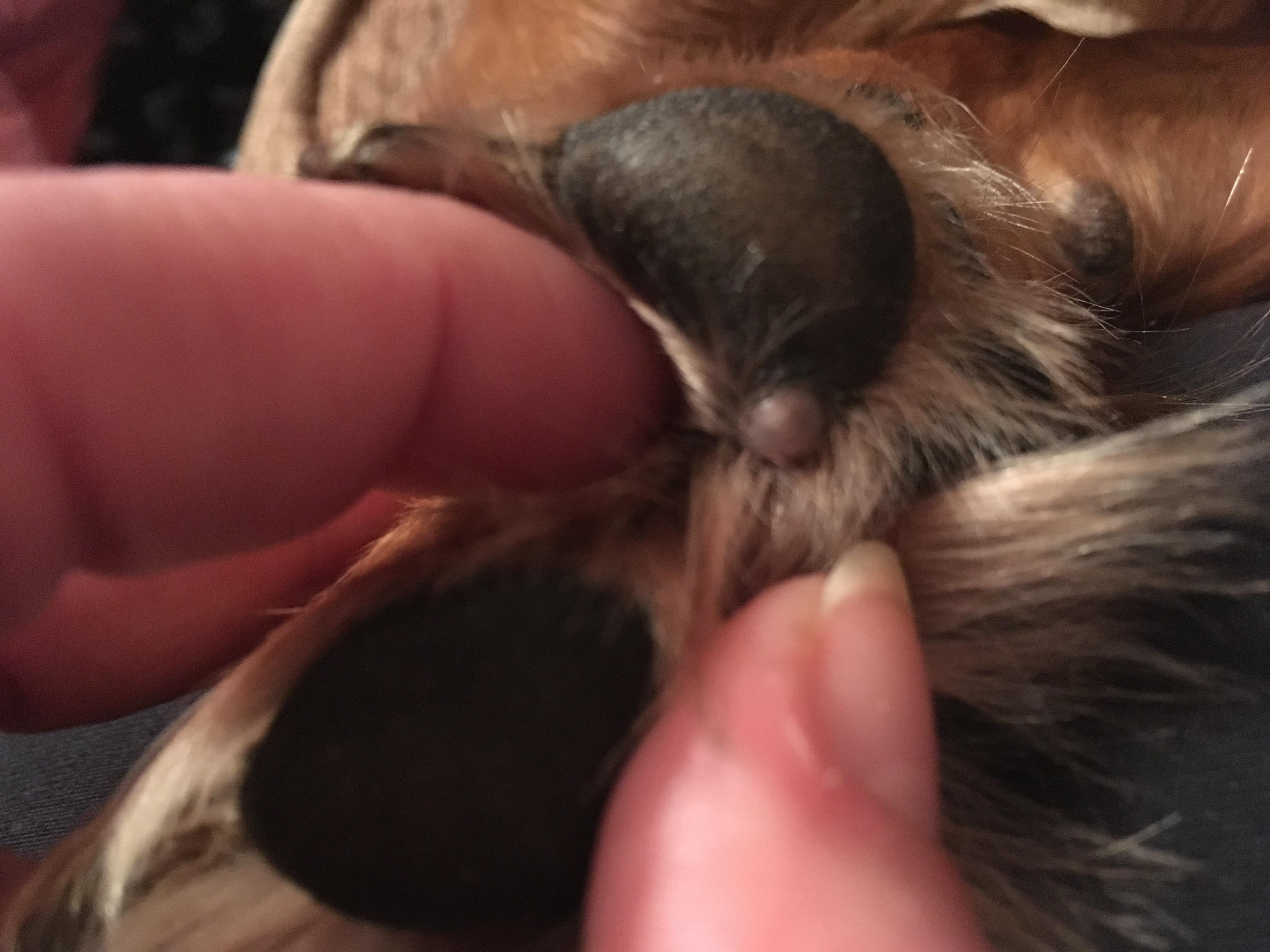
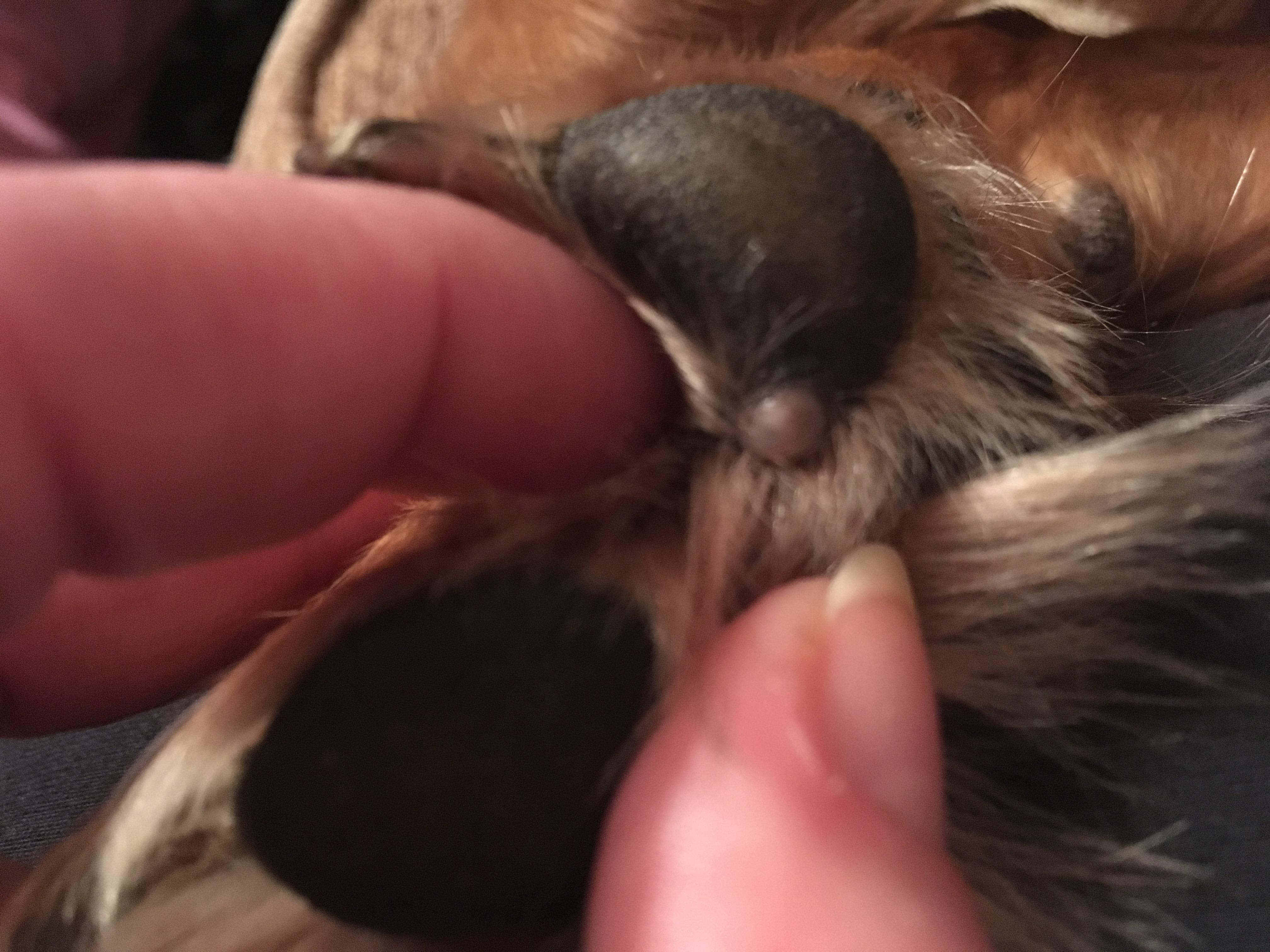
My dog has a lump on the side of his paw pad - very round but seems to have gotten bigger recently and deeper? He's had it around 6 months but as he's people reactive the vet has never been able to examine it properly even muzzled and said it should be ok if it doesn't grow - it has grown. It doesn't look like a corn and is on the side and appears to be growing into the webbing, it's still just smaller than a pea - he is a medium sized, mixed breed, 3 year old, very well in himself m.


4 Answers
Most Helpful Answer

Published on November 7th, 2017
Thanks for using Petco Pet Education Center, formerly Petcoach! This could be a benign or malignant growth. This is often differentiated by a test called a fine needle aspirate (FNA) which is a pain free, inexpensive and easy procedure which in most cases will help reach a diagnosis. Sometimes a biopsy is needed for a definitive diagnosis. I am really hoping for something benign. Good luck and have a good day!

2Pet Parents found this answer helpful
Other Answers
-
Published on July 8th, 2017
This lump on Ziggy could be a histiocytoma (a benign tumor), but there is also a chance it could be a malignant tumor given that he is a middle aged to older dog. It is concerning that it's gotten slightly bigger over this time period, and he should be seen by a vet for it. The vet can perform a test called a fine needle aspirate on it. To do this, the vet sticks a small needle into the lump to get a sample of it's cells, and examines the cells on a slide under a microscope. It's usually painless to the animal, and relatively quick to perform. I would take him into the vet during normal business hours on Monday to have this lump examined and diagnosed so it can be treated as needed.
2Pet Parents found this answer helpful
-
Published on December 18th, 2017
Without further testing, there is no way to tell if this growth is due to infection, trauma or allergy, or if it is a mass. Masses can be of a malignant (cancerous) type that can spread elsewhere and/ or invade the healthy tissue around them, or a more benign (noncancerous) type that is unlikely to spread. Cancerous types of masses are less common than benign ones, but I recommend making an appointment for Ben to see your vet to have the growth tested. In many cases this can be done using a fine needle aspirate, where cells are removed from the growth using a needle and examined under a microscope to determine what it is and to guide treatment. In some cases further testing may be needed to determine the necessary course of treatment.
1Pet Parents found this answer helpful
-
Published on November 15th, 2018
I would recommend that you have Jaida examined by a vet. A growth like this could be a benign histiocytoma that could go away on its own, or it could be another benign or malignant growth. The only way to know for certain is with a biopsy or removal of the mass. Due to its location, the mass will be very difficult to remove it it gets much bigger since there is not a lot of loose or excess skin in this area. The vet may use a needle to collect a sample of cells for examination under the microscope.
1Pet Parents found this answer helpful



Book an appointment with the pros – our expert vets are here to help.
