


Senior cat crying, not eating. Is she in pain? Should I see a vet?
Updated On September 23rd, 2025
Pet's info: Cat | Mixed Breed | Female | spayed | 22 years and 9 months old | 13 lbs
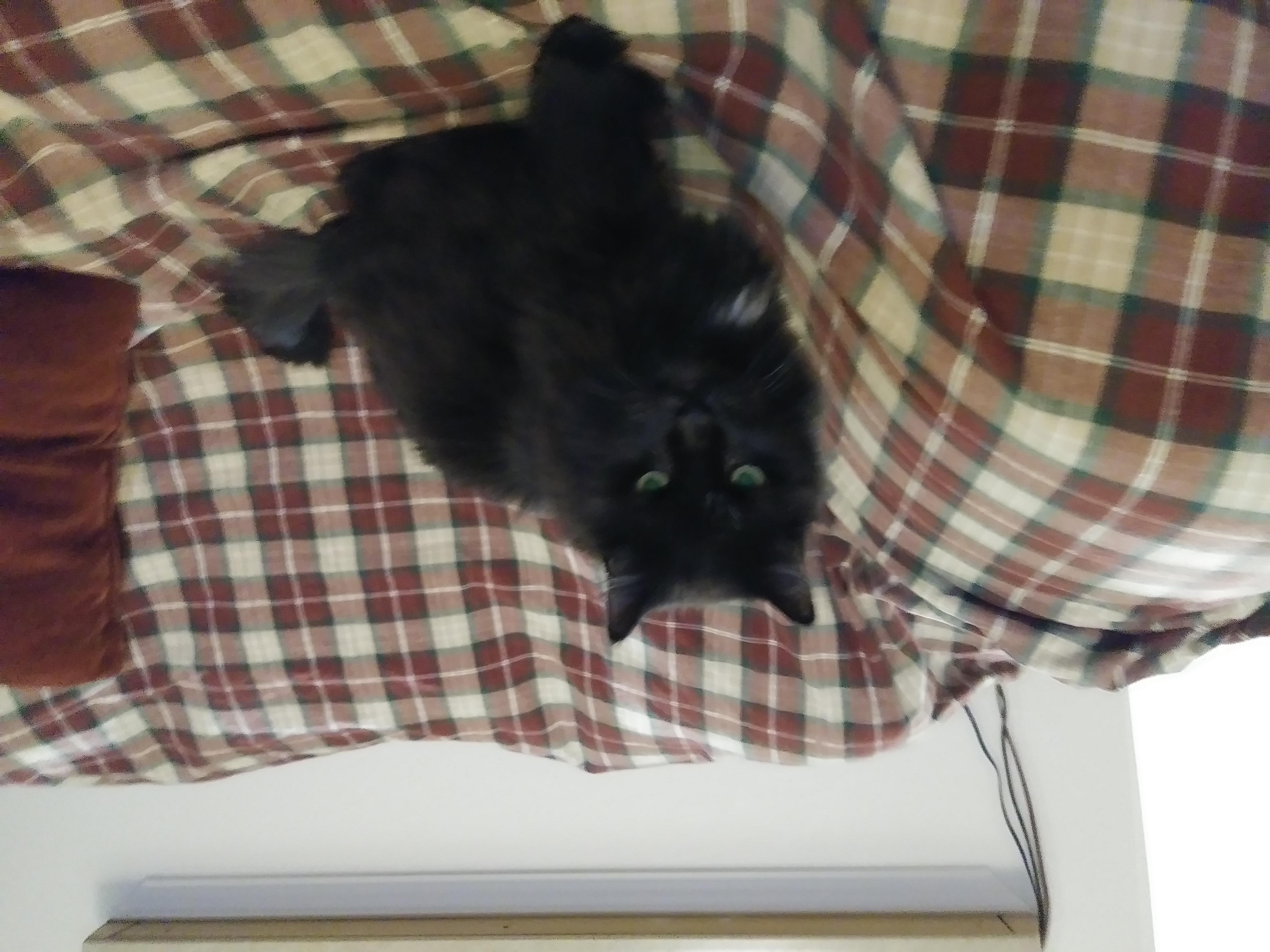
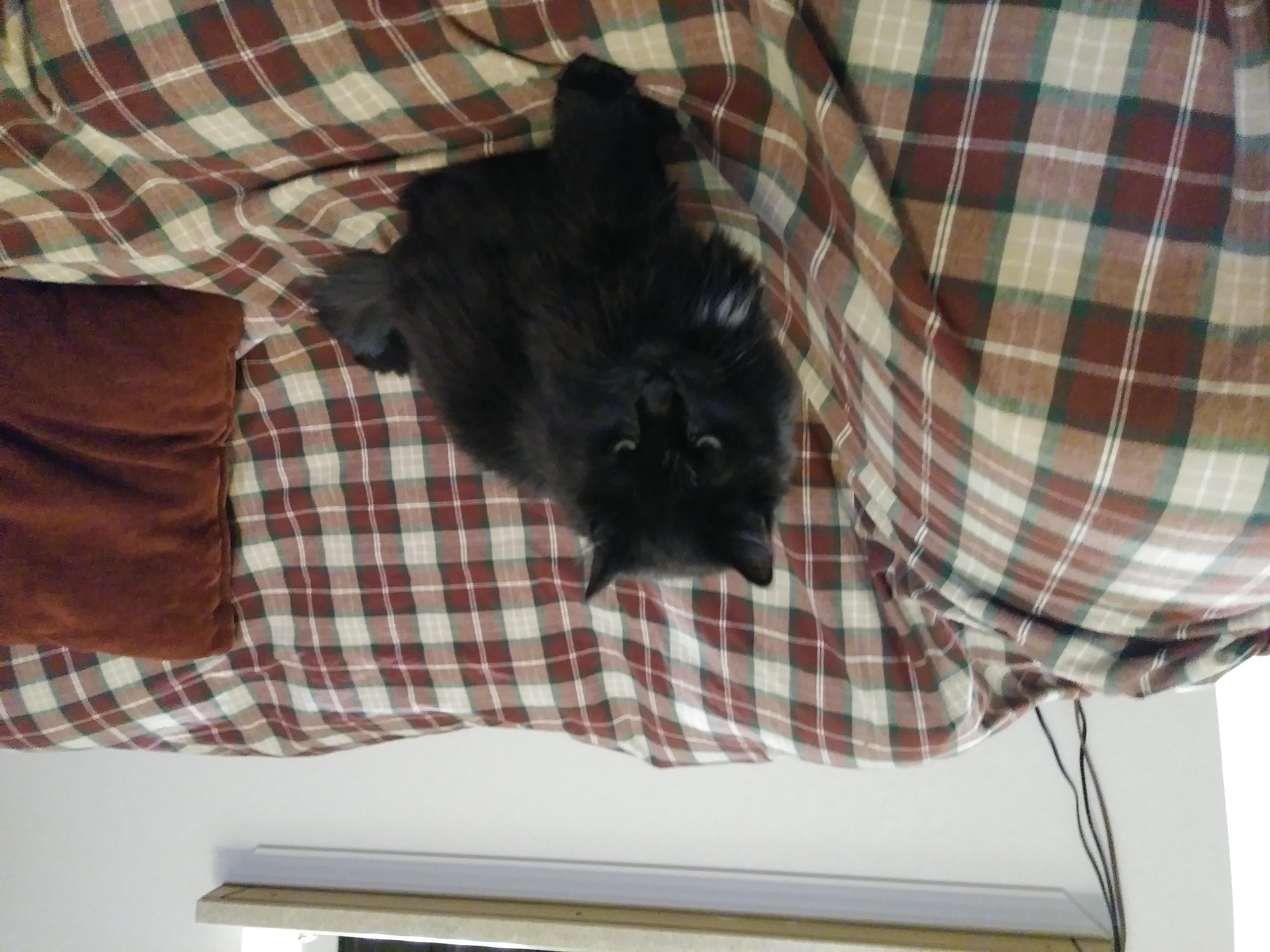
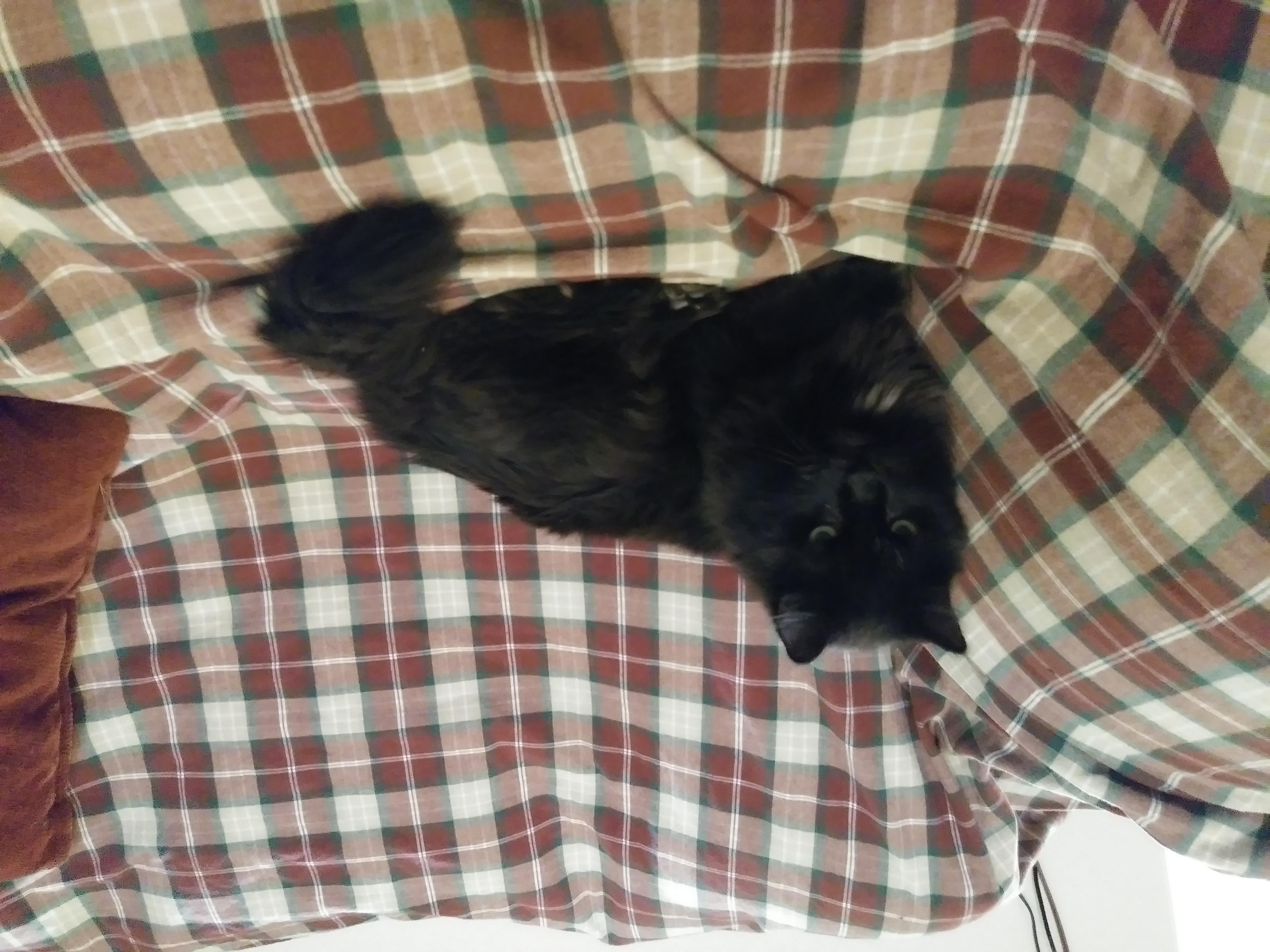
Cootie is obviously old and this is part of life but I want her last days to be comfortable. She seems to be crying a lot more and not keeping food down. Does this necessarily mean she's in pain? And what can I feed her and do to help her with this? Also we just moved into a new apartment that has been completely refurbished and I know there was some smell from the new products they used, could this be affecting her as well? At her age should I take her to the vet or should I just let her go?


2 Answers
Most Helpful Answer
Published on October 21st, 2017
If 22 years of age is accurate, that is definitely very old. While cats can live considerably longer than dogs, that is still pretty far past the average lifespan. That being said, I would still advocate taking her into the vet to be examined to see if anything can be done to either make her more comfortable, or to offer you some information as to her quality of life moving forward. Some of the most common issues we see in older cats include kidney disease, thyroid disease, lymphoma (particularly of the gastrointestinal tract), and liver problems. Some of these are addressed with medication while others are far less treatable. I certainly wouldn't advocate just letting her go at home. If anything, if they feel she is in pain then they can make her transition much more peaceful. Hope this makes sense.

1Pet Parents found this answer helpful
Related Answers from Veterinarians
-
Published on February 16th, 2017
When there is a sudden change in behavior from the normal, it could be due to a medical illness. Lucky may not be feeling well, and that's causing her to act aggressive towards the younger cat. I would have her seen by a vet for a health check, including a geriatric blood panel and urinalysis, to check if she is suffering from any health issues. Common health issues in senior cats include kidney failure, diabetes, hyperthyroidism, and cancer. If a medical illness is found, the vet can discuss treatment options with you. Should Lucky be heathy, I would separate the cats, and slowly reintroduce them to each other. Take Lucky, and put her in her own room with her own food, water, and litter box. Keep the door closed, and for a few days, feed them both treats on other side of door so they associate each other's smell with a good experience. Then let the other cat in Lucky's room while she is in a cat carrier. They can smell each other, but not be in contact. If either becomes upset or show signs of aggression, remove the second cat from the room, and try again later. Praise them when they interact appropriately. When they are interacting well with each other through the carrier, you can let Lucky out of her room, and see how she interacts with the other cat. Praise them when they interact appropriately, and separate them with any sign of aggression or upset. I would get a cat tree with lots of shelves to give the cats vertical space to get away from each other. I would keep Lucky in her room when you go out until they are comfortable with each other.
1Pet Parents found this answer helpful

My persian cat eat less than before.it was been like this for a month. And also it is ok when she sleeps but when she wakes up she meows like crying and climbs high places. Is it necessery to take her to vet’s office? What is her problem? Is it b

My cat has not been herself for the last couple of days - yowling very loudly through the night. still eating and drinking water maybe drinking slightly more than usual. her gums and rims of her eyes look a little pale. She is a little lethargic a

My cat that is 17 years old has recently gone into social withdrawal and hiding under a bed. She is still eating a little bit of food and drinking water. I think she may be preparing for the end of her life. Should I try and take her to the vet or ju

Asking advice for a friend. Their cat is roughly 16 and has most of her teeth gone. Shes usually out, cuddly, and laying on the couch. or under the computer table at someone's feet. talking a whole ton.. but lately, she's been hiding and hasn't talke

My cat is 21 yrs old. She is losing weight and very lethargic. Her eyes have a slight discharge and her breath is beginning to have an odor. She is off balance when walking. ..almost like she is dragging her back leg. Her hearing is going. I believe
My 14 year old cat has been crying/whining when she jumps off of the bed, she has a fatty tumor on her chest and has been having accidents in her sleep. She is overweight but hasn't been eating as much lately, I'm just wondering if it's time to let h
My cat is 15 yrs old, female, has lost all her teeth, last tooth recently, and has vomited nearly daily for almost a year now. She eats right afterwards although she has lost weight and has also drunk soapy dish suds frequently in the recent past unt
My cat b .billy is ,amazingly 30yrs.old. No kidding. The past two days have been hard for both of us . His normally healthy appetite seems to be gone he has eaten next to nothing and he is moving considerably slower. I think his time is up but I dont
My question is about my 15 year old cat Angel she is an inverted calico Siamese mix and she is in a lot of pain in back and back Legs !!! She isn't gaining weight and is skinny !!! She is throwing up a lot and is brown liquid !!! She is eating and
My cat is 12 years old and she has stuff coming from her eyes, she doesn't eat and hasn't come out from under the bed in about 2 days. She also hasn't pooped or peed either. I'm getting really worried and I'm not sure what to do. She also has been pu

Book an appointment with the pros – our expert vets are here to help.
