


My cat has seizures daily, but her bloodwork is normal. What's wrong?
Updated On September 23rd, 2025
Pet's info: Cat | Domestic Shorthair | Female | spayed | 5 years and 2 months old | 9 lbs
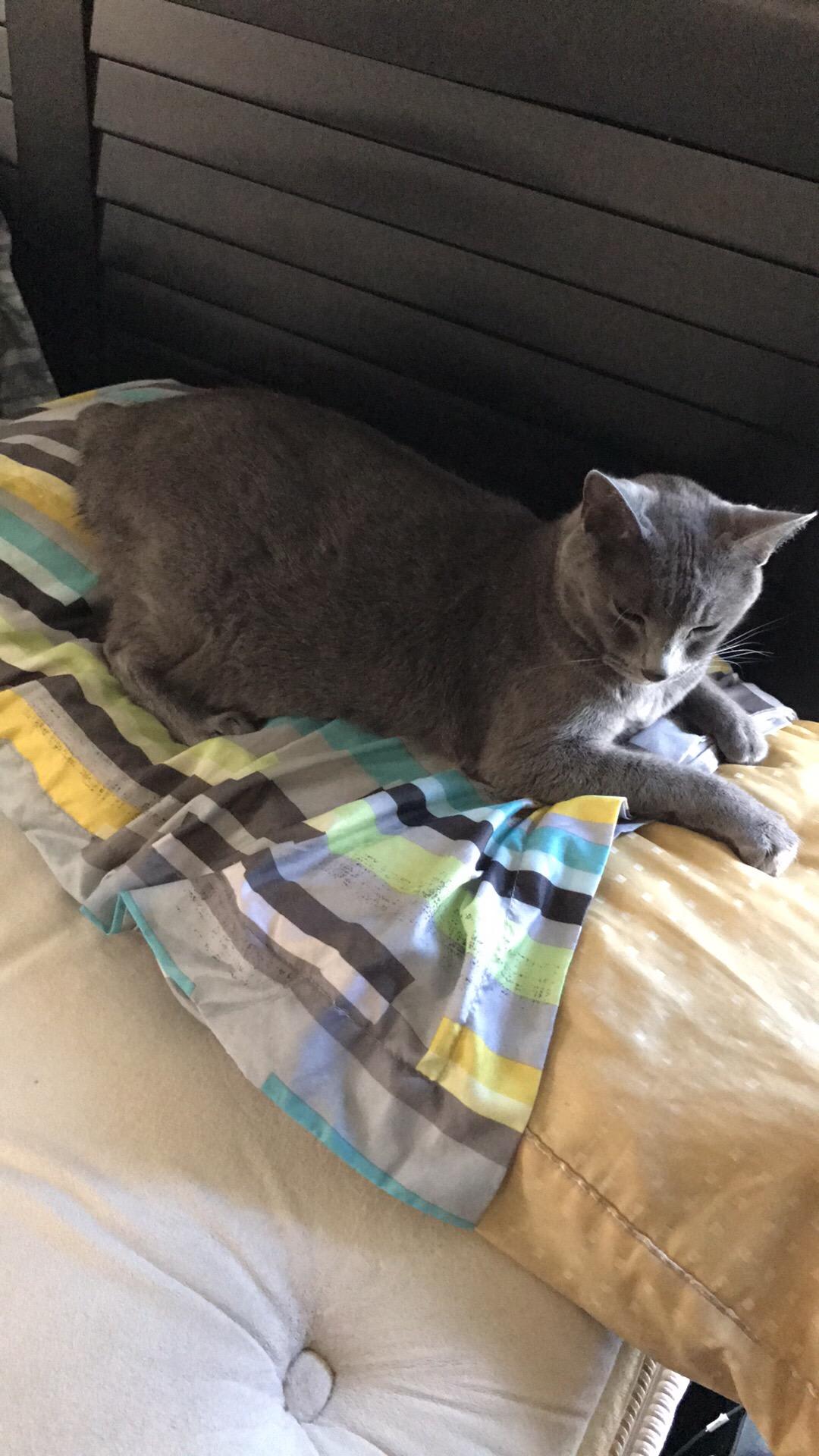
I have a 5 year old female spayed cat. Up to date on vaccines and inside only. 2 years ago she started having seizures only 1 a year. Just recently she started having them every other day. She's now trying to walk before fully coming out of her seizure. Her blood work came back normal. She is bigger than her siblings. She's eating the same cat food, and hasn't been introduced to anything new or different. Why is she having seizures? And why so often?


3 Answers
Most Helpful Answer
Published on July 5th, 2017
I'm sorry to hear that Maci is having this problem! Idiopathic epilepsy, which refers to seizures without any underlying cause, is rare in cats but can occur. Other possible causes would include a brain tumor or neurologic disease of some kind, as there would not be any evidence of these issues on normal bloodwork. If you are concerned and want to try and get a definitive diagnosis, you can request referral to a veterinary neurologist for further testing, which would likely include an MRI or CT scan of the brain as well as a CSF (cerebrospinal fluid) tap. If going to see a specialist is not an option for you, your veterinarian should still be able to prescribe medication to control Maci's seizures even without knowing what the underlying cause might be - I would definitely recommend this at this point, if she is having seizures every other day.

1Pet Parents found this answer helpful
Related Answers from Veterinarians
-
Published on
Seizures can be due to epilepsy which is an incurable but treatable disease. It usually starts between 6 months and 3 years. Other causes of seizures would be organ issues such as liver or brain problems. However I would suspect epilepsy if the bloods were ok. If you visit your vet they can start an appropriate treatment.
1Pet Parents found this answer helpful
-
Published on December 28th, 2017
Hi there and thank you for using pet coach to address your concern. If blood work has not been done I would consider having this done along with any infectious disease tests the vet recommends running based on the lab work. If the seizures become more frequent or longer in duration, he will likely need to be on an anti seizure medication. I would also recommend consulting with a neurologist if the seizures become more frequent or longer in duration, especially if any new symptoms arise. I hope this helps guide you in the right direction. Please let me know if you have any other questions or concerns.
1Pet Parents found this answer helpful



My cat had had 4 or 5 small seizures in the last 2 weeks. Her blood work is fine. She is 13 years old and is an indoor/outdoor cat. Suggestions on causes?
My female kitten is 2 month old. She has been having seizure more than 5 times per day which last not more than a minute per episode. Brought her to vet but they said she is perfectly fine. Glucose also fine. What should we do?

Hello, We adopted a stray cat which is 4-5 months old now.Today,when we were playing with him, we observed strange behaviours.It was like he was having a seizure,he kept turning his head to one specific side repeatedly,his eyes were like following so

My cat has been loosing weight, vomiting his food/water occasionally for the past 6 months he's been having seizures for 3 yrs about once a yr. this morning he wasn't himself wouldn't eat and had puked in 8 small spot through the night and I noticed
My 17 y/o cat started having seizures a week ago; however, they have become more frequent. She initially only had one and then was fine for over a week until she started having them again a few days ago. As she is old, would medication be too harsh o

Hello.My dog had a wellness blood panel at end of july.Cameback normal.4 weeks later out of the blue my 6 year old dog had a seizure. She then had another the following week.I took her to vet and they reffered her to nuerologist. Saw nuerologist and
Hi there! my cat is actually in with a vet but i wanted to ask in case more opinions could help or be of any use. my cat was having seizures and went to the hospital and they did mri's and did cerebral spine fluid tests and everything was fine. She n
My cat has grand mal seizures daily or every other day. she is on phenobarbital half pill twice daily. they dont seem to be working since seizures are almost daily, and blood tests were neg. for any diseases. what else can i do to help her? i love th
Our cat is 12 yrs old and has been having small seizures only when asleep for the past week. She throws her head back and opens/closes her mouth constantly. They only last about 30-45 sec then she seems ok. But she has been having them more and more

The vets done blood work. Would that be able to tell them. What causes the fits or would the blood test just rule out other causes...

Book an appointment with the pros – our expert vets are here to help.
