


My dog has a hard, scaly lump on her chest after tick removal. Normal?
Updated On September 23rd, 2025
Pet's info: Dog | Mixed Breed Medium (23 - 60lb) | Female | unspayed | 9 years and 5 months old | 35 lbs
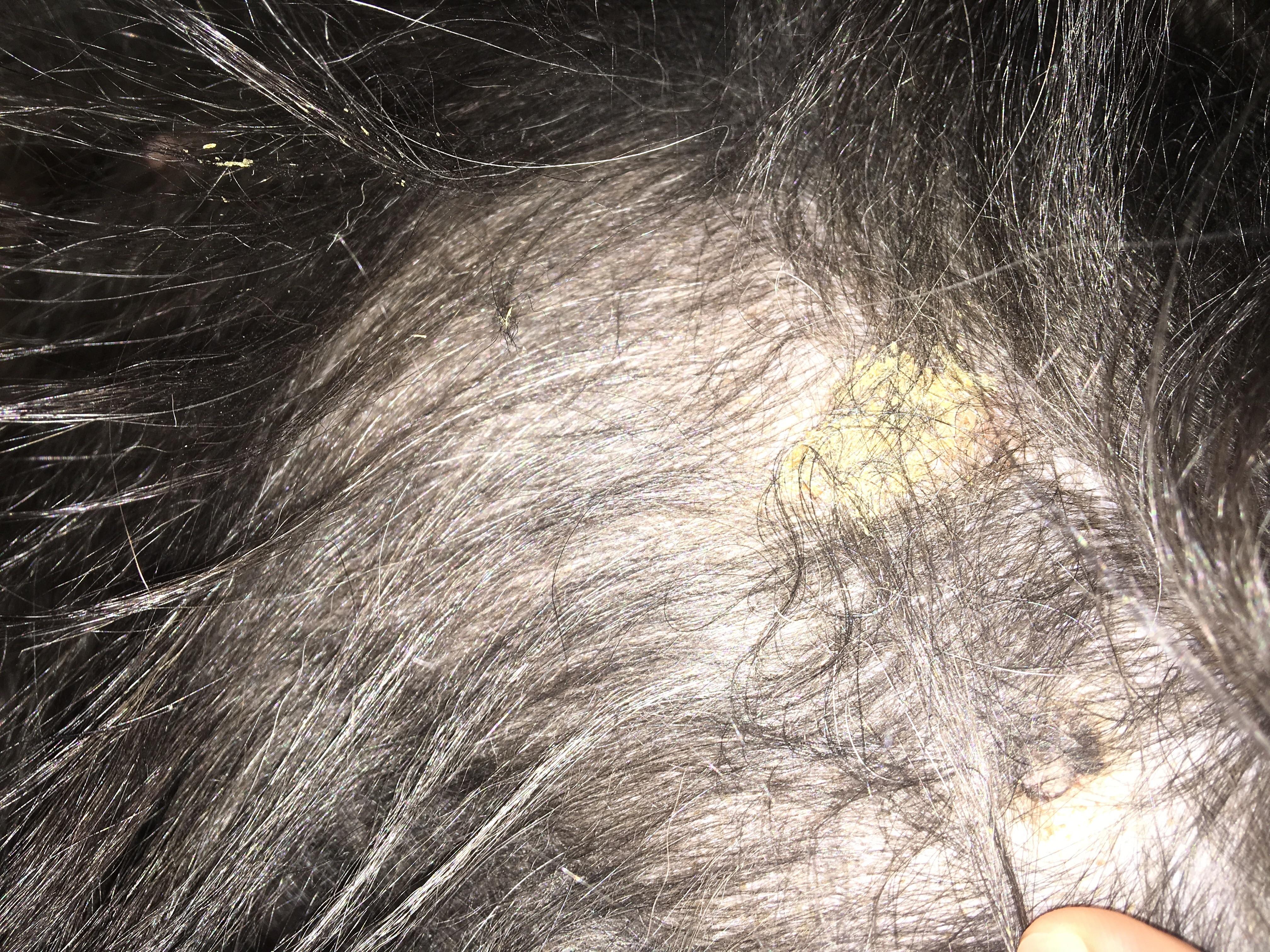
My dog has a somewhat scaly, hard, large lump on her chest where I had found and removed a tick several weeks ago. Should I be concerned or is this normal and nothing to worry about? I can't tell if she's lethargic or having pain walking because that's how she always is.


2 Answers
Most Helpful Answer

Published on June 29th, 2017
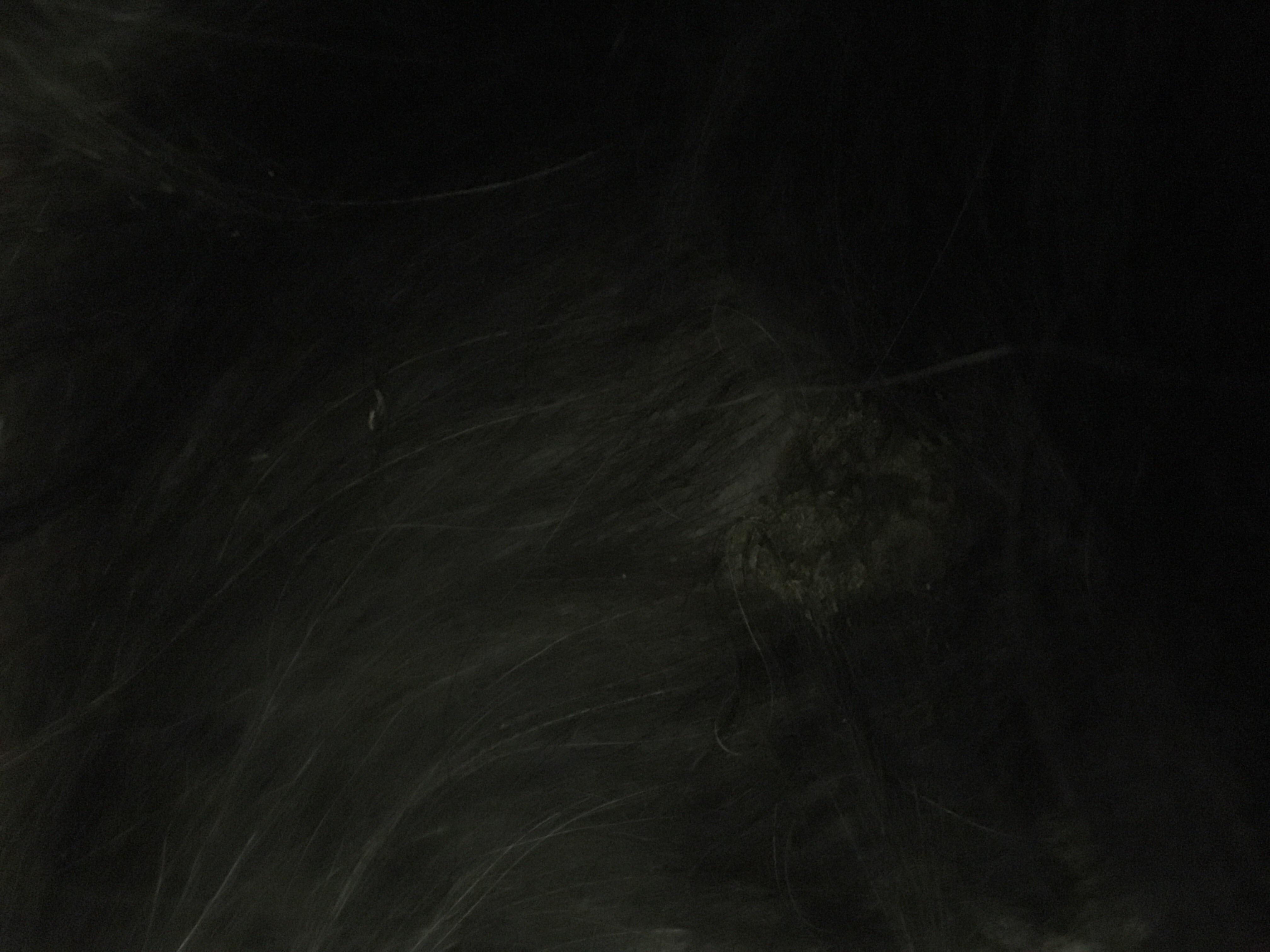
Hello! It's difficult to tell for sure, but what I think I'm seeing in the photo is a nipple towards the upper left aspect of the photo, and an oval yellowish area below - I'm guessing that's where you believe the tick was removed? It is very common for dogs to get a small hard scab where a tick was removed, and as long as that scab is not red, inflamed, and has no discharge, it typically resolves on its own. Dogs do not get the stereotypical "bulls-eye" lesion that we watch for in humans to indicate Lyme disease exposure. However, if the lesion in question is that yellowish oval area, that would not be a normal response to a tick bite, and I would have that checked out by a vet. Your vet will be able to look at the lump and determine how concerned they are, and they will likely want to take a small sample with a needle to look at the cells in the microscope (cytology) to determine what is causing the lump. Additionally, if there is concerned about tick exposure, they can test for exposure to the tickborne diseases such as Lyme disease. I hope this helps!

1Pet Parents found this answer helpful
Related Answers from Veterinarians
-
Published on
It is quite hard to see the photo, but there is certainly something going on. The skin looks reactive, this could simply be due to the tick causing irritation or it could be an infection. Sometimes the mouth part of the tick can get lodged and cause infection. You can bathe the area in warm salty water and if it is not improving or feels hot or swollen i would visit the vet.
0Pet Parents found this answer helpful


I found a tick on my 5 month old puppy, after removing it carefully, he had a small lump where the tick was, is this normal snd will the lump go away?
2 months ago my dog got a tick bite, we removed it but she now has a small hard black lump in the same spot. She has the same amount of energy as always and haven’t noticed any thing different besides the lump.
I noticed a very small tick, with an nearly orange like colour, above my dogs left eye last night. We removed it last night, unfortunately the body did burst and pus like stuff came out, but it then came out easily, with the head. The pus like stuff
My Dog Has a Lump Where a Tick Bit Him, Is He Ok?

We pulled a tick off her 2 days ago and now its has a red ring around it. There is another spot where there was a tick and now its a hard lump but it is not red.

My cat had a tick removed by the vet and now there is a lump almost as big as the tick was. Is this normal
I pulled a tick off Jake three weeks ago. It scabbed over, then the scab looked “wet” so about ten days ago I pulled it off and cleaned the wound real good. Tonight I noticed it was still hard and scabby and not looking better. I pulled the scab off

My dog had a tick on her head a week ago and we removed it promptly. The head wasn't left in and as far as I know nothing else was either. Afterward, we found a small lump on her head. It has been over a week and the lump has grown. It is white and
Hi my name is cesar and I just wanted to ask you guys a quick question to see if you guys could help me solve this question. I have a breed between a shih tzu and a mini pinscher and we removed a tick from the lower back of his neck couple months ago
Greetings Doctor. Is it possible for a dog to have few small hard mass type lumps/bumps as a result of tick fever ? I suddenly noticed a small hard bump on one of hes rib, one small ball like lump on chest below adjacent to hes armpit under the skin.

Book an appointment with the pros – our expert vets are here to help.
